Pickling Onion
Pickling onions are small, mild-flavored bulb onions cultivated specifically for preserving whole in vinegar or brine, prized for their tender texture and thin skins.
Pickling onions are small, mild-flavored bulb onions cultivated specifically for preserving whole in vinegar or brine, prized for their tender texture and thin skins.
Originating primarily in the United Kingdom and parts of Europe, pickling onions evolved through the selection of small, uniform bulbs from standard Allium cepa varieties. Rather than stemming from a single cultivar, this market class developed over time by growers and seed companies emphasizing size and mildness, with notable cultivars including 'Paris Silverskin', 'Barletta', and 'Crystal Wax'.
Pickling onions belong to the species Allium cepa and represent a commercial market class rather than a distinct botanical variety. They encompass several small-bulbed cultivars selected for their suitability in pickling, distinguished within the broader onion family by their size, skin texture, and flavor profile.
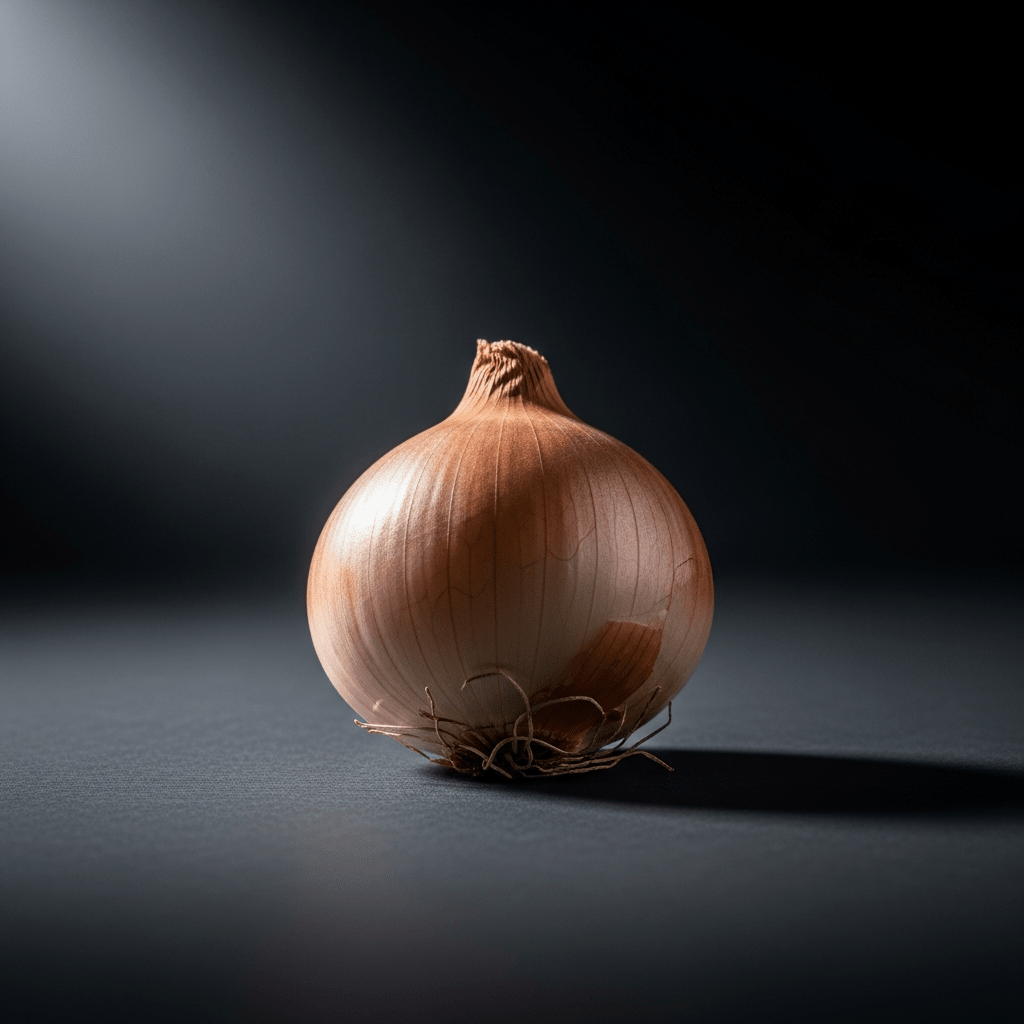
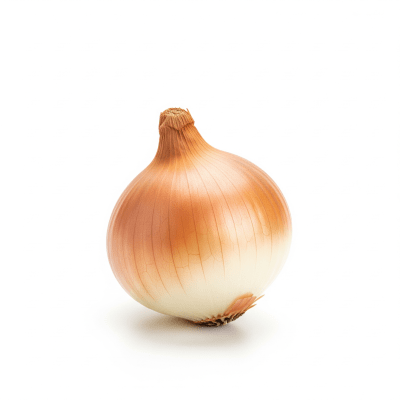
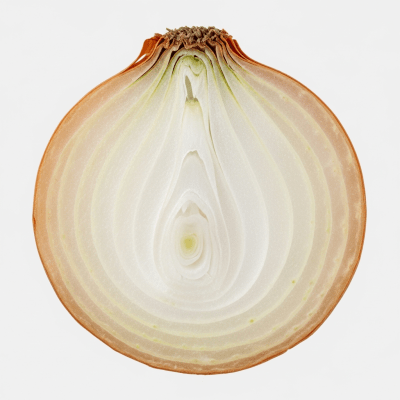
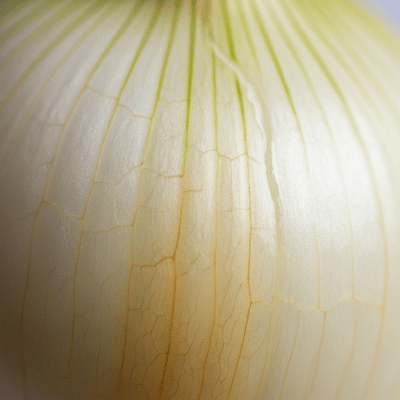
These onions typically have small, globe-shaped bulbs measuring between 2.5 and 4 centimeters in diameter. Their outer skins are usually white or pale brown, though red-skinned types also exist. The flesh inside is crisp, white, and tender, with a thin skin that peels easily, making them ideal for whole preservation.
Pickling onions are primarily valued for their ability to maintain texture and mild flavor when preserved whole in vinegar, brine, or spiced pickling solutions. They are commonly harvested either immature or at full maturity, depending on market needs, and are often included in traditional British pub fare, continental European antipasti, and mixed pickles. Occasionally, they are used fresh in salads or as garnishes.
Bring this kind into your world illustrated posters, mugs, and shirts.
Archival print, museum-grade paper
Buy Poster
Stoneware mug, dishwasher safe
Buy Mug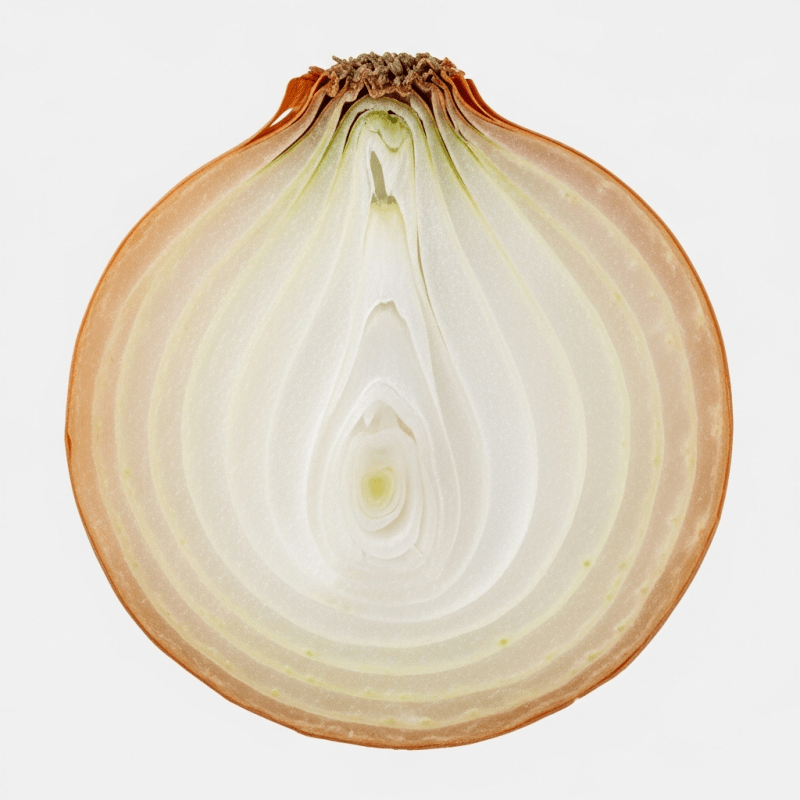
Soft cotton tee, unisex sizes
Buy ShirtIn British and European culinary traditions, pickling onions hold a cherished place as a staple accompaniment to cheese, cold meats, and ploughman’s lunches. Their presence in classic pickled vegetable assortments reflects a cultural appreciation for preserved foods that balance flavor and texture, often evoking nostalgic ties to regional pub culture and festive meals.
Pickling onions offer a mild pungency with a gentle sweetness, characterized by low levels of sulfur compounds that usually give onions their sharpness. Their tender flesh delivers a crisp bite that softens pleasantly when pickled, making them well-suited to preservation without overwhelming other flavors.
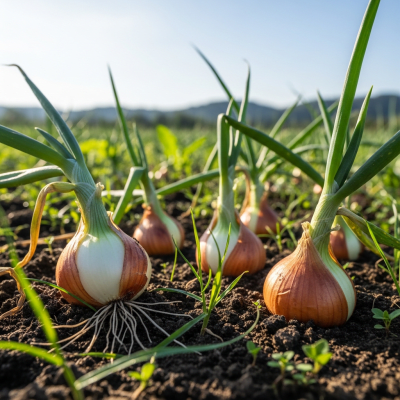

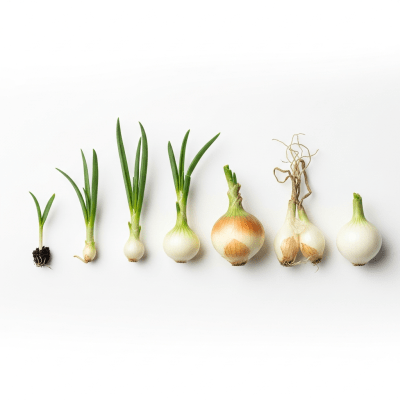
These onions exhibit variable day-length sensitivity depending on the cultivar and growing region, adapting to both short-day and intermediate-day conditions. Their small bulb size allows for high planting densities and moderate yields. However, their thin skins contribute to a relatively short storage life of one to three months. Disease resistance varies among cultivars, with no universal resistances specific to pickling onions.
Pickling onions are primarily used whole in pickling processes involving vinegar, brine, or spiced solutions. They form a traditional element in British pub fare and continental European antipasti platters. Occasionally, they are served fresh in salads or as decorative garnishes, but their main culinary value lies in their ability to retain texture and mild flavor after preservation.
Due to their thin skins, pickling onions have a shorter shelf life than larger storage onions, typically lasting between one and three months when stored in cool, dry conditions. They are often preserved by pickling soon after harvest, which extends their usability and enhances their flavor. Proper ventilation and humidity control are essential to prevent decay during storage.
Pickling onions are commercially marketed mainly in the United Kingdom and parts of Europe, often sold fresh in late summer and autumn. Some quantities are stored in cold conditions to extend availability into winter months. They are packaged to protect their delicate skins, frequently sold in small bags or bulk for foodservice and retail. Their niche market is supported by growers specializing in small-bulb varieties suited for pickling and fresh consumption.