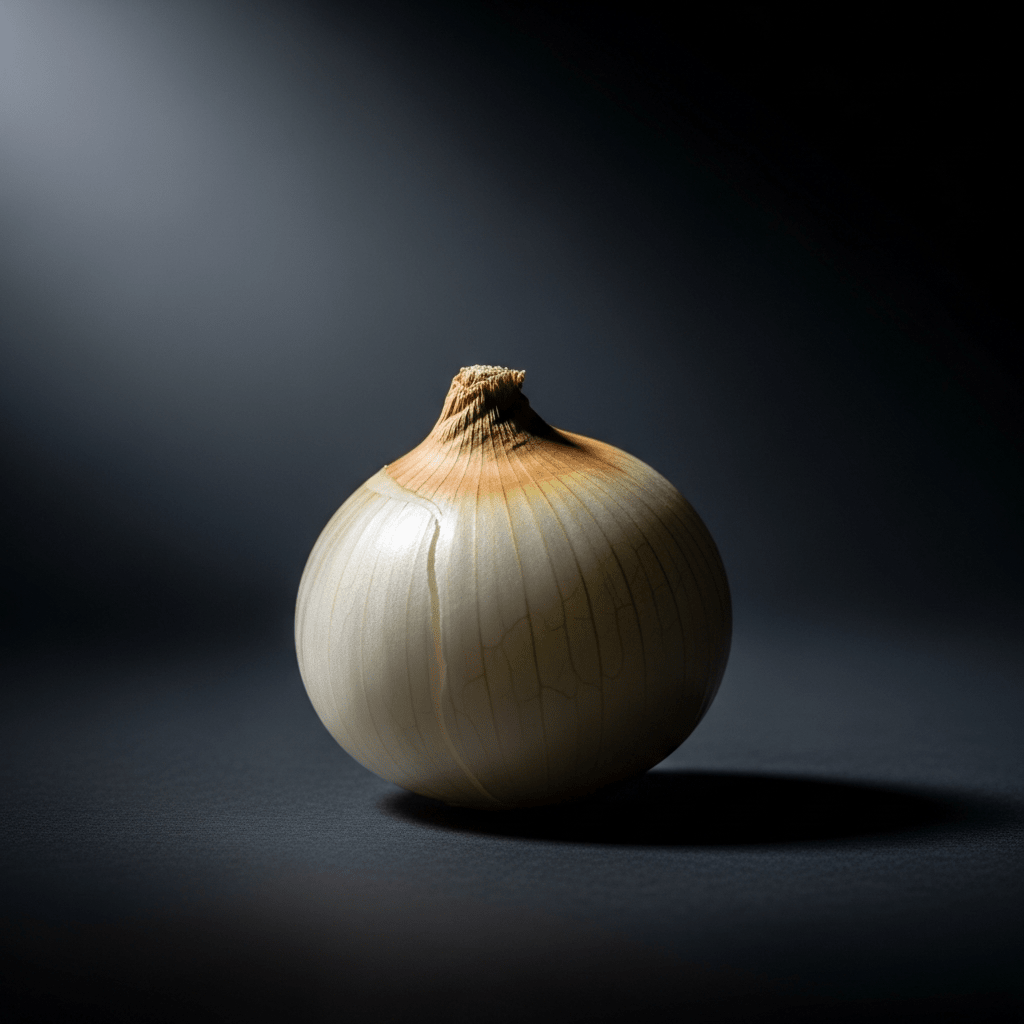
Pearl Onion
Pearl onions are small, round bulbs of Allium cepa, typically white, yellow, or red, valued for their mild flavor and tender texture, commonly used whole in cooking and pickling.
Pearl onions are small, round bulbs of Allium cepa, typically white, yellow, or red, valued for their mild flavor and tender texture, commonly used whole in cooking and pickling.
Originating from Europe and North America, pearl onions emerged through selection within the common onion species for their notably small bulb size. Cultivated since at least the 19th century, they have no single credited breeder but rather evolved by favoring naturally petite bulbs suited for culinary uses.
Pearl onions belong to the species Allium cepa, classified as a variety of the common onion distinguished by its miniature bulb size. They are part of the broader onion family, alongside yellow, red, white, and sweet onions, sharing botanical traits but set apart by their diminutive form.
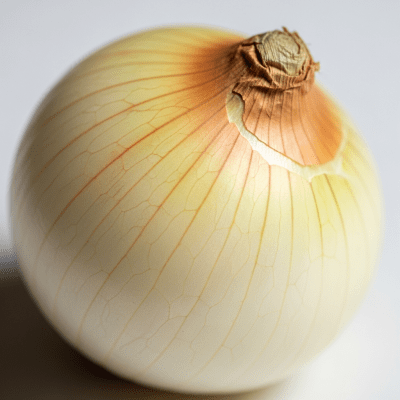
These onions feature small, globe-shaped bulbs measuring between 1 and 2 centimeters in diameter. Their thin, papery skins come in white, yellow, or red hues, enclosing crisp, juicy white flesh. Their petite size and smooth, rounded form make them visually distinct and appealing.
Pearl onions are prized for their mild, medium-sweet flavor and tender texture. They are typically used whole in culinary applications, including pickling, stews, and as garnishes. Their small size lends itself well to dense planting and decorative presentation in dishes, enhancing both flavor and aesthetics.
Bring this kind into your world illustrated posters, mugs, and shirts.
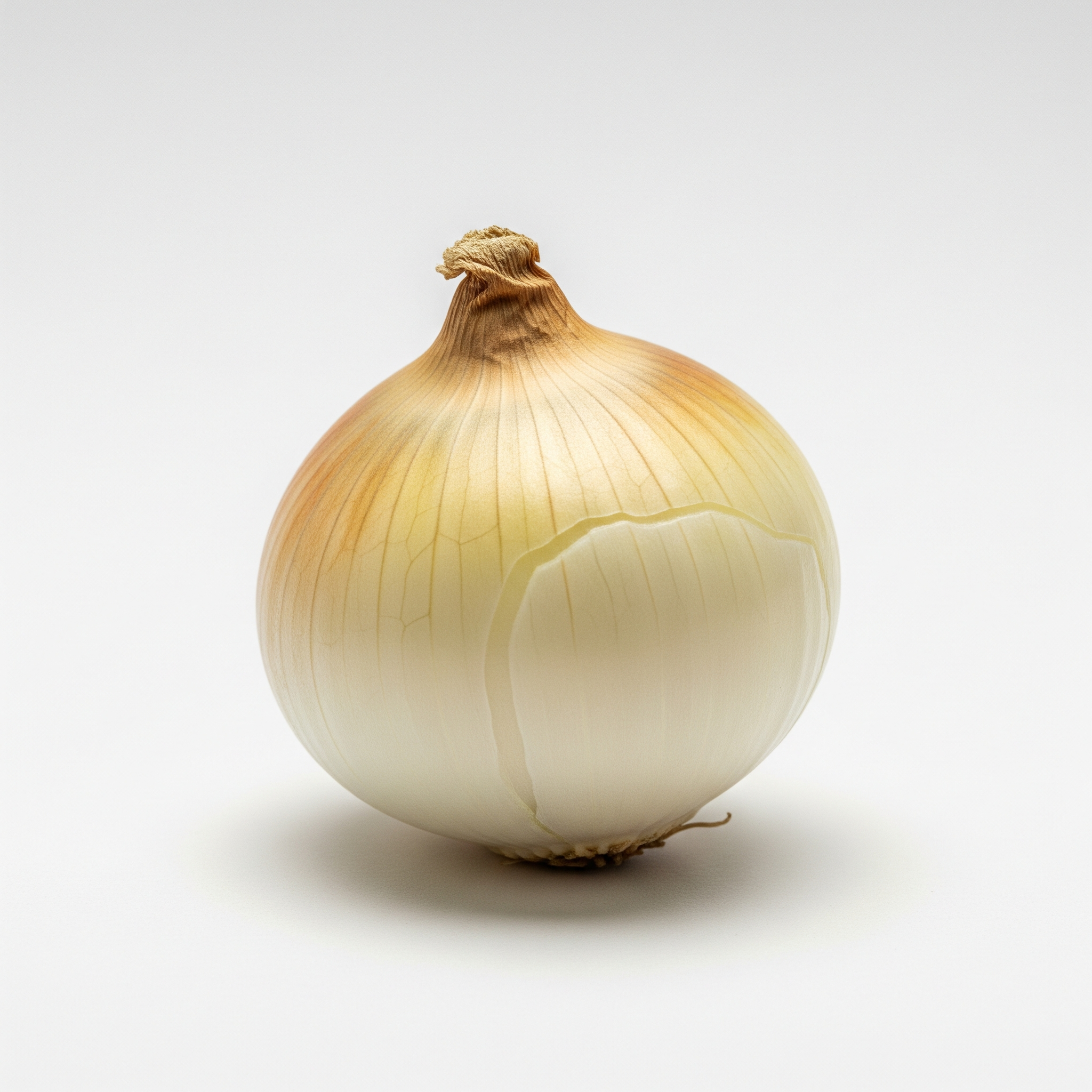
Archival print, museum-grade paper
Buy Poster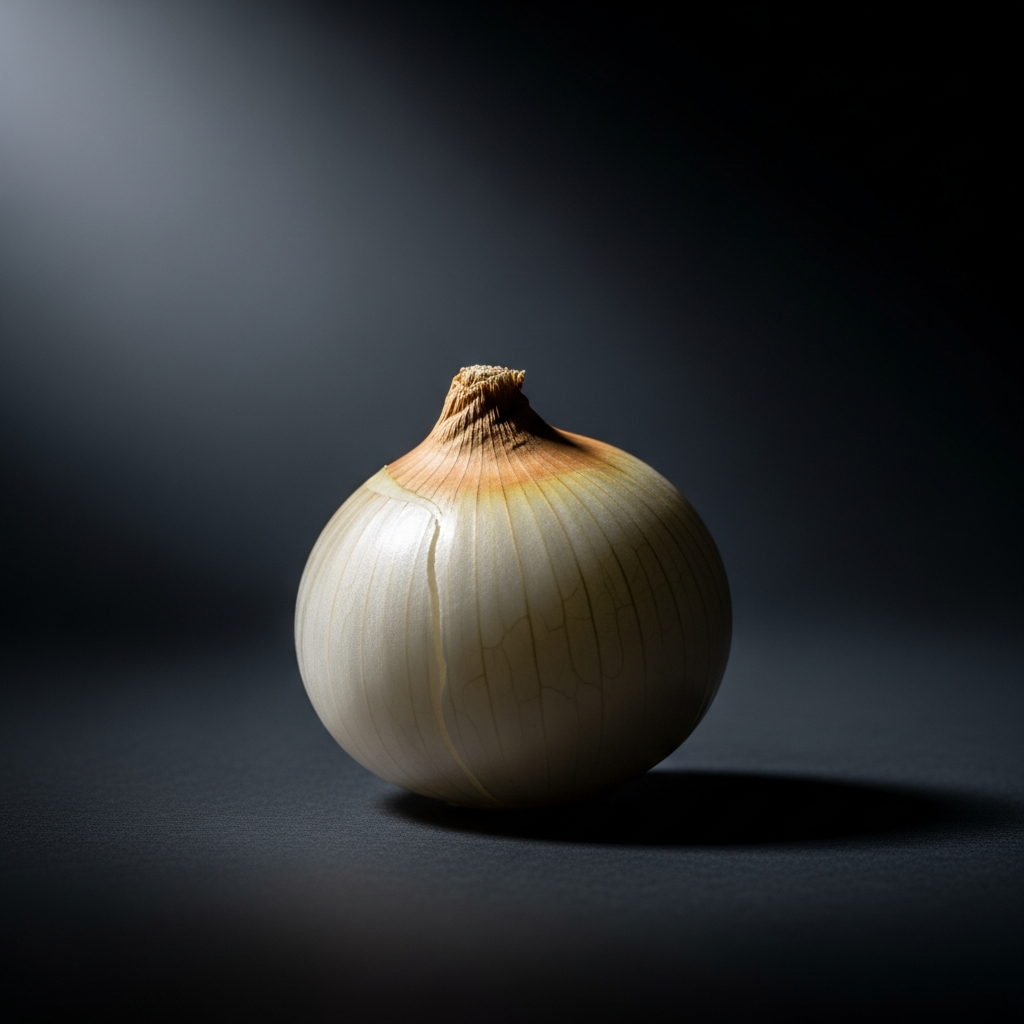
Stoneware mug, dishwasher safe
Buy Mug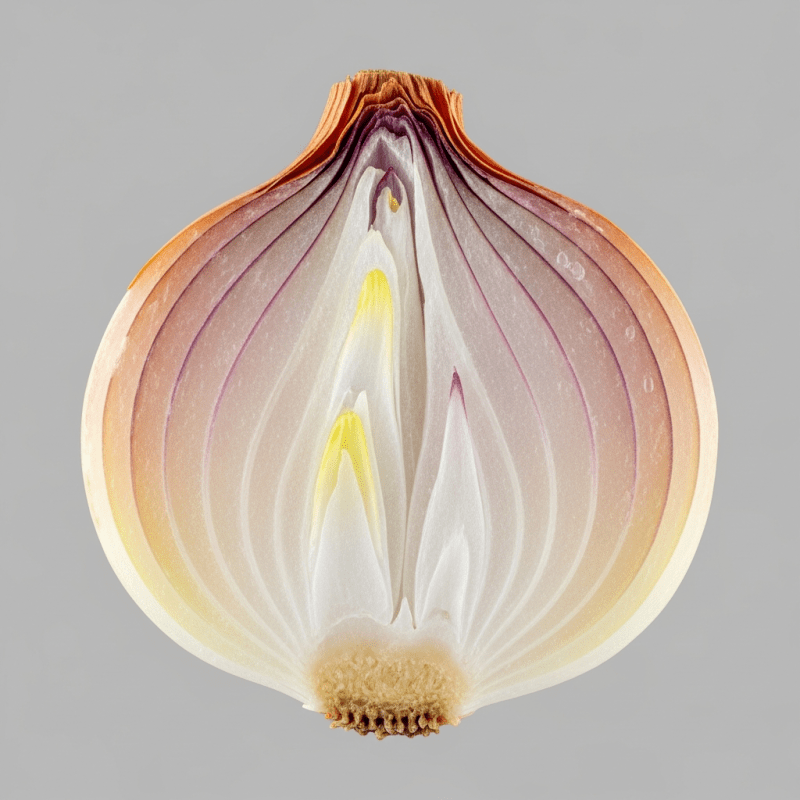
Soft cotton tee, unisex sizes
Buy ShirtKnown by various regional names such as "baby onions," "button onions," and "silverskin onions," pearl onions hold a modest but enduring place in European and North American culinary traditions. They feature prominently in classic recipes like French coq au vin and English stews, symbolizing rustic elegance in cooking.
Pearl onions offer a mild pungency balanced by medium sweetness, making them less sharp than standard onions. Their flavor is shaped by sulfur compounds typical of Allium cepa, but in gentler concentrations, resulting in a tender, subtly sweet taste that mellows further when cooked or pickled.
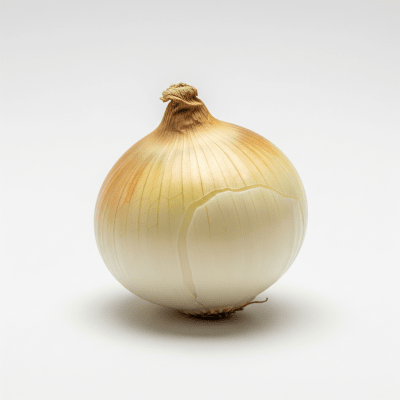
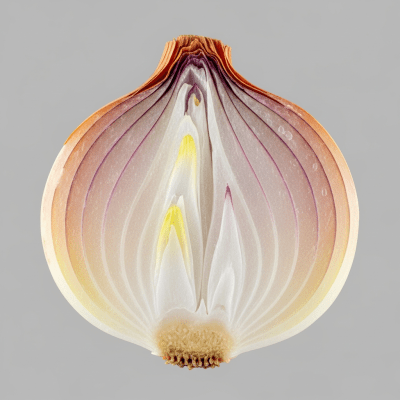
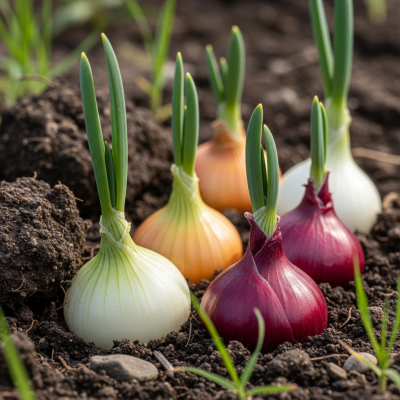
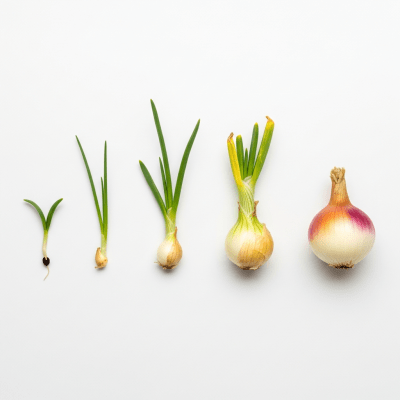
Pearl onions mature within approximately 90 to 120 days and are often harvested early to preserve their small size. They exhibit typical onion growth habits with slender green leaves and moderate root systems. While their yields per plant are lower due to bulb size, high-density planting compensates commercially. Their storage life is shorter than larger onions because thin skins provide less protection against drying and disease, and no unique disease resistances have been documented.
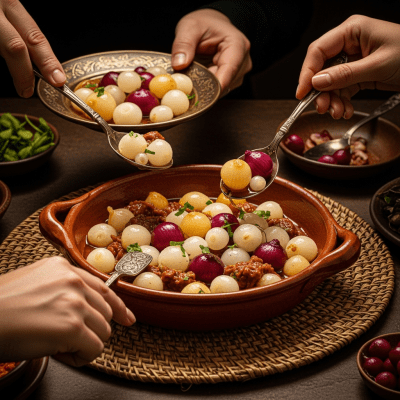
Widely used whole, pearl onions are popular in pickling, cocktail garnishes, stews, and vegetable medleys. Their tender texture and mild flavor hold up well to cooking methods such as braising and roasting. Commercially, they are available fresh, frozen, or pickled, making them versatile ingredients in both home and professional kitchens.
Due to their thin skins, pearl onions have a shorter shelf life than larger onions and require careful storage to prevent drying and spoilage. Best kept in cool, dry, and well-ventilated conditions, they are often preserved by pickling or freezing to extend usability beyond their fresh storage limits.
Pearl onions are commercially traded primarily in North America and Europe, available fresh, frozen, or pickled. Their small size and delicate nature often necessitate specialized packaging to protect bulbs during transport. While some markets mechanically size larger onions as "pearl onions," true pearl onion cultivars are cultivated specifically for their miniature bulbs and niche culinary demand.