Maui Onion
The Maui onion is a specialty sweet onion cultivar known for its exceptionally mild flavor, high sugar content, and pale yellow skin, prized both locally in Hawaii and on the U.S. mainland.
The Maui onion is a specialty sweet onion cultivar known for its exceptionally mild flavor, high sugar content, and pale yellow skin, prized both locally in Hawaii and on the U.S. mainland.
Originating on the island of Maui, Hawaii, the Maui onion began commercial cultivation in the early 20th century. It was developed through local selection for sweetness and adaptation to the island’s volcanic soils and climate, with its initial release estimated in the 1950s. Though not formally registered as a cultivar, it is recognized by U.S. agricultural authorities as a distinct market class.
The Maui onion belongs to the species Allium cepa, the common bulb onion. It is classified as a sweet onion cultivar within this species, distinguished by its mild flavor and pale yellow skin. While related to other sweet onions, it is recognized as a unique market class primarily due to its geographic origin and flavor profile.
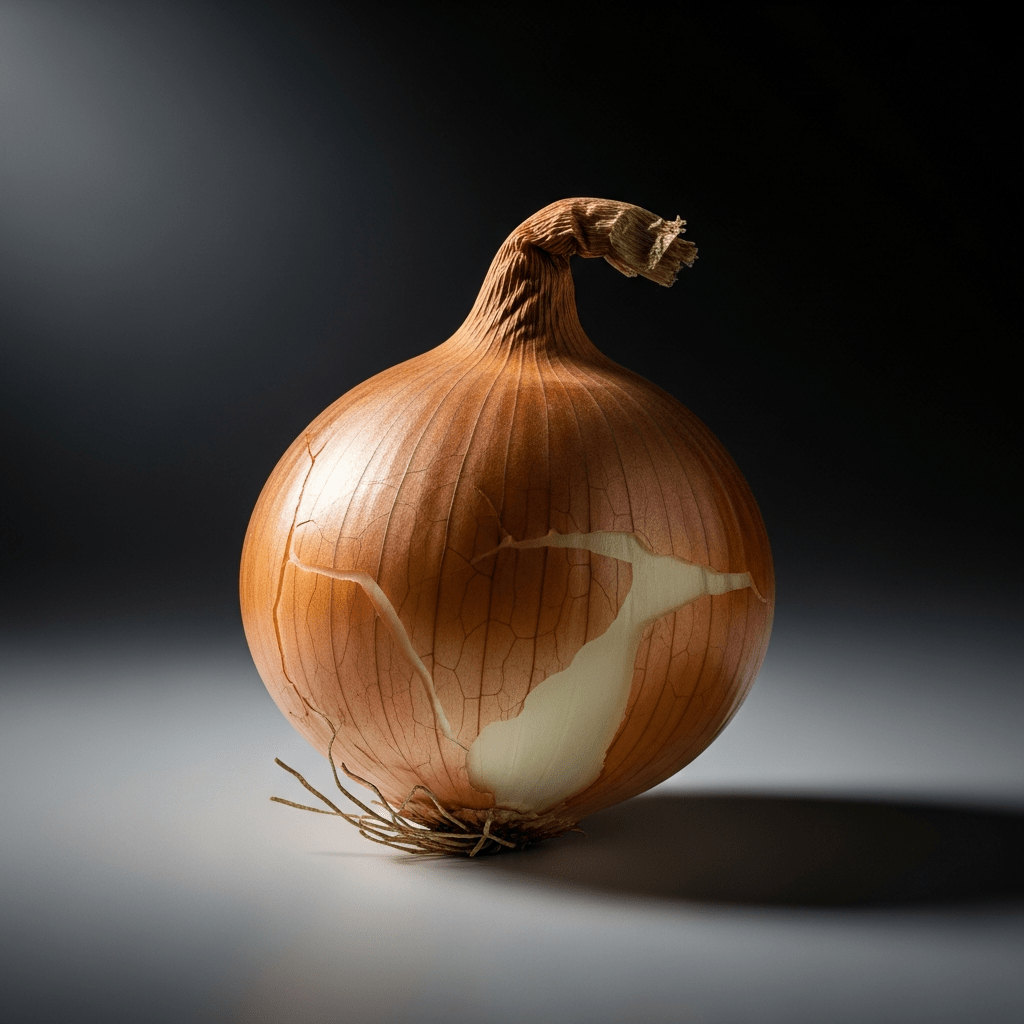
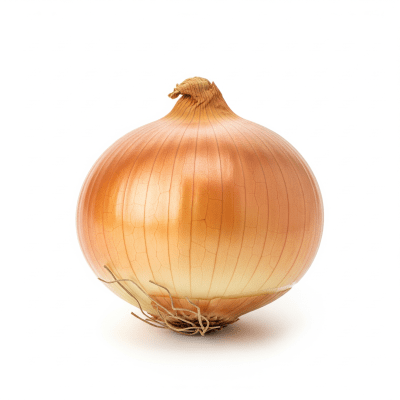
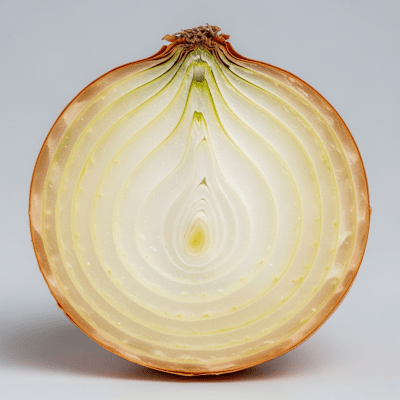
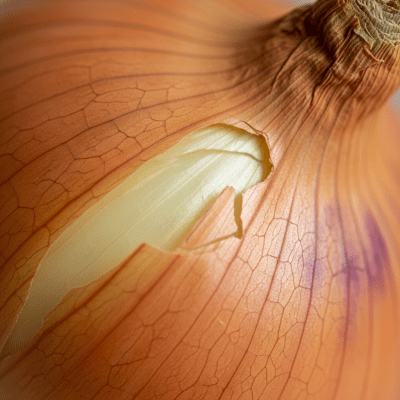
Maui onions typically have a globe-shaped bulb with a pale yellow to straw-colored thin outer skin. Their flesh is white, juicy, and medium-sized, with bulbs generally ranging from 8 to 10 centimeters in diameter. The thin skin and tender flesh contribute to their delicate texture and appealing appearance.
Known for their mildness and sweetness, Maui onions are especially suited for raw consumption, offering a crisp texture and gentle flavor. They are also versatile in cooking, commonly grilled, roasted, or caramelized. Their interaction with the unique volcanic soils of Maui enhances their sugar content and flavor, making them a sought-after ingredient in both local and mainland culinary uses.
Bring this kind into your world illustrated posters, mugs, and shirts.
Archival print, museum-grade paper
Buy Poster
Stoneware mug, dishwasher safe
Buy Mug
Soft cotton tee, unisex sizes
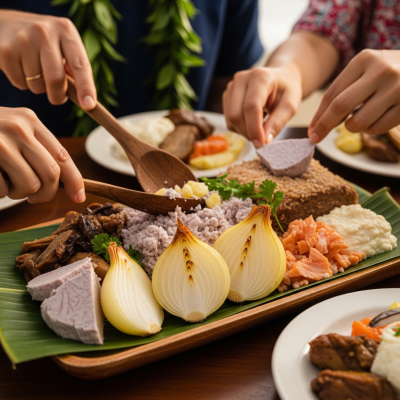
Buy ShirtIn Hawaiian cuisine, the Maui onion holds a special place as a staple ingredient, featured prominently in traditional dishes such as poke, burgers, and relishes. Its reputation as a premium sweet onion has fostered regional pride, with marketing often emphasizing the island’s volcanic terroir and the onion’s unique qualities.
Flavor Profile: Maui onions are characterized by a mild pungency and high sweetness, making them exceptionally gentle on the palate. Their low pyruvic acid content reduces sharpness, while elevated sugar levels enhance their natural sweetness. This balance results in a crisp, juicy onion ideal for fresh eating and delicate cooking applications.
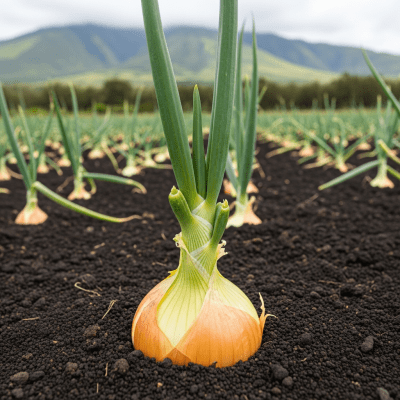
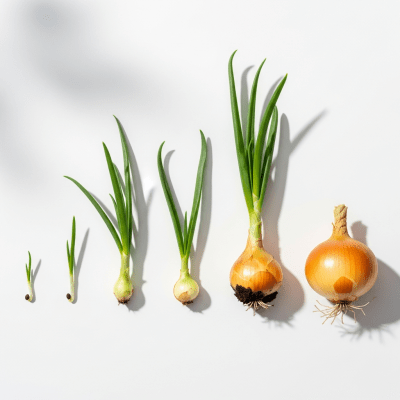
Maui onions thrive in the volcanic soils of Maui’s Kula region at elevations between 900 and 1,200 meters. They have moderate disease resistance but remain vulnerable to pests such as thrips and fungal diseases like downy mildew. The growing season peaks in spring to early summer, with harvests mainly in May and June. Due to their specialty nature, yields tend to be lower than conventional storage onions, and their storage life ranges from 2 to 3 months.
Maui onions are prized for raw applications such as salads, sandwiches, and salsas, where their mildness and sweetness shine. They also perform well when grilled, roasted, or caramelized, adding depth and subtle sweetness to dishes. They are a key ingredient in Hawaiian staples like poke and relishes, and their premium quality commands a higher price in both local and mainland markets.
Due to their thin skin and high moisture content, Maui onions have a relatively short shelf life of 2 to 3 months when stored properly in cool, dry, and well-ventilated conditions. They are not well suited for long-term storage or dehydration and are best consumed fresh to enjoy their optimal flavor and texture.
Maui onions are marketed as a premium specialty product, primarily sold within Hawaii and on the U.S. mainland. Their limited supply and short shelf life restrict large-scale processing, focusing instead on fresh market sales. Packaging often highlights their Hawaiian origin and sweet flavor profile, appealing to consumers seeking high-quality sweet onions with a unique regional identity.