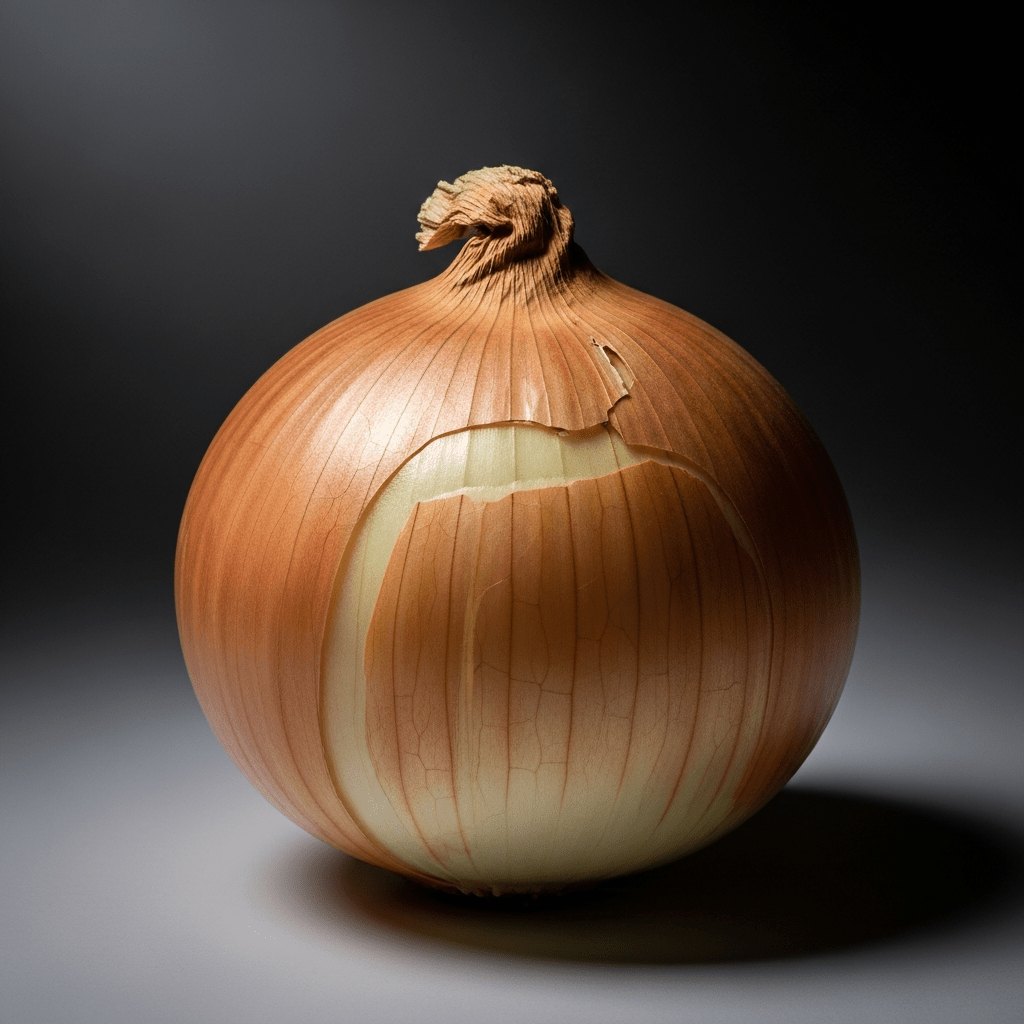
Kelsae Onion
The Kelsae onion is a distinguished exhibition variety of Allium cepa, prized for its exceptionally large globe-shaped bulbs and mild, sweet flavor.
The Kelsae onion is a distinguished exhibition variety of Allium cepa, prized for its exceptionally large globe-shaped bulbs and mild, sweet flavor.
Originating in the mid-20th century in Kelso, Scottish Borders, Scotland, the Kelsae onion was developed by local growers, notably David Robinson, who selected for bulb size and uniformity. Though its precise lineage remains undocumented, it has become a hallmark of Scottish vegetable exhibitions.
The Kelsae onion belongs to the species Allium cepa, commonly known as the bulb onion. It is classified as a long-day onion variety, cultivated primarily for exhibition and culinary use within the broader family Amaryllidaceae.
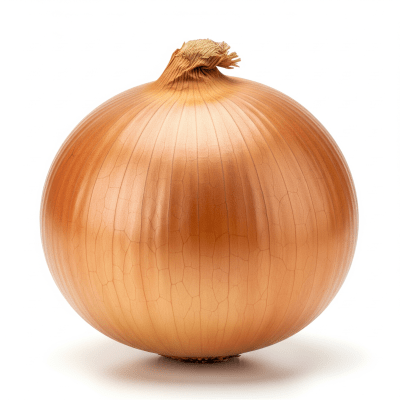
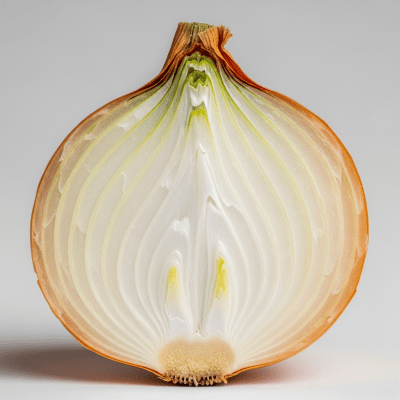
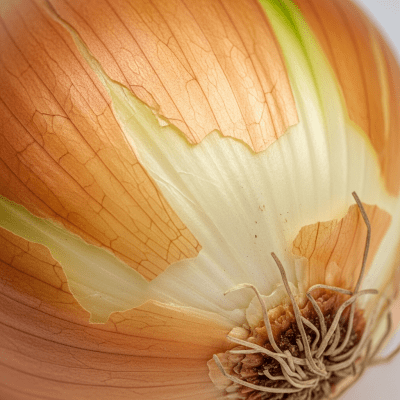
This variety features impressively large, globe-shaped bulbs ranging from 10 to 20 centimeters in diameter. Its outer skin is a pale golden-brown hue, encasing succulent white flesh that contributes to its mild and sweet character.
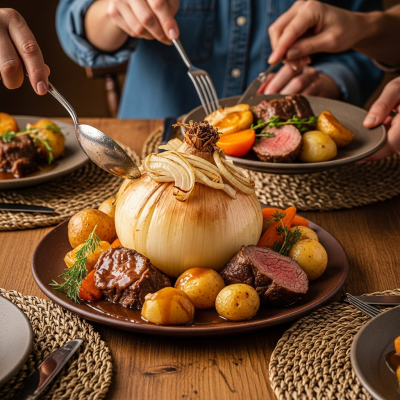
While the Kelsae onion is chiefly grown for competitive showing due to its remarkable size, it also serves culinary purposes. Its mild flavor and tender texture make it suitable for raw consumption in salads, slicing for sandwiches, or cooking in dishes that benefit from a gentle onion presence.
Bring this kind into your world illustrated posters, mugs, and shirts.
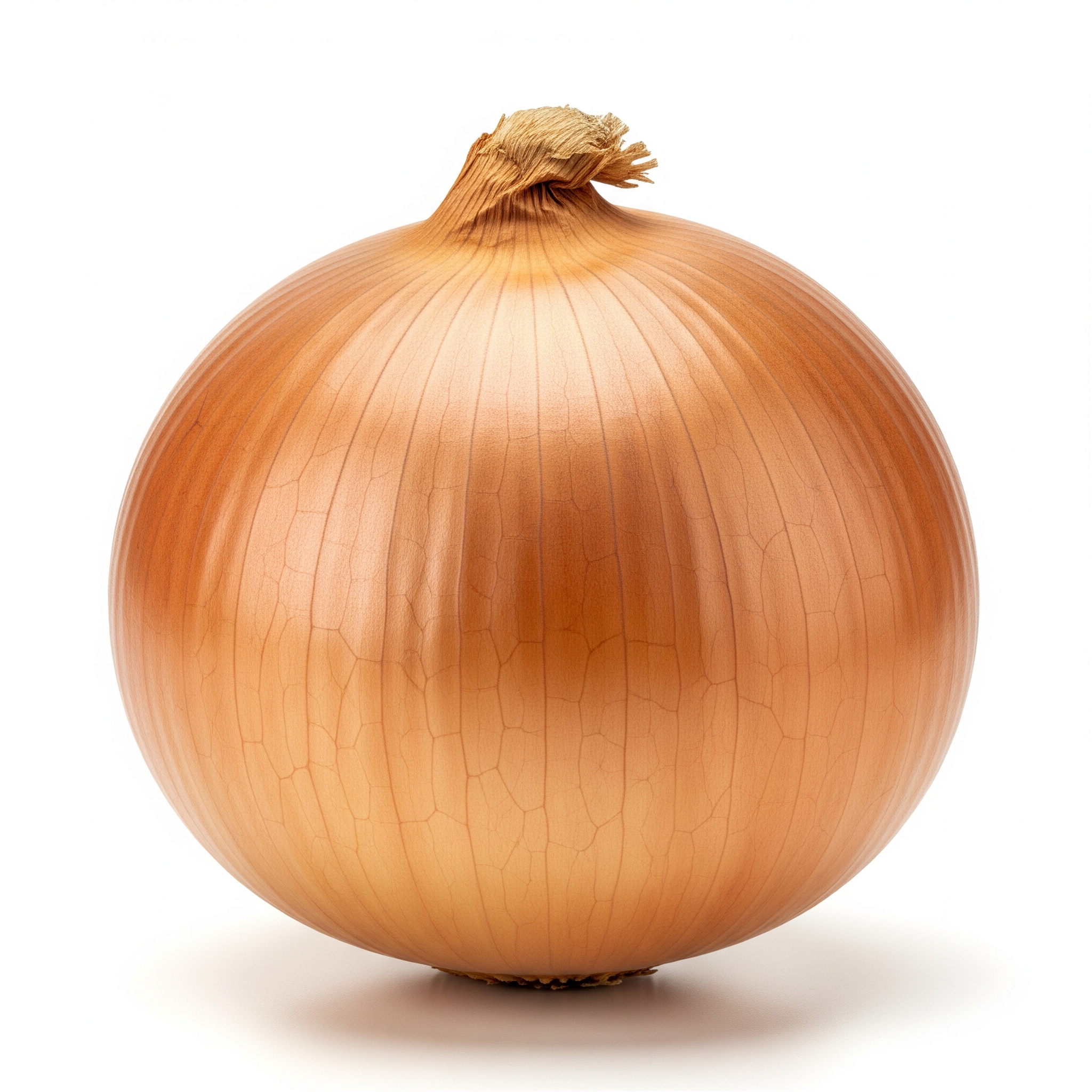
Archival print, museum-grade paper
Buy Poster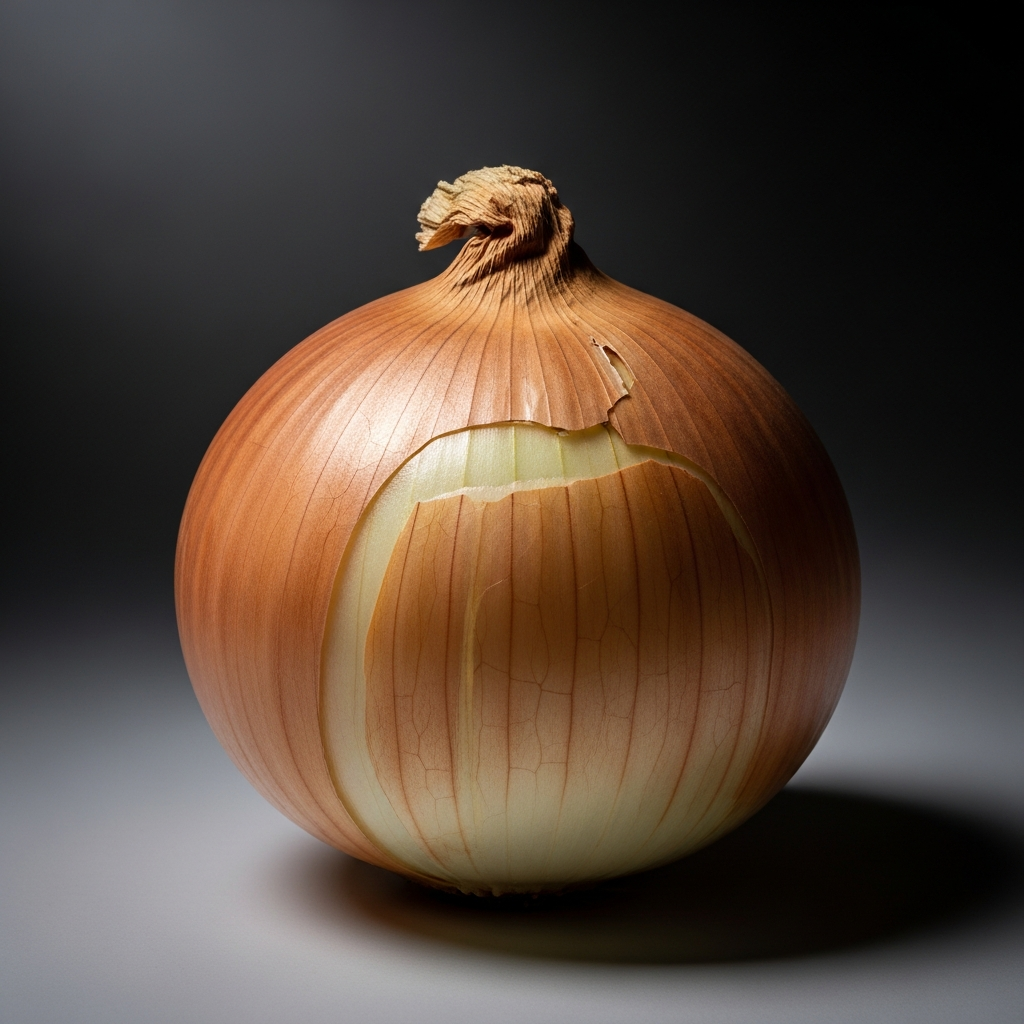
Stoneware mug, dishwasher safe
Buy Mug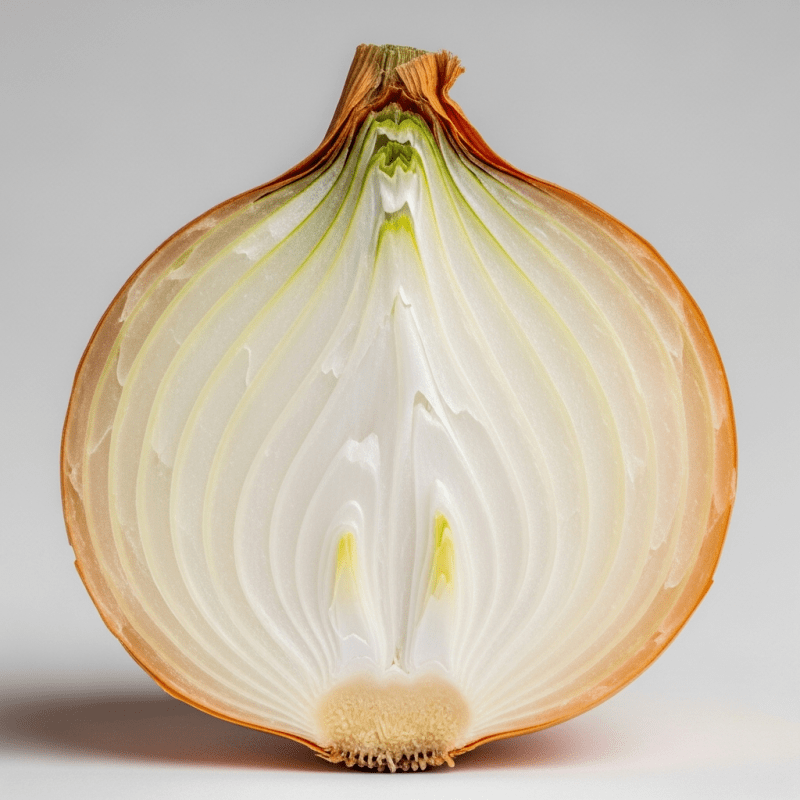
Soft cotton tee, unisex sizes
Buy ShirtDeeply rooted in Scottish horticultural tradition, the Kelsae onion is a staple of UK vegetable shows, symbolizing local agricultural pride and expertise. Its cultivation reflects a cultural appreciation for vegetable growing as both art and sport.
The Kelsae onion offers a mild pungency complemented by a high level of natural sweetness. Its flavor is gentle and approachable, making it ideal for dishes where a subtle onion taste is preferred. The low pungency is due to reduced sulfur compounds, enhancing its culinary versatility.
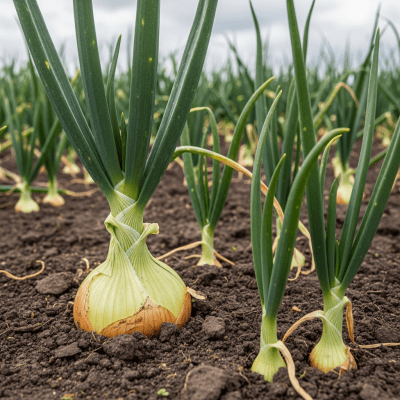
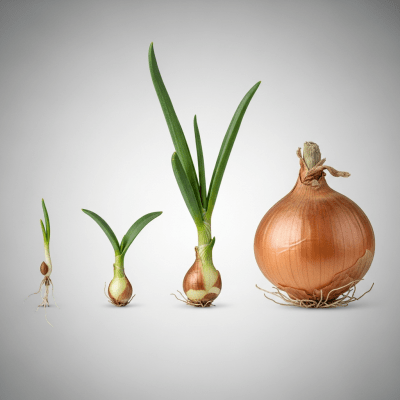
Kelsae onions are long-day varieties requiring extended daylight to form their large bulbs. They need a long growing season, often sown in late winter or early spring and harvested in late summer to early autumn. Optimal growth demands rich, well-moisturized soil. The variety has a relatively short storage life of 1 to 3 months and shows sensitivity to environmental stress, necessitating careful cultivation to achieve exhibition standards.
Though primarily grown for exhibition, the Kelsae onion is well-suited for culinary use where mild, sweet onion flavor is desired. It is commonly eaten raw in salads, sliced for sandwiches, or cooked gently to preserve its tender texture and sweetness.
Due to its high water content, the Kelsae onion has a shorter storage life than typical storage onions, lasting between one and three months under ideal cool, dry conditions. Proper curing and ventilation are essential to maximize shelf life and prevent spoilage.
Commercial production of the Kelsae onion is limited, as its cultivation demands and short storage life restrict widespread market availability. It remains popular among amateur and professional growers in the UK, especially those participating in vegetable shows. Distribution is mostly local or regional, with no significant global trade presence.