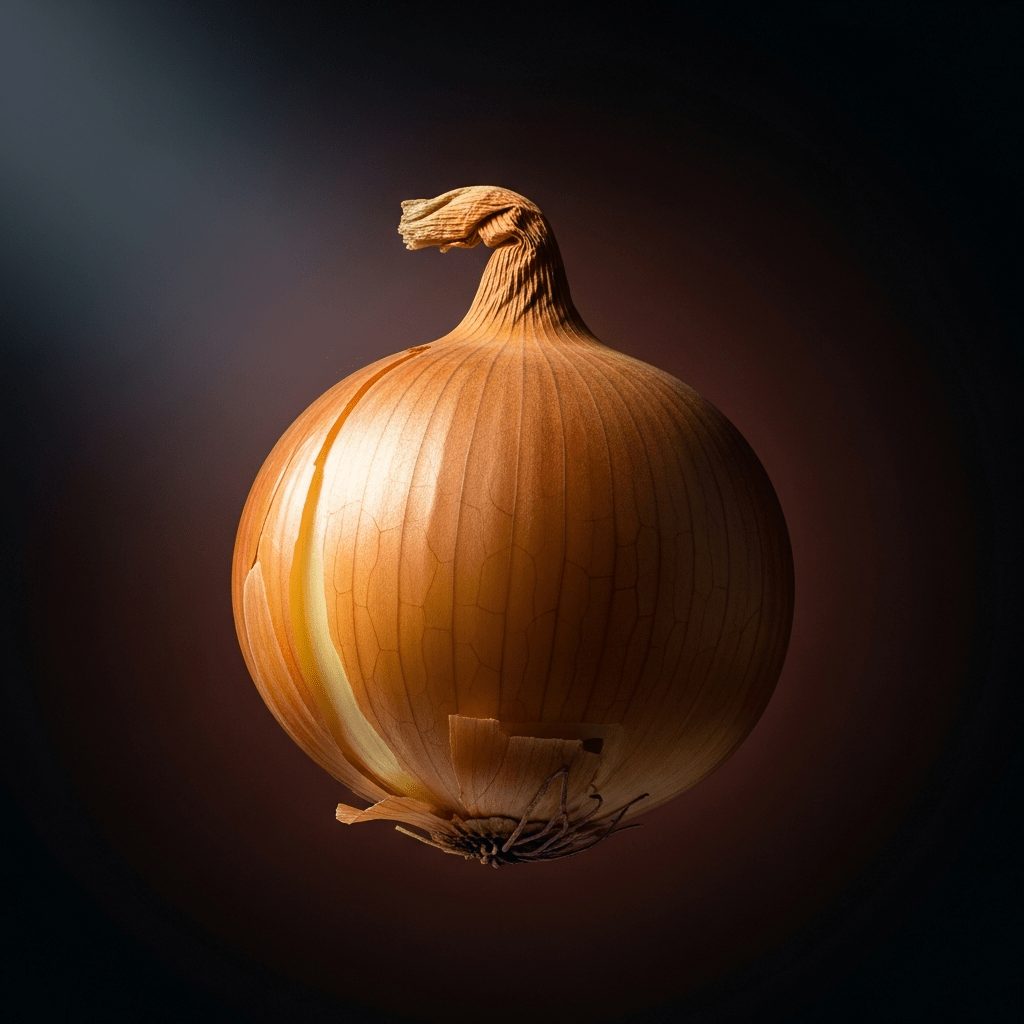
Hylander F1 Onion
The Hylander F1 onion is a commercially important hybrid cultivar of Allium cepa, prized for its yellow-brown skin, strong disease resistance, and excellent storage qualities.
The Hylander F1 onion is a commercially important hybrid cultivar of Allium cepa, prized for its yellow-brown skin, strong disease resistance, and excellent storage qualities.
Developed as an F1 hybrid by professional breeders, the Hylander onion emerged from European seed programs to meet the demands of temperate Northern and Western European climates. Although specific breeder details and release dates remain undisclosed, it has gained recognition through institutions like the Royal Horticultural Society and Euroseeds.
Hylander belongs to the species Allium cepa, commonly known as the bulb onion. It is classified as an F1 hybrid cultivar within the broader family Amaryllidaceae, fitting into the long-day onion group favored in temperate regions.
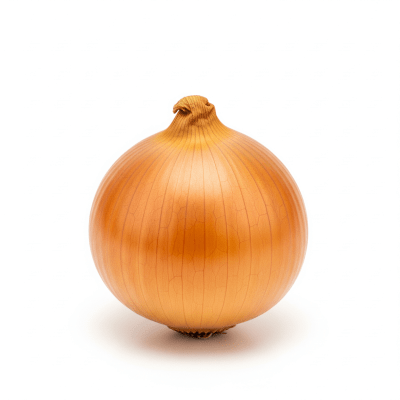
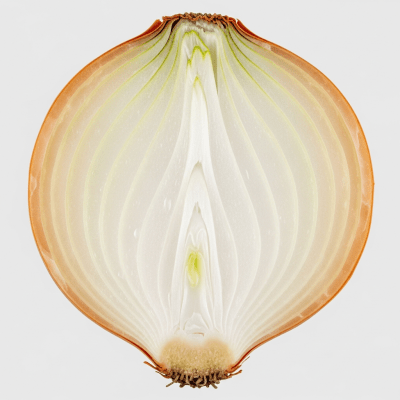
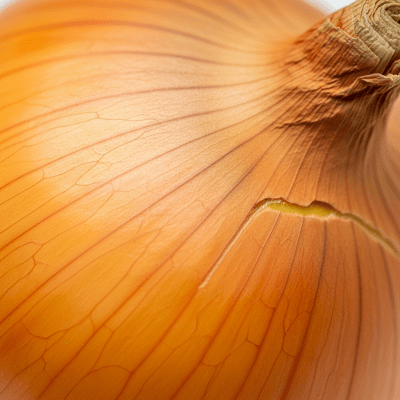
This cultivar produces medium to large globe-shaped bulbs characterized by a uniform yellow-brown outer skin and firm flesh. The bulbs exhibit a classic rounded form typical of storage onions, with a clean, attractive appearance suited for market presentation.
Hylander onions function primarily as storage onions, valued for their ability to maintain quality over extended periods post-harvest. Their firm texture and moderate pungency make them versatile for slicing, cooking, and processing, serving both commercial producers and home gardeners effectively.
Bring this kind into your world illustrated posters, mugs, and shirts.
Archival print, museum-grade paper
Buy Poster
Stoneware mug, dishwasher safe
Buy Mug
Soft cotton tee, unisex sizes
Buy ShirtWhile not tied to specific cultural traditions or protected designations, Hylander has become a staple in European horticulture and commerce, reflecting modern breeding priorities of disease resistance and storage longevity. Its recognition by prominent horticultural societies underscores its role in contemporary cultivation.
Hylander onions offer a medium level of pungency, providing a balanced sharpness without overwhelming heat. Their flavor is complemented by firm flesh that holds texture well during cooking, making them adaptable to both raw and cooked applications.
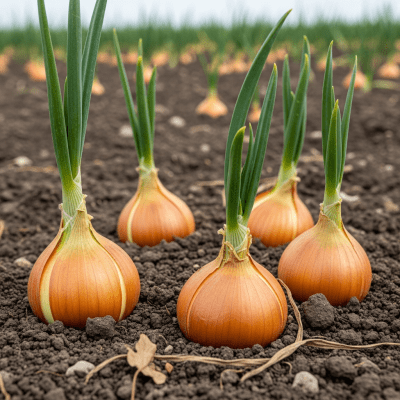
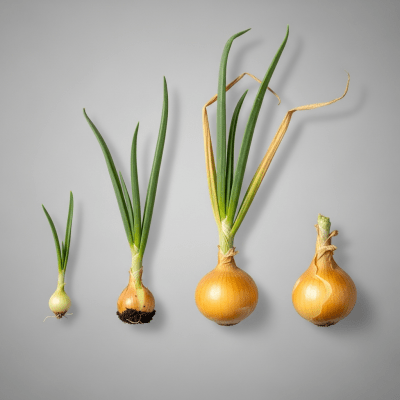
As a long-day onion, Hylander requires extended daylight hours to form bulbs, making it well-suited to temperate European regions. It demonstrates strong vigor and high yields, with notable resistance to downy mildew (Peronospora destructor). Its excellent storage life supports commercial distribution and reduces post-harvest losses.
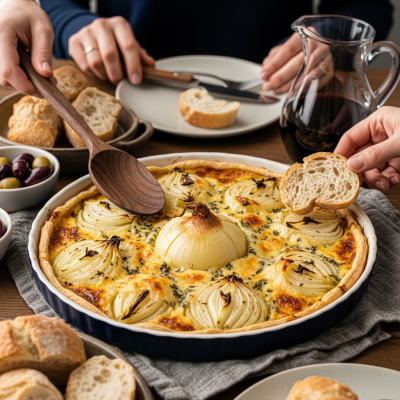
Primarily used as a storage onion, Hylander is versatile in the kitchen. Its firm texture and moderate pungency suit it for slicing fresh into salads, cooking in stews and sautés, and processing into prepared foods. It holds up well under heat, maintaining flavor and structure.
Hylander onions are prized for their extended shelf life, retaining quality for several months when stored in cool, dry, and well-ventilated conditions. Proper curing after harvest enhances their storage potential, making them ideal for commercial supply chains and home pantries alike.
Widely distributed across Northern and Western Europe, Hylander onions are favored in commercial markets for their consistent appearance, disease resistance, and transport durability. They are commonly sold as yellow storage onions and are popular among both professional growers and home gardeners seeking reliable performance.