Green Onion
Green onion refers to the immature stage of Allium cepa, harvested before the bulb fully develops, featuring long slender green stalks and a mild flavor prized in many culinary traditions.
Green onion refers to the immature stage of Allium cepa, harvested before the bulb fully develops, featuring long slender green stalks and a mild flavor prized in many culinary traditions.
Green onions are not a distinct cultivar but represent an early harvest stage of the common onion, Allium cepa. This practice of harvesting onions before bulb formation is ancient and widespread globally, with no single origin or breeder documented.
Botanically, green onions belong to the species Allium cepa and are considered immature onions rather than a separate variety. They are closely related to bulb onions but harvested early, and the term overlaps regionally with similar Allium species like scallions and spring onions.
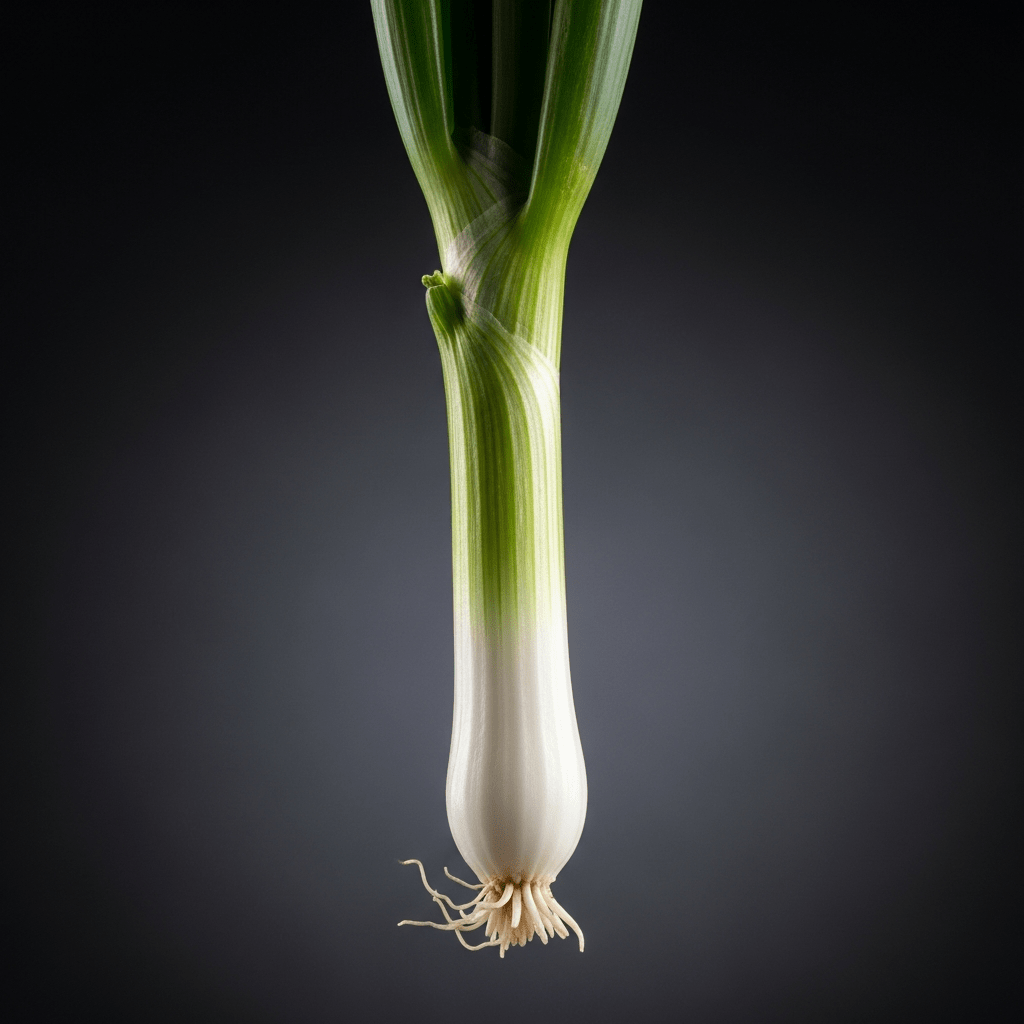
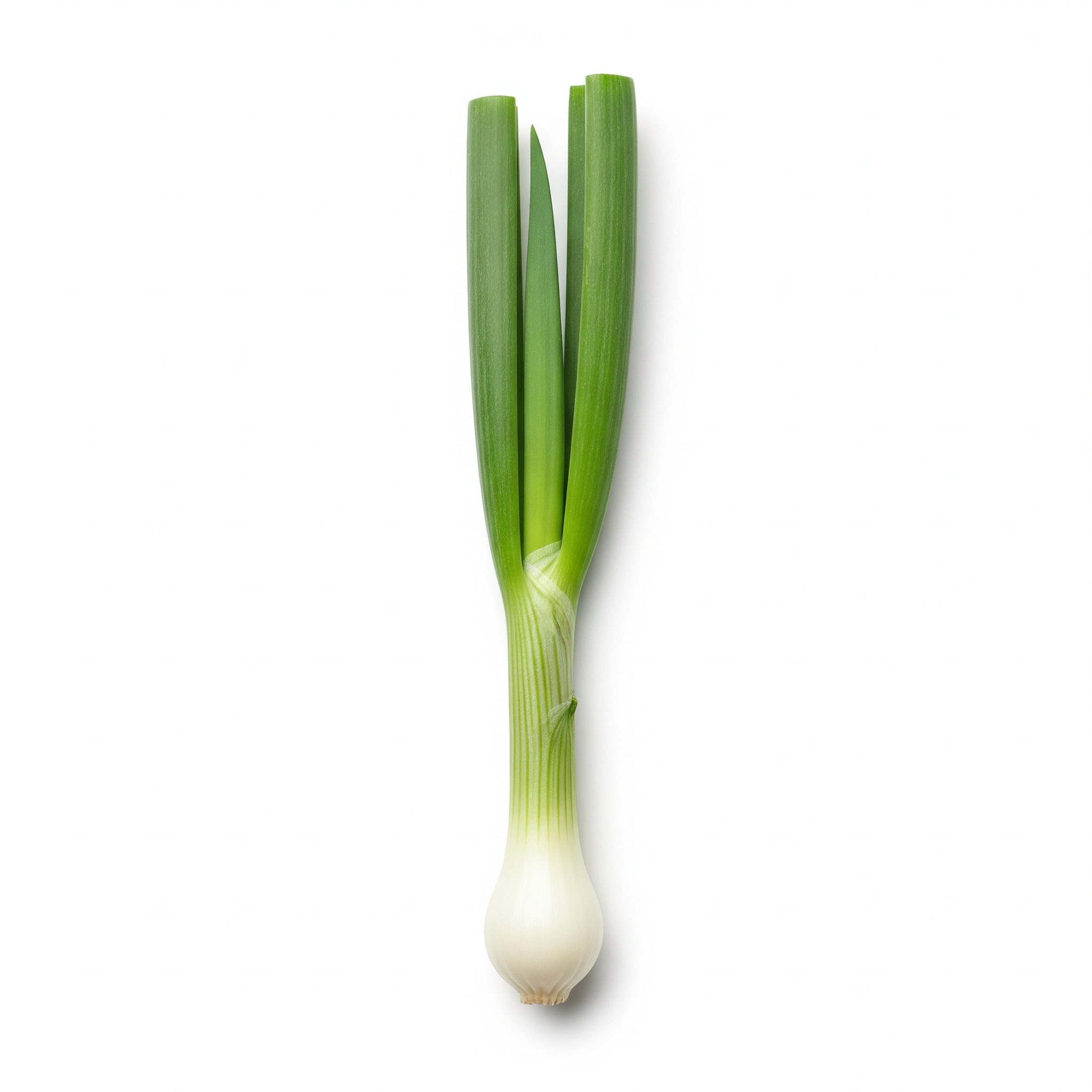
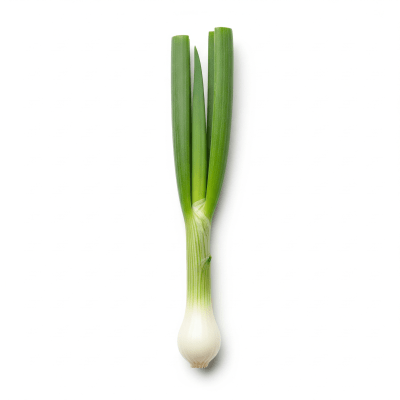
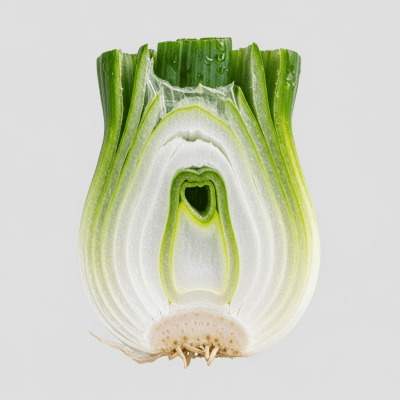
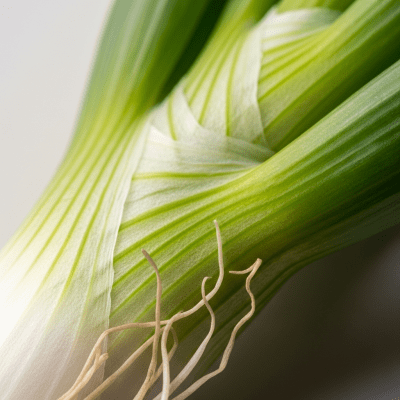
Green onions feature elongated, hollow green leaves atop a slender, undeveloped white base that has not yet formed a full bulb. Their fresh, crisp texture and bright green stalks distinguish them from mature bulb onions.
Green onions serve versatile roles in cooking, used both raw and lightly cooked. They add fresh, mild onion flavor and crispness as garnishes, salad ingredients, or aromatic bases in dishes worldwide, interacting closely with human culinary practices.
Bring this kind into your world illustrated posters, mugs, and shirts.
Archival print, museum-grade paper
Buy Poster
Stoneware mug, dishwasher safe
Buy Mug
Soft cotton tee, unisex sizes
Buy ShirtGreen onions hold cultural importance across many cuisines, notably in East Asian, Latin American, and Mediterranean cooking. Known as "cong" (葱) in Chinese cuisine, they appear frequently in traditional dishes and everyday meals, symbolizing freshness and subtle flavor.
Green onions offer a mild pungency with a fresh, subtle onion flavor. Their taste is less sharp than mature onions, making them ideal for raw use and light cooking where a gentle aromatic presence is desired.
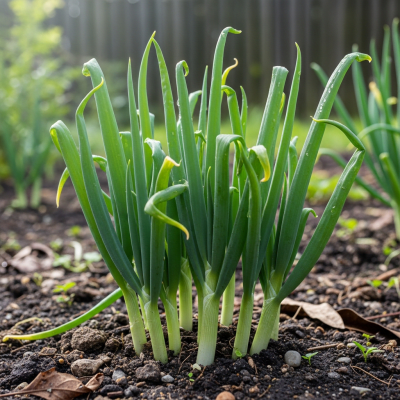

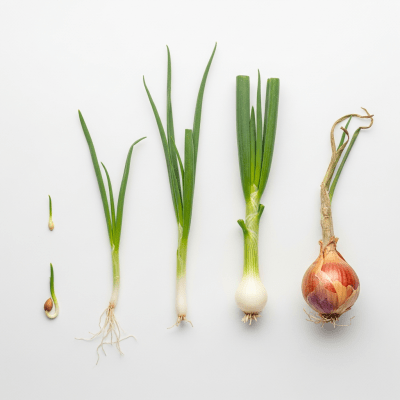
Green onions mature quickly, typically within 30 to 60 days, and can be grown from seed or sets. They tolerate cooler climates better than mature onions and are often cultivated in succession for continuous harvest. However, they are vulnerable to pests like thrips and diseases such as downy mildew and basal rot.
Widely used raw or lightly cooked, green onions enhance salads, stir-fries, soups, and serve as aromatic bases in diverse cuisines. Their tender green stalks and mild white bulbs add both flavor and texture, making them a staple garnish and ingredient worldwide.
Green onions require cool, moist storage and are not cured like mature onions. Best kept refrigerated, they maintain quality for about one to two weeks. Proper handling is essential to preserve their crispness and prevent wilting.
Green onions are commercially marketed in bunches for retail and foodservice sectors. They are a fresh product with year-round availability in some regions through protected cultivation. Unlike storage onions, they demand careful handling and refrigeration to maintain freshness during distribution.