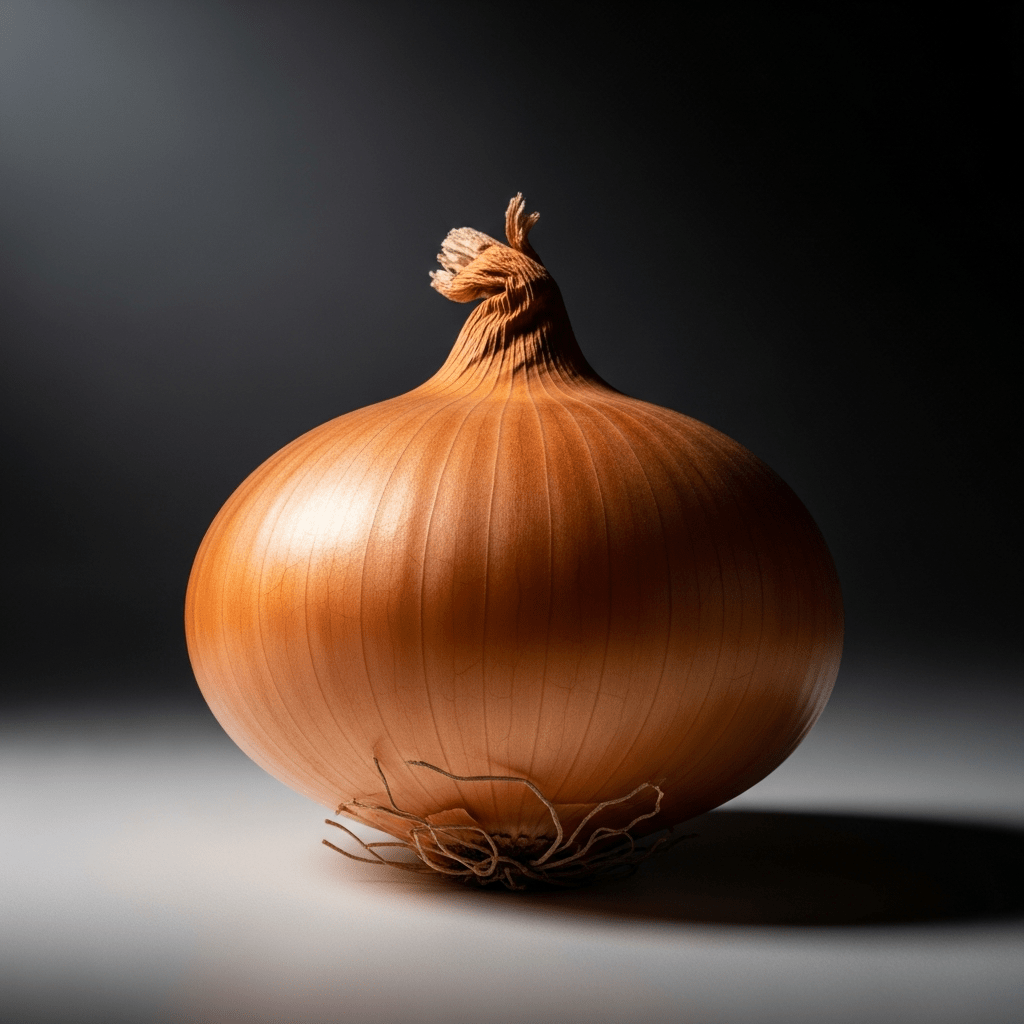
Granex Onion
The Granex onion is a sweet, short-day cultivar group of Allium cepa known for its flattened bulbs and mild, high-sugar flavor, serving as the genetic foundation for famous regional sweet onions like Vidalia and Maui.
The Granex onion is a sweet, short-day cultivar group of Allium cepa known for its flattened bulbs and mild, high-sugar flavor, serving as the genetic foundation for famous regional sweet onions like Vidalia and Maui.
Developed in the United States during the mid-20th century, the Granex onion was bred by the Georgia Agricultural Experiment Station and USDA researchers. It originated from crosses between Yellow Bermuda, White Bermuda onions, and a hybrid 434B variety, specifically adapted for the short-day growing conditions of the southeastern US.
Granex onions belong to the species Allium cepa and are classified as a short-day sweet onion cultivar group. They are part of the broader family Amaryllidaceae and represent a key commercial and culinary category within bulb onions, distinguished by their mild flavor and flattened bulb shape.
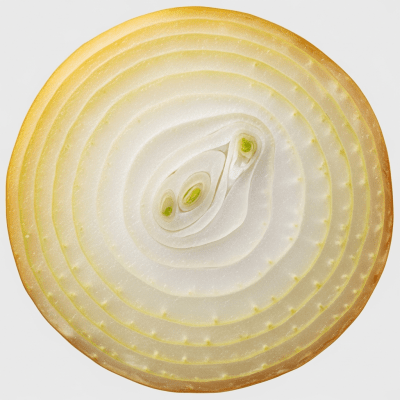
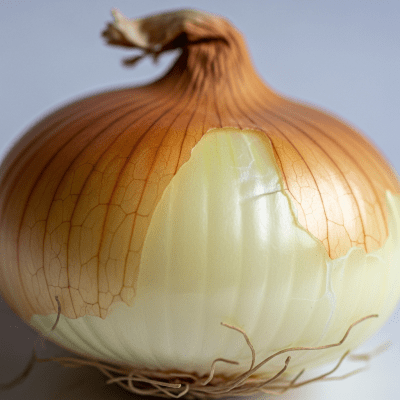
These onions feature flattened, granule-shaped bulbs typically measuring 7 to 10 centimeters in diameter. Their papery outer skin varies from yellow to white, while the inner flesh is white, tender, and crisp. The thin neck and smooth texture contribute to their distinctive form.
Granex onions function primarily as fresh-market sweet onions prized for their low pungency and high sugar content. They are best consumed raw in salads, sandwiches, and salsas, though their mild flavor also enhances cooked dishes without overpowering other ingredients.
Bring this kind into your world illustrated posters, mugs, and shirts.
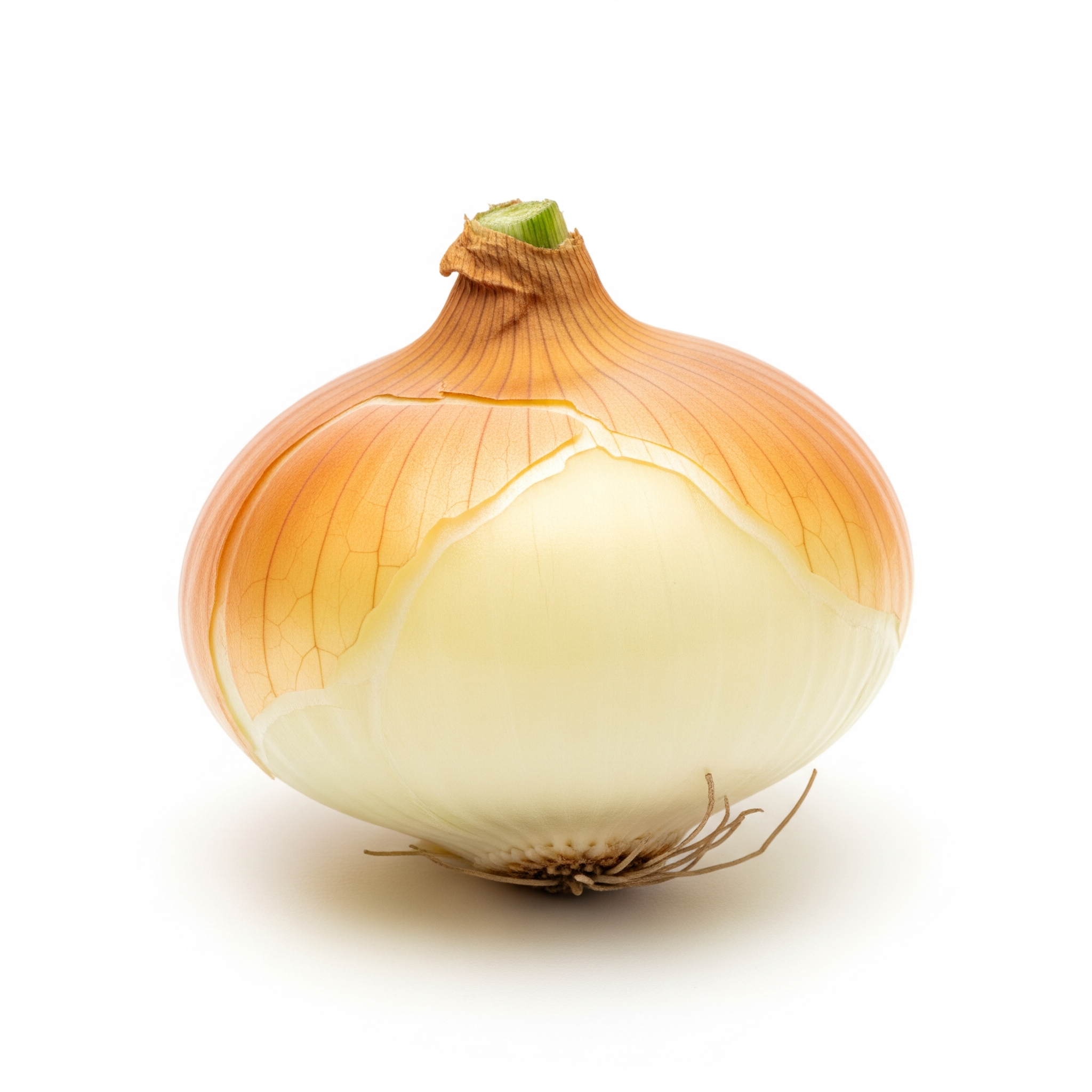
Archival print, museum-grade paper
Buy Poster
Stoneware mug, dishwasher safe
Buy Mug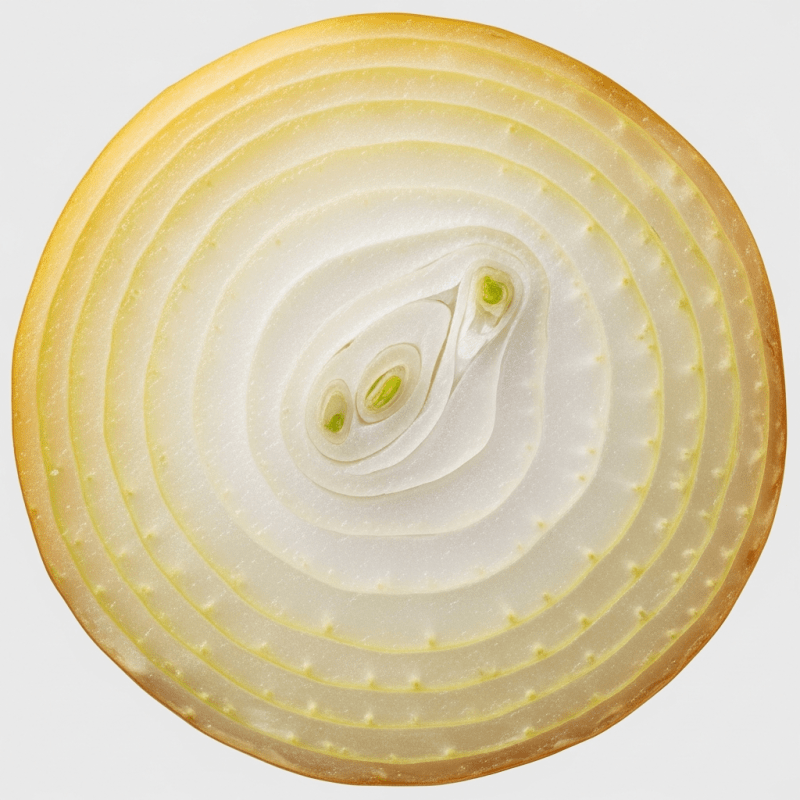
Soft cotton tee, unisex sizes
Buy ShirtAs the parent stock for renowned regional sweet onions such as Vidalia (Georgia) and Maui (Hawaii), Granex onions hold a special place in American agricultural heritage. These descendant varieties enjoy protected status and are celebrated for their unique sweetness, contributing to local identity and culinary traditions.
The Granex onion offers a mild pungency with a high level of sweetness, attributed to its low sulfur and elevated sugar content. This balance creates a gentle, crisp flavor that is less sharp than typical storage onions, making it especially appealing for raw consumption and dishes requiring subtle onion notes.
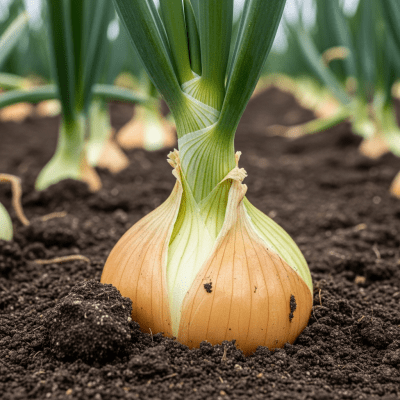
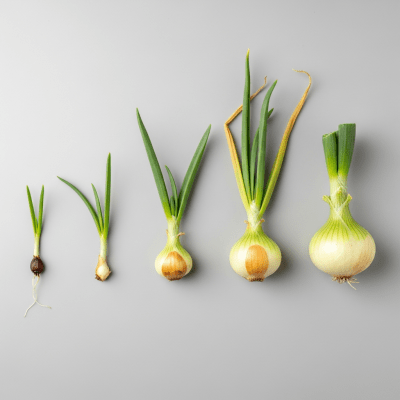
Granex onions are short-day onions, initiating bulb formation when daylight lasts between 10 and 12 hours, which suits southern US latitudes. They mature relatively early, typically within 90 to 120 days. While they produce medium to large flattened bulbs, their storage life is limited to about half to one month. Granex onions are vulnerable to fungal diseases such as Botrytis and downy mildew, necessitating attentive crop management.
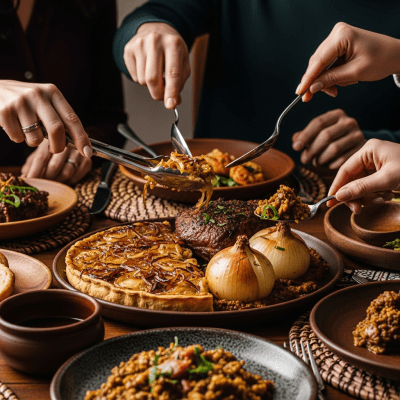
Widely favored for fresh use, Granex onions are ideal raw in salads, sandwiches, and salsas due to their sweetness and crisp texture. They also complement cooked dishes by adding mild onion flavor without overwhelming other ingredients. Their delicate nature makes them less suitable for long cooking or storage.
To maintain quality, Granex onions should be stored in cool, dry, and well-ventilated conditions. Their thin skins and mild pungency mean they have a short shelf life, typically lasting two to four weeks. They are not recommended for long-term storage or processing.
Granex onions are primarily marketed as fresh sweet onions and serve as the genetic base for premium regional varieties like Vidalia and Maui. They are commonly sold in fresh produce markets across the southeastern United States and select regions such as Hawaii and Texas. Packaging emphasizes freshness, and these onions are not generally intended for long-distance shipping or extended storage.