Globe Onion
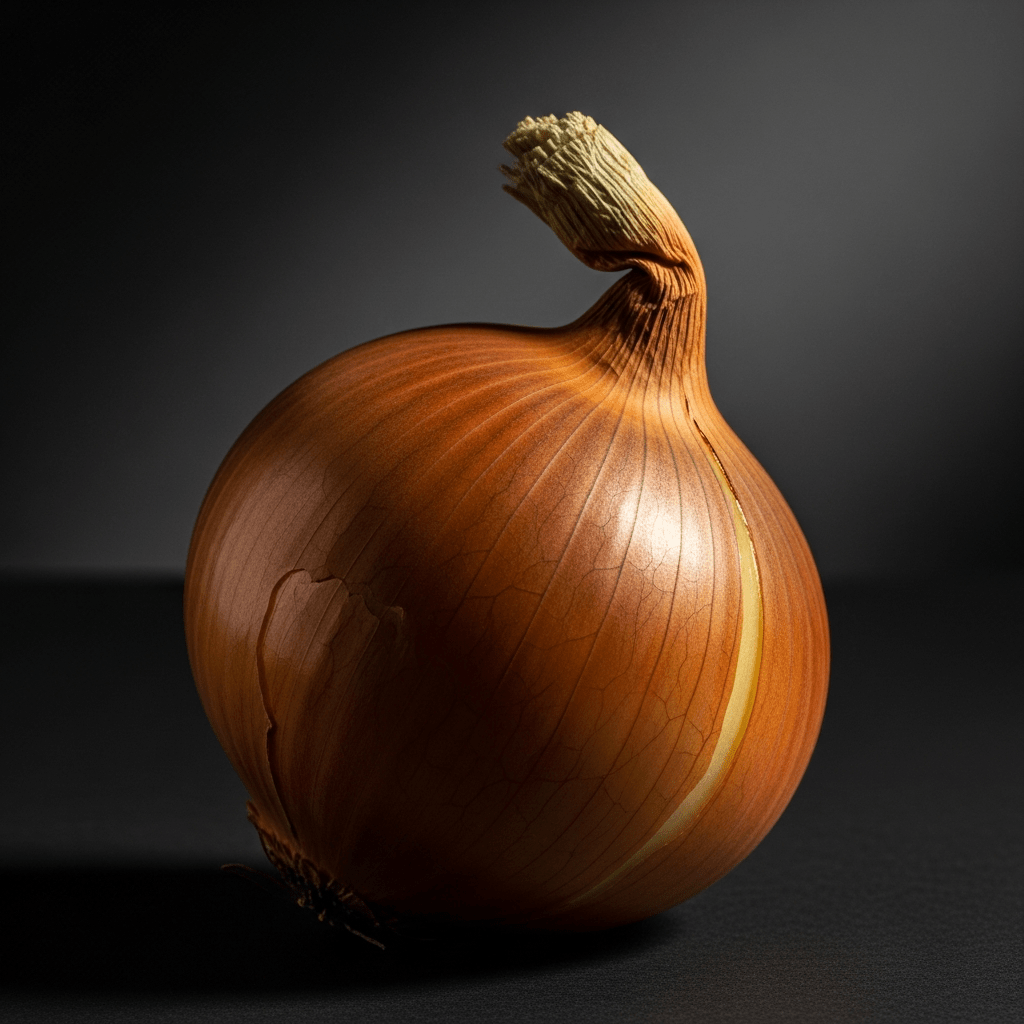
The globe onion is the classic form of Allium cepa, recognized for its rounded, slightly flattened bulb and serving as the standard reference for most culinary and agricultural onion varieties worldwide.
The globe onion is the classic form of Allium cepa, recognized for its rounded, slightly flattened bulb and serving as the standard reference for most culinary and agricultural onion varieties worldwide.
Originating from the domestication of Allium cepa in Central Asia and the Middle East thousands of years ago, the globe onion evolved through centuries of selection for uniformity and storability. Its modern commercial forms result from extensive open-pollinated and hybrid breeding efforts across the United States, Europe, and Asia, though no single breeder or lineage defines this broad, landrace-based group.
The globe onion belongs to the species Allium cepa within the Amaryllidaceae family and represents a major market class distinguished by its rounded to slightly flattened bulb shape. It encompasses the majority of yellow, red, and white onion cultivars commonly grown and consumed worldwide, setting it apart from other forms like flattened, torpedo, or specialty onions.
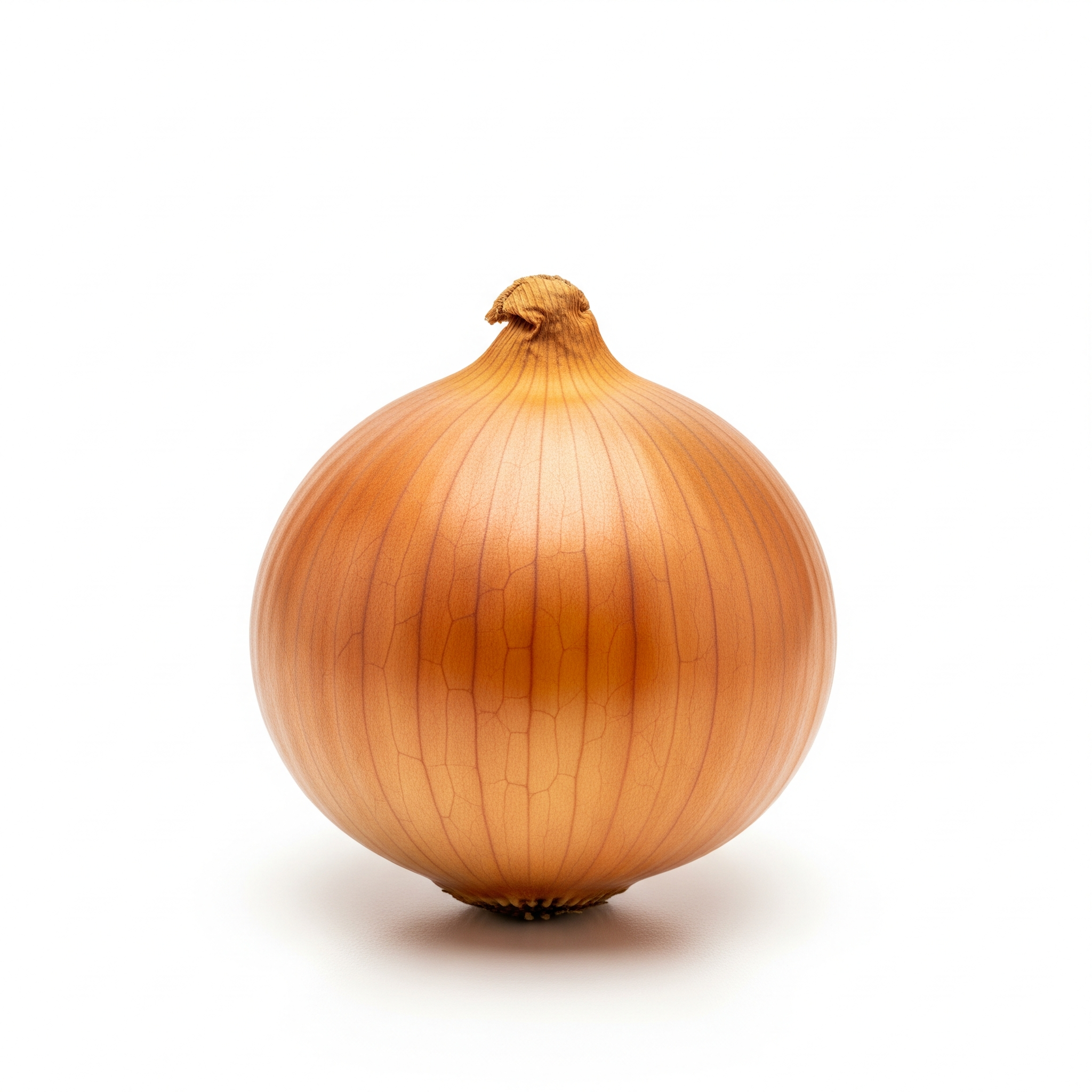
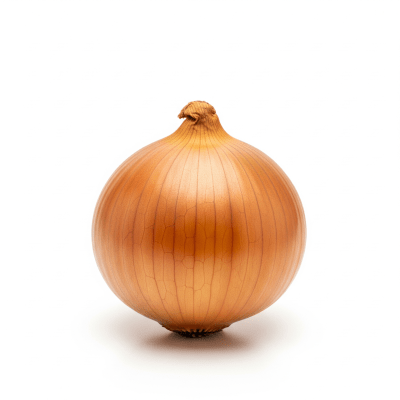
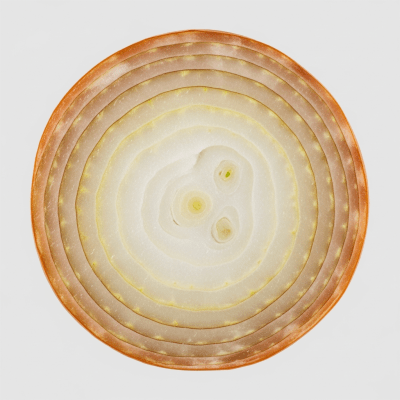
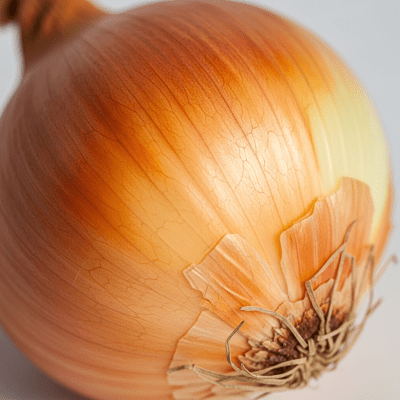
Globe onions feature bulbs that are round to slightly flattened, typically measuring between 5 and 10 centimeters in diameter. Their outer skins vary in color—yellow, red, or white—while the inner flesh remains white. The bulbs have firm, tightly layered scales and dry outer skins, contributing to their characteristic texture and storability.
Grown as annuals despite their biennial nature, globe onions adapt to diverse climates through varying daylength sensitivities, from short-day to long-day types. They produce medium to large bulbs with moderate pungency and varying sweetness depending on the cultivar. Their firm structure and flavor profile make them versatile in culinary applications and reliable for commercial cultivation with generally good disease resistance.
Bring this kind into your world illustrated posters, mugs, and shirts.
Archival print, museum-grade paper
Buy Poster
Stoneware mug, dishwasher safe
Buy Mug
Soft cotton tee, unisex sizes
Buy ShirtAs the most widely cultivated and consumed onion type, globe onions hold a central place in global food culture. They appear in countless traditional dishes and cuisines, symbolizing culinary foundation and versatility. While not tied to a specific cultural myth or protected designation, many renowned regional onions—such as Vidalia or Tropea—are globe-type cultivars, underscoring their broad cultural and economic importance.
Globe onions generally present a medium level of pungency, balancing sharpness with mild sweetness depending on the cultivar. Their flavor arises from sulfur compounds typical to Allium cepa, offering a robust yet versatile taste that suits both raw and cooked preparations.

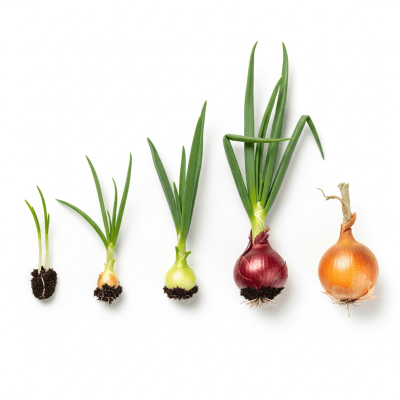
Globe onions exhibit variable photoperiod sensitivity, including short-day, intermediate, and long-day types, enabling adaptation to a wide range of growing regions. They are biennial plants cultivated as annuals, producing high yields under commercial conditions. Their bulbs typically store well for three to six months post-harvest. Disease resistance varies by cultivar but is generally moderate, supporting broad agricultural success.
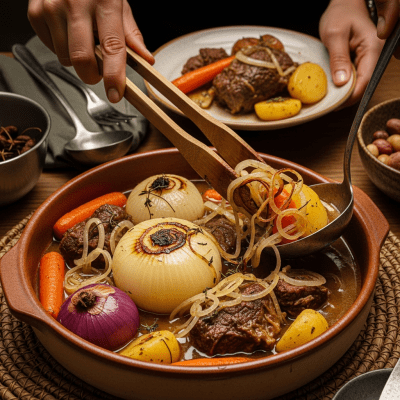
Widely embraced in global cuisine, globe onions are used raw, cooked, and processed. Yellow globe onions are prized for cooking and caramelization, red types are favored fresh in salads and garnishes, and white varieties are common in Latin American and Mediterranean dishes. They form the flavor base for soups, stews, sautés, and countless recipes.
To maximize shelf life, globe onions should be stored in cool, dry, and well-ventilated environments. Their firm, dry skins help protect the bulbs, allowing storage durations of three to six months under optimal conditions. Avoiding moisture and excessive heat is key to preventing spoilage and sprouting.
Globe onions dominate fresh market sales and processing sectors worldwide, including dehydration, freezing, and canning industries. Their storability and versatility make them the principal onion type for year-round supply. Commercial trade involves various packaging methods suited to regional and export markets, with major production centers spanning multiple continents.