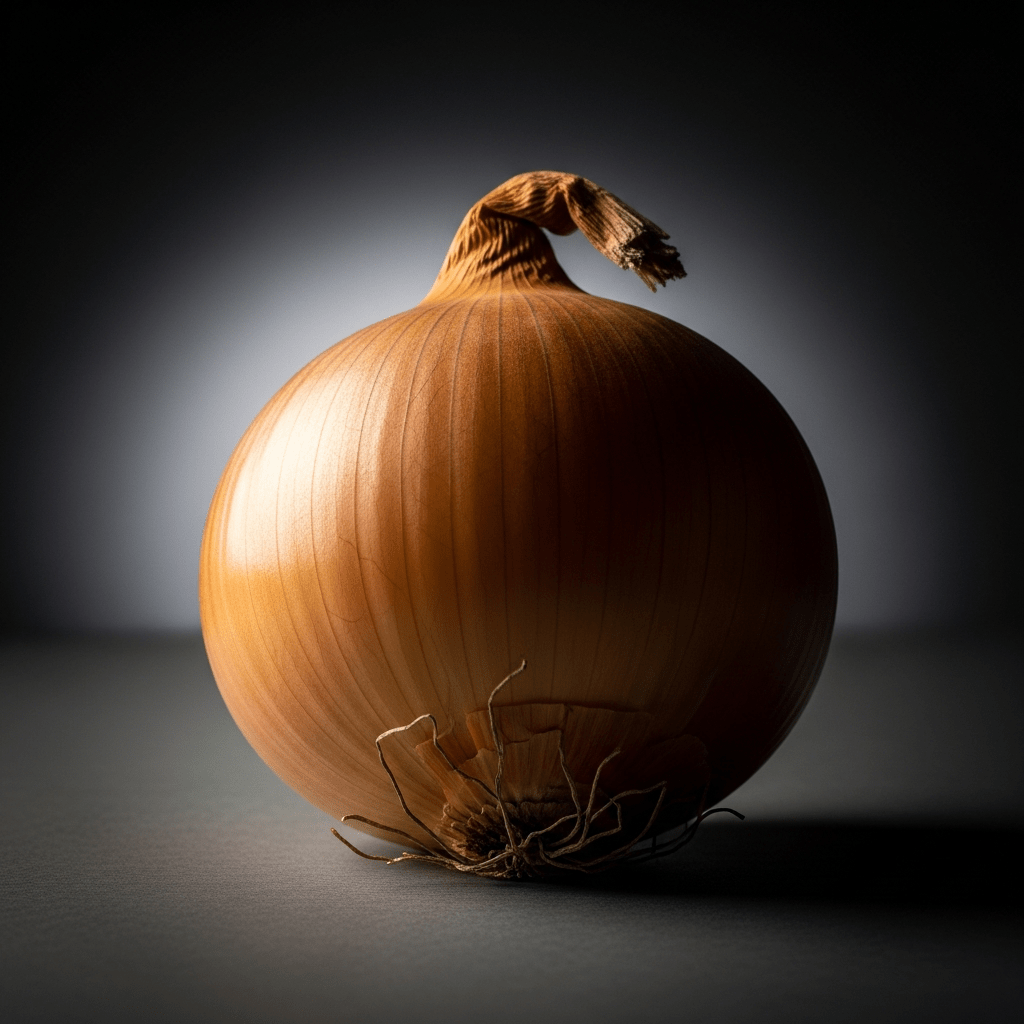
Ebenezer Onion
The Ebenezer onion is a historic yellow storage onion cultivar known for its round shape, pungent flavor, and dependable long-term storage qualities.
The Ebenezer onion is a historic yellow storage onion cultivar known for its round shape, pungent flavor, and dependable long-term storage qualities.
Originating in the United States during the late 1800s, the Ebenezer onion emerged as a selection from open-pollinated yellow onions. Though its exact breeder and lineage remain undocumented, it gained popularity through seed catalogs from the 1870s onward, becoming a staple in American agriculture and kitchens through the mid-20th century.
Botanically classified as Allium cepa, the Ebenezer onion belongs to the yellow storage onion market class. It is part of the broader family Amaryllidaceae and represents a traditional cultivar selected for its storage and field performance rather than hybrid breeding.
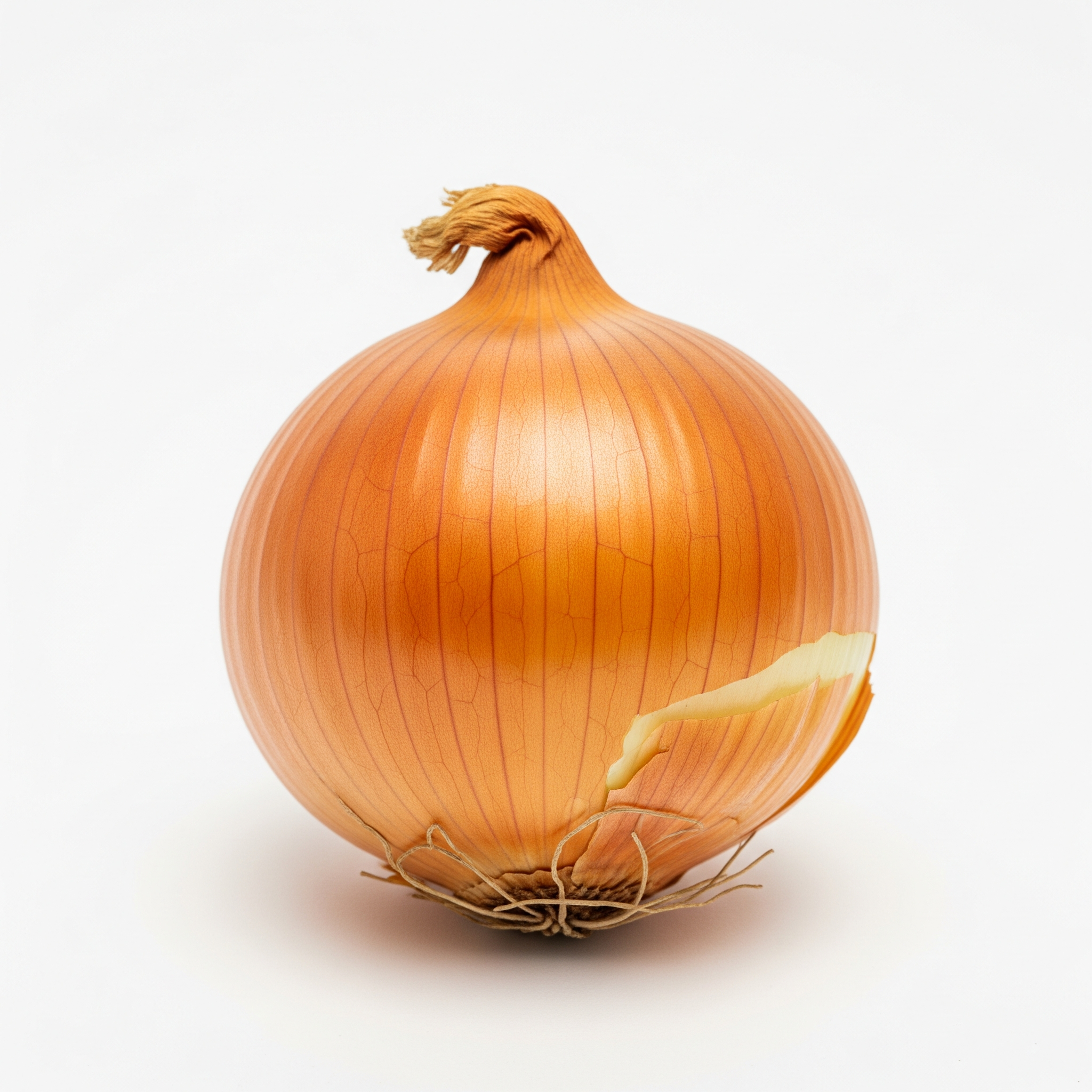
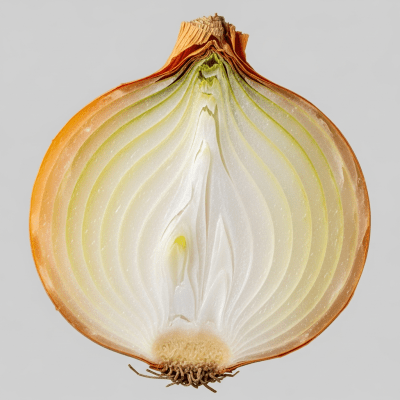
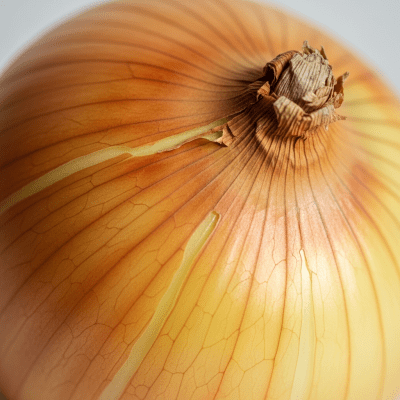
The Ebenezer onion features a medium to large, globe-shaped bulb with firm, dry yellow-brown skin and crisp white flesh. Its form is typical of classic storage onions, combining a robust outer layer with a clean, bright interior.
Primarily valued for its function as a storage onion, Ebenezer performs reliably across diverse temperate climates. Its pungent flavor and firm texture make it well-suited for cooking applications, while its ability to store for several months supports winter use. Though hardy, it is susceptible to common onion diseases such as downy mildew and neck rot.
Bring this kind into your world illustrated posters, mugs, and shirts.
Archival print, museum-grade paper
Buy Poster
Stoneware mug, dishwasher safe
Buy Mug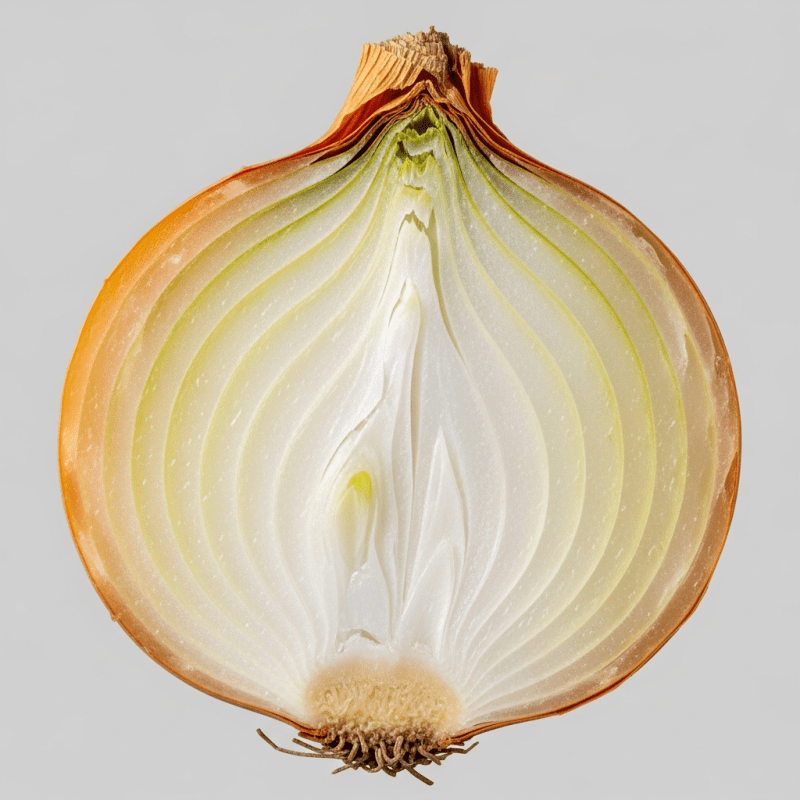
Soft cotton tee, unisex sizes
Buy ShirtOnce a common fixture in American kitchens and small-scale farms, the Ebenezer onion reflects a period of agricultural tradition focused on durable, pungent storage onions. While less prevalent today, it remains a reference point among heirloom varieties, symbolizing the legacy of 19th-century American onion cultivation.
The Ebenezer onion delivers a strong, pungent flavor characterized by robust sulfur compounds typical of yellow storage onions. This sharpness makes it ideal for cooked dishes where its intensity mellows and enriches the flavor profile.
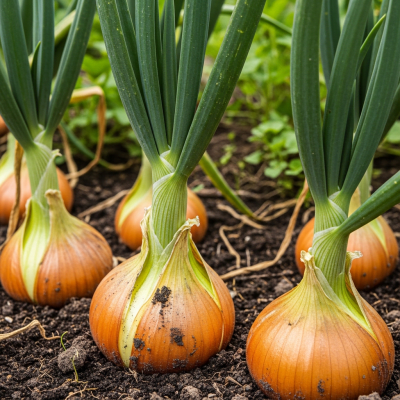

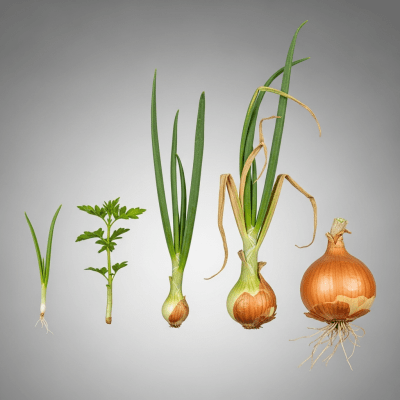
Ebenezer onions thrive in temperate regions across northern and central United States, demonstrating adaptability and moderate resistance to bolting. While specific day-length sensitivity and maturation periods are undocumented, the cultivar is known for reliable yields and a storage life of three to six months. However, it remains vulnerable to fungal diseases such as downy mildew and neck rot, with no documented genetic resistances.
Traditionally, Ebenezer onions are used primarily in cooked preparations such as soups, stews, and sautés where their pungency enhances depth of flavor. Their firm texture and long storage capability made them a kitchen staple for winter months. They are less favored for raw consumption due to their sharp taste.
Ebenezer onions store best in cool, dry, and well-ventilated environments, allowing them to maintain quality for three to six months. Proper curing after harvest is essential to extend shelf life and reduce susceptibility to fungal infections.
Historically marketed as a dependable storage onion, Ebenezer was popular among home gardeners and small-scale farmers in northern and central United States. While no longer widely cultivated commercially, it remains recognized in heirloom seed catalogs and specialty markets focused on traditional varieties.