Creole Onion
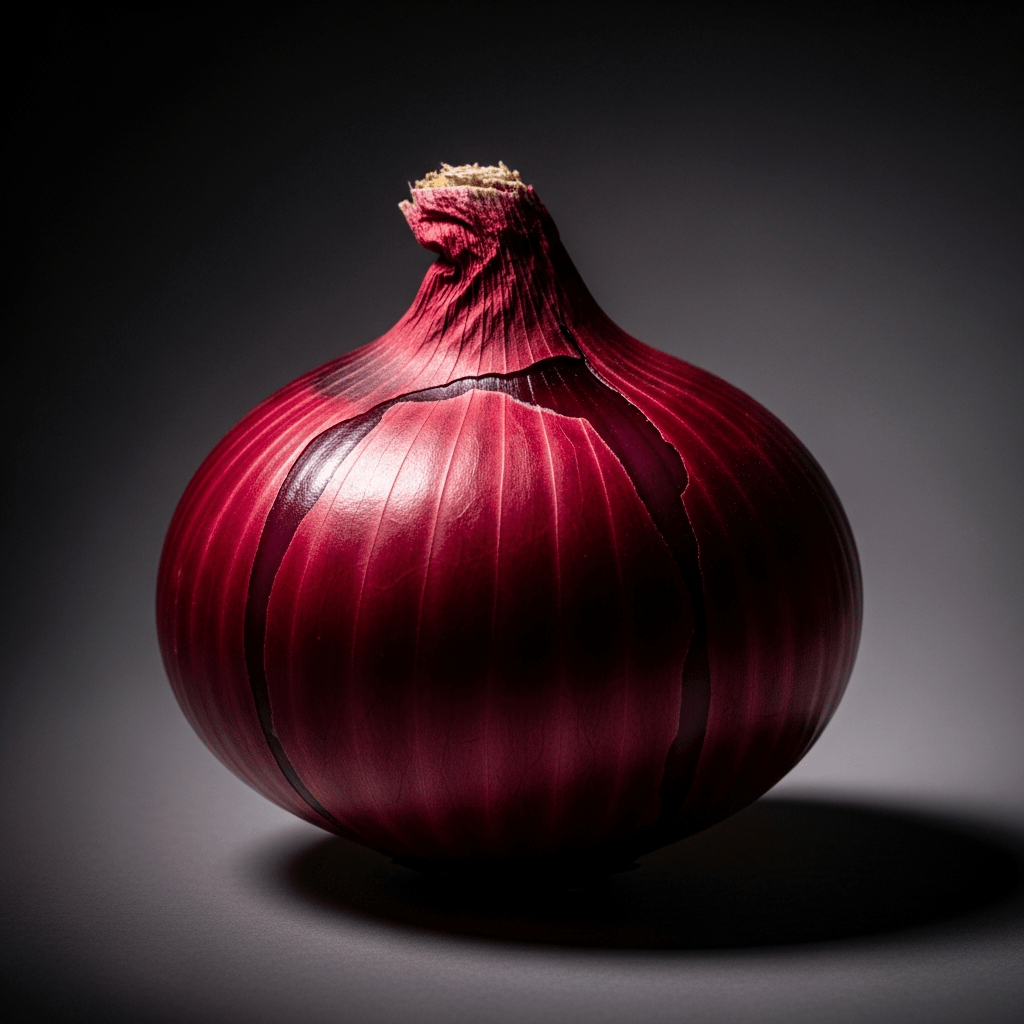
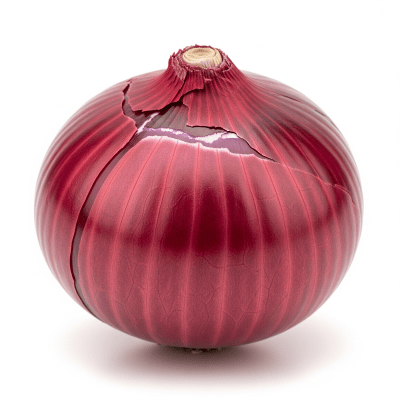
The Creole onion is a distinctive cultivar of Allium cepa adapted to warm climates, recognized for its red to reddish-brown skin, strong pungent flavor, and medium-sized, flattened-globe shaped bulbs.
The Creole onion is a distinctive cultivar of Allium cepa adapted to warm climates, recognized for its red to reddish-brown skin, strong pungent flavor, and medium-sized, flattened-globe shaped bulbs.
Originating in the southern United States with cultivation dating back to the early 20th century, the Creole onion also thrives in parts of Latin America. It arose from open-pollinated selections of Allium cepa bred for heat tolerance and storage, though its precise breeding history remains undocumented.
The Creole onion belongs to the species Allium cepa, commonly known as the bulb onion. It is classified as a warm-climate cultivar within the broader group of red-skinned onions, distinguished by its adaptation to southern U.S. and Latin American growing conditions.
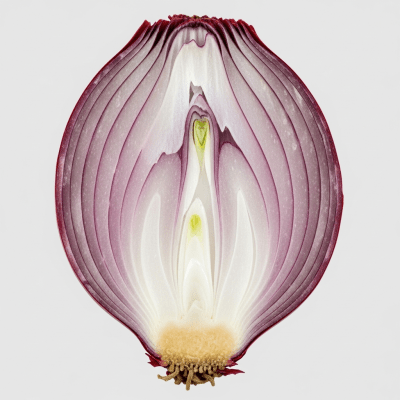
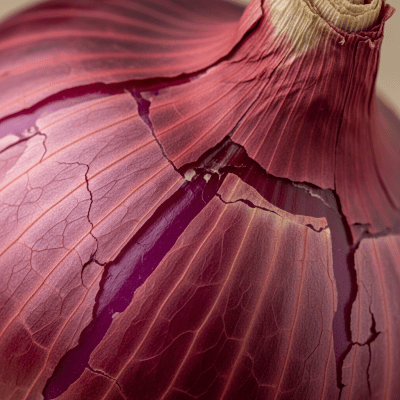
Creole onions feature medium-sized bulbs with a rounded to slightly flattened-globe shape. Their outer skin ranges from red to reddish-brown, while the inner flesh is white to pale pink. This combination gives them a striking visual contrast and a firm texture.
Valued for their robust flavor and heat tolerance, Creole onions perform well in warm, humid environments and resist bolting under high temperatures. They mature relatively early and store moderately well, making them practical for both growers and consumers in their native regions.
Bring this kind into your world illustrated posters, mugs, and shirts.
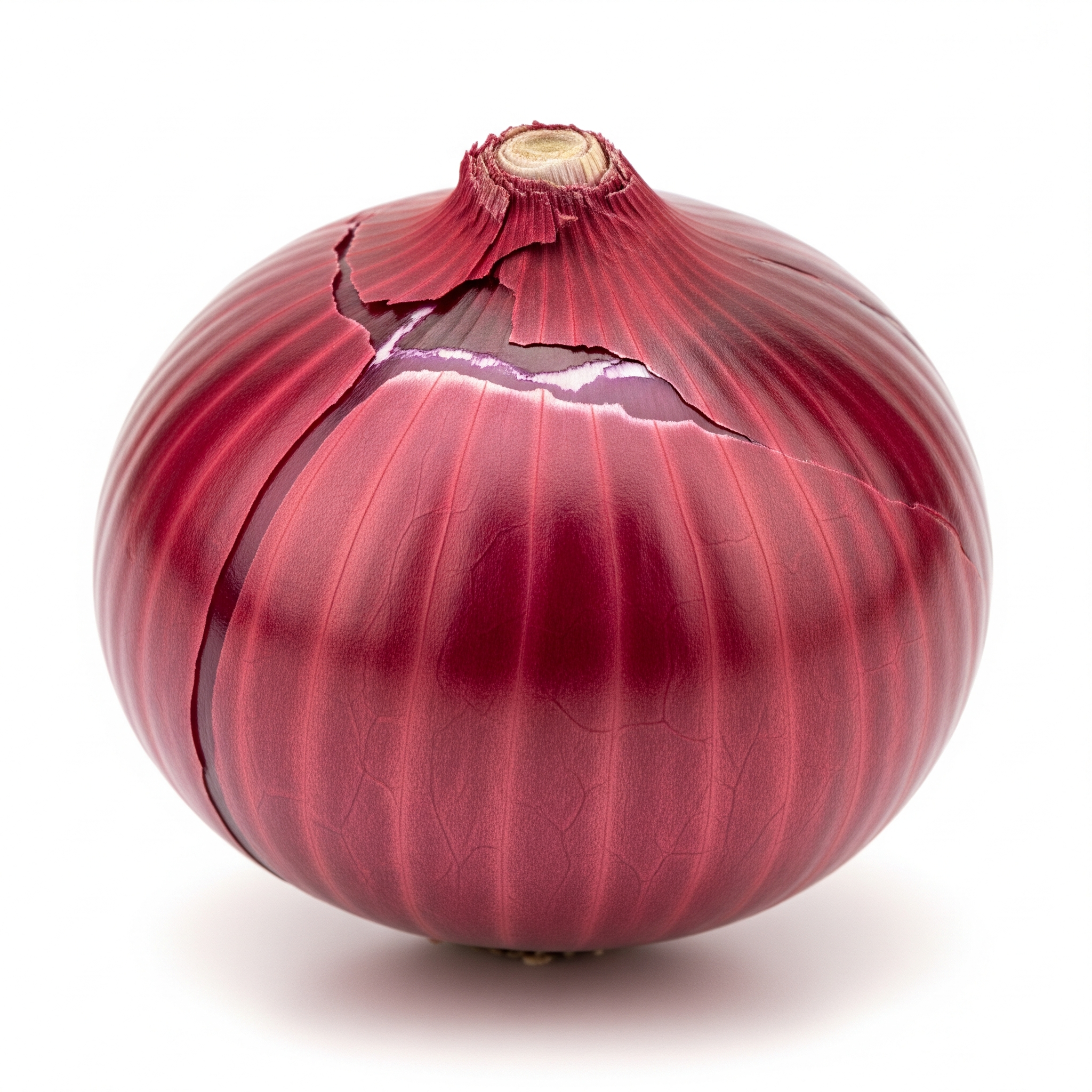
Archival print, museum-grade paper
Buy Poster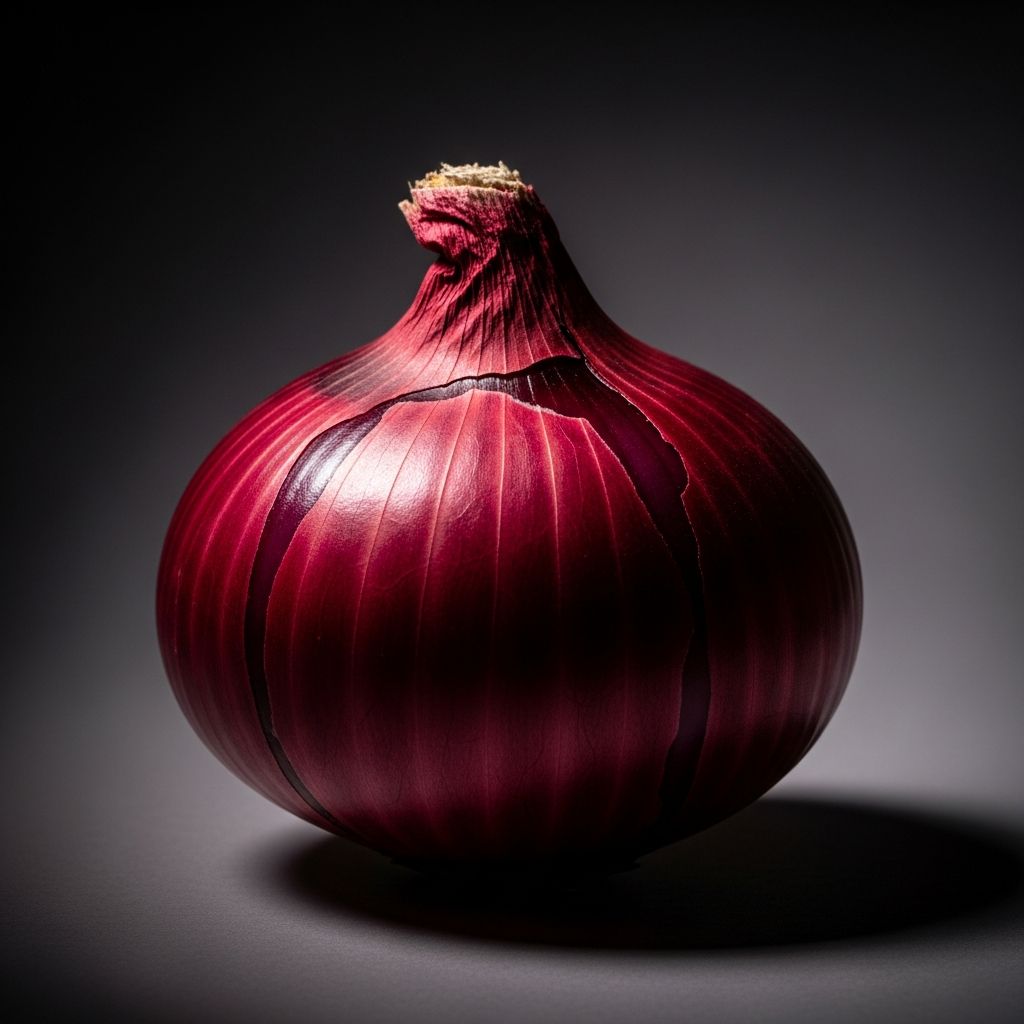
Stoneware mug, dishwasher safe
Buy Mug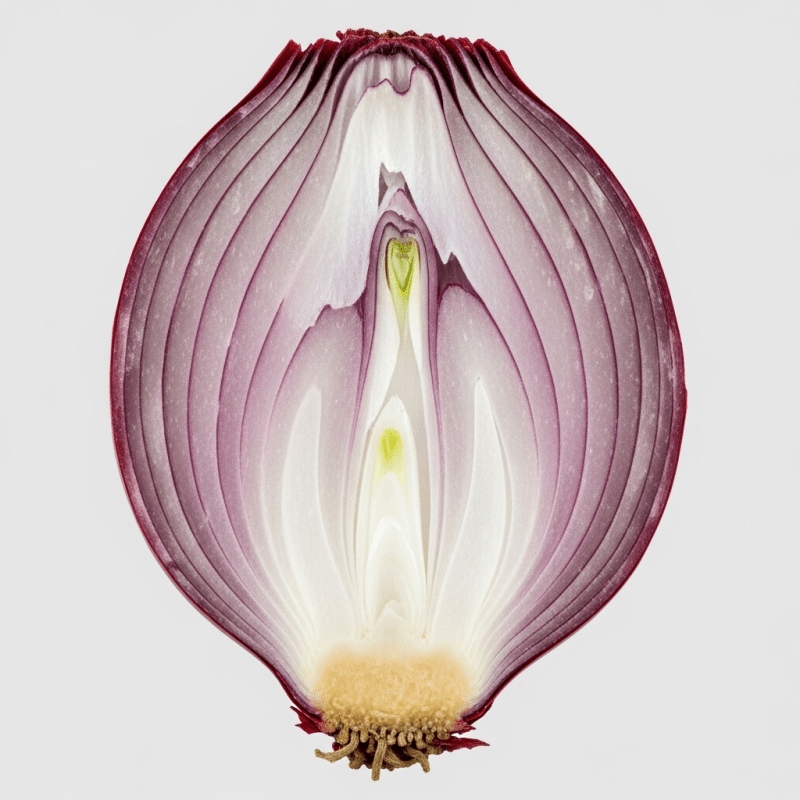
Soft cotton tee, unisex sizes
Buy ShirtEmbedded in southern U.S. and Latin American culinary traditions, Creole onions hold heritage status especially in Louisiana and neighboring states. They contribute essential flavor to iconic dishes like gumbo and étouffée, symbolizing regional identity and culinary heritage.
The Creole onion is known for its strong pungency, delivering a robust and sharp flavor that stands out in cooking. This intensity is driven by sulfur compounds typical of Allium cepa, making it a flavorful choice for dishes that benefit from pronounced onion notes.
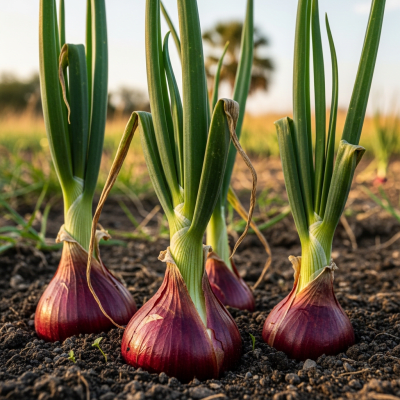
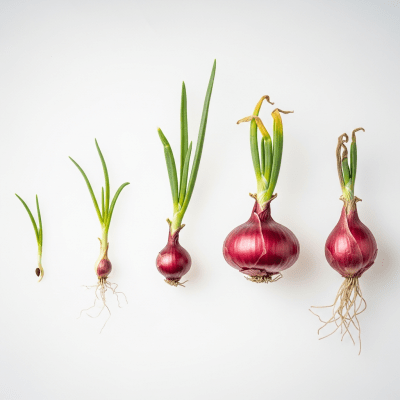
Creole onions thrive in warm, humid climates and exhibit variable day-length sensitivity, allowing flexible cultivation schedules. They mature relatively early and yield moderately to highly under optimal conditions. While they show moderate disease resistance, they remain vulnerable to pests like thrips and diseases such as downy mildew. Their storage life ranges from 2 to 4 months when properly cured and stored.
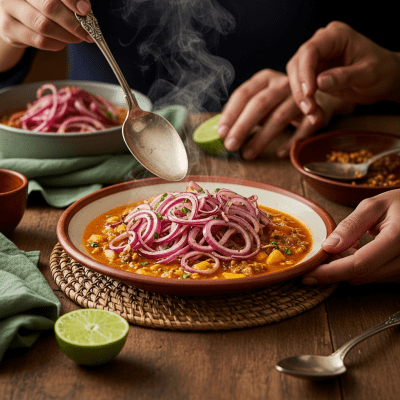
Widely used in southern U.S. and Latin American cuisines, Creole onions are essential for dishes requiring a bold onion flavor, including gumbo, étouffée, and various salsas. Their firm texture and pungency make them versatile for raw consumption, sautéing, roasting, and pickling.
To maximize shelf life, Creole onions should be stored in a cool, dry, and well-ventilated environment. Proper curing after harvest enhances their storage potential, which typically ranges from two to four months before quality declines.
Creole onions are primarily marketed fresh within regional markets of the southern United States and Latin America. They are less common in large-scale export markets compared to yellow or sweet onions but maintain a strong local presence due to their adaptation and culinary demand.