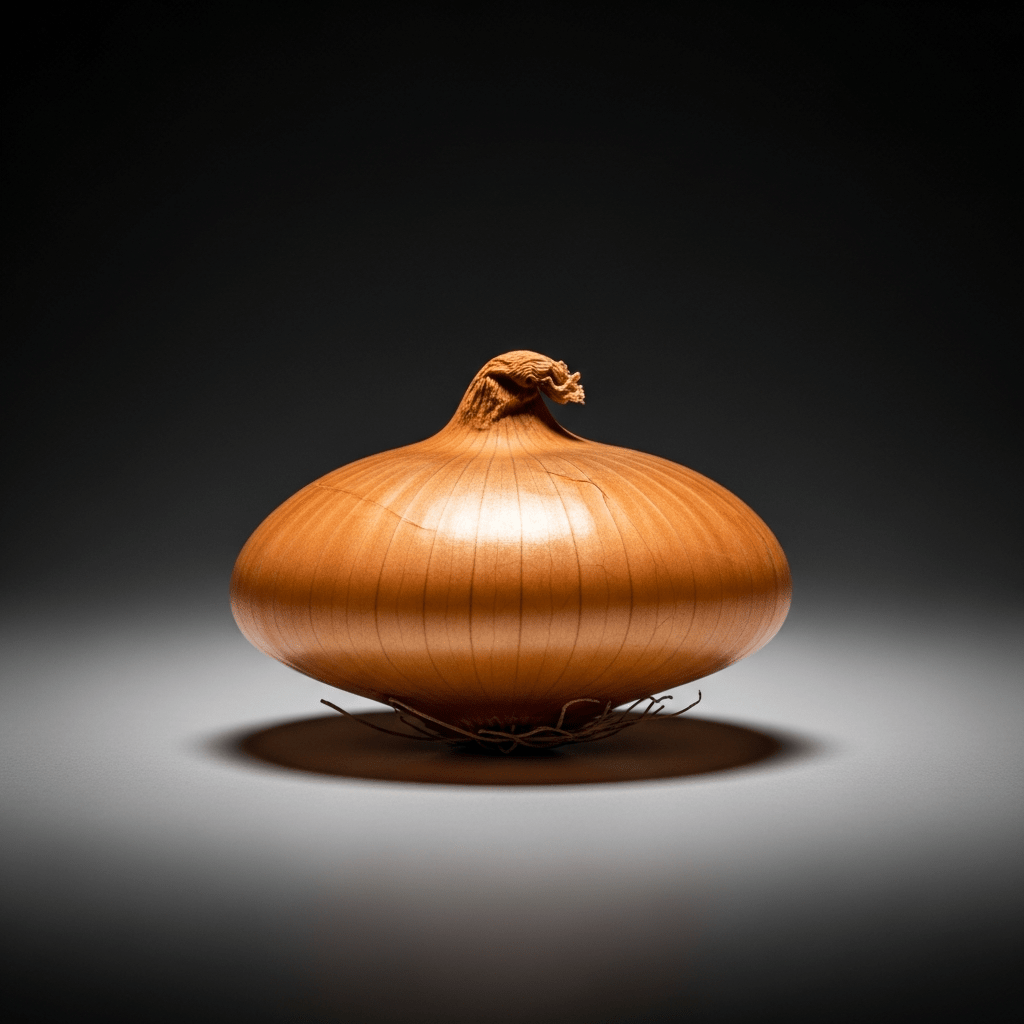
Cipollini Onion
The Cipollini onion is a small, flattened onion variety renowned for its pronounced sweetness and distinctive disc-like shape, widely cherished for roasting and caramelizing.
The Cipollini onion is a small, flattened onion variety renowned for its pronounced sweetness and distinctive disc-like shape, widely cherished for roasting and caramelizing.
Originating from Italy, the Cipollini onion’s name means "little onion" in Italian, reflecting its modest size. It is a traditional or heritage variety selected over time from local landraces, without a documented breeder or formal release date.
Belonging to the species Allium cepa, the Cipollini onion is classified within the broader family of common bulb onions. It is recognized as a distinct market class characterized by its flattened bulb shape and sweet flavor profile.
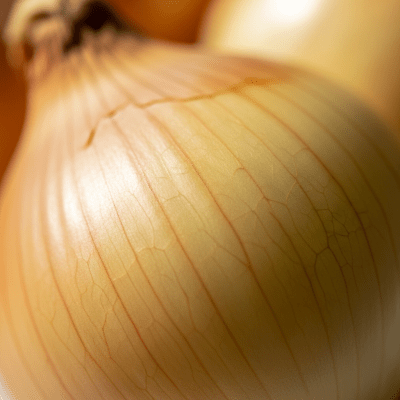
Cipollini onions feature small, flattened, disc-like bulbs typically ranging from 4 to 7 centimeters in diameter and 2 to 3 centimeters thick. Their thin, papery skins appear in yellow or red hues, while the flesh inside is white and tender.
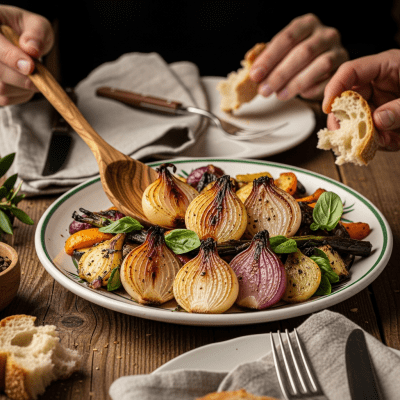
Primarily valued for culinary use, Cipollini onions are prized for roasting whole, caramelizing, grilling, and adding to salads or antipasti. Their high sugar content intensifies during cooking, producing rich, almost balsamic flavors that enhance many dishes.
Bring this kind into your world illustrated posters, mugs, and shirts.

Archival print, museum-grade paper
Buy Poster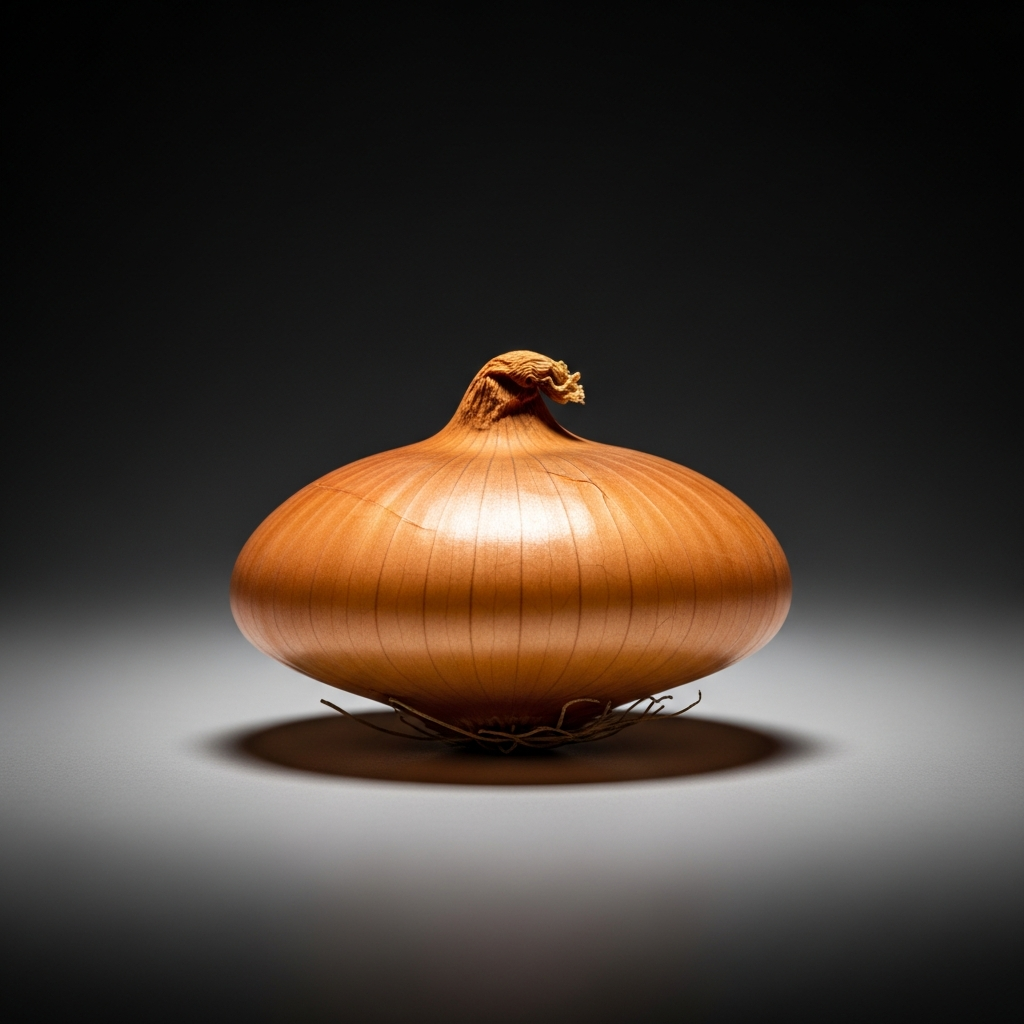
Stoneware mug, dishwasher safe
Buy Mug
Soft cotton tee, unisex sizes
Buy ShirtClosely associated with central and northern Italy—especially regions like Emilia-Romagna and Tuscany—the Cipollini onion holds a place in traditional Italian cuisine as a specialty ingredient, symbolizing regional culinary heritage and artisanal food culture.
The Cipollini onion offers a mild pungency balanced by a high level of natural sweetness, owed to elevated sugar content. This combination creates a rich, mellow flavor that deepens and sweetens further when cooked.
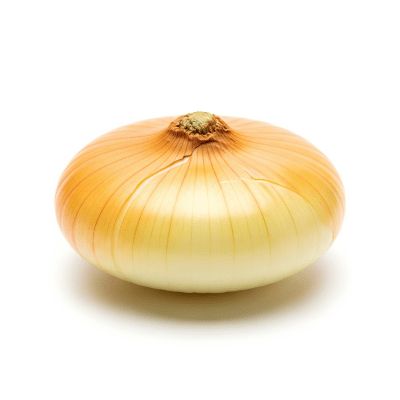
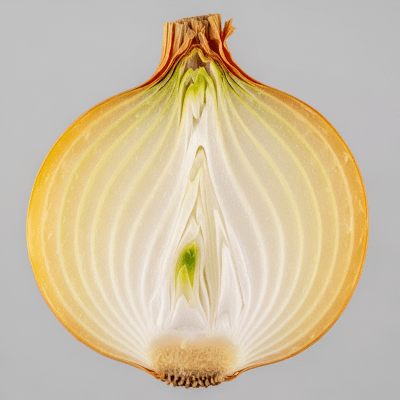
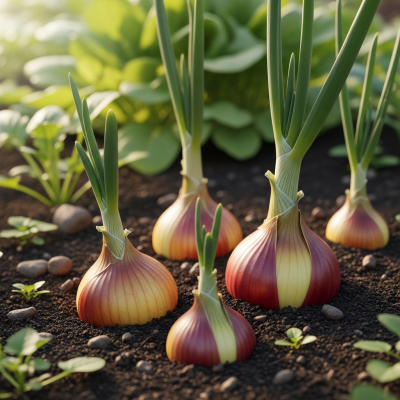

Cipollini onions mature early and are generally cultivated as annuals. Their smaller bulb size results in lower yields compared to standard storage onions. They have a relatively short storage life of one to three months and are susceptible to common onion diseases such as downy mildew and onion maggot.
Celebrated in Italian and international cuisine, Cipollini onions are perfect for roasting whole, caramelizing to enhance their natural sugars, grilling, or adding raw to salads and antipasti. Their concentrated sweetness and tender texture make them a gourmet favorite.
Because of their thin skins and high sugar content, Cipollini onions have a limited storage life of one to three months. They should be stored in a cool, dry, and well-ventilated place to minimize sprouting and spoilage.
Cipollini onions occupy a niche market, often sold fresh as specialty gourmet produce. They are primarily cultivated and distributed within central and northern Italy, including Emilia-Romagna and Tuscany, and have gained international recognition among chefs and food enthusiasts.