Bombay Red Onion
Bombay Red onion is a red-skinned onion variety from India, recognized for its pungent flavor, medium to large globe-shaped bulbs, and strong adaptability to tropical climates.
Bombay Red onion is a red-skinned onion variety from India, recognized for its pungent flavor, medium to large globe-shaped bulbs, and strong adaptability to tropical climates.
Originating in India, Bombay Red onion was locally selected over several decades for its suitability to the agro-climatic conditions of Maharashtra and surrounding regions. While its precise breeder or institutional origin remains undocumented, it has become a staple in South Asian agriculture through traditional cultivation and regional preference.
Bombay Red onion belongs to the species Allium cepa, the common onion, and is classified as a red onion variety distinguished by its deep red to purplish skin. It fits within the broader family Amaryllidaceae and is part of the widely cultivated group of bulb onions used for culinary and commercial purposes.
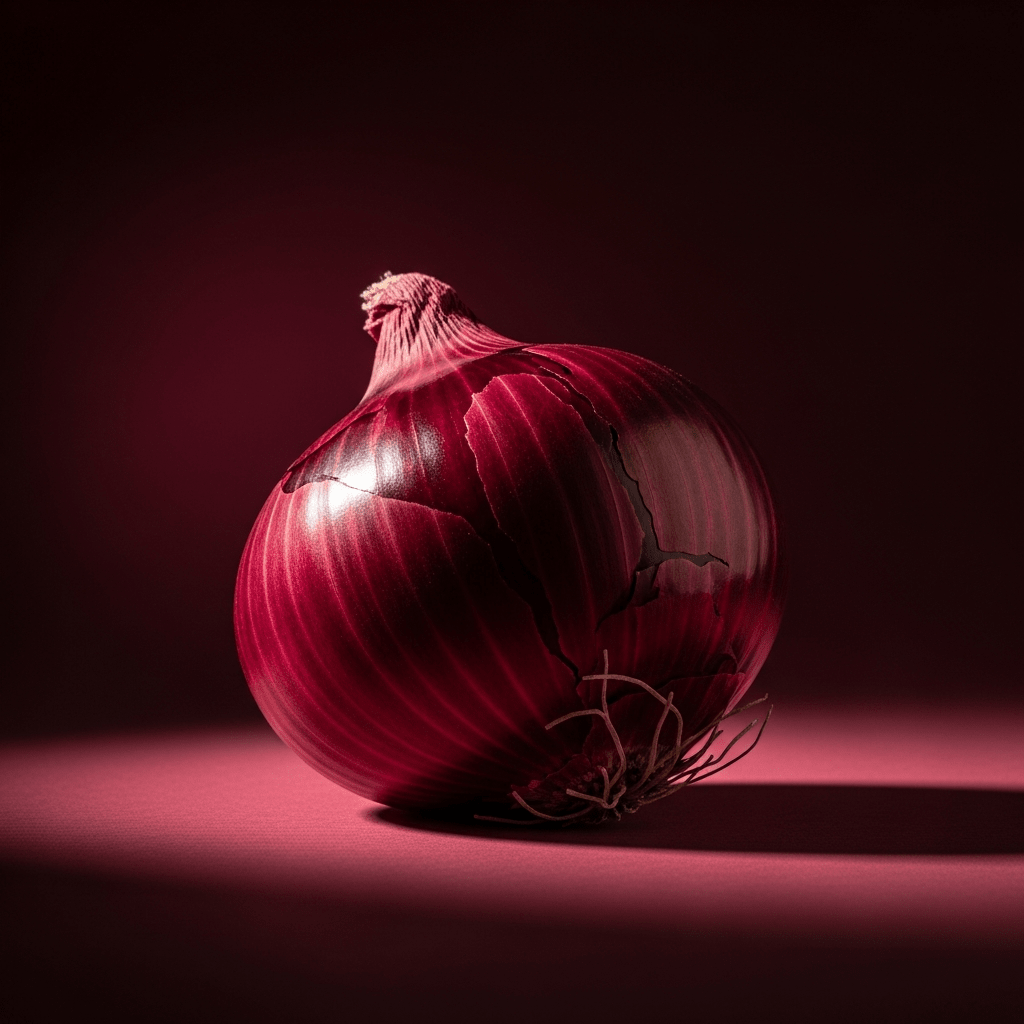
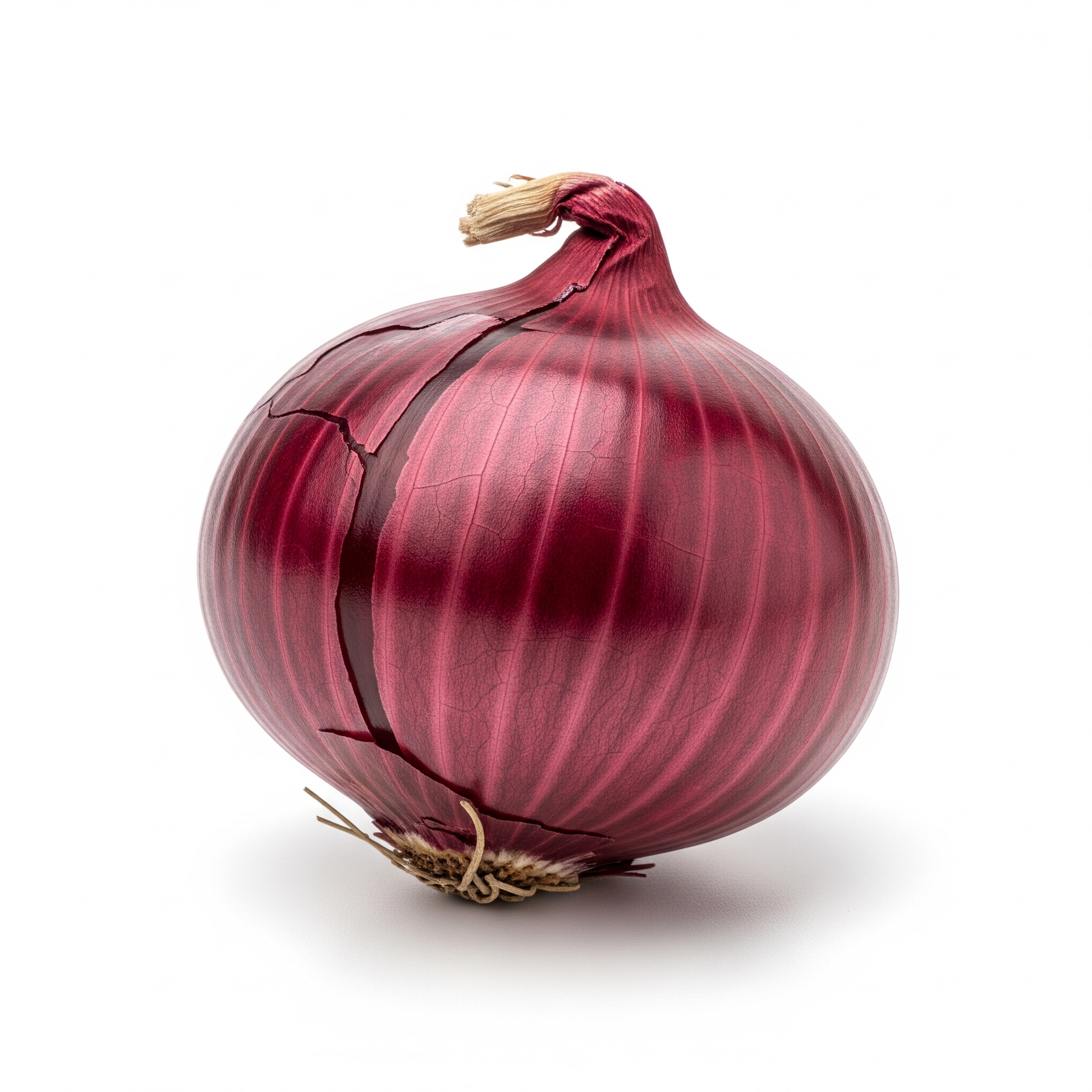
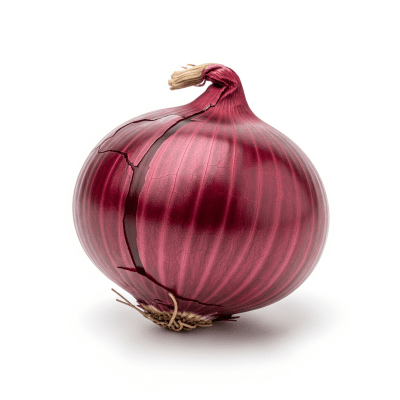
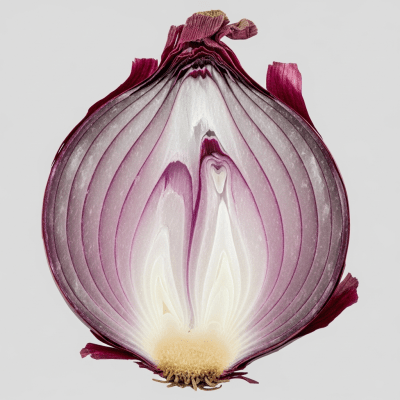
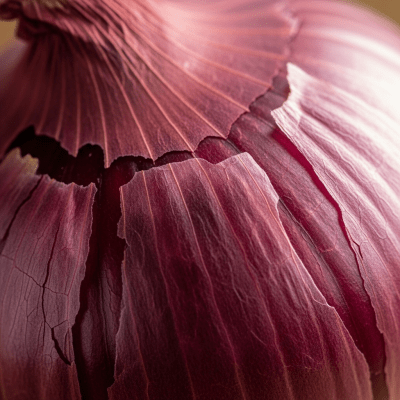
This variety produces medium to large bulbs with a classic globe shape. Its outer skin ranges from deep red to purplish hues, while the inner flesh displays shades from white to pale pink, offering a striking contrast when sliced.
Bombay Red onion serves both culinary and agricultural functions. It thrives in tropical and subtropical climates, maturing in about 100 to 120 days. The onion is harvested primarily for fresh consumption and local market trade, prized for its pungent flavor and vibrant color that enhance a variety of dishes.
Bring this kind into your world illustrated posters, mugs, and shirts.
Archival print, museum-grade paper
Buy Poster
Stoneware mug, dishwasher safe
Buy Mug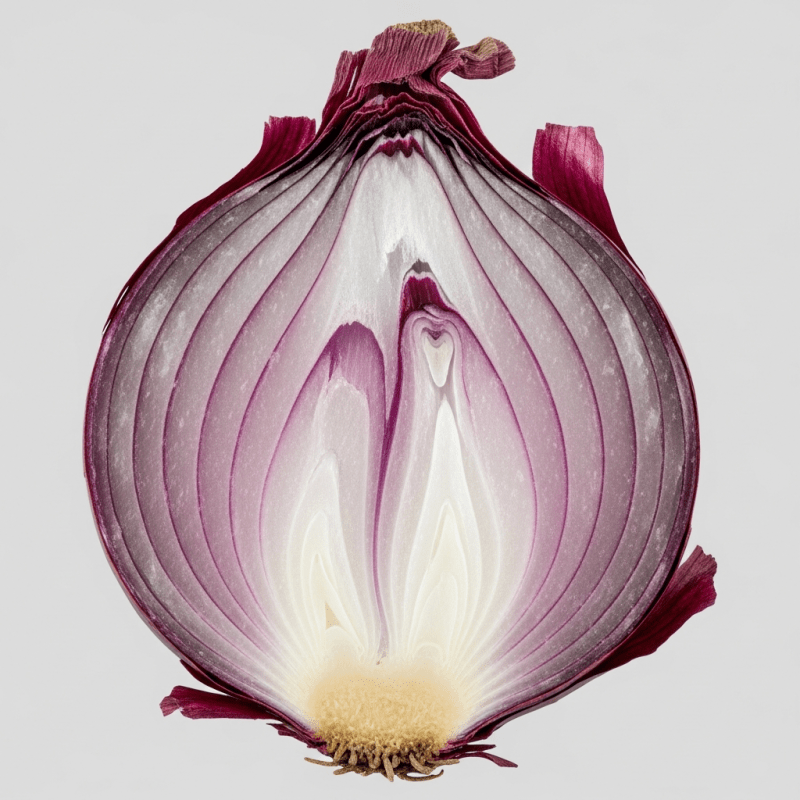
Soft cotton tee, unisex sizes
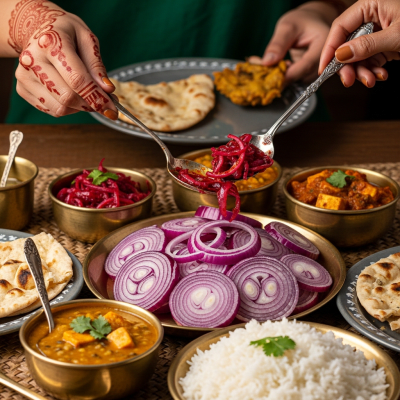
Buy ShirtIn South Asian culture, Bombay Red onion holds culinary importance as a foundational ingredient in many traditional recipes. Its pungency and color contribute not only to flavor but also to the visual appeal of salads, pickles, and curries, embedding it deeply in regional food heritage.
Bombay Red onion is known for its strong pungency, delivering a sharp and robust flavor characteristic of traditional red onions. This intensity is driven by sulfur compounds typical of Allium cepa, making it a flavorful choice for dishes that benefit from a pronounced onion presence.
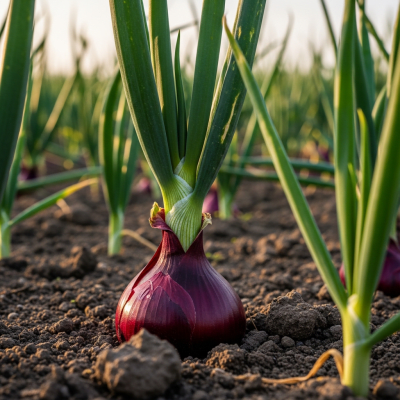
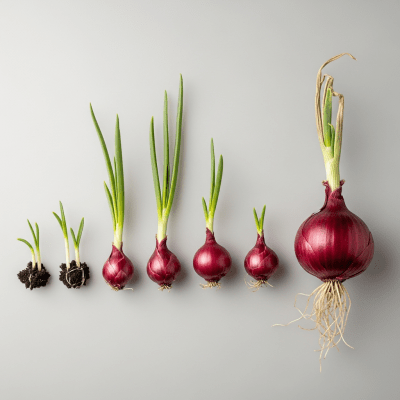
Adapted to tropical and subtropical climates, Bombay Red onion thrives in both rabi (winter) and kharif (monsoon) seasons. It matures within 100 to 120 days and yields between 15 and 25 tons per hectare under optimal conditions. The variety shows moderate tolerance to diseases such as purple blotch and downy mildew but is vulnerable to basal rot and thrips infestation. Its storage life ranges from two to three months, with some post-harvest losses in humid environments.
Widely used in Indian and South Asian cuisines, Bombay Red onion is favored for raw preparations like salads and pickles, as well as cooked dishes including curries and sauces. Its pungency and vivid color enhance both flavor and appearance. Typically sold fresh in local markets, it is less common in export or processing industries due to its moisture content and moderate shelf life.
To maximize shelf life, Bombay Red onions should be stored in cool, dry, and well-ventilated conditions. Under such ambient environments, they typically last between two and three months. However, high humidity can accelerate sprouting and rotting, so careful handling and storage are essential to preserve quality.
Bombay Red onion is primarily traded in local Indian markets, where it is sold fresh to consumers and vendors. Its commercial distribution is largely regional, with limited export due to its moderate storage life and high moisture content. Packaging is usually minimal, focusing on bulk or loose sales rather than processed or packaged forms.