Boiling Onion
Boiling onions are small, globe-shaped onions typically 1 to 2 inches in diameter, valued for their use whole in soups, stews, and braised dishes, available in white, yellow, and occasionally red varieties.
Boiling onions are small, globe-shaped onions typically 1 to 2 inches in diameter, valued for their use whole in soups, stews, and braised dishes, available in white, yellow, and occasionally red varieties.
Boiling onions are not a distinct botanical variety but a commercial market class of Allium cepa developed through selecting for small size and uniform shape. They arise from standard onion cultivars harvested early or grown specifically for their diminutive bulbs. The culinary tradition of using small whole onions dates back centuries in European and American kitchens, though no specific breeder or lineage is documented.
Boiling onions belong to the species Allium cepa within the Amaryllidaceae family. They are classified as a commercial market class rather than a botanical variety, distinguished from related types like pearl onions and cipollini onions by size and maturity. This class includes onions harvested at a smaller, mature bulb stage, spanning white, yellow, and red skin colors.
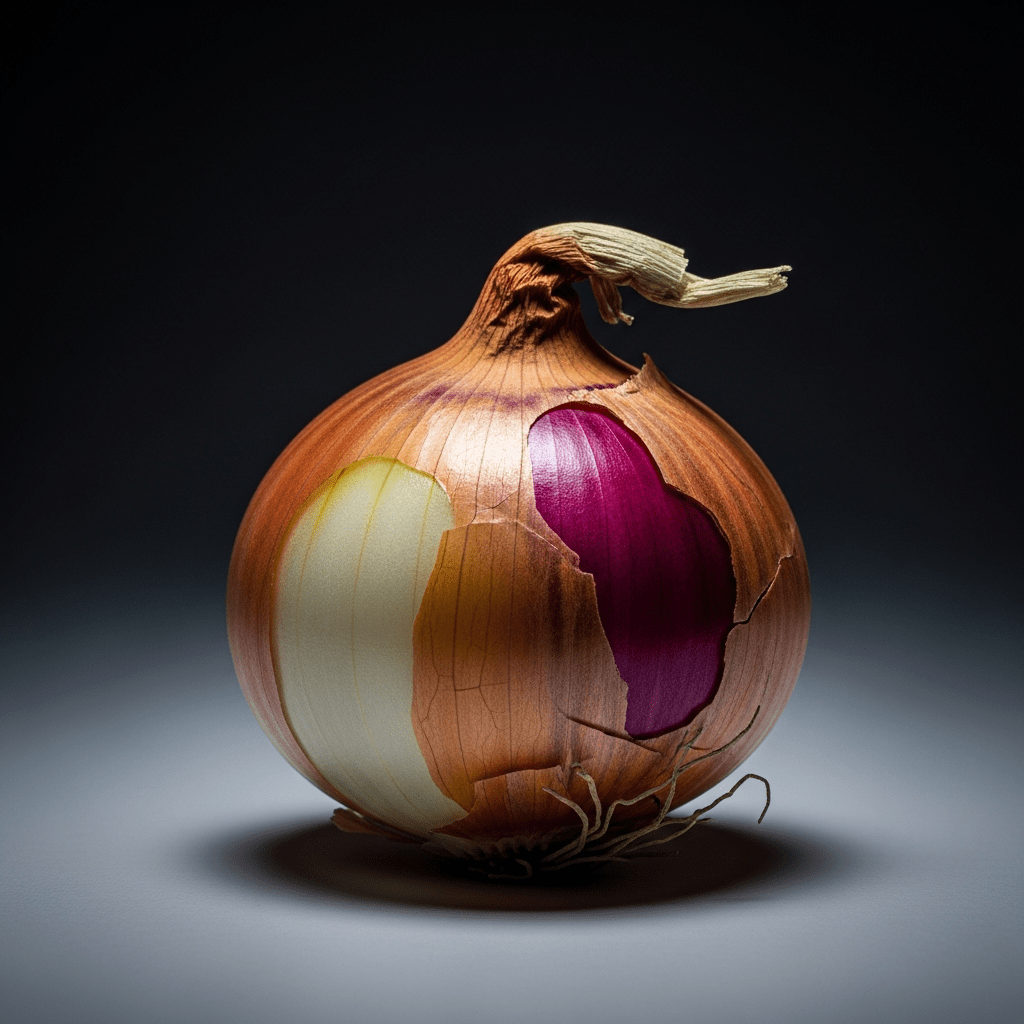
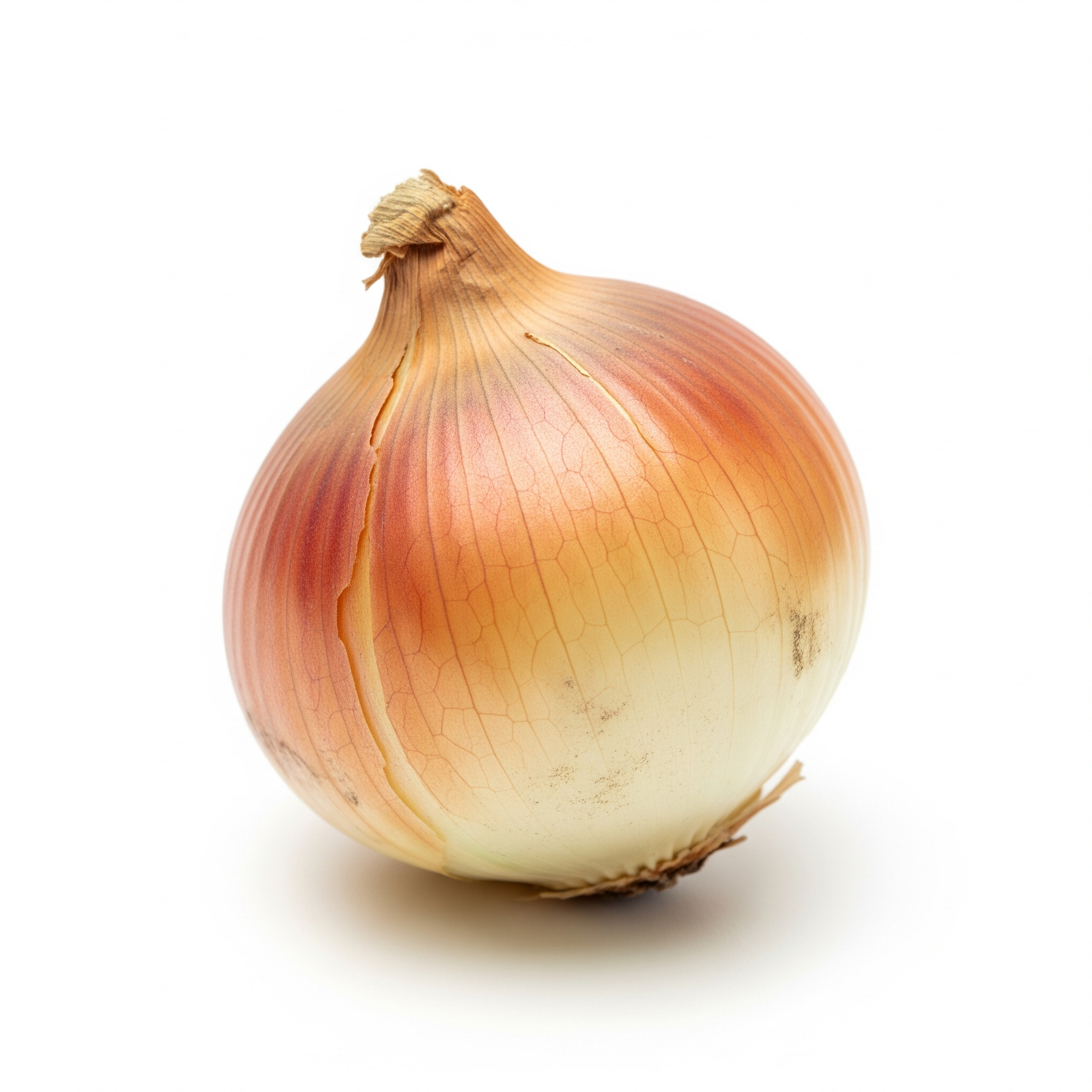
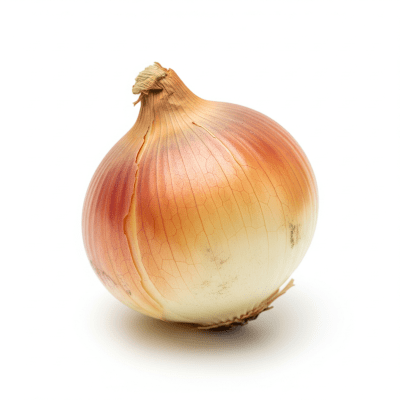
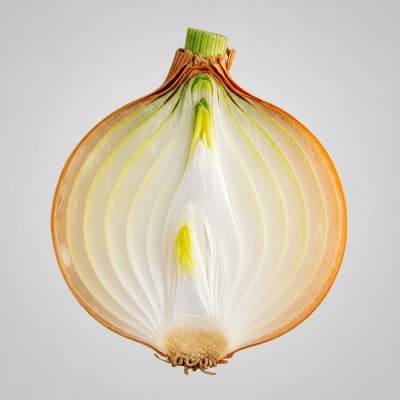
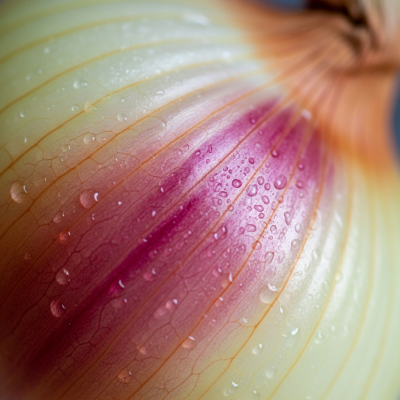
These onions have a globe-shaped bulb ranging from 2.5 to 5 centimeters in diameter, with papery outer skins that can be white, yellow, or red. The flesh inside is white and firm, reflecting their mature bulb development. Their small, rounded form makes them ideal for whole use in cooking.
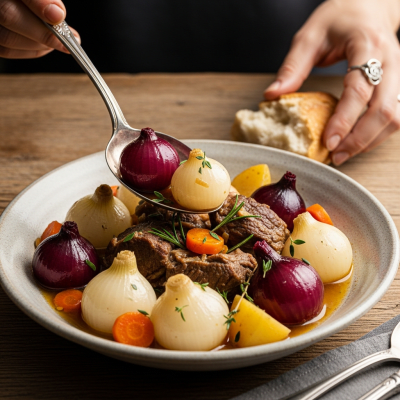
Boiling onions are prized for their ability to be cooked whole, offering a mild and sweet flavor that enhances soups, stews, braises, and pickled dishes. They are often blanched or peeled before use to soften their skin and improve texture. In commercial foodservice, they are favored for consistent portion control and attractive presentation, sometimes serving as a substitute for smaller pearl onions.
Bring this kind into your world illustrated posters, mugs, and shirts.
Archival print, museum-grade paper
Buy Poster
Stoneware mug, dishwasher safe
Buy Mug
Soft cotton tee, unisex sizes
Buy ShirtWhile boiling onions do not hold specific symbolic or mythological roles, they are embedded in traditional European and American culinary practices where small whole onions add both flavor and visual appeal. In French cuisine, they are known as oignons à bouillir, reflecting their common use in classic recipes.
Boiling onions offer a mild pungency balanced by medium sweetness, making them gentle yet flavorful additions to cooked dishes. Their flavor is less sharp than larger storage onions, with a pleasing sweetness that develops during slow cooking. This profile is influenced by sulfur compounds typical of Allium cepa but moderated by their small, mature bulbs.
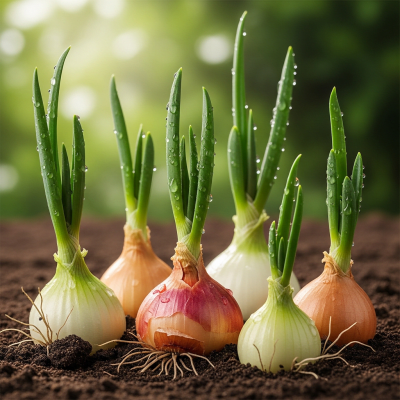
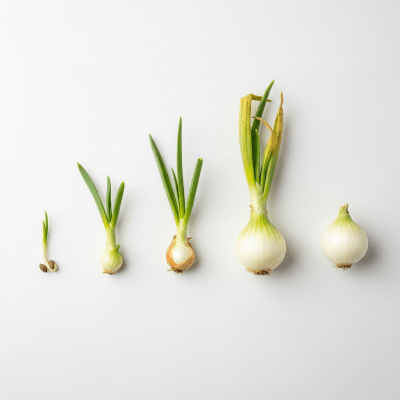
Boiling onions are cultivated from standard onion cultivars, harvested early or grown densely to produce small, uniform bulbs. They share agronomic traits with their parent varieties, including disease resistance and growth requirements. Their smaller size results in lower yields per hectare compared to standard onions. Post-harvest, they store moderately well for 1 to 3 months under proper conditions.
Primarily used whole, boiling onions enhance soups, stews, braised meats, and pickled preparations with their mild, sweet flavor and attractive appearance. They are often blanched or peeled before cooking to improve texture and presentation. Their size makes them ideal for portion-controlled dishes and institutional foodservice, where they are sometimes used as a larger alternative to pearl onions.
Boiling onions store best in cool, dry, and well-ventilated environments, maintaining quality for one to three months. Their smaller size and thinner skins mean they do not store as long as larger storage onions. Proper handling includes avoiding moisture accumulation and damage to the papery skin to prolong shelf life.
Boiling onions represent a distinct commercial market class favored for whole use in cooking and foodservice. They are widely produced and distributed across the United States, Europe, and Asia. Packaging typically emphasizes uniform size and appearance to meet institutional and retail demands. Their market niche is separate from pearl onions, focusing on slightly larger bulbs with mature flavor profiles.