Bermuda Onion
The Bermuda onion is a mild-flavored, historically important onion variety recognized for its large, flattened bulbs and pale yellow to white skin, valued for its culinary versatility and distinctive appearance.
The Bermuda onion is a mild-flavored, historically important onion variety recognized for its large, flattened bulbs and pale yellow to white skin, valued for its culinary versatility and distinctive appearance.
Originating in Bermuda, the Bermuda onion traces back to seeds imported from the Canary Islands in the late 19th century. Commercial cultivation began around the 1880s, and the variety later influenced the development of sweet onions in Texas. Though its precise breeder and lineage remain undocumented, it stands as an open-pollinated, heritage variety with a rich agricultural history.
The Bermuda onion belongs to the species Allium cepa, the common onion, and is classified as a distinct cultivar characterized by its flattened bulb shape. It fits within the broader family Amaryllidaceae and is recognized among sweet onion types, though it remains distinct from modern cultivars like Vidalia or Walla Walla.
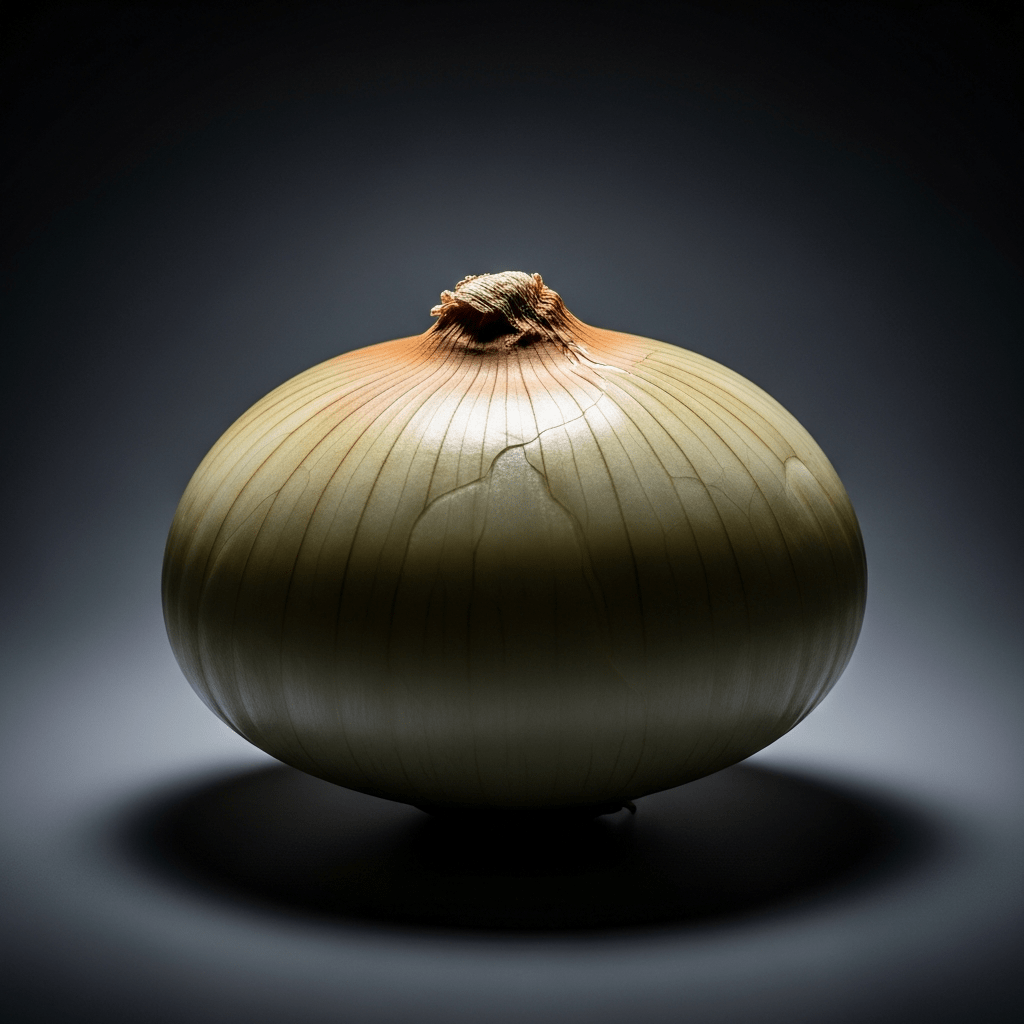
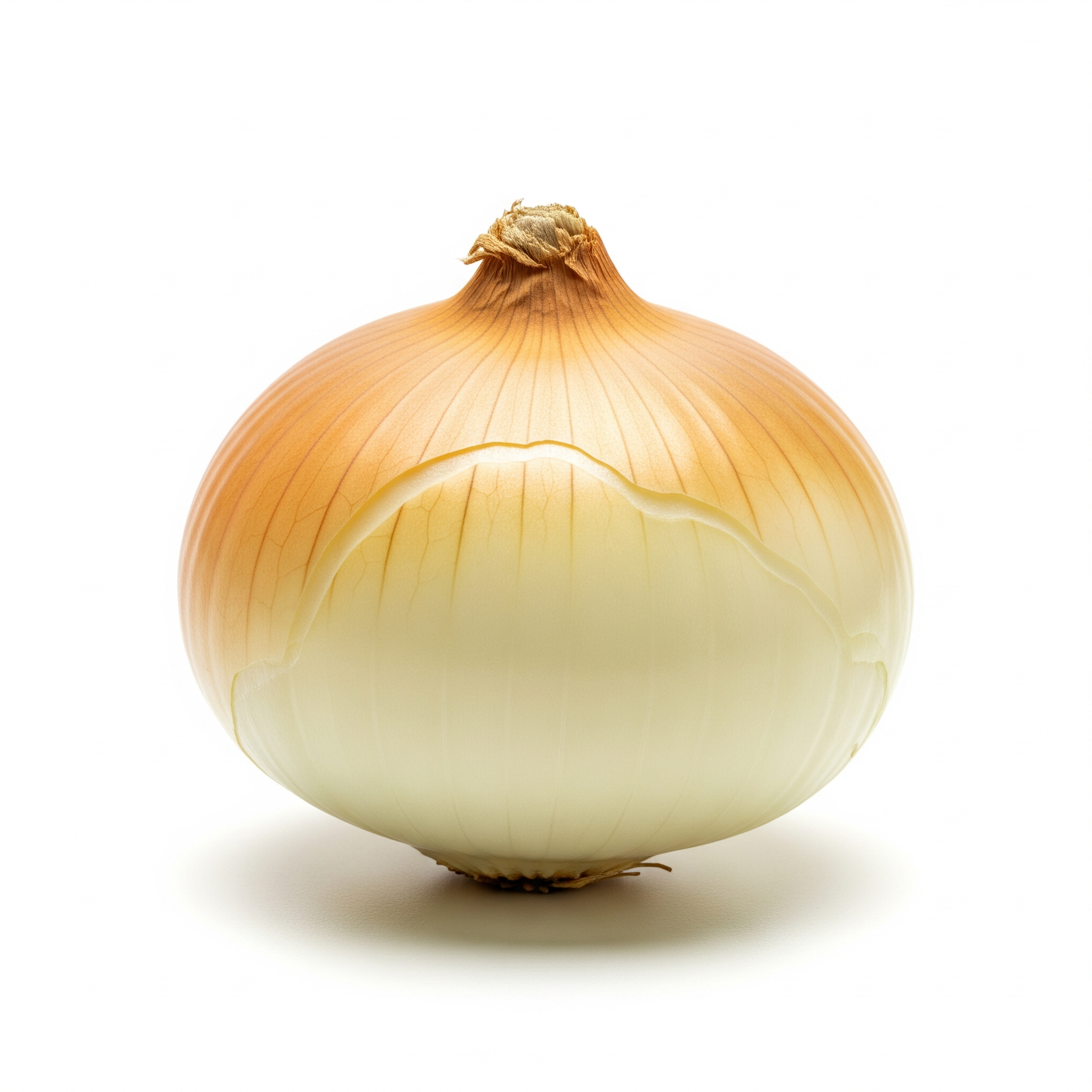
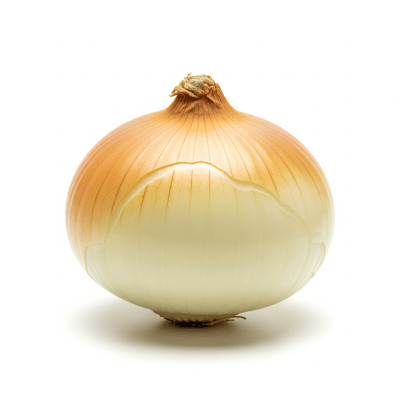
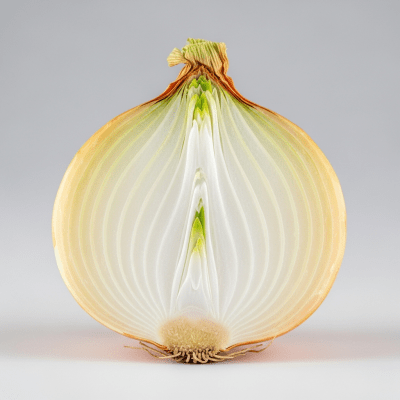
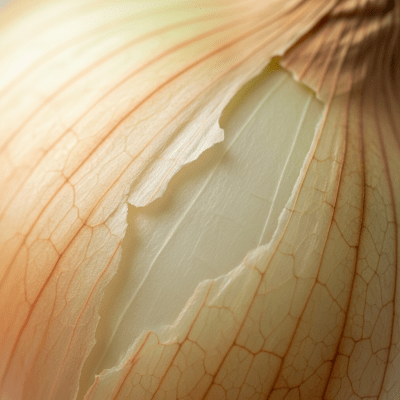
This onion features large, flattened bulbs typically measuring 10 to 15 centimeters in diameter. Its outer skin ranges from pale yellow to white, while the inner flesh is white and tender. The thin skin and broad, flattened form give the Bermuda onion a unique, approachable look that signals its mild flavor.
Primarily grown as a short-day onion suited to subtropical or mild winter climates, the Bermuda onion forms bulbs with low pungency and high sweetness. It is commonly used fresh, prized for its mildness, and also lends itself well to grilling, roasting, and other cooked preparations. Its delicate skin, however, limits its storage potential compared to storage onion varieties.
Bring this kind into your world illustrated posters, mugs, and shirts.
Archival print, museum-grade paper
Buy Poster
Stoneware mug, dishwasher safe
Buy Mug
Soft cotton tee, unisex sizes
Buy ShirtOnce a staple export from Bermuda to the United States and Europe, the Bermuda onion played a key role in early American cuisine and agricultural trade. Though its commercial prominence has declined, it remains a heritage symbol in specialty markets and is referenced in classic recipes, embodying a link between traditional cultivation and modern sweet onion varieties.
The Bermuda onion is known for its mild pungency and high sweetness, making it exceptionally approachable for raw consumption. Its flavor is gentle, lacking the sharp bite typical of many onions, which is due to lower concentrations of sulfur compounds responsible for pungency.
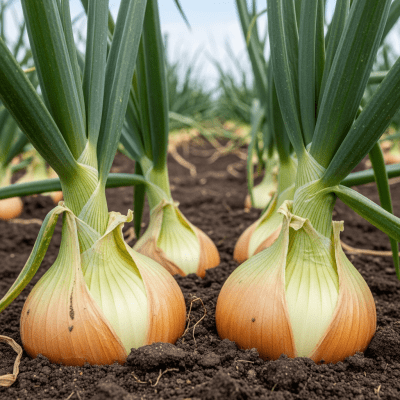

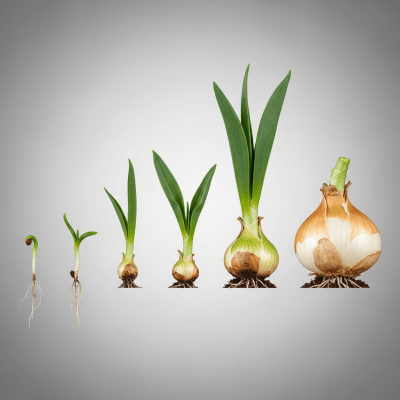
Bermuda onions are short-day onions that require fewer daylight hours to initiate bulb formation, making them well-suited to subtropical and mild winter climates. They produce moderate yields and have a storage life of one to three months. The variety is susceptible to common diseases such as downy mildew and pink root, with no well-documented resistance traits.
Favored for its mildness and sweetness, the Bermuda onion is commonly eaten raw in salads, sandwiches, and as garnishes. It also performs well when grilled, roasted, or cooked, adding a subtle sweetness without overpowering other flavors.
Due to its thin skin, the Bermuda onion requires careful storage to maximize shelf life, typically lasting one to three months under cool, dry, and well-ventilated conditions. It is best kept away from moisture and stored in a dark place to prevent sprouting and spoilage.
Historically exported from Bermuda to the United States and Europe, the Bermuda onion was once a significant commercial variety. Today, it is less commonly grown commercially but remains available in specialty and heritage markets. Its mild flavor and distinctive form continue to appeal to niche consumers and culinary enthusiasts.