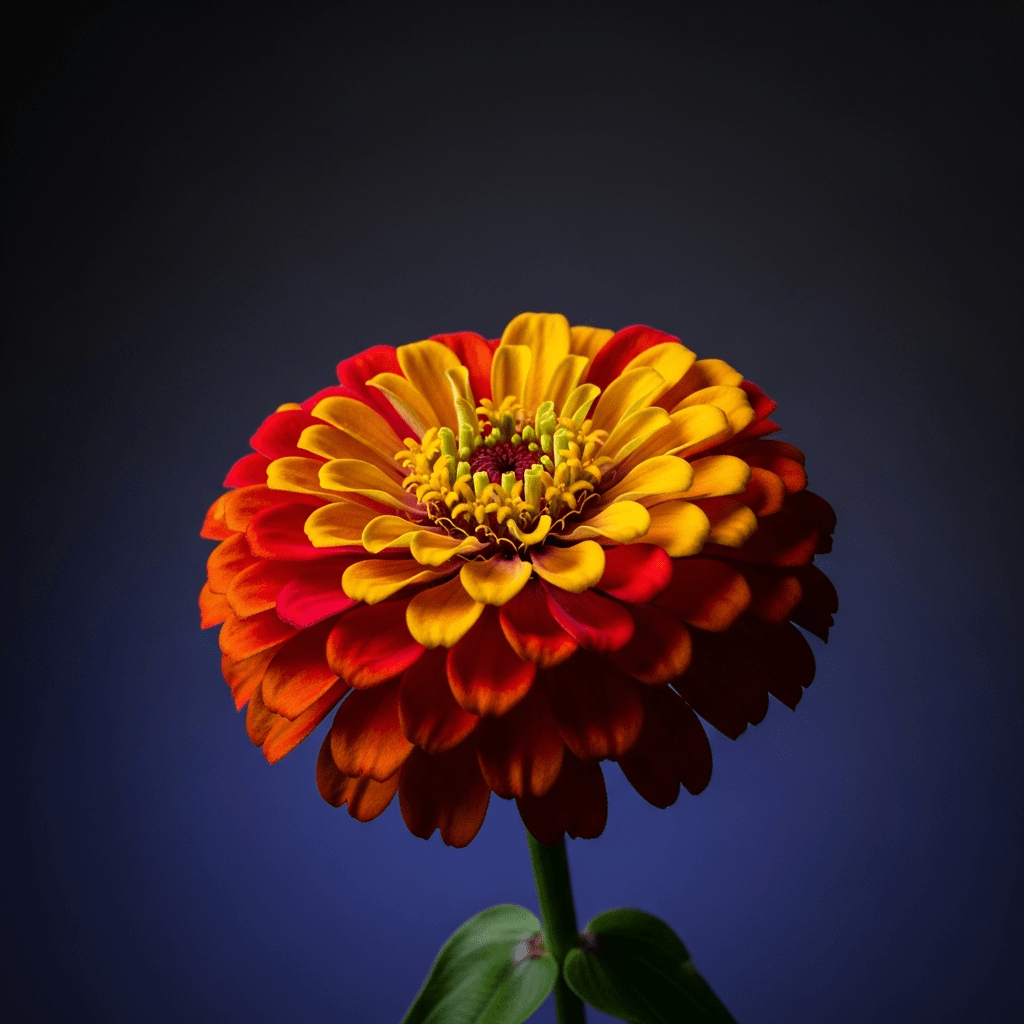
Zinnia
Zinnia is a vibrant genus of annual flowering plants celebrated for its dazzling, daisy-like blooms and enduring popularity in gardens and floral arrangements worldwide.
Zinnia is a vibrant genus of annual flowering plants celebrated for its dazzling, daisy-like blooms and enduring popularity in gardens and floral arrangements worldwide.
First described by Carl Linnaeus in 1753 and named for Johann Gottfried Zinn, zinnias originate from the Americas, with Zinnia elegans native to Mexico. Their journey from wildflowers to garden staples began in the late 18th century, when European horticulturists introduced them to cultivated landscapes. Over centuries, breeders in the United States, the Netherlands, and Japan—especially Burpee Seed Company and Sakata Seed Corporation—have developed a dazzling array of cultivars and hybrids, making zinnias a global favorite.
Zinnia belongs to the family Asteraceae, a vast group known for composite flowers like daisies and sunflowers. Within this family, Zinnia is a distinct genus comprising about 20 species. The most widely grown is Zinnia elegans, though other species and hybrids, such as Z. angustifolia and Z. haageana, contribute to the genus’s diversity. Zinnias are classified as annual herbaceous plants, thriving in temperate climates as bedding and ornamental flowers.
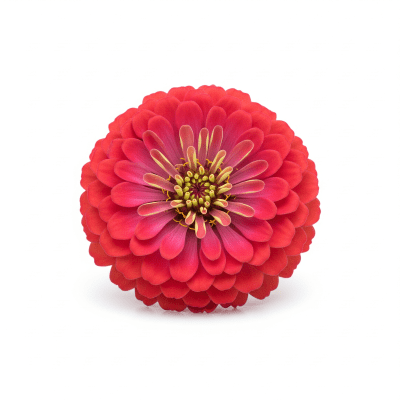
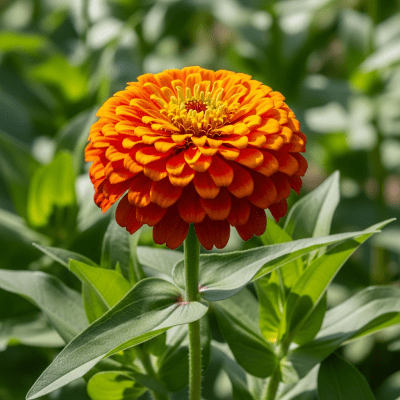
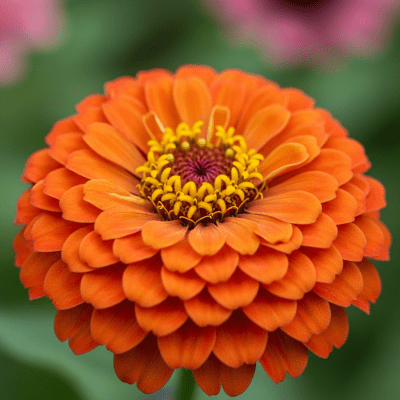
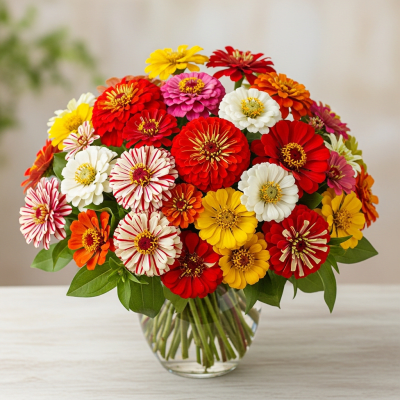
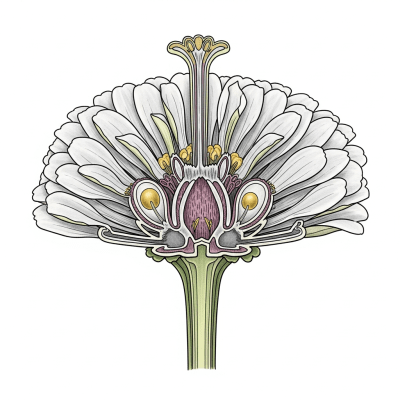
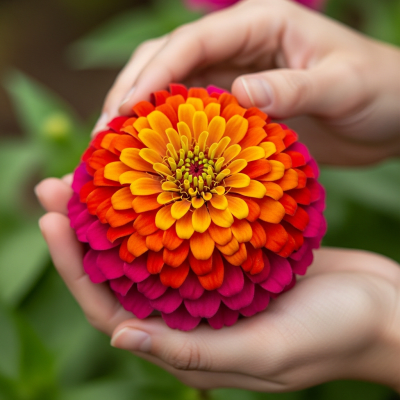
Zinnias are instantly recognizable for their upright, branching stems and lush, opposite leaves ranging from lanceolate to ovate in shape. Their flowers, borne singly atop stems, showcase a spectacular palette: red, pink, orange, yellow, white, purple, and striking bi-color forms. Inflorescences are composite, with bold ray florets encircling a central disc. Flower forms span single, semi-double, fully double, cactus-flowered, and pompon types, each adding unique texture and visual interest to garden beds and bouquets.
Zinnias are prized for their ease of cultivation and prolific, continuous blooming from late spring until frost. Their long-lasting flowers make them ideal for cut arrangements, while their vivid colors attract butterflies, bees, and other pollinators, enhancing biodiversity in gardens. Zinnias are primarily ornamental, used in bedding displays, borders, and containers. They are not edible or medicinal, but their cheerful presence and resilience make them a staple in both home and public landscapes.
Bring this kind into your world illustrated posters, mugs, and shirts.
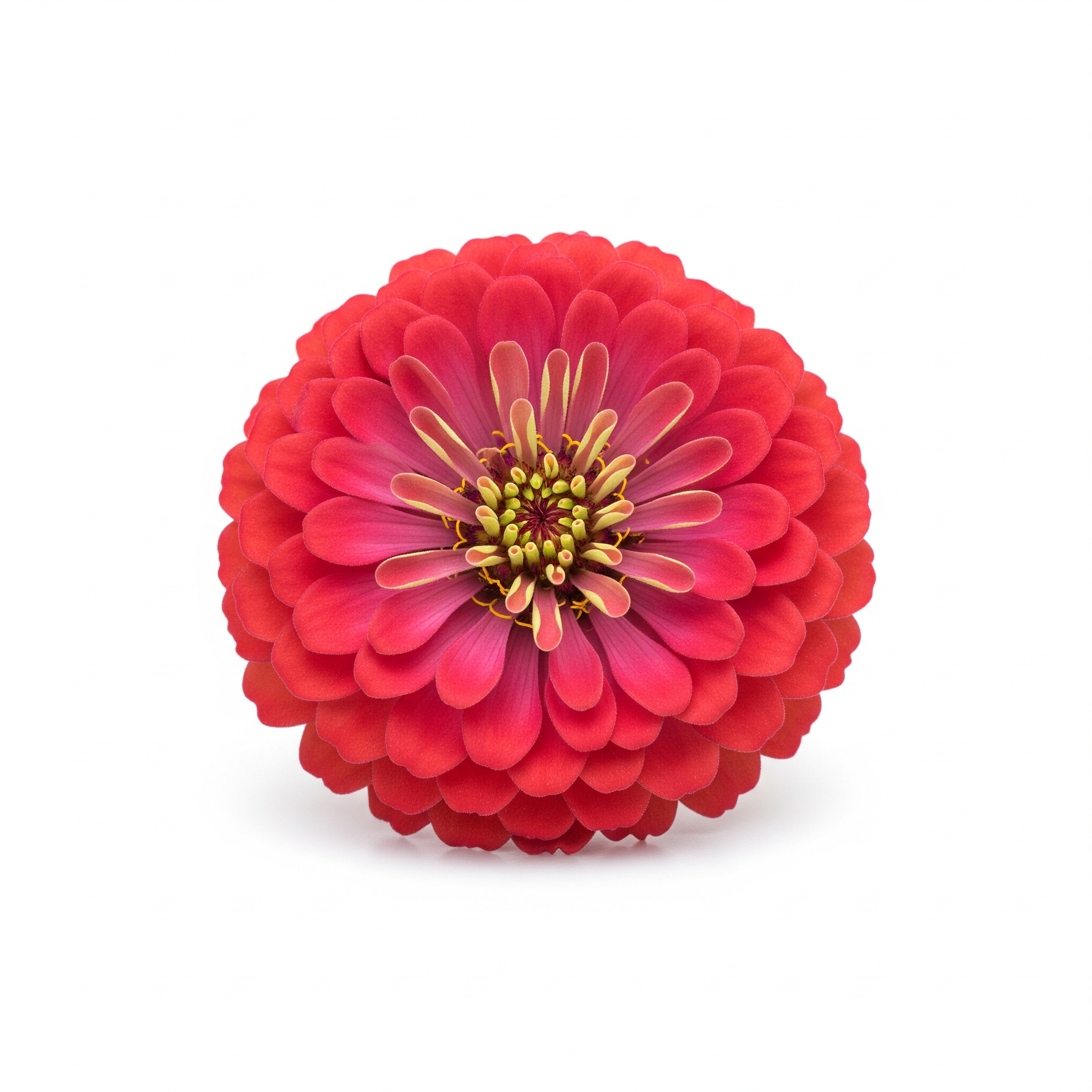
Archival print, museum-grade paper
Buy Poster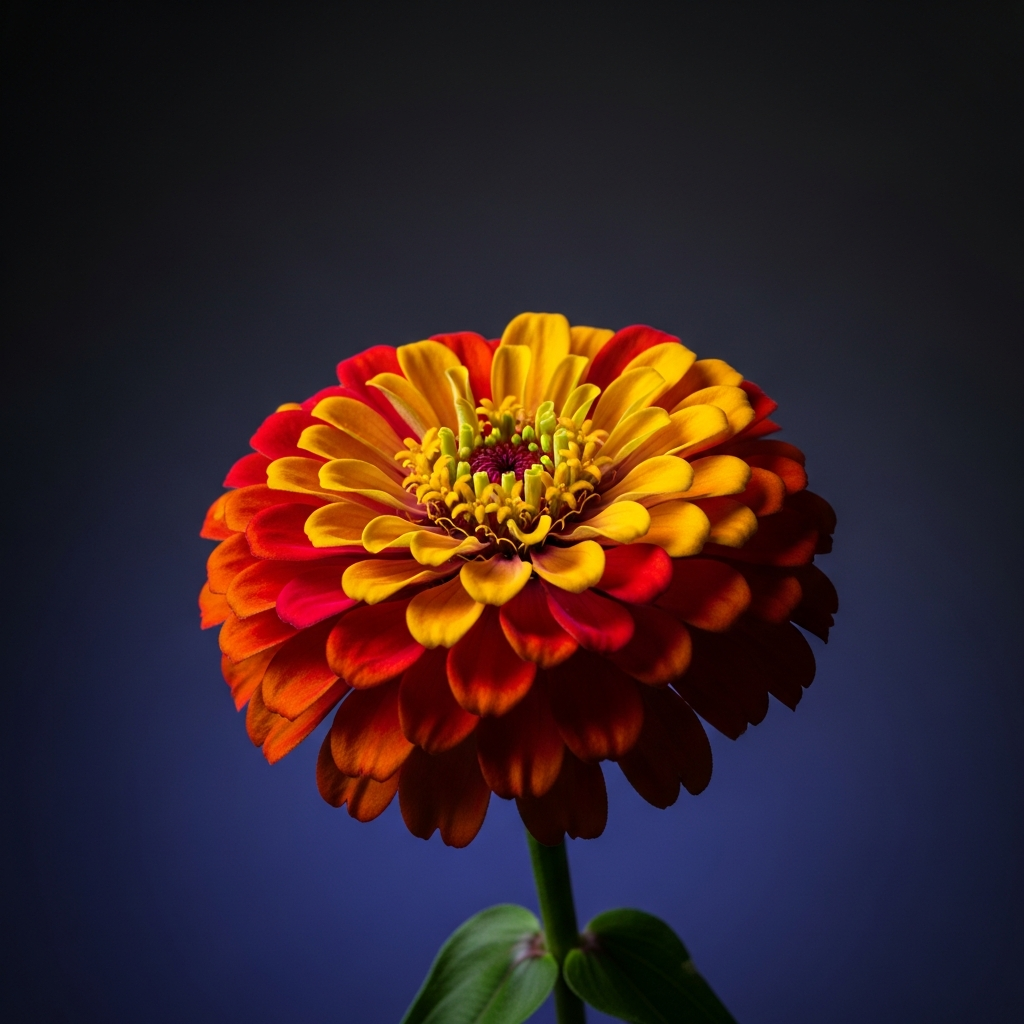
Stoneware mug, dishwasher safe
Buy Mug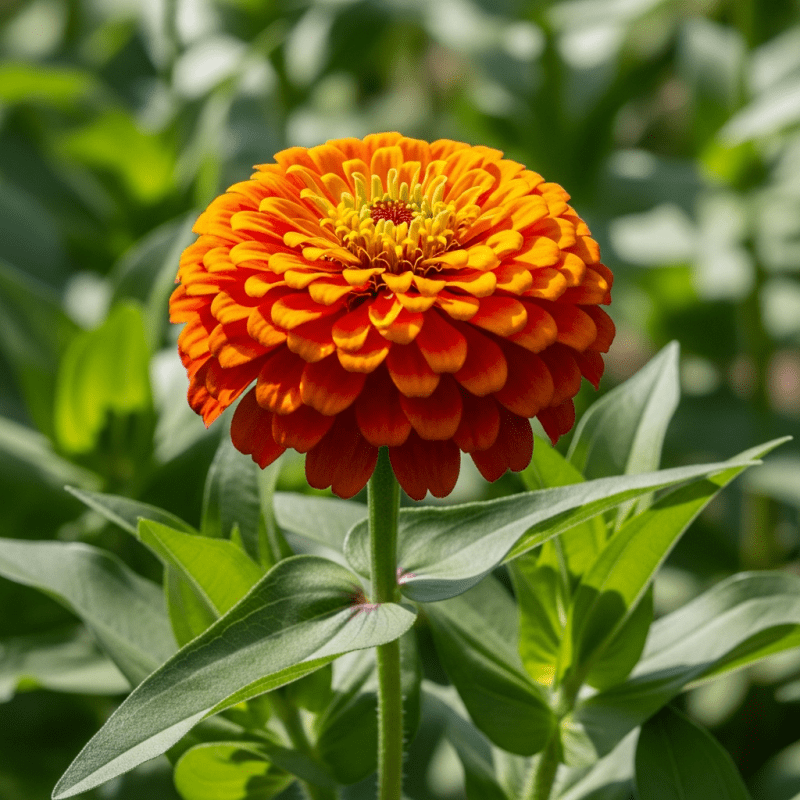
Soft cotton tee, unisex sizes
Buy ShirtThroughout history, zinnias have symbolized endurance, remembrance, and lasting affection. In some cultures, they are associated with thoughts of absent friends or the persistence of love. Their bold colors and easy growth have made them favorites in folk art, garden design, and floral arrangements for celebrations and commemorations. In Spanish-speaking regions, zinnias are sometimes called “mal de ojos,” reflecting local lore and appreciation for their striking appearance.
Zinnias are generally not fragrant, but their visual impact is unmatched. The color spectrum ranges from bold reds, pinks, oranges, yellows, whites, and purples to striking bi-color combinations. This diversity allows gardeners and florists to create vivid, cheerful displays that suit any palette or occasion.
Zinnias thrive in full sun and well-drained soil. Sow seeds outdoors after the last frost for best results, spacing them to allow good air circulation. Water regularly but avoid overhead watering to minimize disease risk. Deadheading spent blooms encourages continuous flowering. Zinnias are fast-growing and tolerate heat and drought, making them ideal for summer gardens. Collect mature seeds for future planting, and enjoy their long vase life as cut flowers.
Zinnias traditionally symbolize endurance, remembrance, and lasting affection. Their ability to bloom persistently through heat and adversity has made them emblems of resilience and steadfastness. In floral language, gifting zinnias can convey thoughts of absent friends or enduring love.
Zinnia breeding has produced a wealth of cultivars and hybrids, especially through crosses involving Z. elegans, Z. angustifolia, and Z. haageana. Major seed companies like Burpee and Sakata have introduced disease-resistant, compact, and novel-flowered varieties, expanding zinnia’s appeal. Hybrid lines such as 'Profusion' and 'Zahara' are celebrated for their vigor, continuous bloom, and resilience in challenging conditions.
Zinnias bloom from late spring through the first autumn frost, providing vibrant color throughout the warmest months. Seeds are typically sown in spring, and flowers remain available for cutting and display until cold weather ends the growing season.
Zinnias are primarily valued as ornamental plants for gardens, borders, and containers. Their long-lasting, colorful blooms make them a staple in floral arrangements and the cut flower market. While not used for culinary or medicinal purposes, zinnias play a vital role in pollinator gardens and are cherished for their symbolic meanings in decorative and ceremonial contexts.