Yarrow
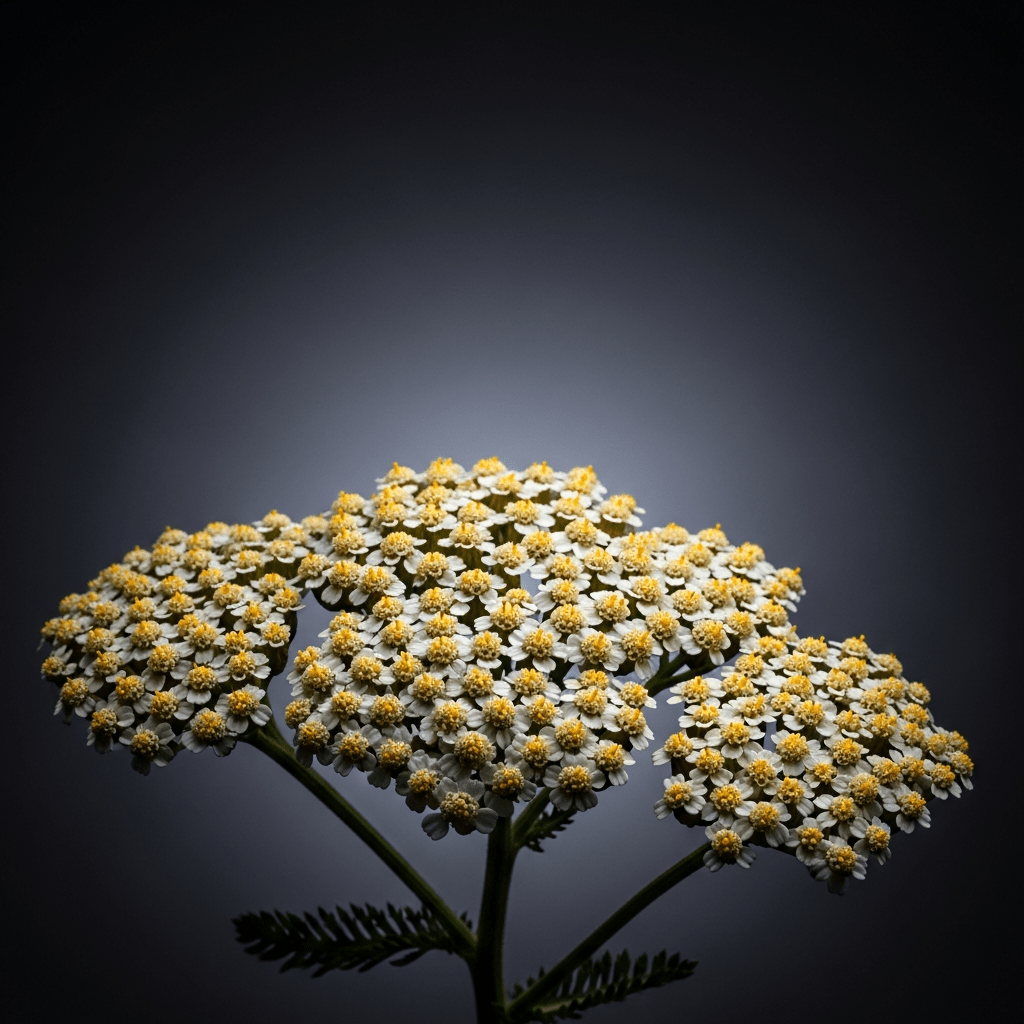
Yarrow is a resilient, herbaceous perennial flower recognized for its feathery foliage and flat-topped clusters of small, white or pink blooms, valued for its ornamental beauty, ecological benefits, and centuries-old medicinal uses.
Yarrow is a resilient, herbaceous perennial flower recognized for its feathery foliage and flat-topped clusters of small, white or pink blooms, valued for its ornamental beauty, ecological benefits, and centuries-old medicinal uses.
Yarrow (Achillea millefolium) traces its origins to Europe and Asia, where it has flourished in wild meadows and grasslands for millennia. The species was formally described by Carl Linnaeus in 1753, and its genus name honors Achilles, the legendary Greek hero said to have used yarrow to treat wounds. Over time, yarrow has naturalized across North America and other temperate regions, becoming a staple in gardens and wild landscapes alike.
Yarrow belongs to the genus Achillea within the family Asteraceae, a group renowned for composite flowers. Its scientific name is Achillea millefolium, and it is one of approximately 85 species in the genus. As a member of the Asteraceae, yarrow shares familial ties with daisies, sunflowers, and asters, characterized by their inflorescence structure and ecological adaptability.
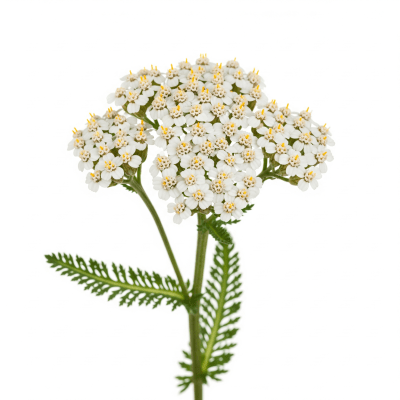
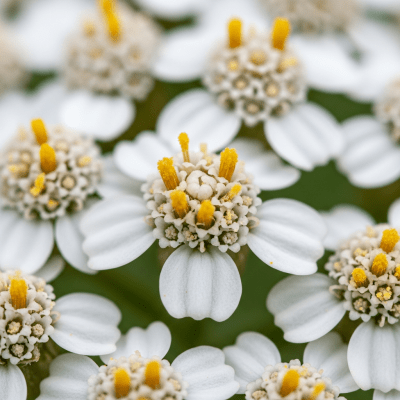
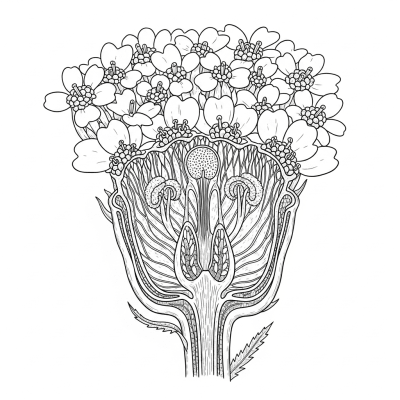
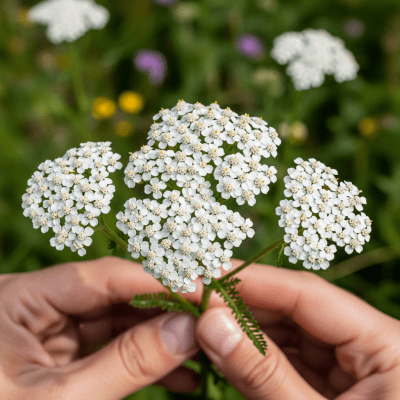
Yarrow presents as a low to medium-height perennial (20–100 cm), with finely dissected, aromatic, gray-green leaves reminiscent of ferns. Its flowering stems bear dense, flat-topped clusters (corymbs) composed of numerous tiny ray and disc florets, most commonly white but also pink, yellow, or red in cultivated varieties. The plant’s rhizomatous growth habit allows it to form attractive colonies, lending a soft, textured appearance to borders and wildflower meadows.
Yarrow thrives in well-drained soils and tolerates drought, making it an easy-care choice for gardeners. It attracts beneficial insects, supports pollinators, and serves as a companion plant by deterring pests and improving soil health. Beyond its ornamental role, yarrow is used in ecological restoration, erosion control, and as a medicinal herb. Its leaves and flowers are occasionally used in teas and bitters, though their strong, bitter flavor limits culinary use.
Bring this kind into your world illustrated posters, mugs, and shirts.
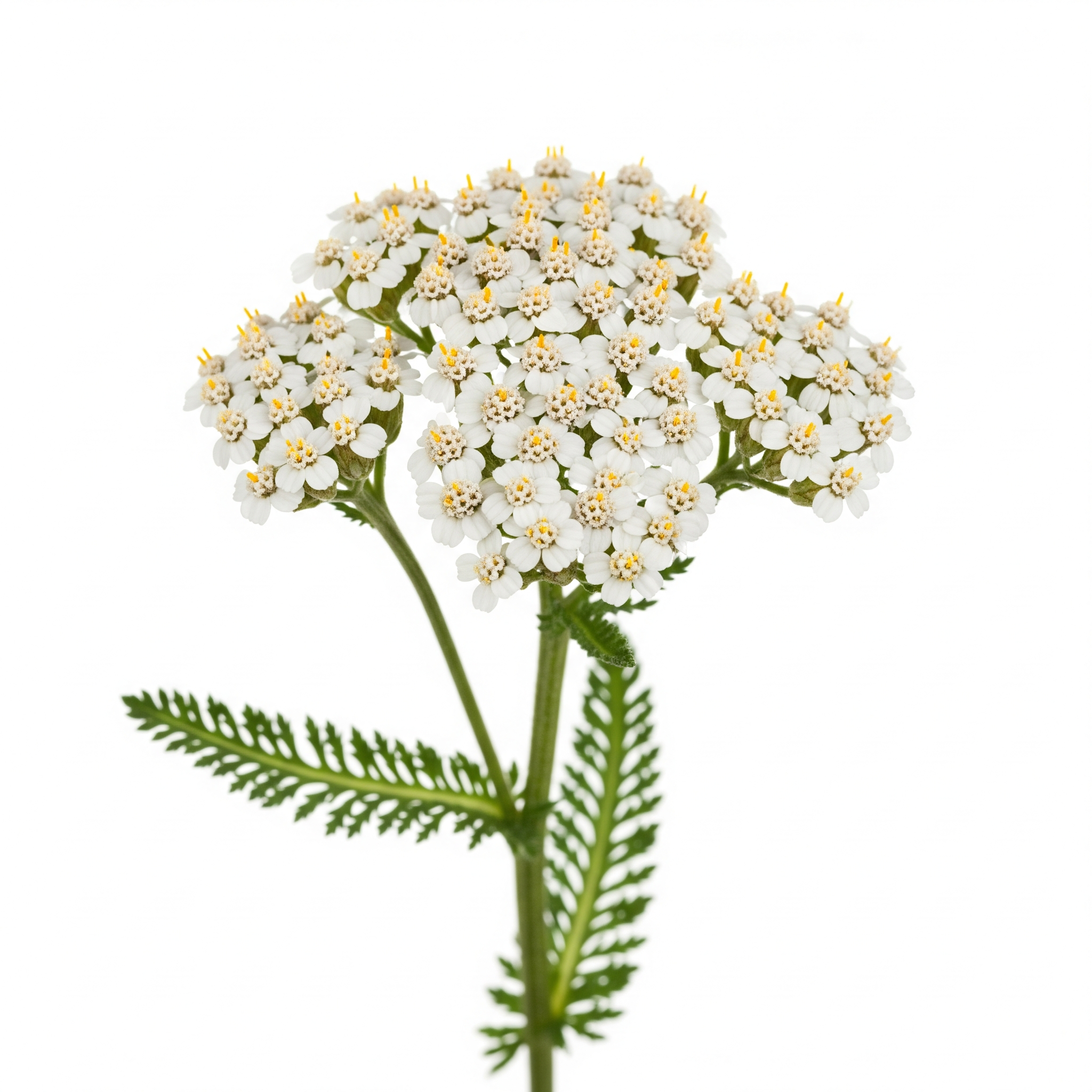
Archival print, museum-grade paper
Buy Poster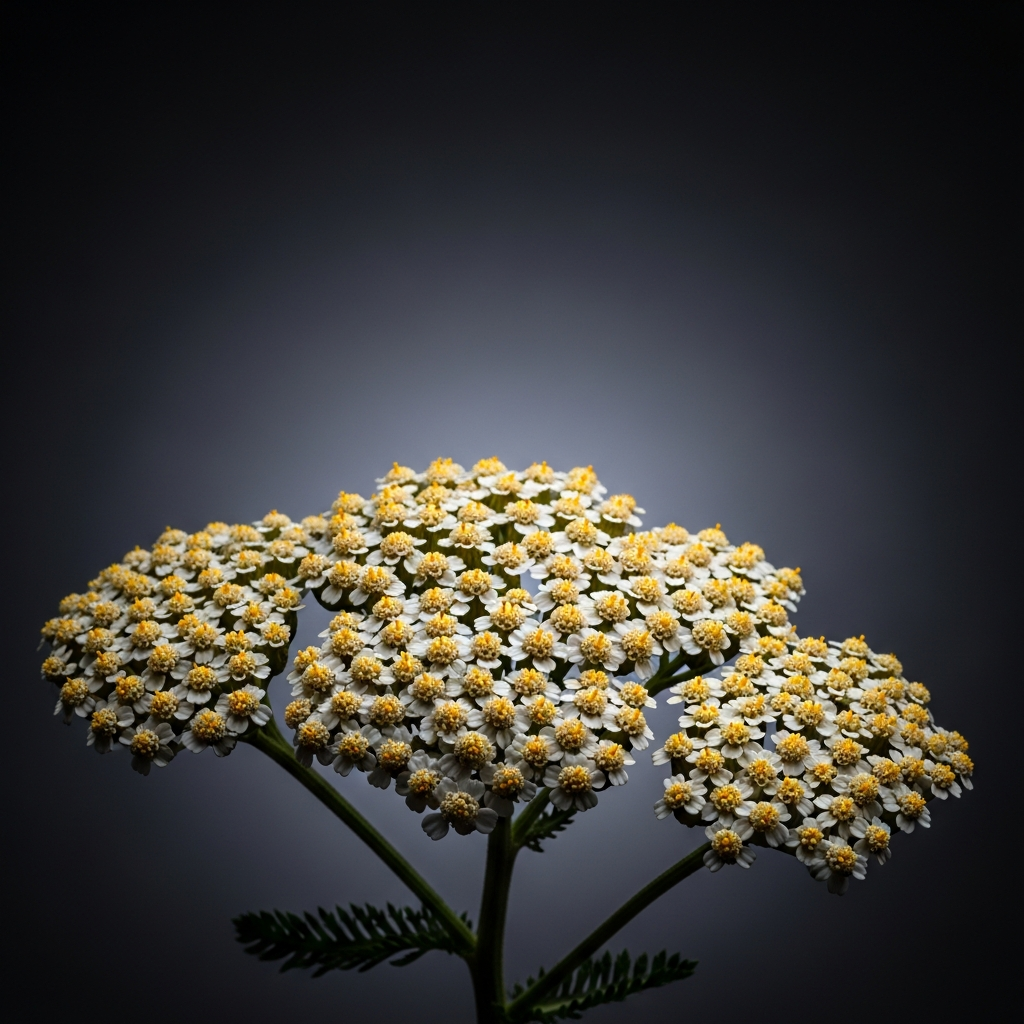
Stoneware mug, dishwasher safe
Buy Mug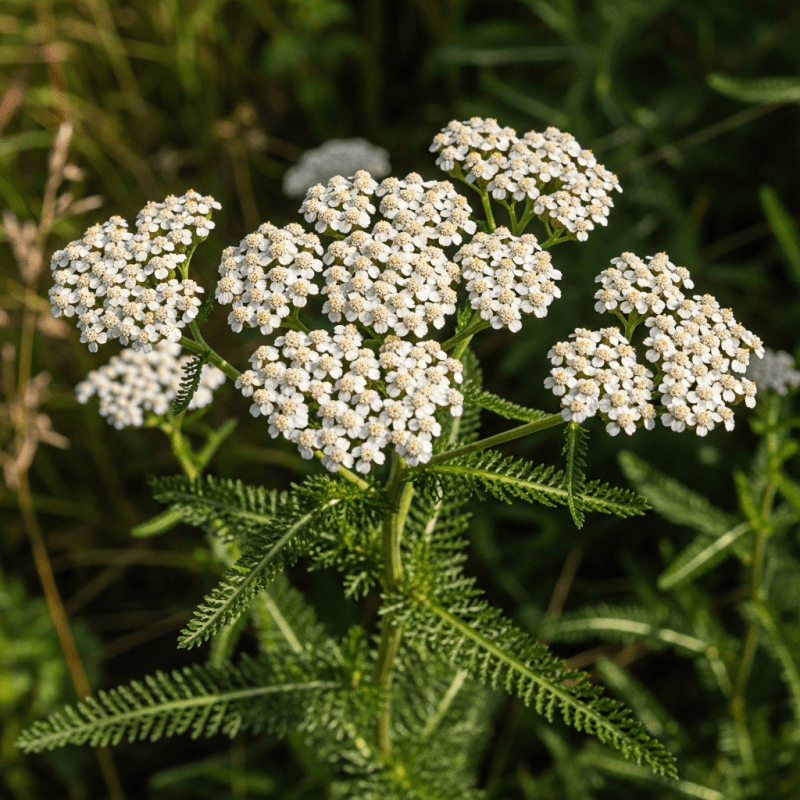
Soft cotton tee, unisex sizes
Buy ShirtYarrow’s history is steeped in legend and folklore. Associated with Achilles and ancient wound care, it has been called "soldier’s woundwort" and "nosebleed plant" for its reputed healing properties. In European and Native American traditions, yarrow features in herbal medicine, rituals, and divination. Its presence in wild landscapes and cottage gardens continues to inspire artists and gardeners, symbolizing resilience and healing.
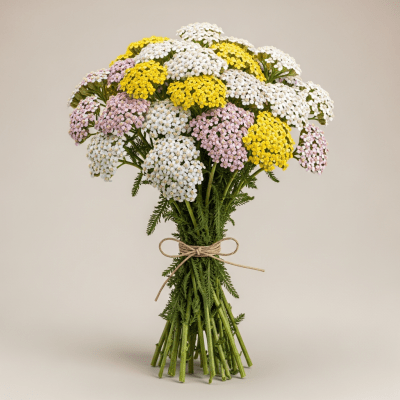
Yarrow’s foliage emits a fresh, aromatic scent, while its flowers have a mild fragrance. The color palette ranges from classic white in wild forms to soft pinks, sunny yellows, and vibrant reds in cultivated varieties, offering subtle beauty in both garden beds and wild meadows.
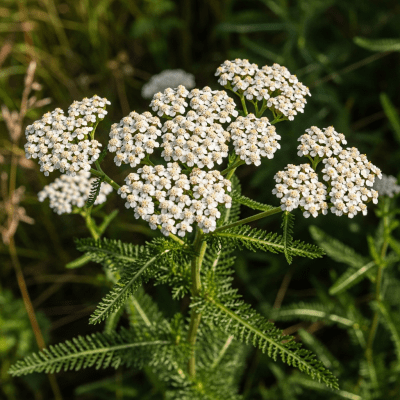
Yarrow flourishes in full sun to partial shade and prefers well-drained soil, though it tolerates poor conditions. Plant in spring or autumn, and propagate by seed, division, or rhizome cuttings. Minimal watering is required once established, and the plant is resistant to deer and most pests. To prevent powdery mildew, avoid overcrowding and ensure good air circulation. Deadheading spent blooms encourages continued flowering and prevents unwanted spreading.
Yarrow is a symbol of healing, protection, and resilience. Its historical use in treating wounds and its enduring presence in folklore have made it an emblem of recovery and strength. In some cultures, yarrow is also associated with love and divination, reflecting its multifaceted role in tradition and ritual.
Yarrow’s breeding history centers on its wild origins, with numerous cultivars and subspecies developed for enhanced flower color, compact growth, and increased resistance to lodging. While no single breeder or institution is credited with its development, horticulturists have selected forms with improved ornamental traits and adaptability for garden use.
Yarrow typically blooms from late spring through summer, with flowering extending into early autumn in favorable climates. Its availability as seed, live plants, or dried herb is year-round in commercial markets.