Wisteria
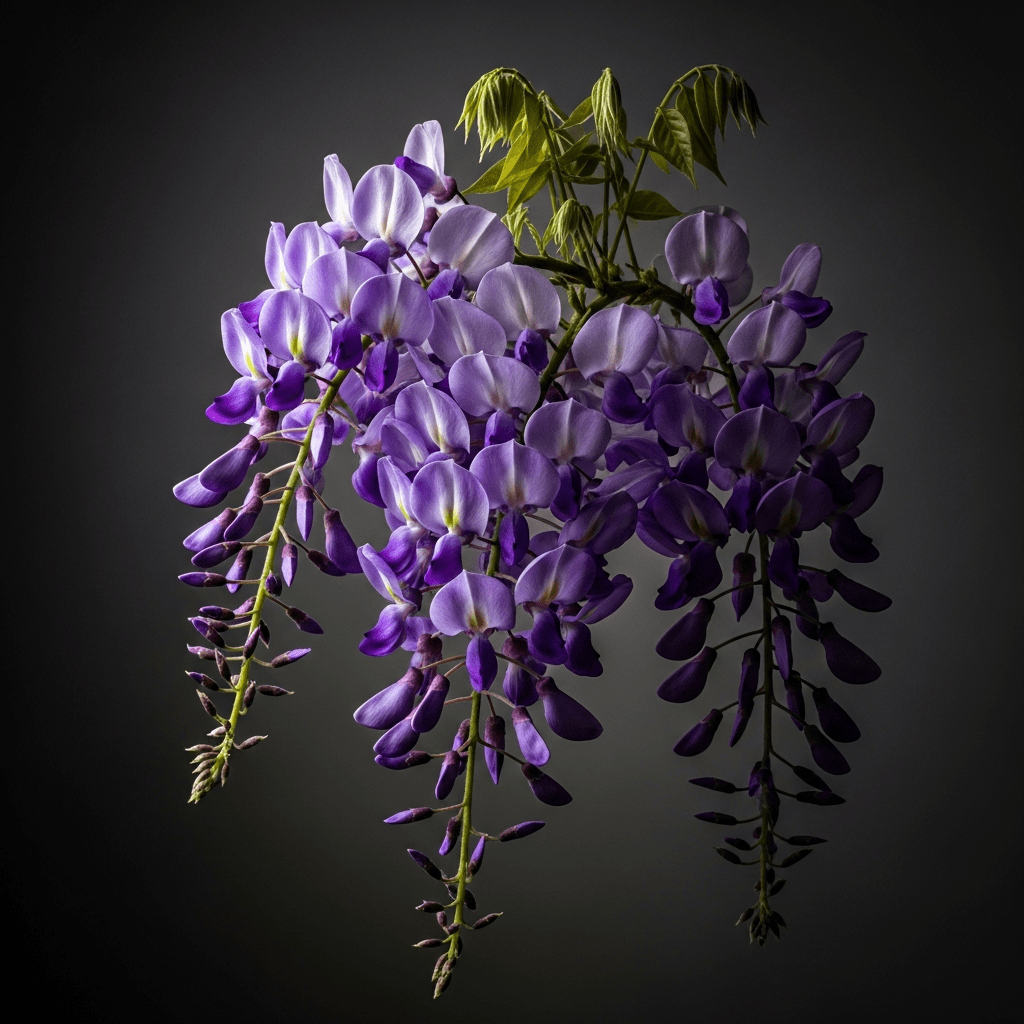
Wisteria is a genus of woody, deciduous climbing vines celebrated for their cascading, fragrant racemes of pea-like flowers in vibrant shades of purple, blue, pink, and white.
Wisteria is a genus of woody, deciduous climbing vines celebrated for their cascading, fragrant racemes of pea-like flowers in vibrant shades of purple, blue, pink, and white.
Wisteria traces its botanical roots to East Asia and North America. First described in 1818 by Thomas Nuttall and named for Dr. Caspar Wistar, the genus includes species native to China (Wisteria sinensis), Japan (Wisteria floribunda), and the southeastern United States (Wisteria frutescens). Chinese wisteria reached Europe in 1816, while Japanese wisteria was introduced to the West in 1830. Over time, horticulturists have developed numerous cultivars, each prized for unique floral traits and adaptability.
Wisteria belongs to the Fabaceae family, commonly known as the legume or pea family. Within this family, Wisteria is distinguished by its climbing growth habit and showy, pendulous flower clusters. The genus comprises approximately ten species, with Wisteria sinensis, Wisteria floribunda, and Wisteria frutescens being the most widely recognized and cultivated.
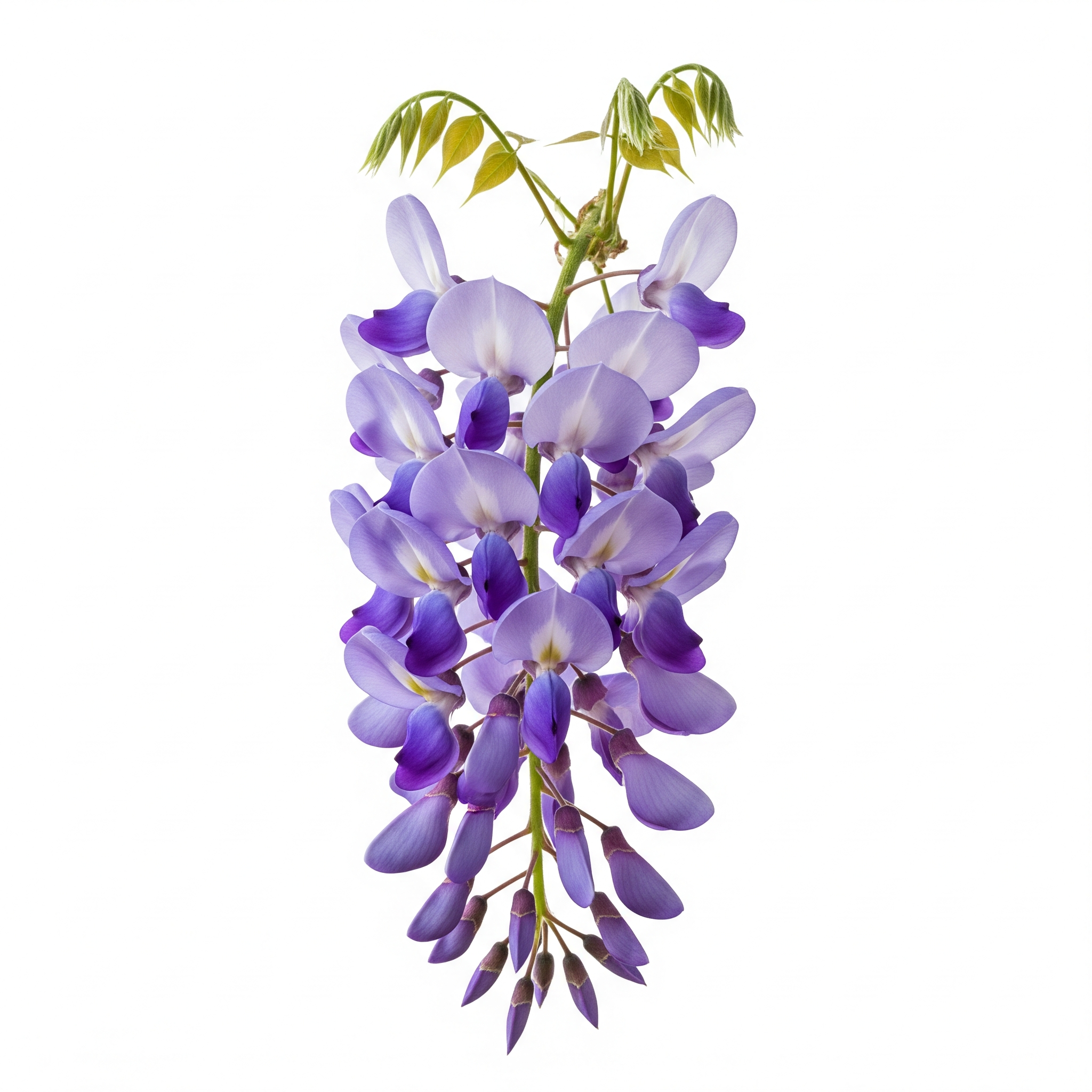
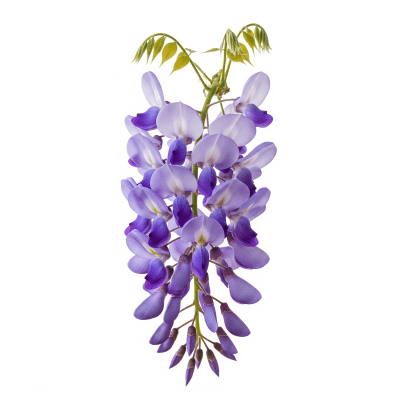
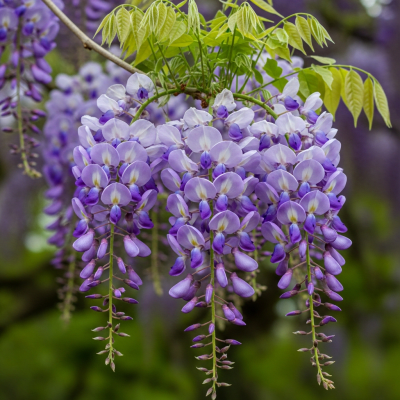
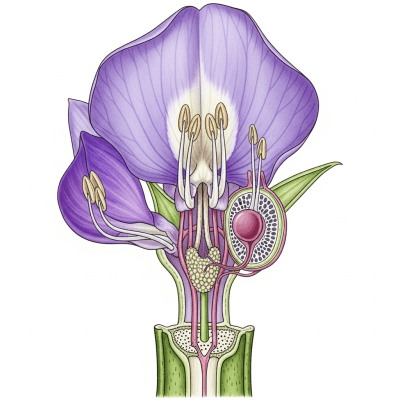
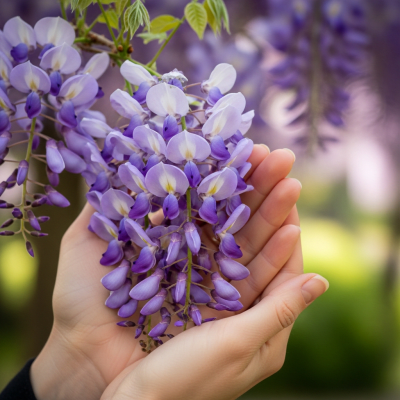
Wisteria vines are vigorous, woody climbers that can ascend to heights of 10–30 meters when given support. Their leaves are pinnately compound, typically featuring 9–19 leaflets. The most striking feature is the profusion of pendulous racemes, which range from 10 to 80 centimeters in length and bear zygomorphic, pea-like flowers. These blooms create a dramatic curtain effect in spring, with colors spanning violet, blue, lavender, pink, and white. The plant is deciduous, shedding its leaves in autumn, and produces velvety, bean-like pods after flowering.
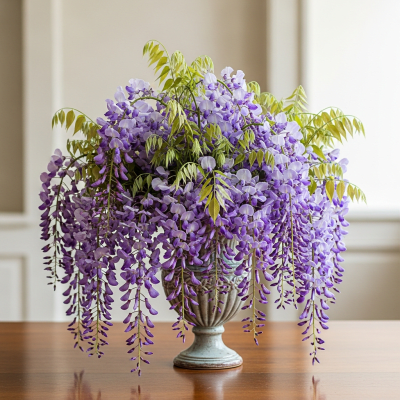
Wisteria is primarily cultivated for its ornamental value, transforming arbors, pergolas, and trellises with breathtaking floral displays each spring. Its vigorous twining stems require sturdy support and regular pruning to manage size and promote flowering. While some species' flowers are used in Japanese cuisine, most parts of the plant are toxic if ingested. Wisteria's ability to cover large structures and its resilience in various climates make it a favorite for landscape design and bonsai artistry.
Bring this kind into your world illustrated posters, mugs, and shirts.
Archival print, museum-grade paper
Buy Poster
Stoneware mug, dishwasher safe
Buy Mug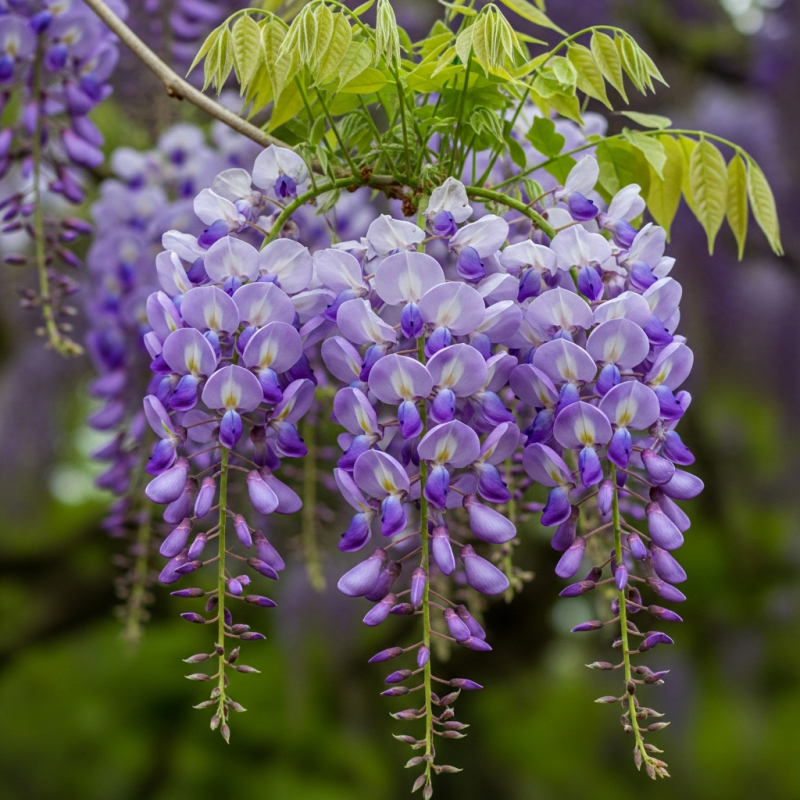
Soft cotton tee, unisex sizes
Buy ShirtWisteria holds a prominent place in art, literature, and symbolism across cultures. In Japan, "fuji" (Wisteria floribunda) is celebrated in festivals and traditional paintings, representing beauty and fleeting moments. The plant often symbolizes love, longevity, and devotion, appearing in poetry and visual arts worldwide. Its dramatic springtime blooms have inspired countless garden designs and remain a beloved motif in both Eastern and Western traditions.
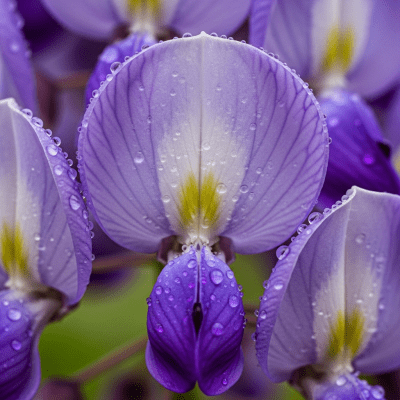
Wisteria flowers are renowned for their sweet, enchanting fragrance that fills the air during bloom. The color palette ranges from deep violet and blue to soft lavender, pink, and pure white, with some cultivars offering unique hues or bi-colored blooms. The combination of scent and color makes Wisteria a sensory highlight in spring gardens.
Wisteria thrives in full sun and well-drained, fertile soils, though it tolerates a range of soil types. Planting is best done in spring or autumn. Regular pruning is crucial to control vigorous growth and encourage abundant flowering. Propagation can be achieved by seed, softwood cuttings, layering, or grafting. Once established, Wisteria is moderately drought-tolerant and resistant to deer. However, it may not flower well in shade or poor soils, and unchecked growth can lead to invasiveness in some regions.
Wisteria is a symbol of love, longevity, and devotion in many cultures. In Japanese tradition, it represents elegance and the fleeting beauty of life, often featured in poetry and art. The plant’s ability to thrive for decades and its dramatic seasonal transformation also make it a metaphor for endurance and renewal.
Extensive breeding has produced a wide array of Wisteria cultivars, focusing on flower color, raceme length, and cold hardiness. Hybrids and selections such as 'Macrobotrys' are celebrated for their spectacularly long flower clusters. Cultivar development is often documented by horticultural societies and nurseries, with ongoing efforts to enhance ornamental traits and adaptability for various climates.
Wisteria blooms primarily in spring, with peak flowering occurring in April and May in temperate regions. Some cultivars may produce sporadic blooms in summer, but the most dramatic displays are seen as leaves emerge or just before.
Wisteria is chiefly valued as an ornamental plant, gracing gardens, arbors, pergolas, and trellises with its lush, cascading flowers. It is also cultivated as bonsai and serves as a muse in art and literature. In Japanese cuisine, flowers from select species are used as edible garnishes or in tempura, but all other plant parts are toxic. Wisteria is not commonly used in the commercial cut flower market due to its short vase life.