Violet
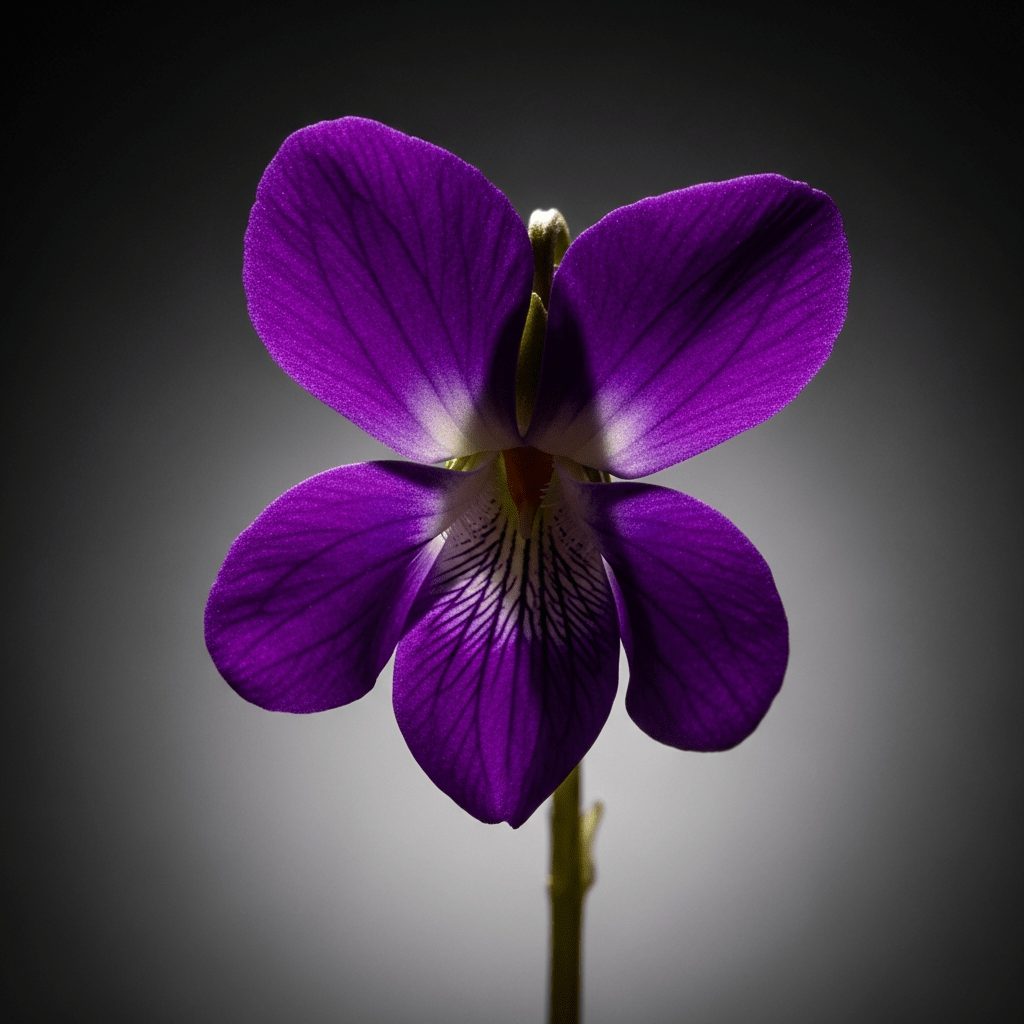
The violet is a charming and diverse group of flowering plants in the genus Viola, celebrated for their delicate blooms, heart-shaped leaves, and subtle fragrance.
The violet is a charming and diverse group of flowering plants in the genus Viola, celebrated for their delicate blooms, heart-shaped leaves, and subtle fragrance.
Violets trace their botanical origins to temperate regions across Europe, Asia, North America, and parts of Africa. First formally described by Carl Linnaeus in 1753, wild violets have flourished in woodlands and meadows for centuries. The pansy, a popular cultivated violet, emerged in Europe during the 19th century through hybridization of several wild species, notably Viola tricolor, Viola lutea, and Viola altaica. Early breeders such as Lord Gambier and William Thompson played key roles in developing these ornamental varieties.
Violets belong to the genus Viola within the family Violaceae, a group of herbaceous plants known for their distinctive, five-petaled flowers. The genus encompasses hundreds of species, including wild types and cultivated forms like pansies. While pansies (Viola × wittrockiana) are hybrids, sweet violets (Viola odorata) and dog violets (Viola riviniana) are notable species. Classification relies on flower morphology, leaf shape, and genetic lineage, with regional names and synonyms adding to their diversity.
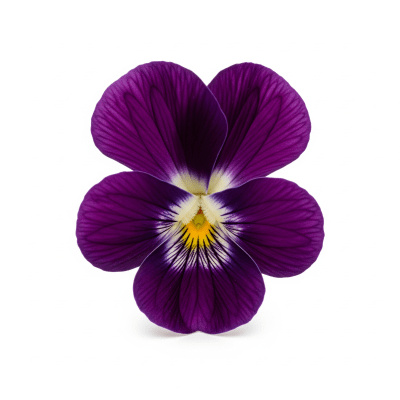
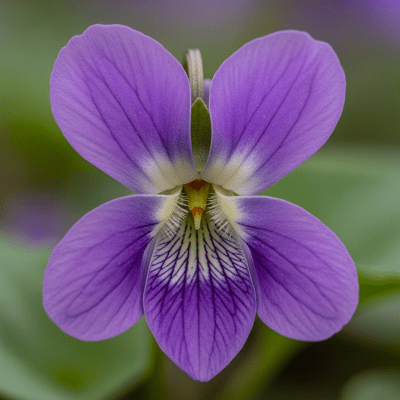
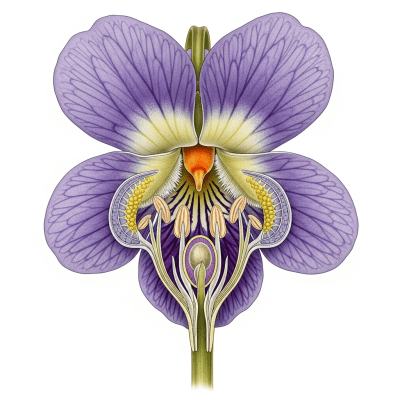
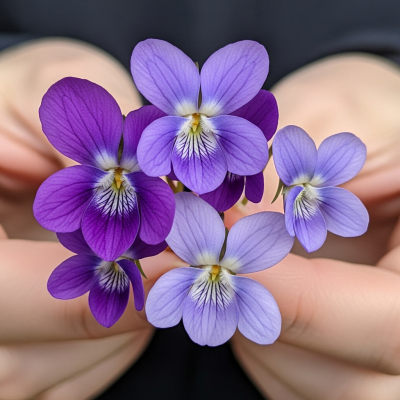
Violets are compact plants, typically 5–25 cm tall, with soft, heart-shaped leaves arranged in basal rosettes or alternately along the stem. Their flowers are bilaterally symmetrical, featuring five petals that may be purple, blue, white, or yellow. Pansy cultivars often display striking "faces" or markings. The blooms range from 1–5 cm in diameter, and many species exude a gentle, sweet fragrance. Overall, violets present a dainty yet vibrant form, making them favorites in gardens and wild landscapes alike.
Violets thrive as ground covers, bedding plants, and container specimens, adapting well to moist, shaded environments. Their ecological role includes attracting pollinators and providing food for certain wildlife. For humans, violets are valued ornamentally and culinarily—flowers and leaves of select species are edible and used in syrups, candies, and salads. Medicinally, violets have a history in herbal remedies for respiratory and skin conditions. In commerce, pansies and violets are staples of the bedding plant market worldwide.
Bring this kind into your world illustrated posters, mugs, and shirts.
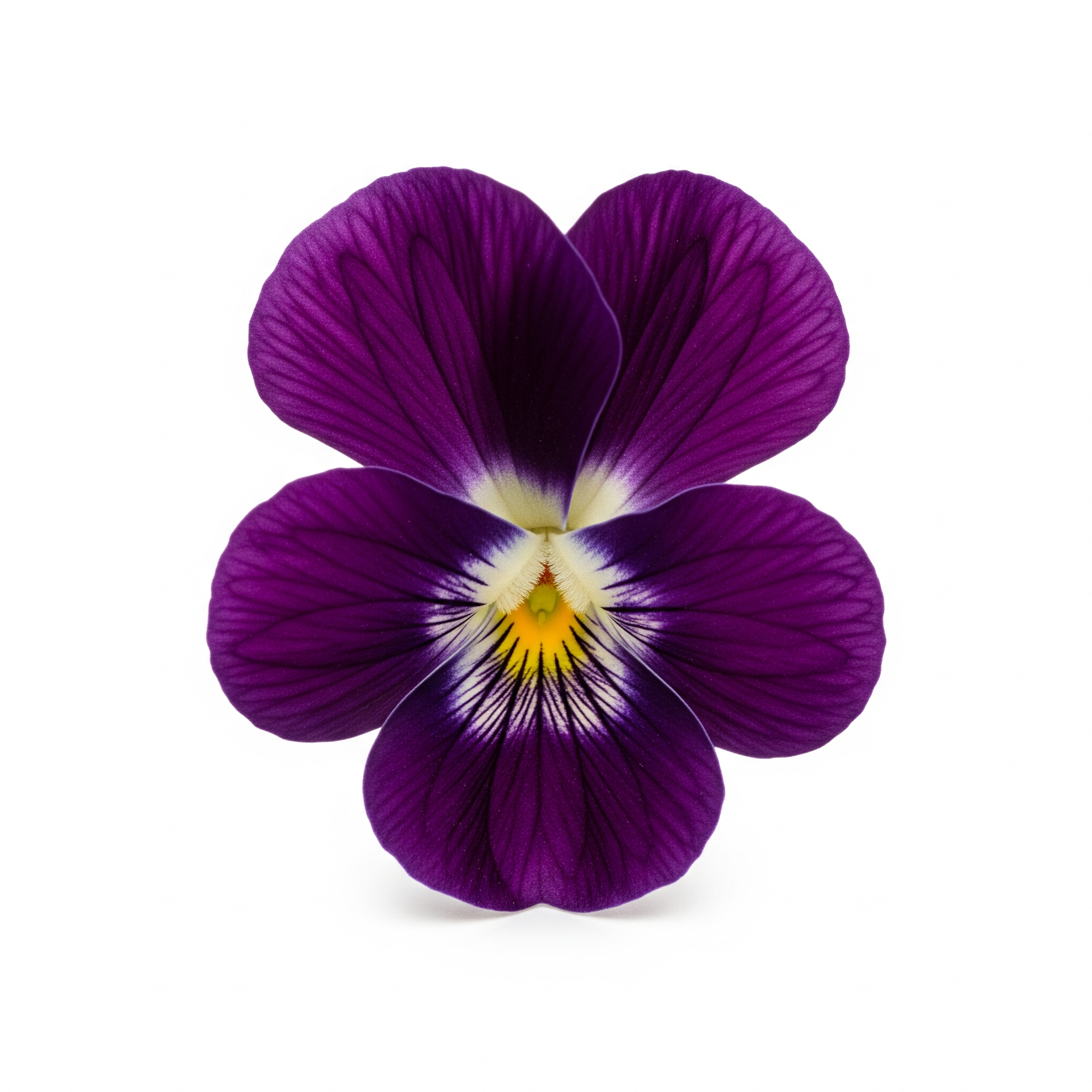
Archival print, museum-grade paper
Buy Poster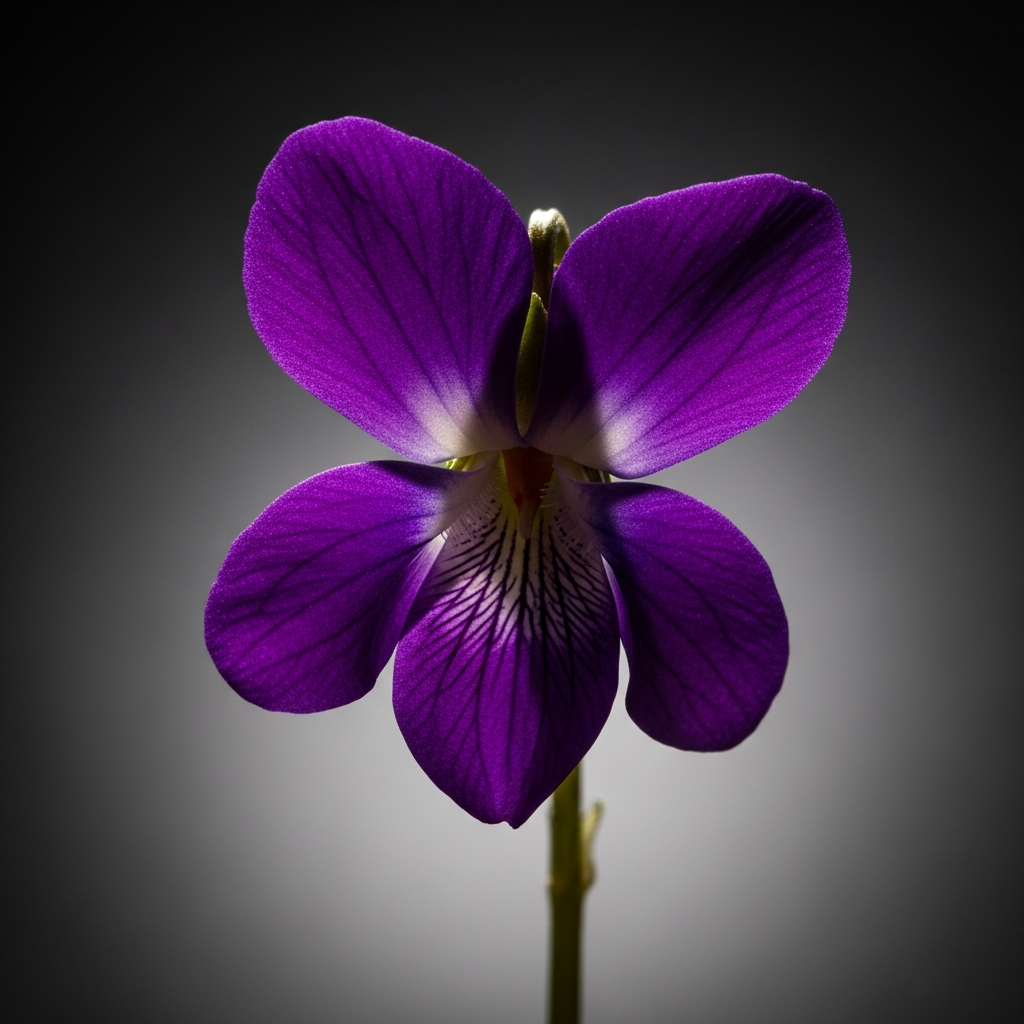
Stoneware mug, dishwasher safe
Buy Mug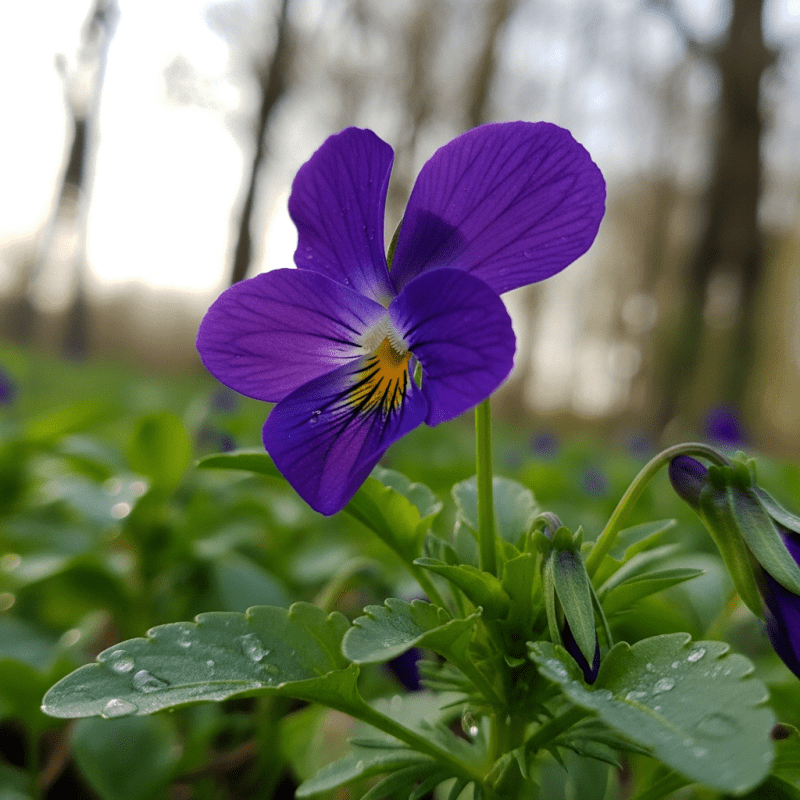
Soft cotton tee, unisex sizes
Buy ShirtViolets hold a rich place in cultural history, symbolizing modesty, faithfulness, and remembrance in Western traditions. They appear in literature, folklore, and art—from Shakespeare’s plays to Victorian poetry. In various cultures, violets are associated with spring, renewal, and affection. Their presence in myths and rituals underscores their enduring emotional resonance, making them popular motifs in decorative arts and celebrations.
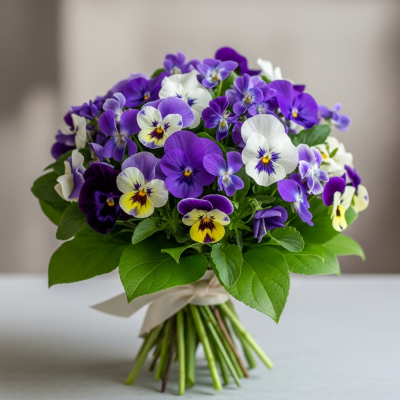
Violets are celebrated for their sweet, subtle fragrance, especially in species like Viola odorata. Their color palette spans deep purples, blues, whites, and yellows, often with delicate markings or multicolored "faces" in pansy varieties. The combination of gentle scent and vivid hues makes violets a sensory delight in gardens and bouquets.
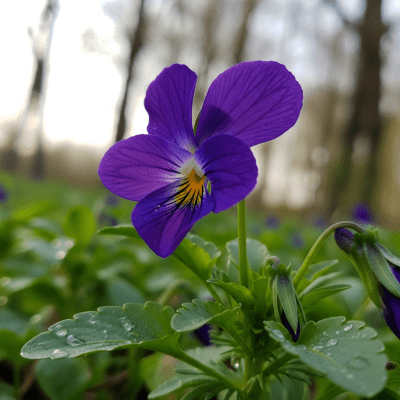
Violets flourish in moist, well-drained soils and prefer partial shade, though many tolerate sun with adequate watering. Planting is best done in spring or autumn. They can be propagated by seed, division, or cuttings. Regular deadheading encourages prolonged blooming, and mulching helps retain soil moisture. Violets are generally frost-hardy and require minimal maintenance, making them suitable for both novice and experienced gardeners.
Violets symbolize modesty, faithfulness, and remembrance, often given as tokens of affection or used in memorials. In Victorian language of flowers, they conveyed secret love and humility. Their enduring symbolism is reflected in poetry, art, and folklore, where violets evoke themes of renewal, innocence, and gentle strength.
Violet breeding has a storied history, especially in the development of pansies during the 19th century. European breeders like Lord Gambier and William Thompson hybridized wild species such as Viola tricolor, Viola lutea, and Viola altaica to create ornamental cultivars with enhanced color, size, and resilience. Modern breeding continues to expand the range of flower forms and hues, with pansies remaining the most prominent hybrid group within the genus.
Violets are generally resistant to deer and rabbits, but can be affected by fungal diseases like powdery mildew and rust. Aphids and slugs may also pose occasional problems. Good air circulation, proper spacing, and avoiding overhead watering help minimize disease risk. If issues arise, remove affected leaves and consider organic fungicides or insecticidal soap as needed.
Most violets bloom in spring, with some varieties flowering from early spring through late summer. Pansies, thanks to their hardiness, can bloom in cool seasons and are often available from autumn to late spring in temperate climates. Availability in gardens and markets varies by region and cultivar.
Violets serve multiple purposes: as ornamental bedding plants, ground covers, and container accents; as edible flowers and leaves for culinary creations like syrups, candies, and salads; and as ingredients in traditional herbal medicine. Their fragrance is prized in perfumery, and their symbolic meaning enriches cultural rituals and artistic expression. Commercially, pansies and violets are staples in the global bedding plant market.