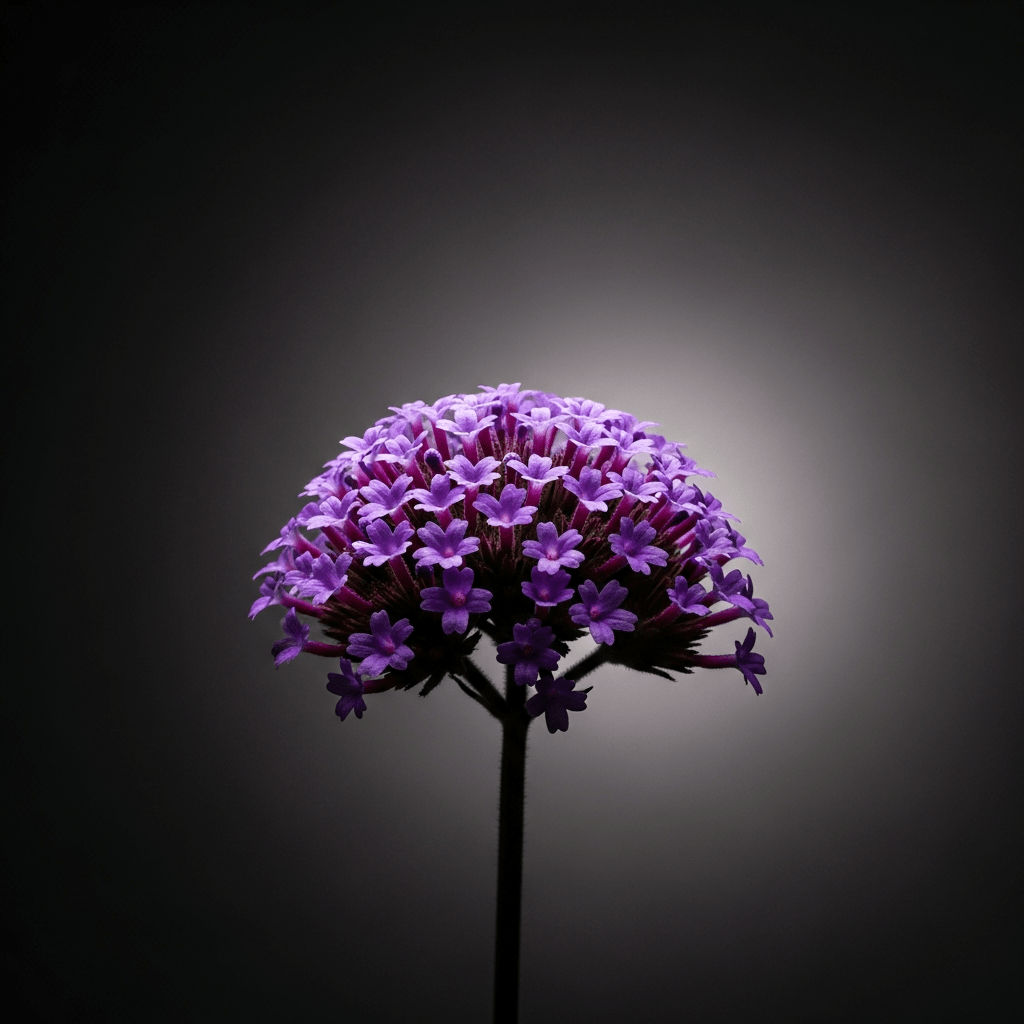
Verbena
Verbena is a diverse genus of flowering plants celebrated for its vivid, long-lasting blooms and resilience in garden landscapes.
Verbena is a diverse genus of flowering plants celebrated for its vivid, long-lasting blooms and resilience in garden landscapes.
First described by Carl Linnaeus in 1753, Verbena traces its name to Latin, where it referred to sacred plants used in ancient rituals. Native species are widespread across the Americas, with select varieties originating in Europe and Asia. Over centuries, horticulturists around the globe have cultivated and hybridized Verbena, notably through efforts by the Royal Horticultural Society and North American nurseries, resulting in the vibrant, garden-ready forms popular today.
Verbena belongs to the family Verbenaceae within the angiosperms, the flowering plants. The genus comprises numerous species and cultivars, with taxonomic ambiguity sometimes splitting North American species into the related genus Glandularia. Its position in the floral hierarchy places it among ornamental and wildflowers, valued for both scientific study and horticultural beauty.
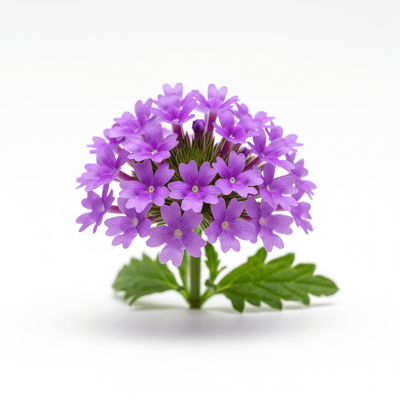
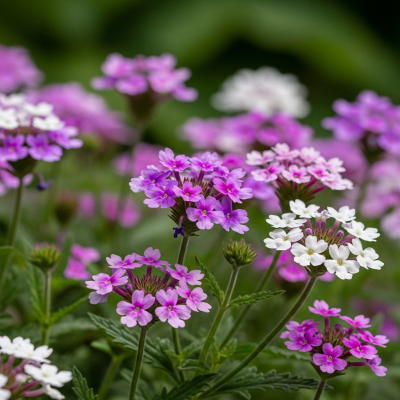
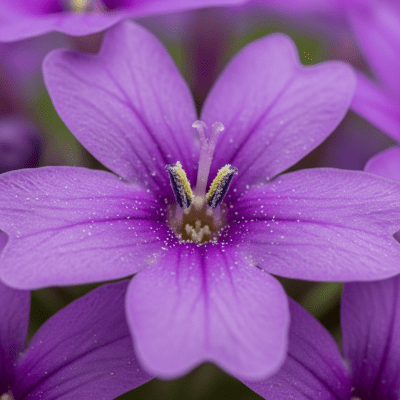
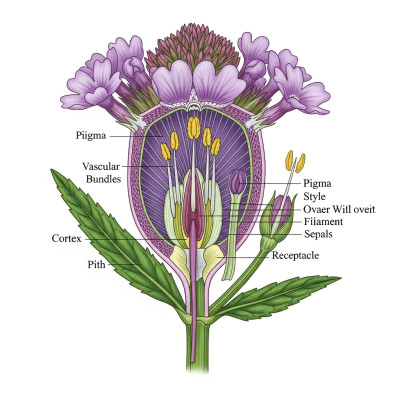
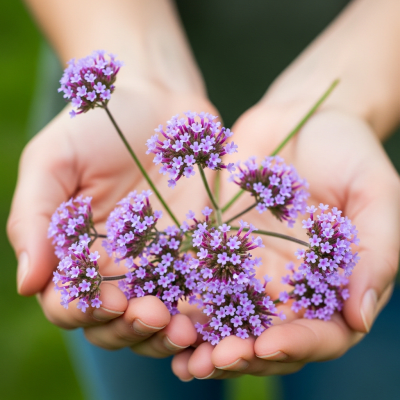
Verbena plants exhibit striking diversity in form. They range from low, mat-forming groundcovers to upright, bushy specimens reaching over a meter in height. Leaves are typically opposite, simple or dissected, and may be smooth or hairy. The flowers are small, five-lobed, and tightly clustered into corymbs or spikes, displaying a palette of purple, pink, red, white, and blue. This dense, colorful display persists from late spring through autumn, creating a lively presence in any garden.
Primarily grown as ornamentals, Verbenas thrive in garden beds, containers, and landscape plantings. Their extended blooming season and drought tolerance make them favorites for low-maintenance, pollinator-friendly gardens. Verbenas attract butterflies and bees, contributing to ecological health, while their groundcover varieties help suppress weeds and stabilize soil. Some species, such as Verbena officinalis, have a history of medicinal use, but most are valued for their visual appeal.
Bring this kind into your world illustrated posters, mugs, and shirts.
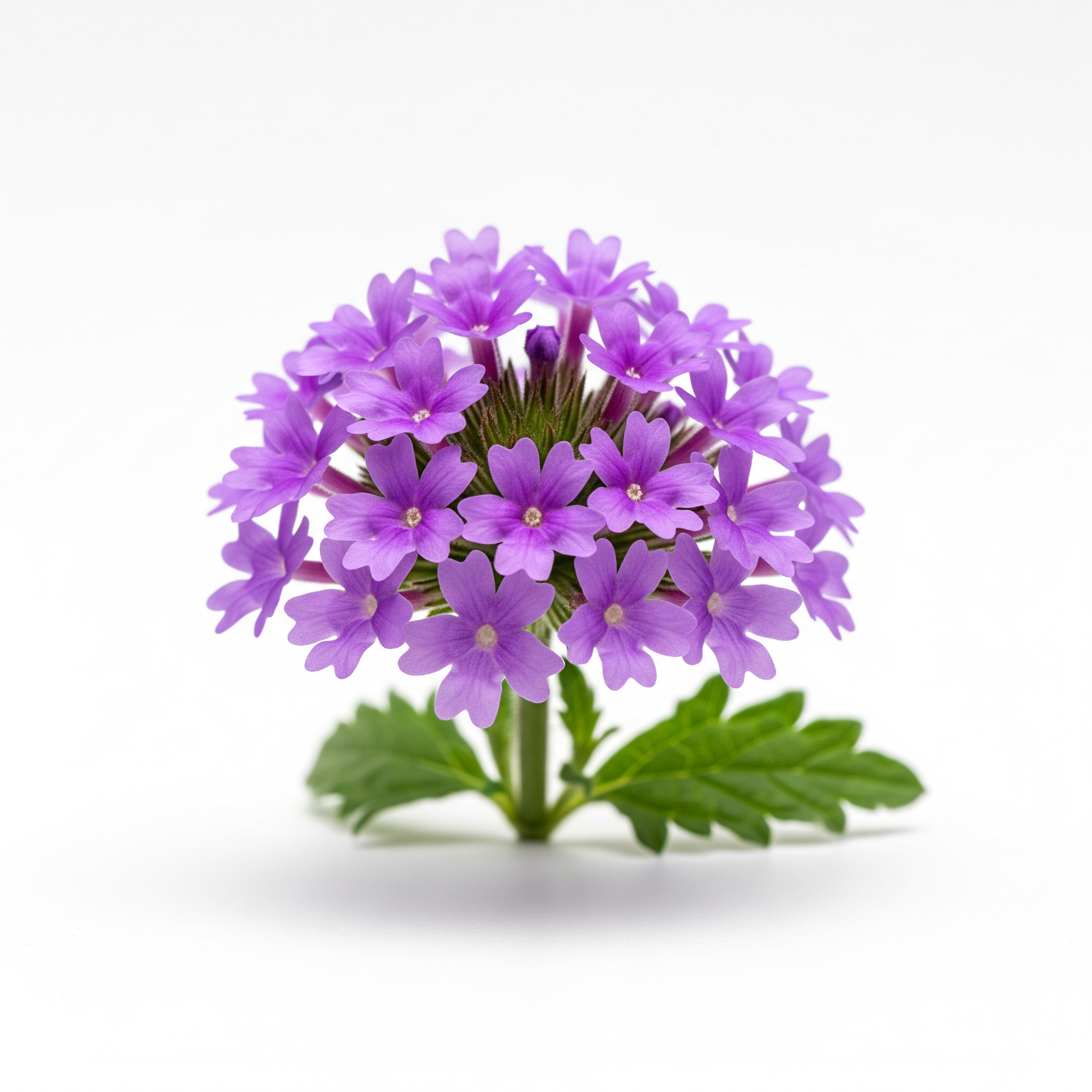
Archival print, museum-grade paper
Buy Poster
Stoneware mug, dishwasher safe
Buy Mug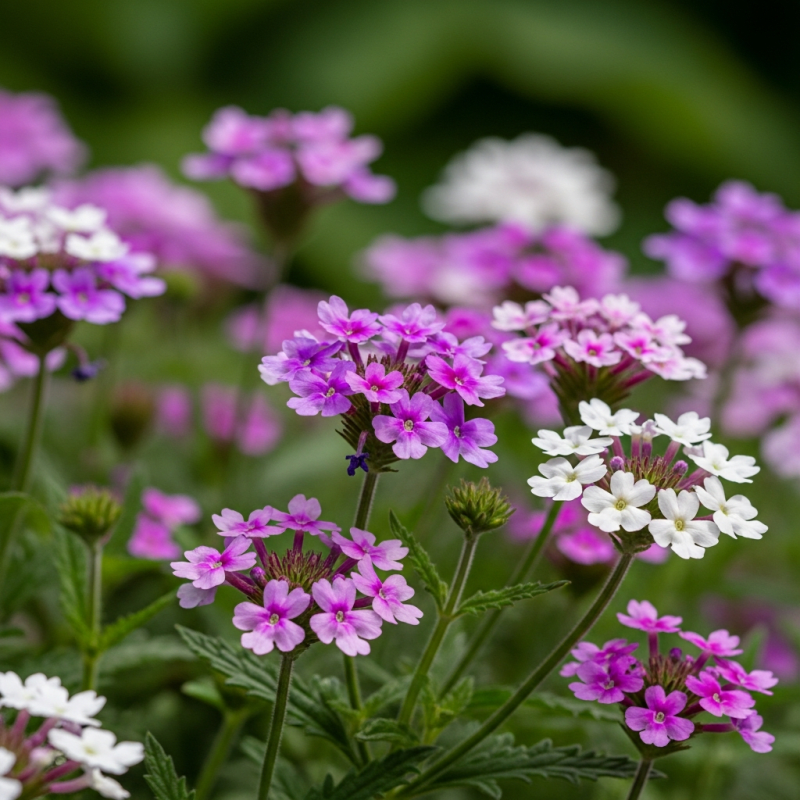
Soft cotton tee, unisex sizes
Buy ShirtVerbena holds a special place in folklore and tradition. The name itself is rooted in ancient rituals, where "verbena" denoted sacred plants used in ceremonies. In Spanish-speaking cultures, "verbena" also refers to festive gatherings, highlighting its association with celebration and community. Throughout history, certain species have been regarded as symbols of healing and protection, featuring in herbal remedies and myth.
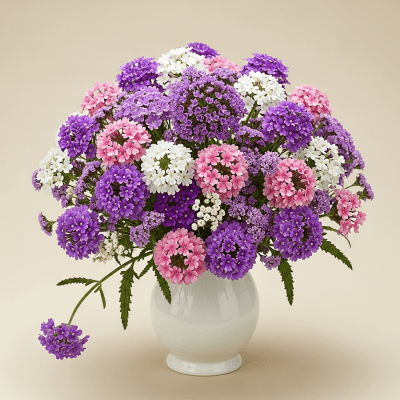
Verbena flowers are best known for their vibrant colors, spanning purple, pink, red, white, and blue. While most ornamental verbenas are not notably fragrant, their vivid clusters create a visually striking effect in gardens and containers.
Verbenas flourish in full sun and well-drained soils, displaying excellent drought tolerance once established. They are best propagated by seed or cuttings and require minimal maintenance beyond regular deadheading to encourage continuous bloom. Avoid overwatering, as verbenas are prone to powdery mildew and root rot in humid or poorly drained conditions. Their heat tolerance and moderate resistance to deer make them suitable for a wide range of climates and garden styles.
Verbena has long symbolized healing, protection, and sacredness, owing to its historical use in rituals and herbal remedies. In modern contexts, it is often associated with creativity, joy, and community, reflecting both its lively blooms and its role in cultural celebrations.
Modern Verbena cultivars owe much to global breeding efforts, especially from the Royal Horticultural Society and North American nurseries. Many popular hybrids are derived from crosses between Verbena peruviana, Verbena rigida, and Verbena x hybrida, resulting in improved vigor, disease resistance, and color range. The development of trailing and upright forms has expanded their garden applications, while ongoing hybridization continues to introduce new shades and growth habits.
Verbena typically blooms from late spring through autumn, with some species flowering year-round in mild climates. Its long blooming period ensures continuous garden color across multiple seasons.
Verbena is primarily cultivated as an ornamental plant for garden beds, containers, and landscape designs. Its vibrant, long-lasting flowers attract pollinators and add visual interest. While most varieties are not used culinarily, Verbena officinalis has a legacy in herbal medicine as a mild sedative and anti-inflammatory. In Spanish-speaking cultures, "verbena" also evokes festive gatherings, underscoring its symbolic role in community and celebration.