Tulip
The tulip is a celebrated spring-blooming bulbous flower, instantly recognized for its vibrant, cup-shaped blooms and its enduring role in gardens, floriculture, and cultural symbolism worldwide.
The tulip is a celebrated spring-blooming bulbous flower, instantly recognized for its vibrant, cup-shaped blooms and its enduring role in gardens, floriculture, and cultural symbolism worldwide.
Tulips trace their origins to a vast region spanning Southern Europe, North Africa, the Middle East, and Central Asia, with wild ancestors thriving in the Tien Shan and Pamir-Alai mountains. Formally described by Carl Linnaeus in 1753, tulips entered Western Europe in the 16th century, where Carolus Clusius established the first major collections at the University of Leiden in 1593. The Netherlands soon became the epicenter of tulip breeding and trade, a legacy that endures today.
Belonging to the genus Tulipa within the family Liliaceae, tulips are part of the angiosperms—flowering plants known for their showy reproductive structures. The genus encompasses over 75 wild species and thousands of horticultural cultivars, with the modern garden tulip (Tulipa × gesneriana) representing a complex hybrid lineage. Classification relies on both botanical taxonomy and horticultural groupings, reflecting the flower’s diversity and global reach.
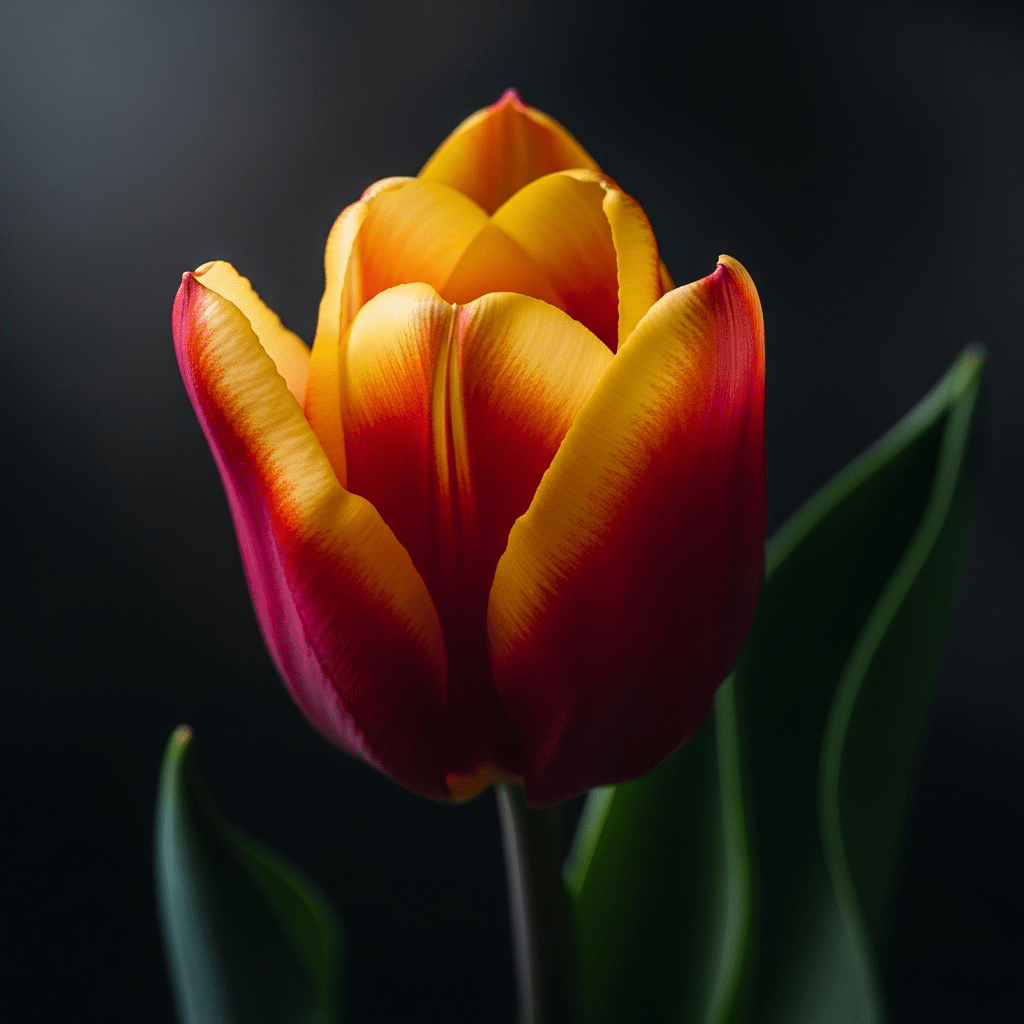
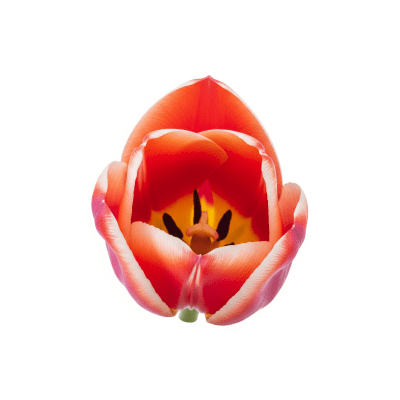
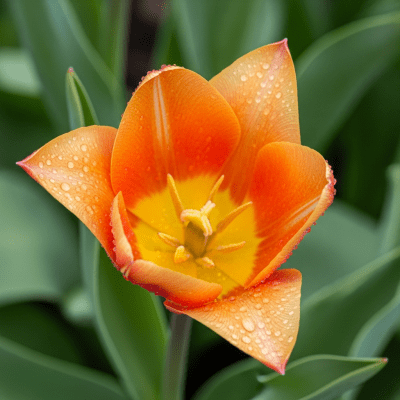
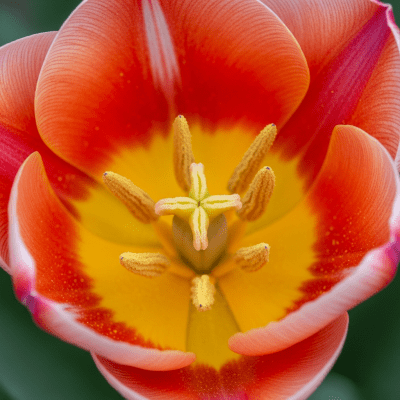
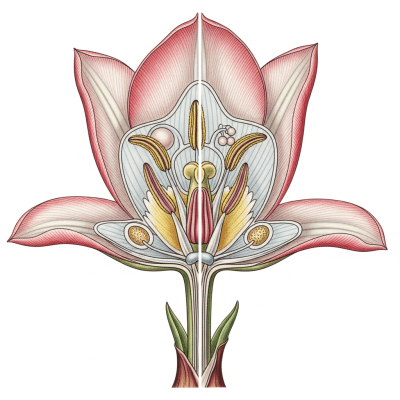
Tulips are perennial, herbaceous, bulbous plants, typically growing 10–70 cm tall. Each plant produces 2–6 strap-shaped, waxy leaves and one or occasionally several upright, cup-shaped flowers composed of six petal-like tepals. The blooms come in a dazzling array of colors—red, pink, yellow, white, purple, orange, and multicolored patterns—though true blue is absent. Flower diameters range from 3–10 cm, and forms may be rounded, pointed, or fringed, lending tulips their signature elegance.
Tulips are primarily cultivated as ornamental plants in gardens, parks, and public displays, and are a staple of the global cut flower market. Their bulbs require winter chilling to bloom, making them well-suited to temperate climates. Tulips interact with humans through their beauty, symbolism, and economic value, and their annual spring emergence marks a celebrated seasonal event in many cultures.
Bring this kind into your world illustrated posters, mugs, and shirts.
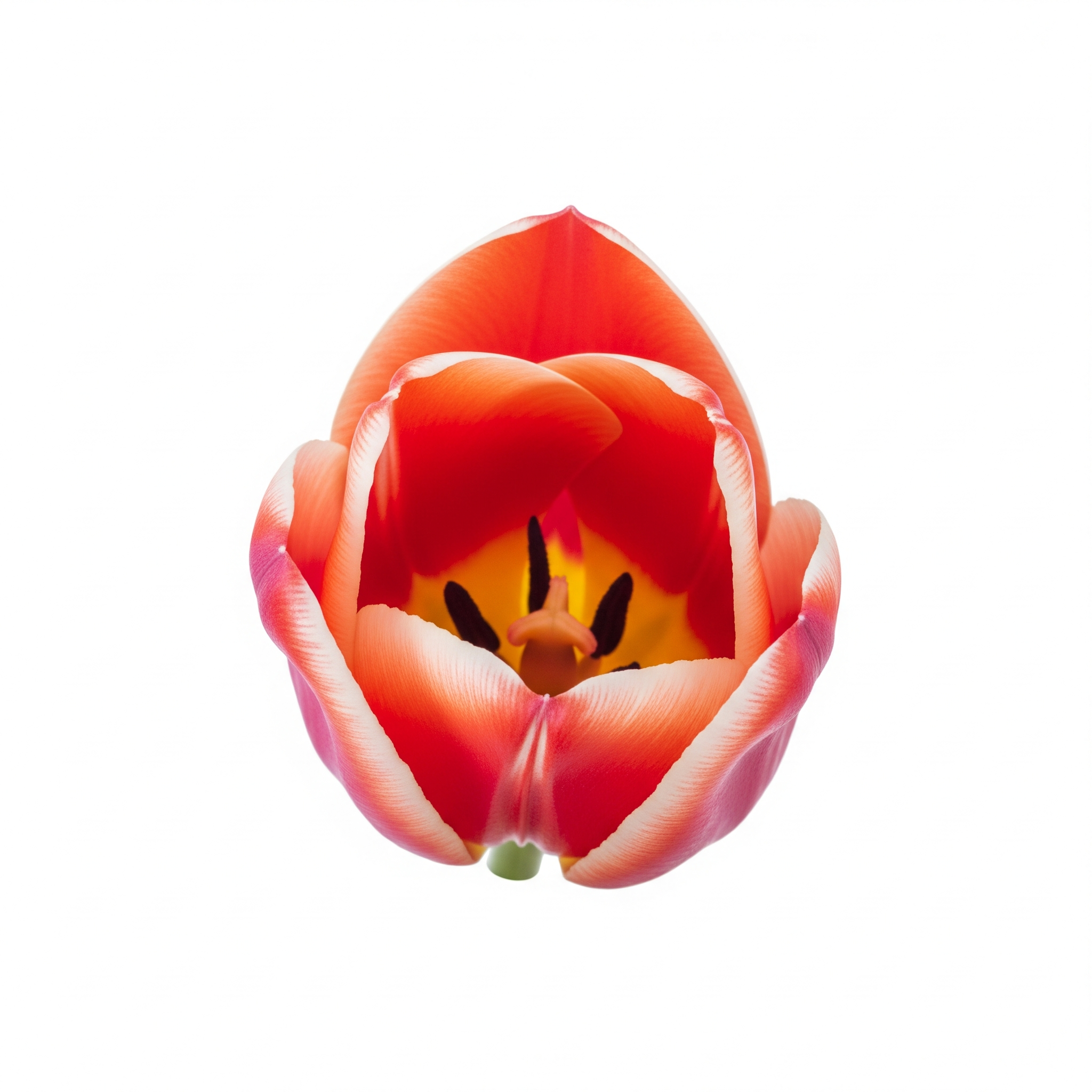
Archival print, museum-grade paper
Buy Poster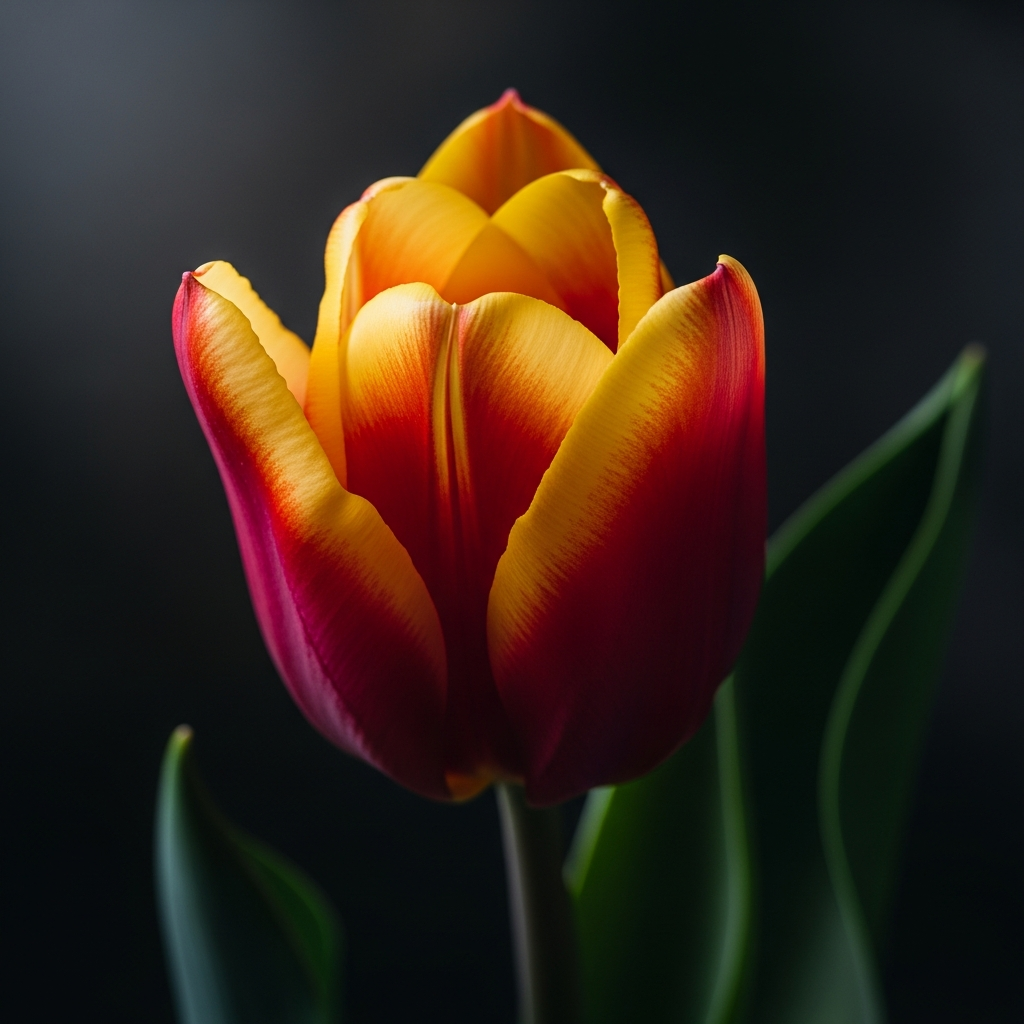
Stoneware mug, dishwasher safe
Buy Mug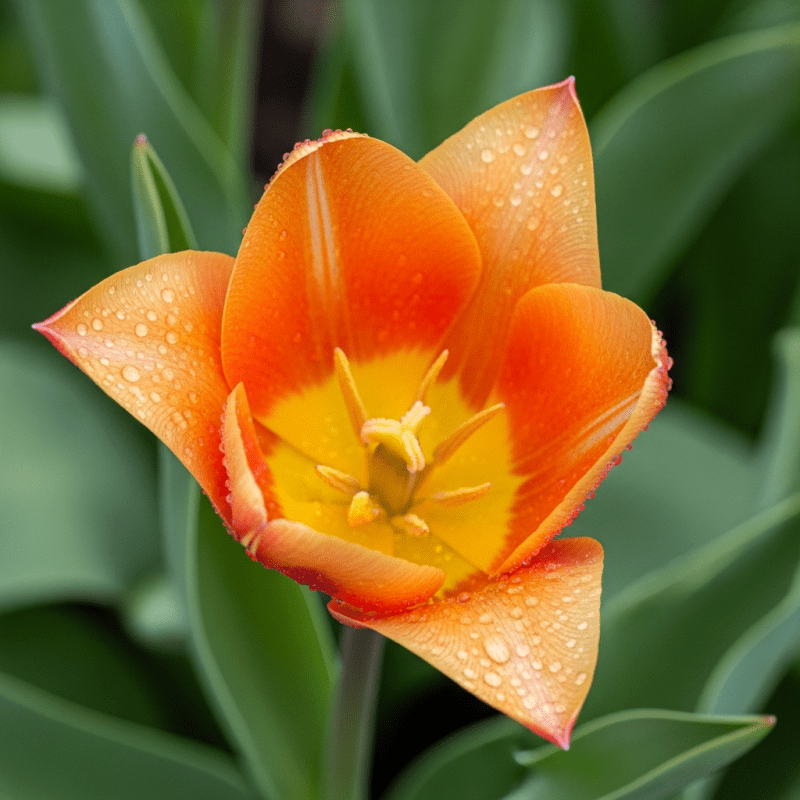
Soft cotton tee, unisex sizes
Buy ShirtFew flowers rival the tulip’s cultural impact. In the Netherlands, tulips sparked the historic "Tulip Mania" of the 17th century and remain a national icon. They are the national flower of Turkey and Iran, symbolizing love, rebirth, and prosperity. Tulips feature prominently in art, literature, and design, and are central to festivals such as Keukenhof Gardens and tulip celebrations worldwide. Their vivid colors and elegant forms have inspired generations of artists and gardeners alike.
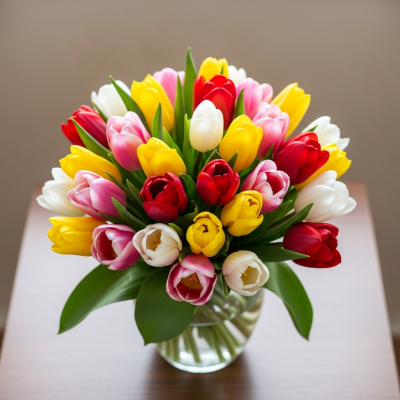
Tulips are celebrated for their vivid color palette, which includes shades of red, pink, yellow, white, purple, orange, and striking multicolored patterns. While most tulips are not notably fragrant, some wild species and select cultivars may offer a subtle, sweet scent. The visual impact of tulip displays is their defining sensory trait, captivating with bold hues and elegant forms.

Tulips thrive in well-drained, sandy or loamy soils and prefer full to partial sun. Bulbs should be planted in autumn, allowing for winter chilling essential to proper flowering. Regular watering during growth, avoidance of waterlogged conditions, and removal of spent flowers help maintain healthy plants. Propagation is typically by bulb division, with seeds used for breeding. After flowering, bulbs can be stored dry for several months until the next planting season.
Tulips symbolize love, rebirth, and prosperity across cultures. In Turkey and Iran, they are national emblems, representing beauty and renewal. Their spring emergence is often associated with new beginnings, while their diverse colors convey different messages—red for passionate love, yellow for cheerful thoughts, and white for forgiveness or purity. Tulips remain a universal symbol of hope and elegance.
Modern garden tulips are the result of centuries of hybridization, primarily involving Tulipa gesneriana, Tulipa suaveolens, and other Central Asian species. The Netherlands has led global tulip breeding since the 17th century, producing thousands of cultivars with diverse forms and colors. Notable historic breeders include Carolus Clusius and the University of Leiden. Hybrid groups such as Darwin Hybrids, Triumph, and Parrot tulips showcase the remarkable range achieved through selective breeding.
Tulips are typically in bloom from early to late spring, with exact timing varying by species and cultivar. Bulbs are planted in autumn and require a period of cold dormancy to flower successfully. Cut tulips are widely available in floral markets during the spring season.
Tulips are grown primarily for ornamental purposes, gracing gardens, parks, and public displays worldwide. They are a cornerstone of the cut flower industry, especially in the Netherlands, and are featured in festivals and art. While tulip petals were historically used as food during famine, most parts are toxic and not recommended for consumption. Tulips hold deep symbolic meaning and are cherished for their aesthetic and cultural value.