Tuberose
Tuberose (Agave amica) is a night-blooming, highly fragrant perennial flower celebrated for its waxy white blossoms and intoxicating scent, cherished in perfumery and cultural ceremonies worldwide.
Tuberose (Agave amica) is a night-blooming, highly fragrant perennial flower celebrated for its waxy white blossoms and intoxicating scent, cherished in perfumery and cultural ceremonies worldwide.
Native to Mexico, tuberose was cultivated by the Aztecs long before European contact. Its captivating fragrance led to its introduction to Europe in the 16th century, after which it spread to Asia and tropical regions. Though no single breeder is credited, tuberose’s domestication is ancient, and it has become a staple in gardens and ceremonies across continents.
Tuberose belongs to the family Asparagaceae, genus Agave, with its current accepted scientific name being Agave amica (formerly Polianthes tuberosa). It is classified among perennial, herbaceous flowering plants, and is distinguished by its unique floral morphology and intense fragrance within the broader taxonomy of angiosperms.
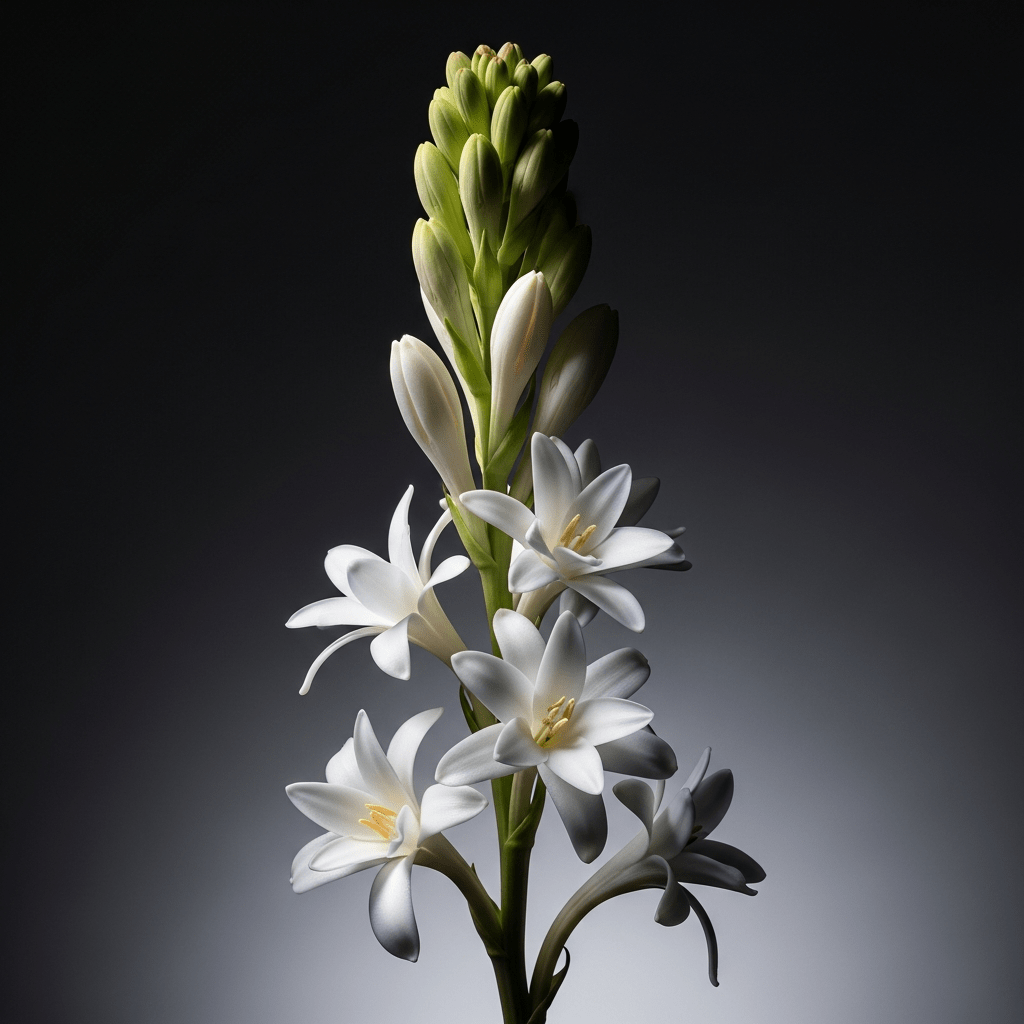
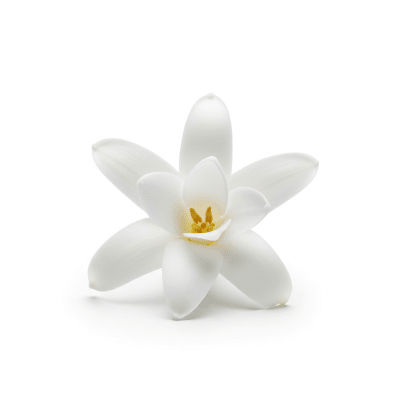
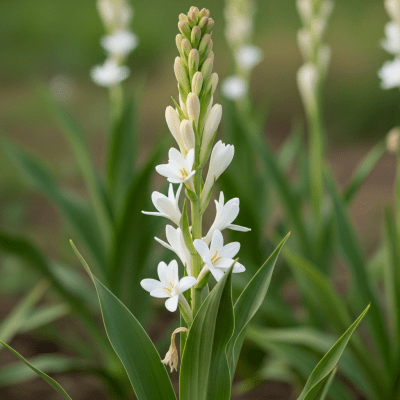
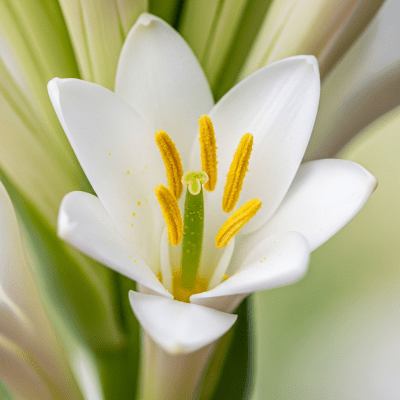
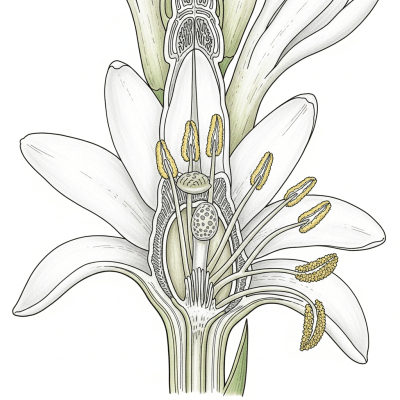
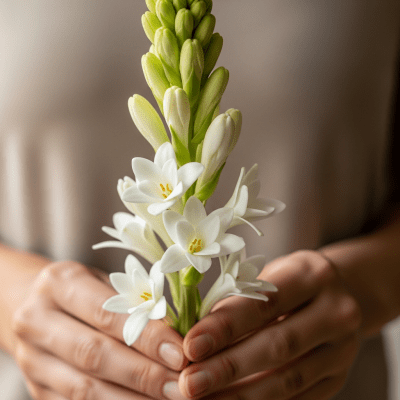
Tuberose grows from underground tuberous rhizomes, forming a basal rosette of slender, grass-like leaves. Its upright, unbranched stem can reach 45–100 cm, crowned by a spike of 10–30 waxy, white, tubular flowers. The blossoms are elegant and pristine, exuding an alluring presence especially at dusk, while the foliage remains understated and linear.
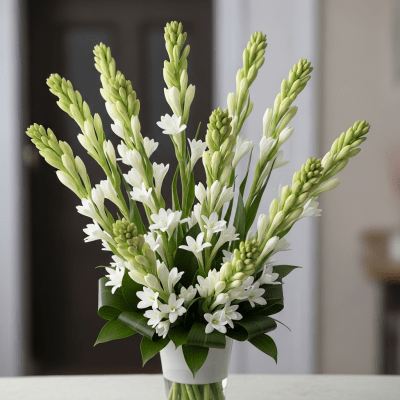
Tuberose is cultivated primarily for its ornamental value and exceptional fragrance. Its flowers are harvested for use in the cut flower trade and are a cornerstone of high-end perfumery. In many cultures, tuberose is woven into garlands, leis, and ceremonial arrangements, playing a vital role in weddings and religious rituals. The plant’s night-blooming habit enhances its appeal for evening events and gardens.
Bring this kind into your world illustrated posters, mugs, and shirts.
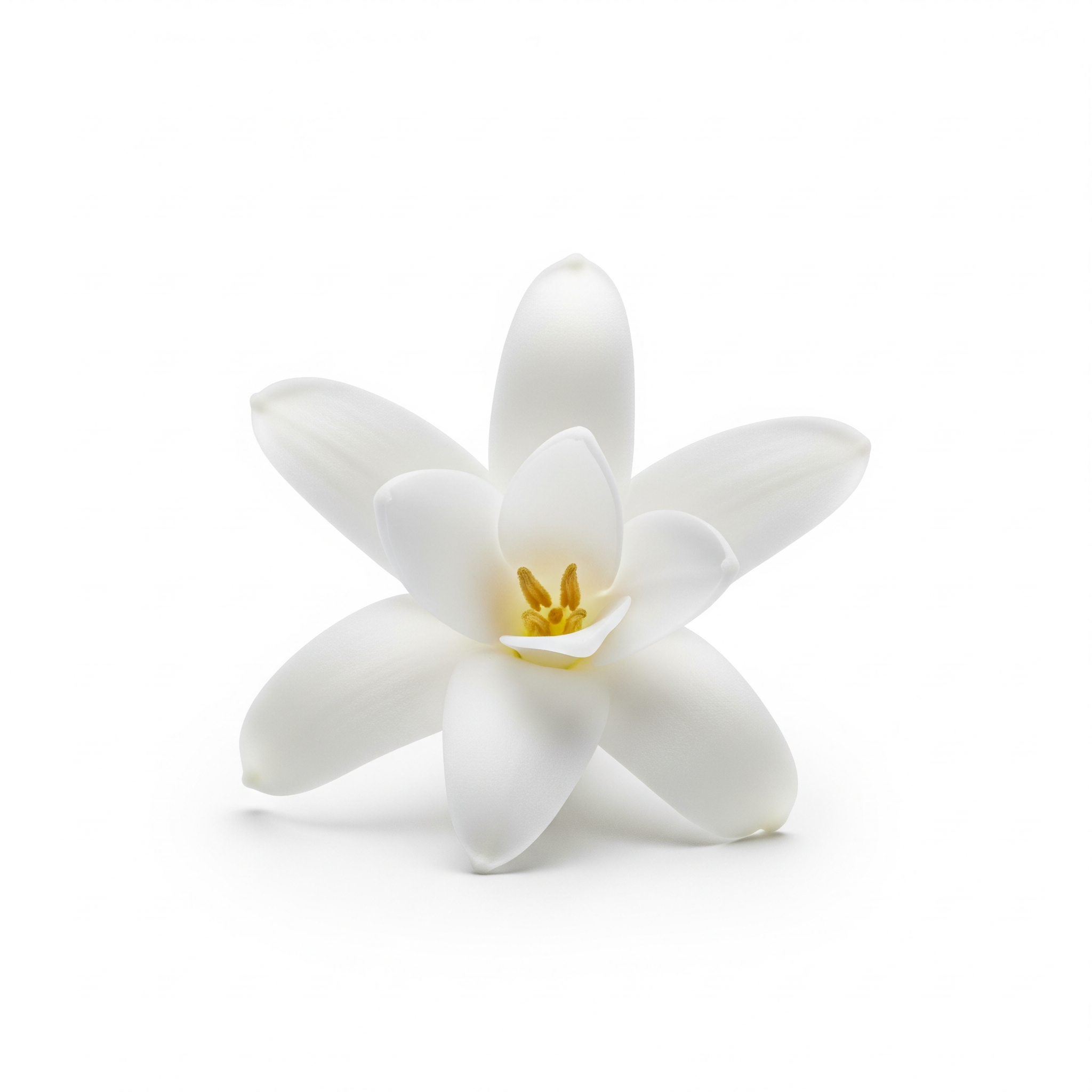
Archival print, museum-grade paper
Buy Poster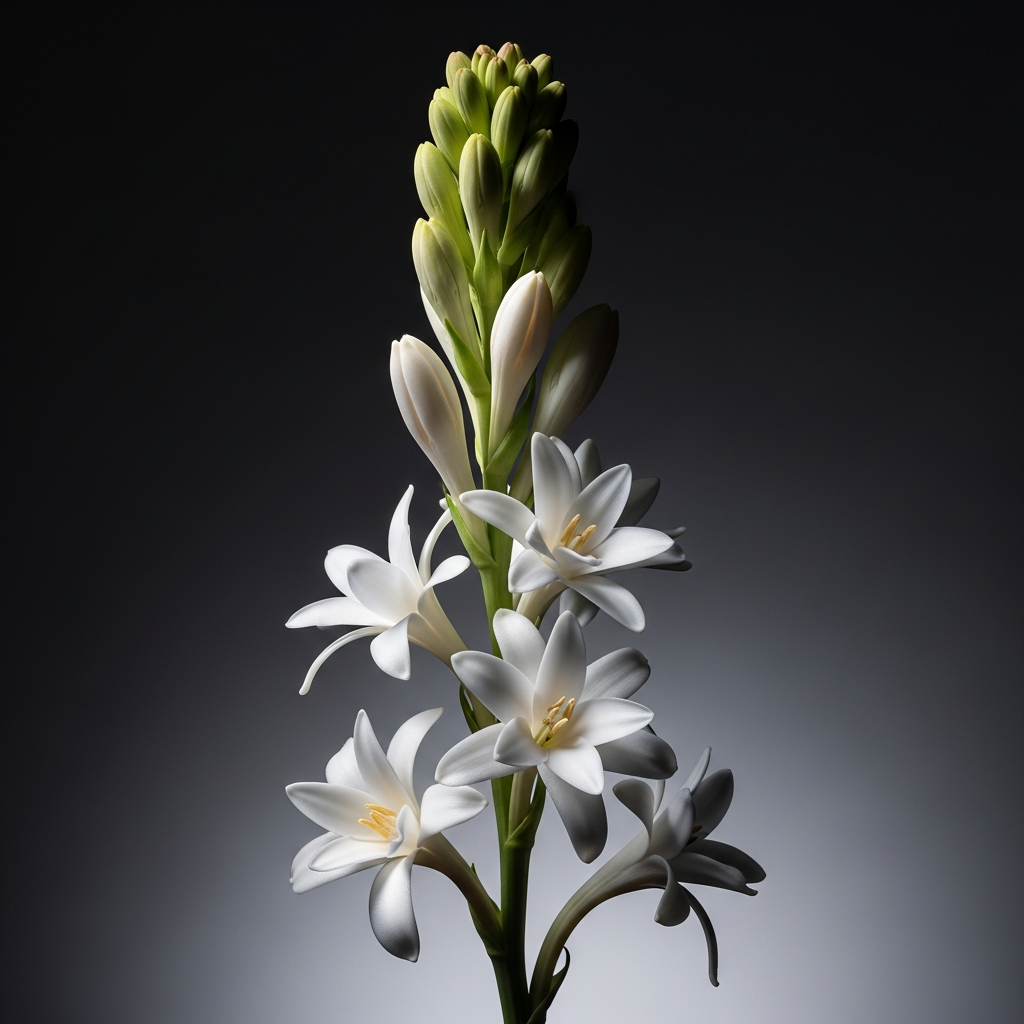
Stoneware mug, dishwasher safe
Buy Mug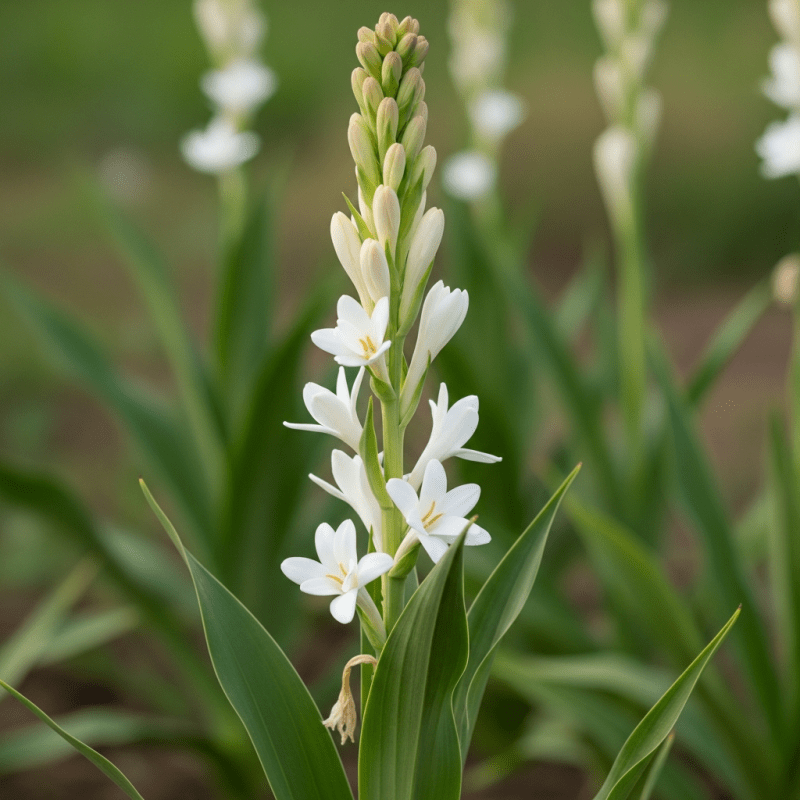
Soft cotton tee, unisex sizes
Buy ShirtTuberose holds deep cultural resonance, especially in South Asia, where it is a symbol of purity and is featured in wedding garlands and religious ceremonies. In Hawaii and Polynesia, its flowers are used in leis and festive decorations. The scent of tuberose has inspired countless works of art, literature, and music, and its presence in traditional celebrations underscores its enduring allure.
Tuberose flowers are renowned for their intense, sweet, and creamy fragrance with spicy undertones, often described as heady and opulent. The color palette is predominantly pure white, with waxy petals that enhance their luminous appearance. The scent is strongest at night, making the flower a star in moonlit gardens and evening bouquets.
Tuberose thrives in well-drained, sandy or loamy soils and prefers full sun to partial shade. It is sensitive to frost and best grown in warm climates or as a summer bulb in temperate zones. Propagation is typically by division of offsets or tuberous roots. Regular watering is essential, but avoid waterlogged conditions to prevent fungal diseases and bulb rot. Mulching and careful site selection help protect against nematodes and other pests.
Tuberose symbolizes purity, sensuality, and forbidden pleasures in various cultures. In South Asia, it is associated with love and devotion, often featured in wedding ceremonies. Its intoxicating scent and pristine white blooms evoke themes of romance, mystery, and spiritual transcendence, making it a powerful emblem in floral symbolism.
Tuberose is not a hybrid species but has a rich history of horticultural selection. Breeders have developed double-flowered forms and cultivars with improved fragrance and flower yield, such as ‘The Pearl’. Most breeding efforts focus on enhancing ornamental traits and commercial viability for the cut flower and perfume industries.
Tuberose typically blooms from late summer through early autumn, with availability varying by region and planting time. Commercial cut flowers are often harvested during these months, making tuberose a seasonal highlight in floral markets and ceremonies.