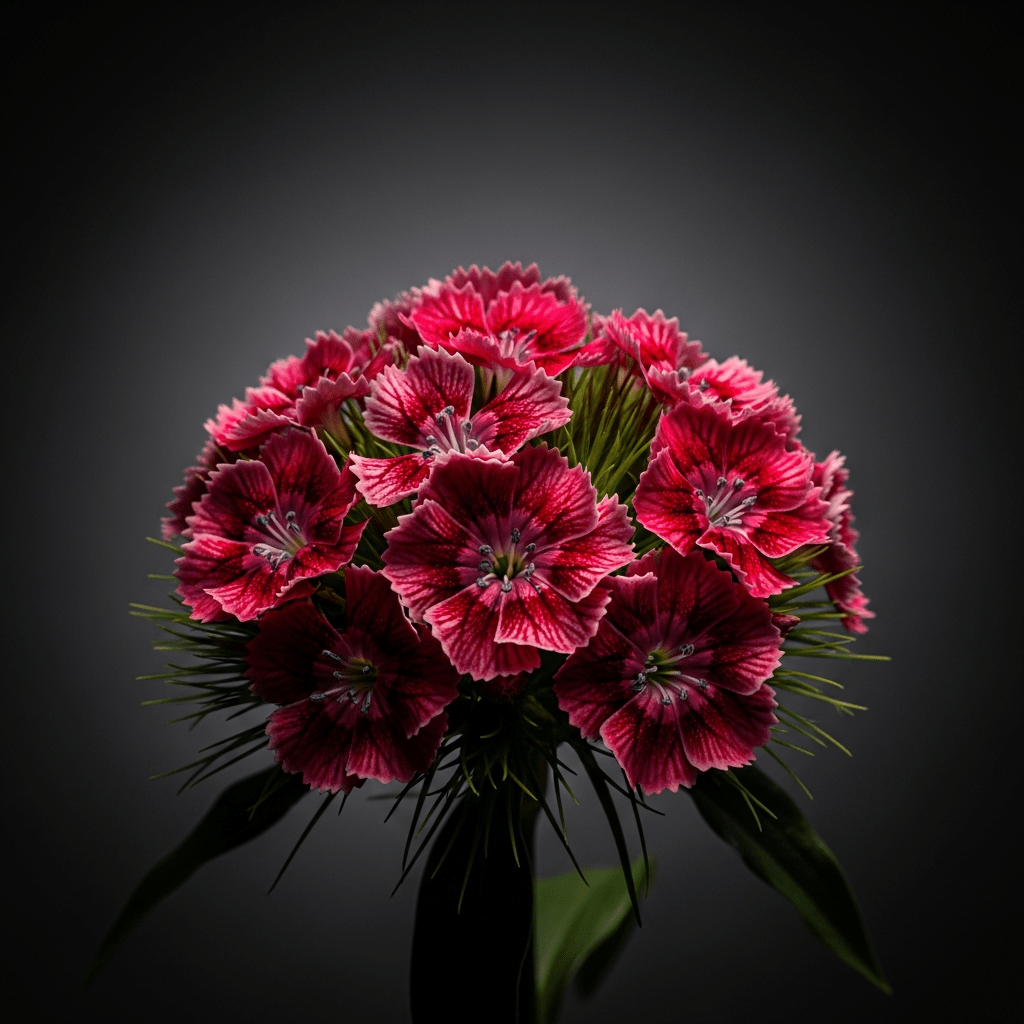
Sweet William
Sweet William is a vibrant, fragrant flowering plant (Dianthus barbatus) cherished for its dense clusters of colorful blooms and enduring popularity in gardens and floral arrangements.
Sweet William is a vibrant, fragrant flowering plant (Dianthus barbatus) cherished for its dense clusters of colorful blooms and enduring popularity in gardens and floral arrangements.
Native to the mountainous regions of southern Europe—including the Pyrenees, Carpathians, and Balkans—Sweet William was introduced to northern Europe in the 16th century. Its naturalization in temperate climates worldwide followed centuries of garden cultivation, with notable selections and hybridization occurring in the United Kingdom and continental Europe. The plant's precise origins in horticulture are lost to time, reflecting its deep-rooted presence in traditional gardens.
Sweet William belongs to the genus Dianthus within the family Caryophyllaceae, sharing lineage with other well-known flowers such as carnations and pinks. Its accepted scientific name is Dianthus barbatus, and it is classified as a biennial or short-lived perennial angiosperm, part of the broader taxonomy of flowering plants.
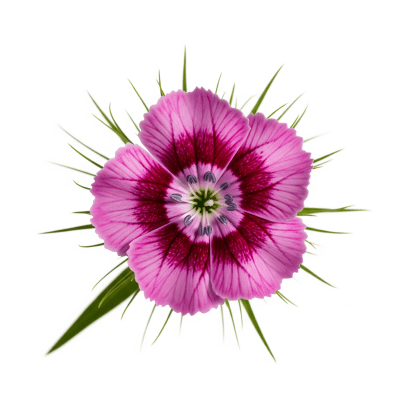
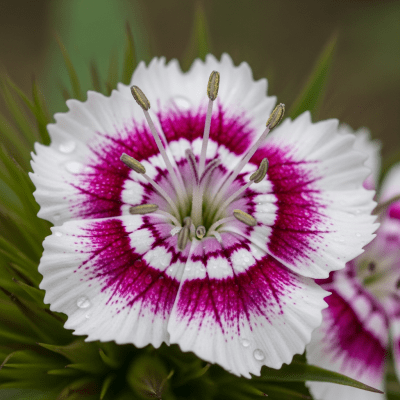
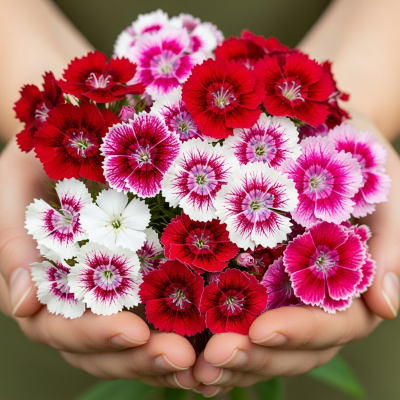
This upright, clump-forming plant reaches 30–60 cm in height and features lanceolate, opposite leaves of medium green. Its signature is the dense, flat-topped clusters (cyme) of small, fringed flowers, each 2–3 cm across. Sweet William dazzles with a palette ranging from white, pink, red, and purple to striking bicolored forms, often accented by contrasting eyes and delicately fringed petal edges.
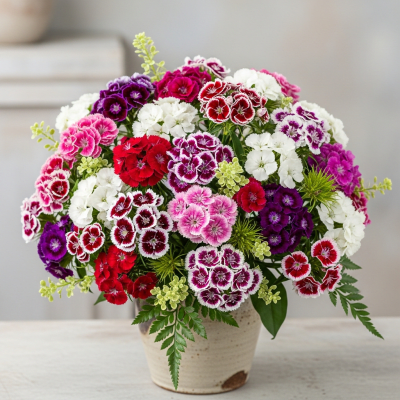
Sweet William is primarily cultivated for ornamental use in borders, cottage gardens, and as a standout cut flower. Its long vase life and enticing fragrance make it a favorite in floral arrangements. The flowers are edible and occasionally used as garnishes, although culinary applications are limited. Its blooms attract pollinators, contributing to garden biodiversity.
Bring this kind into your world illustrated posters, mugs, and shirts.
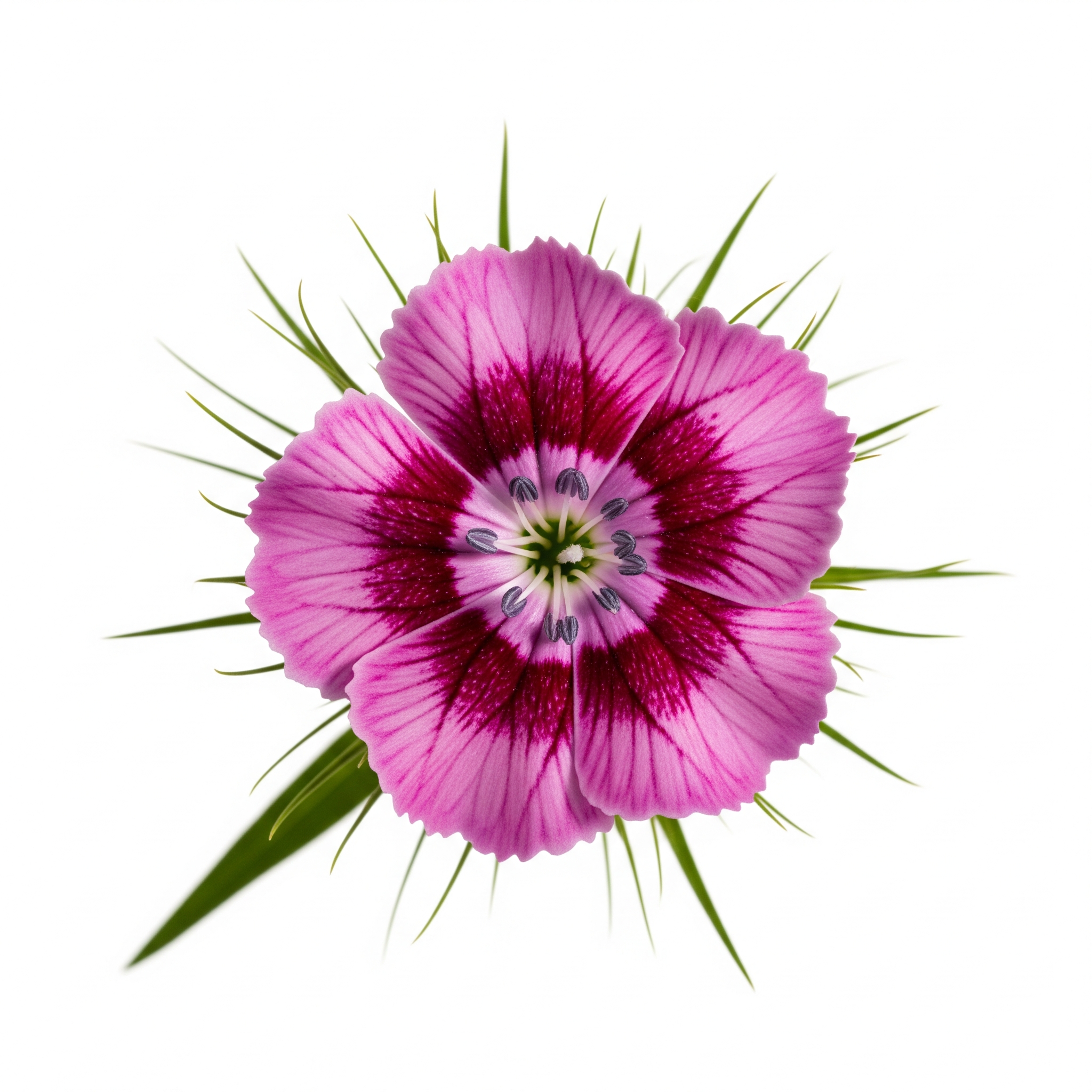
Archival print, museum-grade paper
Buy Poster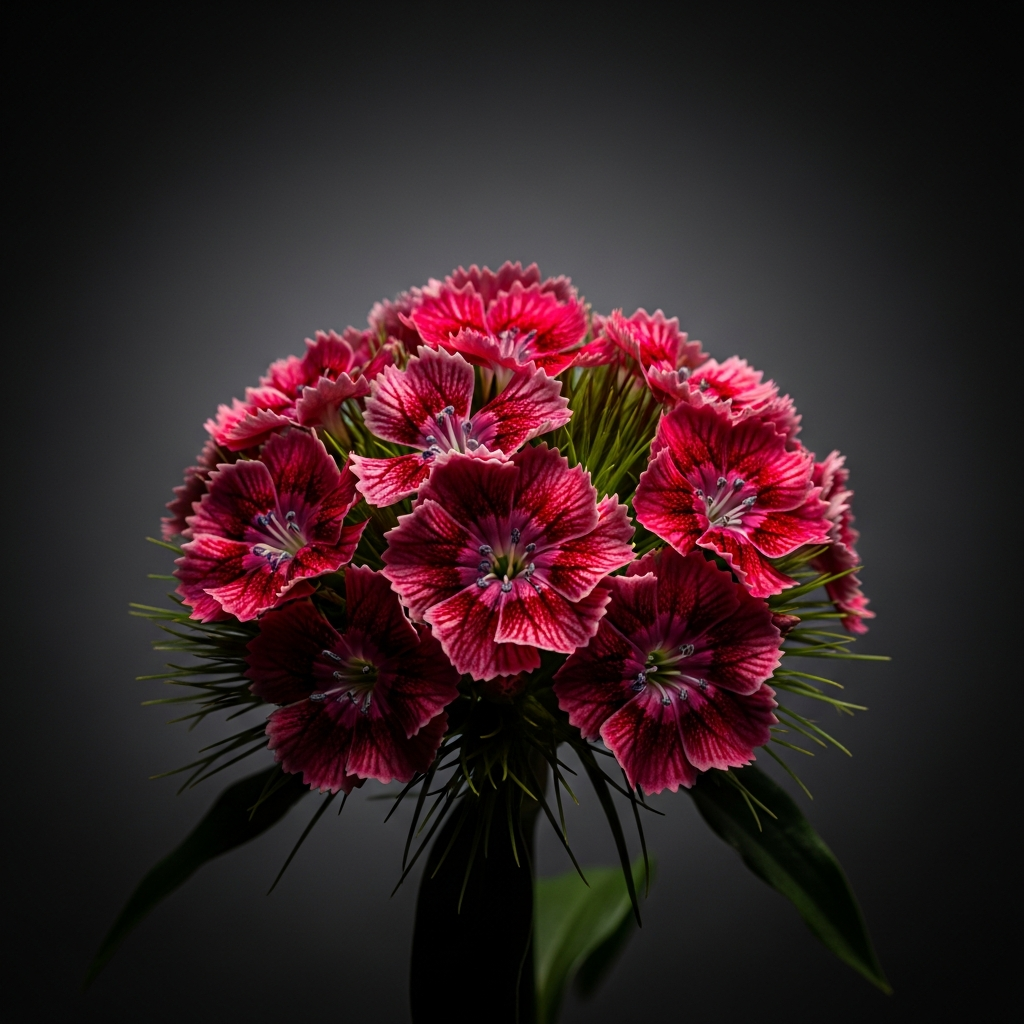
Stoneware mug, dishwasher safe
Buy Mug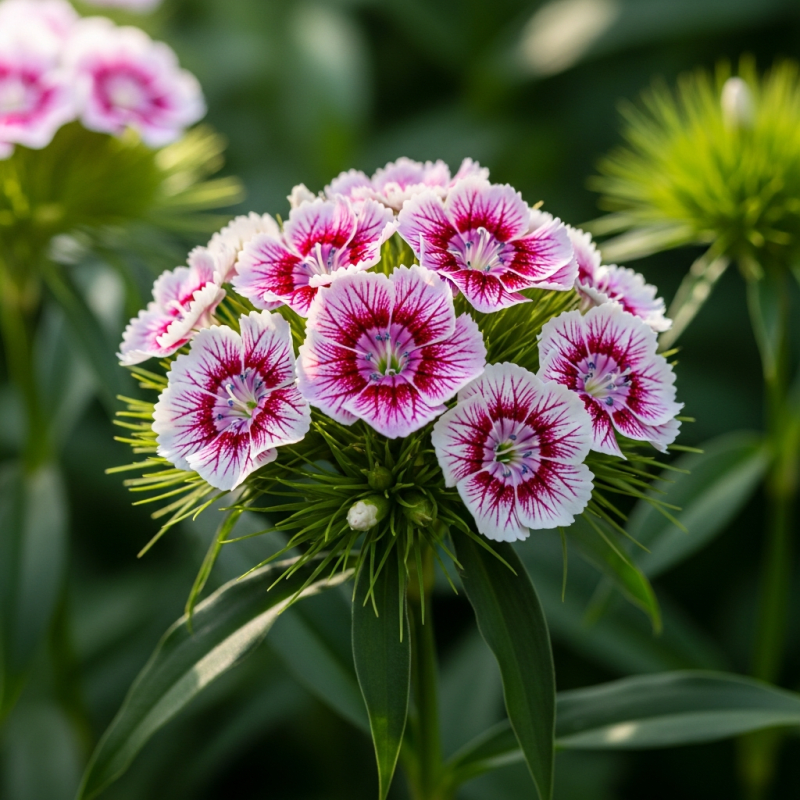
Soft cotton tee, unisex sizes
Buy ShirtIn European traditions, Sweet William has long symbolized gallantry and admiration, themes echoed in the language of flowers (floriography). Its presence in cottage gardens and historic borders has made it a fixture of rural and romantic imagery, while its name and form have inspired poetry and folklore across cultures.
Sweet William is celebrated for its sweet, spicy fragrance that gently perfumes the air. Its color palette is remarkably diverse, featuring pure white, soft pinks, deep reds, rich purples, and striking bicolored varieties—often with contrasting centers and fringed petals for added visual appeal.


Grow Sweet William in well-drained, neutral to slightly alkaline soil, providing full sun to partial shade. Sow seeds in late spring or early summer for blooms the following year. Once established, the plant is moderately drought-tolerant and requires minimal maintenance. Watch for fungal diseases such as rust and fusarium wilt, and remove affected foliage promptly. Deadheading spent flowers encourages extended blooming and prevents unwanted self-seeding.
Sweet William traditionally symbolizes gallantry, admiration, and finesse. In the Victorian language of flowers, it conveys messages of chivalry and heartfelt appreciation, making it a thoughtful choice for bouquets expressing respect and affection.
Sweet William has a rich history of garden hybridization, with numerous cultivars developed over centuries. While specific lineage details are scarce, horticulturists in the UK and continental Europe have introduced many forms with unique colors and patterns. The Royal Horticultural Society recognizes several notable selections, though most breeding records are undocumented.
Sweet William typically blooms from late spring through early summer, with flowering lasting several weeks. Plants sown in late spring or early summer will flower the following year, making them a reliable choice for seasonal garden color.
Sweet William is primarily valued as an ornamental garden plant and cut flower, admired for its color, fragrance, and vase longevity. Its edible blooms are sometimes used as garnishes, and it holds symbolic significance in European traditions. While not widely used in medicine or industry, its role in beautifying landscapes and expressing sentiment is enduring.