Sweet Pea
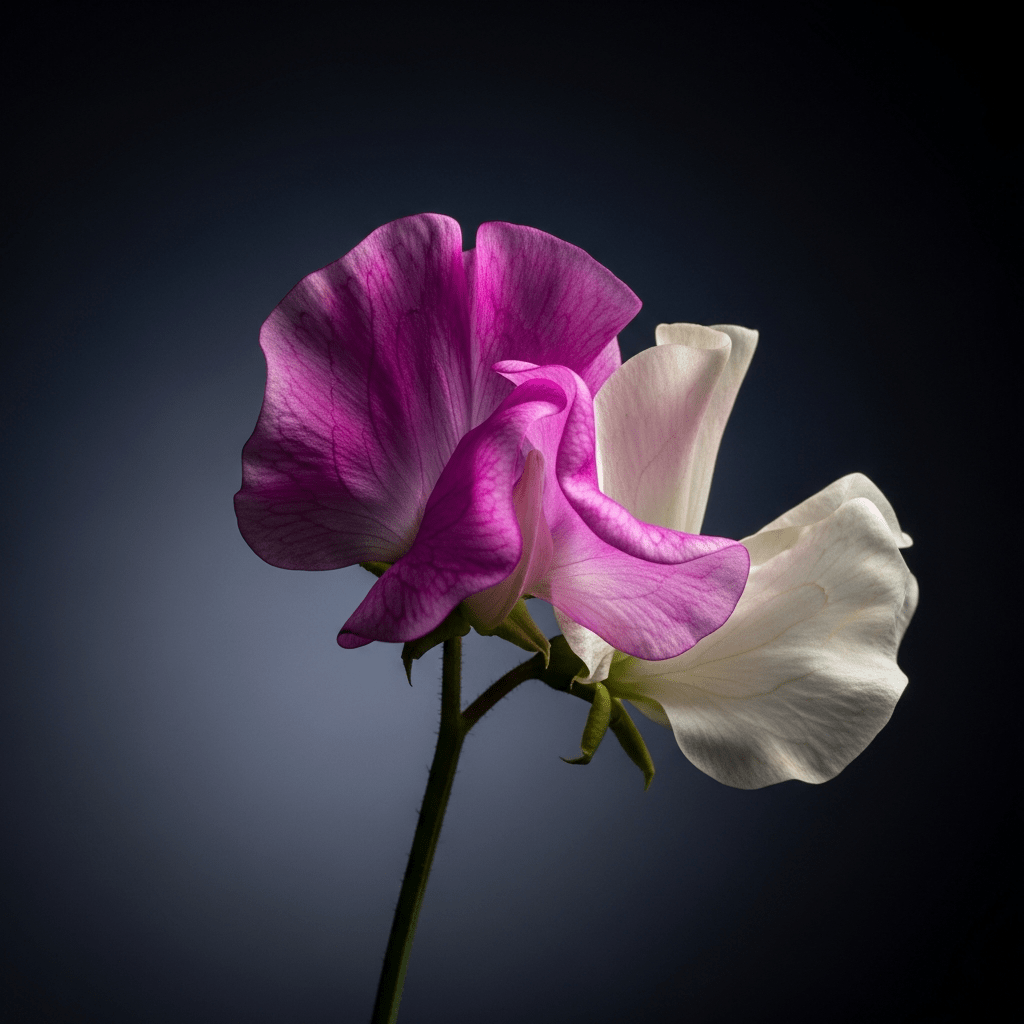
The sweet pea (Lathyrus odoratus) is a highly fragrant, climbing annual flower celebrated for its vibrant, butterfly-shaped blooms and captivating scent, making it a beloved choice for gardens and floral arrangements worldwide.
The sweet pea (Lathyrus odoratus) is a highly fragrant, climbing annual flower celebrated for its vibrant, butterfly-shaped blooms and captivating scent, making it a beloved choice for gardens and floral arrangements worldwide.
Native to the eastern Mediterranean—especially Sicily, southern Italy, and the Aegean Islands—the sweet pea was first described by Carl Linnaeus in 1753. Its journey into European horticulture began in 1699, when Sicilian monk Francisco Cupani sent seeds to England, sparking centuries of cultivation and breeding. The sweet pea’s popularity flourished in Victorian England, where it became a staple of cottage gardens and floral displays.
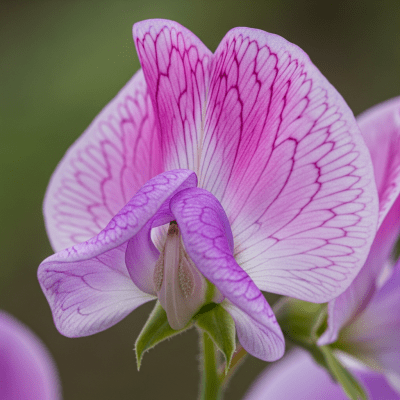
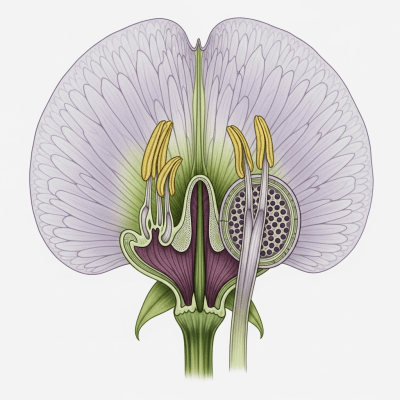
The sweet pea belongs to the genus Lathyrus within the legume family Fabaceae. It is classified as Lathyrus odoratus, distinct from edible peas and other ornamental species. Its papilionaceous flower structure and climbing habit typify its place among annual, ornamental legumes.
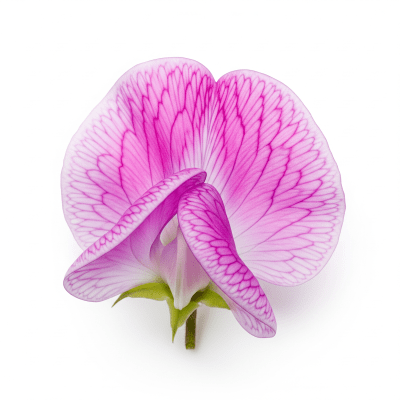
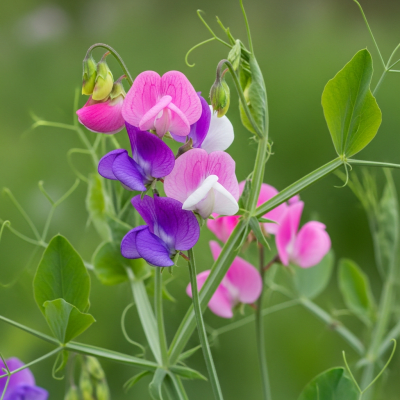
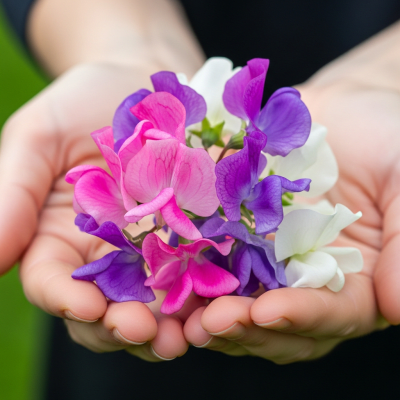
Sweet pea plants feature slender, winged stems that climb with the help of delicate tendrils. Their paired, pinnate leaves provide a soft green backdrop for clusters of butterfly-shaped flowers, which measure 2–5 cm across. The blooms come in a dazzling array of colors—white, pink, red, blue, purple, lavender, and bi-colored forms—though true yellow is notably absent. The overall effect is one of airy elegance and vibrant charm.
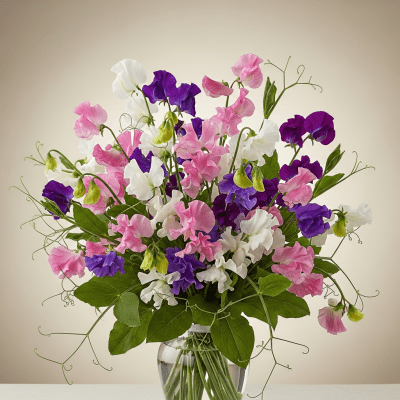
Sweet peas are cultivated primarily for ornamental purposes, thriving in garden beds, borders, and containers. Their climbing habit makes them ideal for trellises and arches, while their long stems and fragrant flowers are prized in the cut flower market. The plant’s toxicity precludes culinary or medicinal use, but its visual and olfactory appeal ensures its enduring popularity in floral design and garden culture.
Bring this kind into your world illustrated posters, mugs, and shirts.
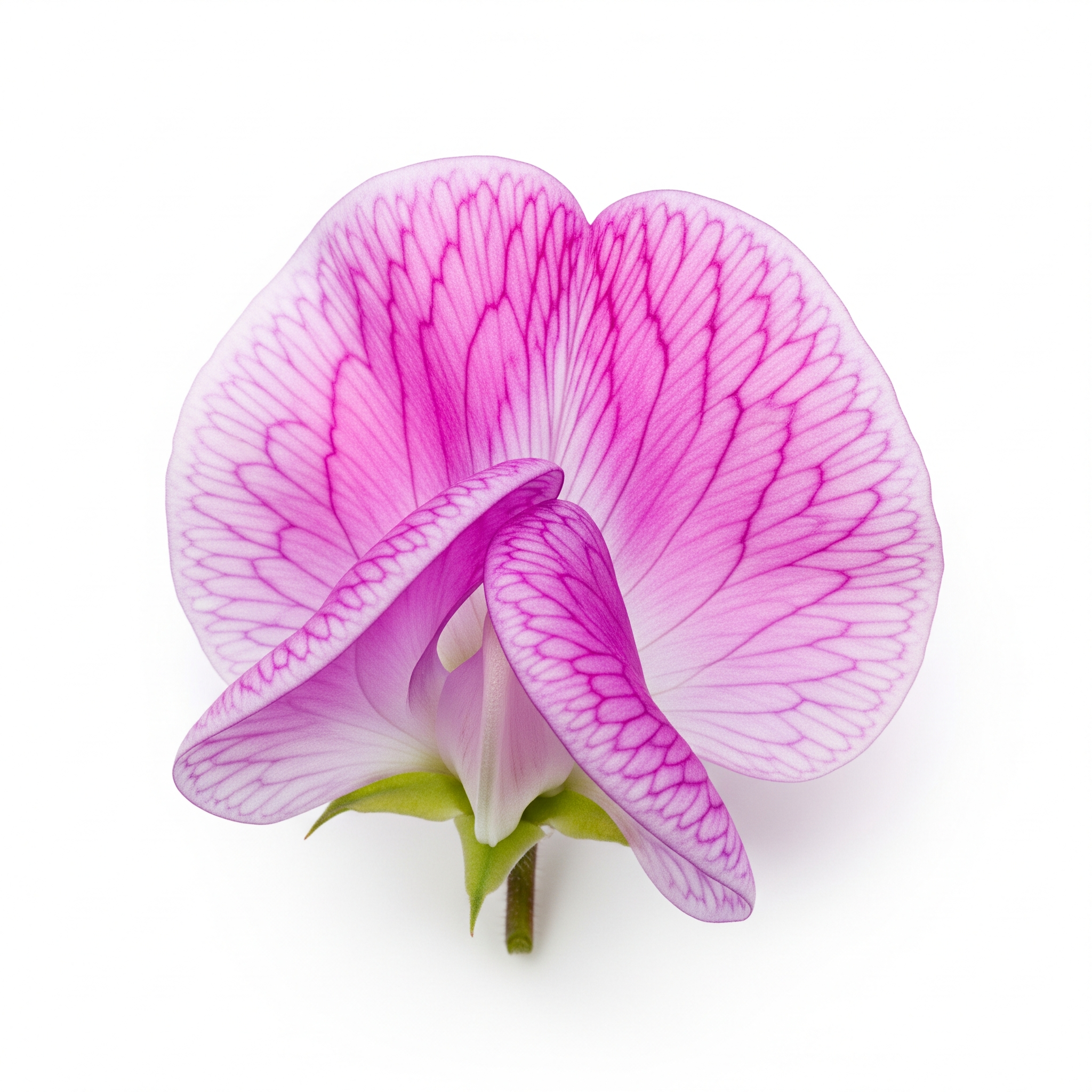
Archival print, museum-grade paper
Buy Poster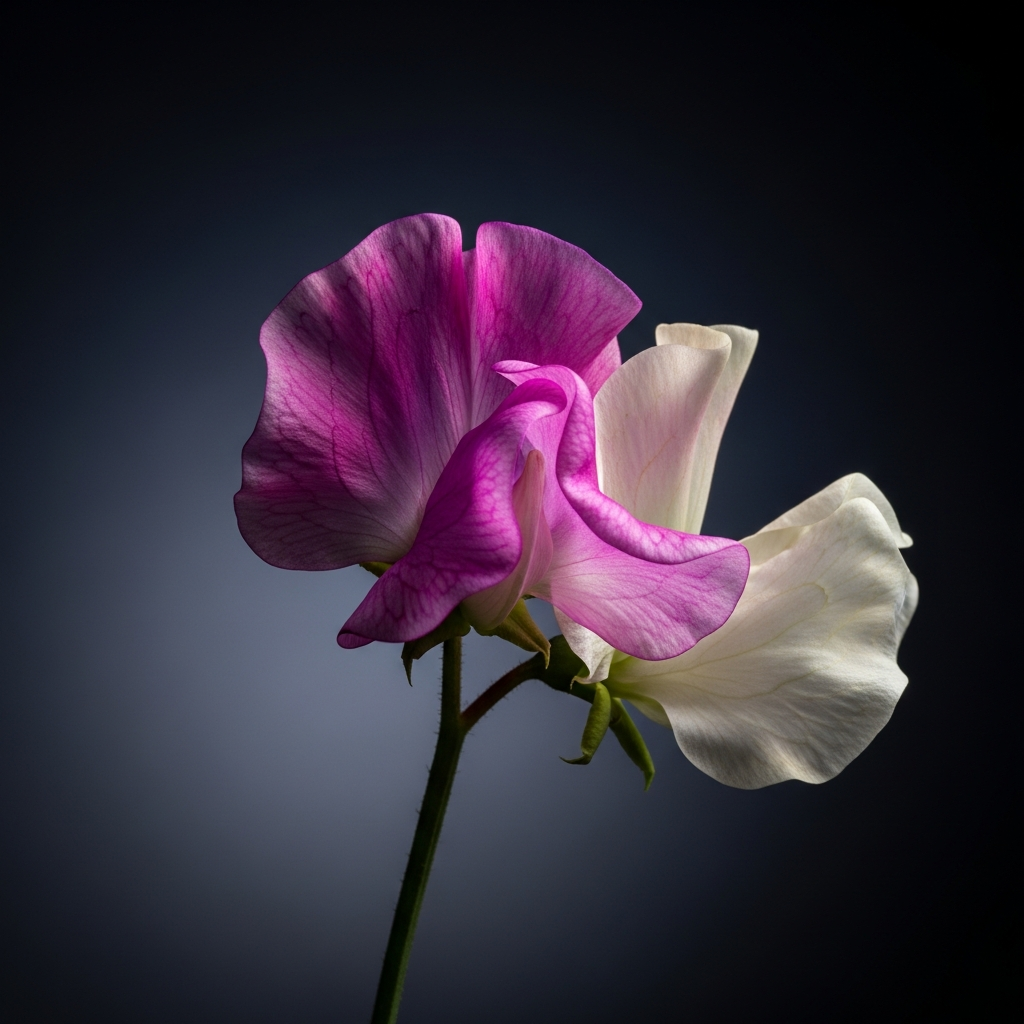
Stoneware mug, dishwasher safe
Buy Mug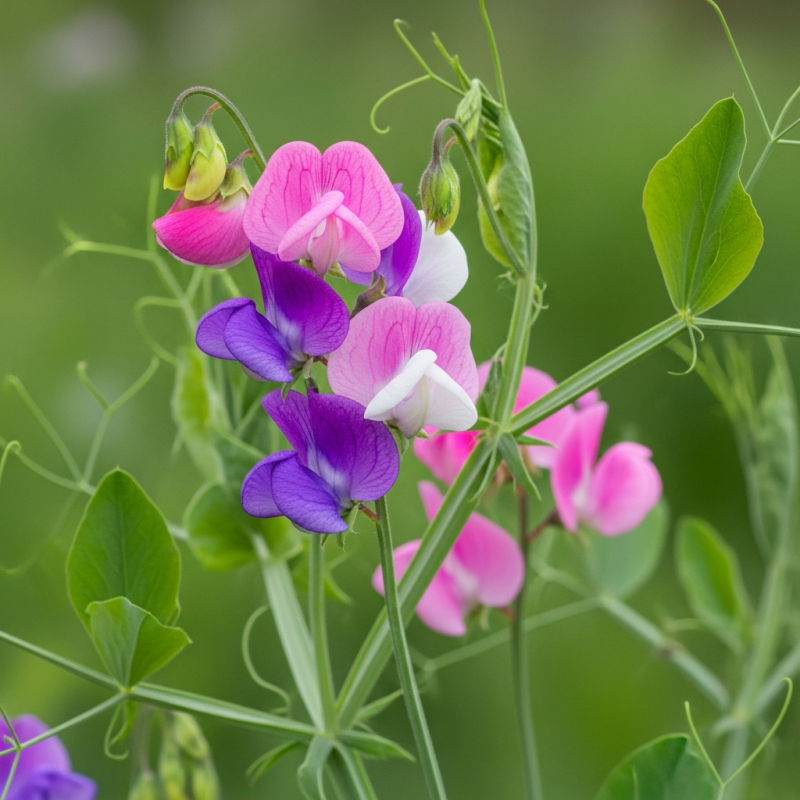
Soft cotton tee, unisex sizes
Buy ShirtSweet peas hold a cherished place in Victorian-era gardens and are often associated with themes of delicate pleasure, gratitude, and fond farewells. Their presence in flower shows—such as the Royal Horticultural Society’s Sweet Pea Trials—highlights their status as symbols of refined beauty and horticultural achievement. In art and literature, sweet peas evoke nostalgia and the fleeting joys of spring and early summer.
Sweet peas are renowned for their strong, sweet fragrance, especially in heritage and select modern cultivars. Their color palette spans white, pink, red, blue, purple, lavender, and striking bi-colored forms, creating a lively and romantic display. The absence of true yellow adds to their unique charm among garden flowers.
To cultivate sweet peas successfully, sow seeds in autumn or early spring in well-drained, fertile soil with full sun exposure. Provide support for climbing, such as trellises or netting. Sweet peas prefer cool, moist conditions and may stop flowering in hot climates. Regular watering, deadheading, and monitoring for pests like aphids and powdery mildew help ensure healthy, abundant blooms. Cut flowers should be harvested when buds are just opening for maximum vase life.
Sweet peas symbolize delicate pleasure, departure, and gratitude. Their fleeting beauty and enchanting scent have made them tokens of fond farewells and expressions of appreciation in bouquets and floral arrangements. The flower’s Victorian heritage further associates it with refinement and gentle sentiment.
Sweet pea breeding began in earnest after Francisco Cupani’s introduction to England, with Henry Eckford’s work in the late 19th century revolutionizing the flower’s form and palette. Eckford’s ‘Grandiflora’ and ‘Spencer’ types set new standards for size and color diversity. Modern breeding continues to focus on enhancing fragrance, disease resistance, and novel hues, with many cultivars reflecting a blend of heritage and innovation.
Modern cultivars often offer improved resistance, but regular monitoring and prompt action are key to healthy plants.
Sweet peas typically bloom from late spring through early summer, depending on climate and planting time. In temperate regions, sowing in autumn or early spring ensures a long flowering period before summer heat causes plants to fade.
Sweet peas are grown almost exclusively for ornamental purposes, gracing gardens, trellises, and floral arrangements with their vivid colors and enchanting scent. They are highly valued in the cut flower market for their beauty and fragrance, but are not used for culinary or medicinal applications due to their toxicity. Their symbolic meanings and presence in competitions and flower shows further enhance their cultural and aesthetic appeal.