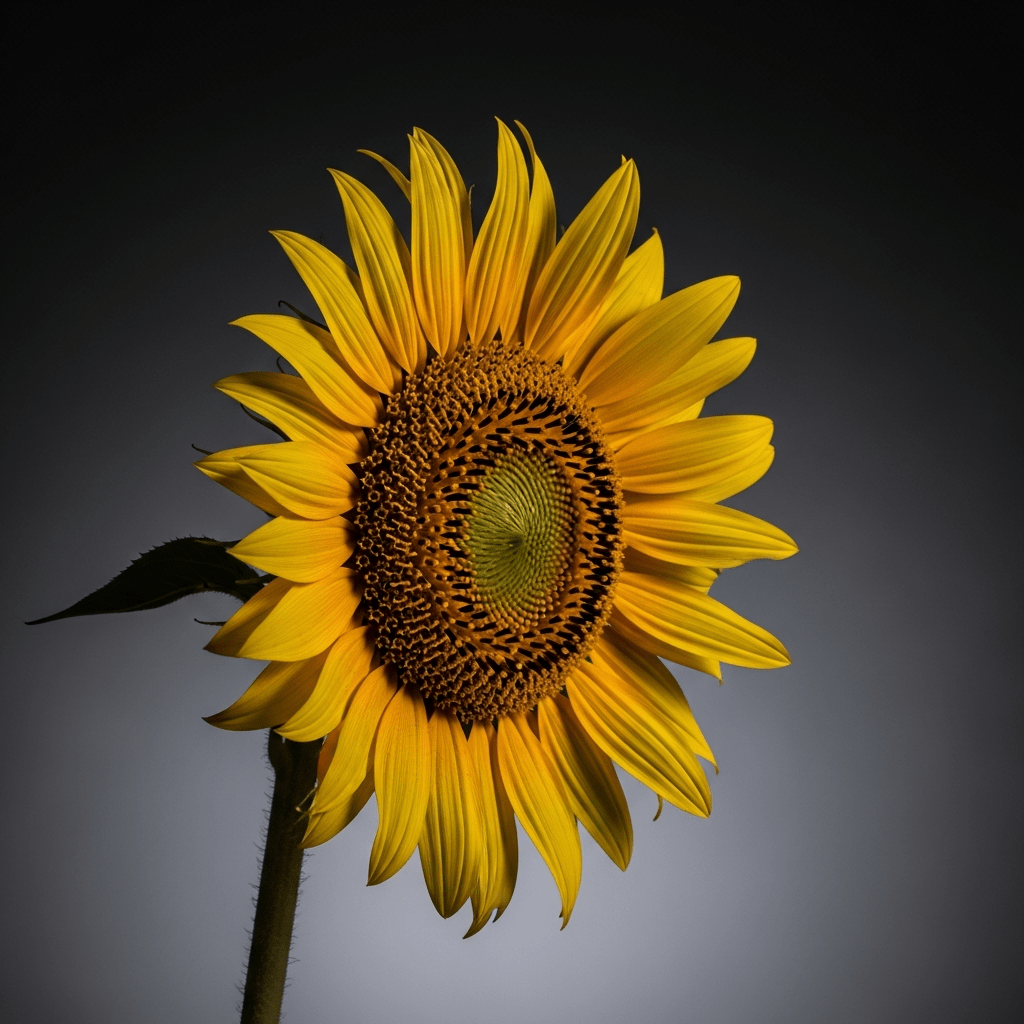
Sunflower
The sunflower (Helianthus annuus) is a striking annual flower celebrated for its large, golden blooms and its vital role as a source of edible seeds and oil worldwide.
The sunflower (Helianthus annuus) is a striking annual flower celebrated for its large, golden blooms and its vital role as a source of edible seeds and oil worldwide.
Native to North America, the sunflower was first domesticated by indigenous peoples as early as 3000 BCE. Its journey from wild prairie plant to agricultural staple began thousands of years ago, with archaeological traces revealing its use in ancient diets and rituals. The species was formally described by Carl Linnaeus in 1753, and modern breeding—especially in Russia, the United States, and Europe—has since produced cultivars prized for seed yield, oil content, and ornamental beauty.
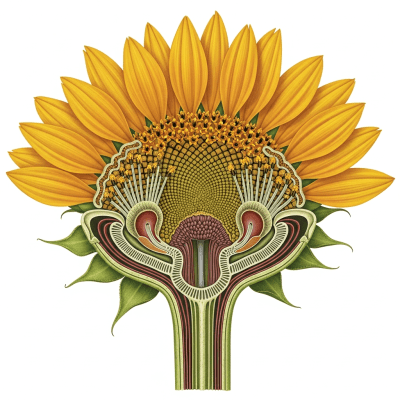
Sunflowers belong to the genus Helianthus within the family Asteraceae, a vast group known for composite flower heads. Helianthus annuus is the principal agricultural species, though the genus includes around 70 species. The sunflower’s composite inflorescence, with its concentric arrangement of ray and disk florets, is a hallmark of the family.
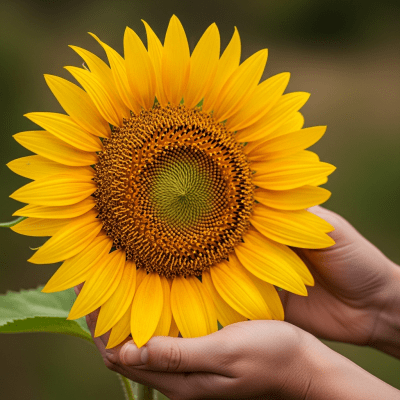
Sunflowers are tall, robust annuals, typically reaching 1.5 to 3 meters in height, though some cultivars grow even taller. Their rough, erect stems support broad, coarsely toothed leaves arranged alternately. The flower head is a radiant disk, 20–40 cm across, with vivid yellow ray florets encircling a central cluster of brown to purple tubular florets. The overall effect is a bold, sun-like bloom that commands attention in any landscape.
Sunflowers famously exhibit heliotropism, especially in their bud stage, turning their heads to follow the sun’s path across the sky. This behavior optimizes photosynthesis and appeals to pollinators such as bees. Humans cultivate sunflowers for their nutritious seeds, high-quality oil, and ornamental value. The plant also serves in industrial applications—biofuel, livestock feed, and environmental remediation—making it a versatile agricultural asset.
Bring this kind into your world illustrated posters, mugs, and shirts.
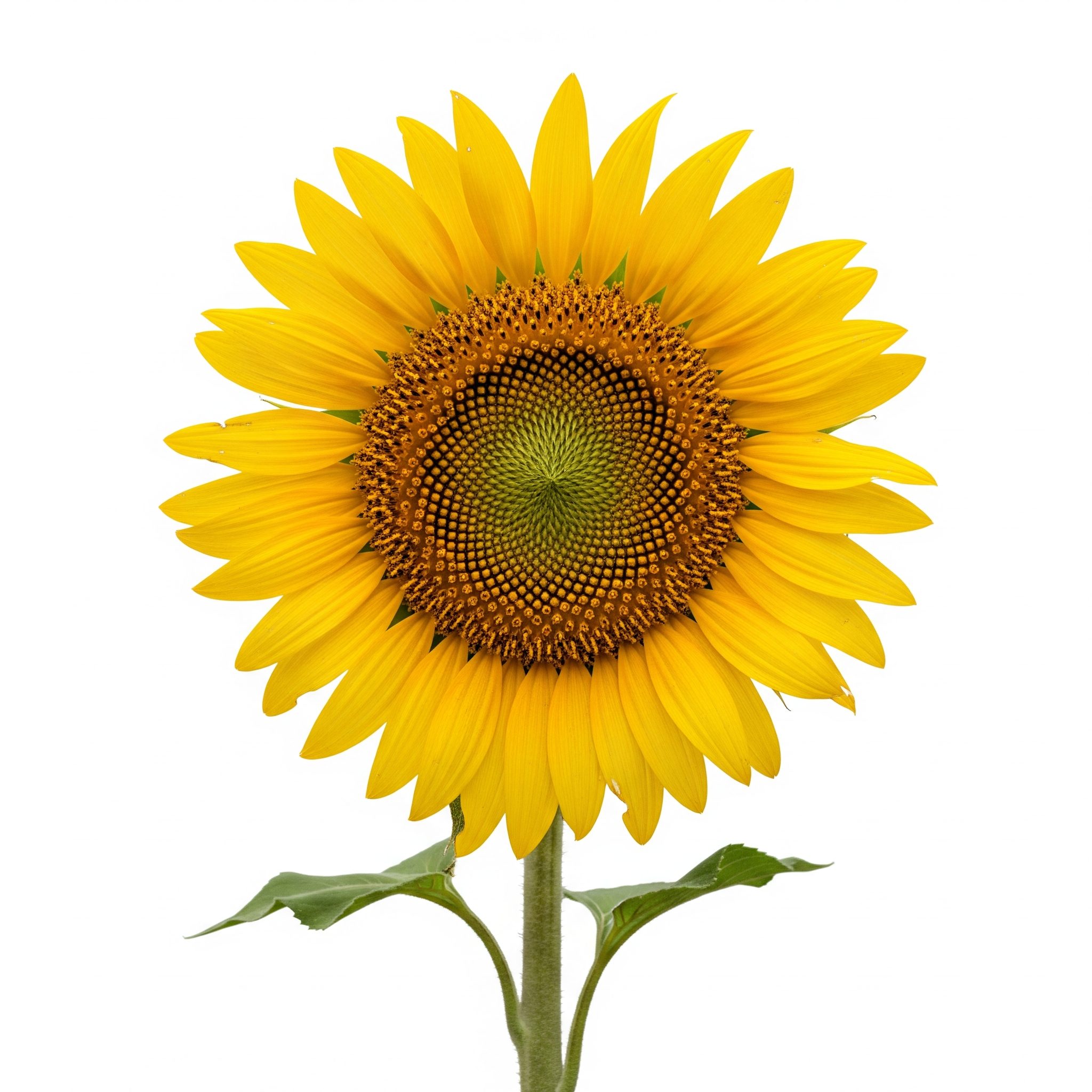
Archival print, museum-grade paper
Buy Poster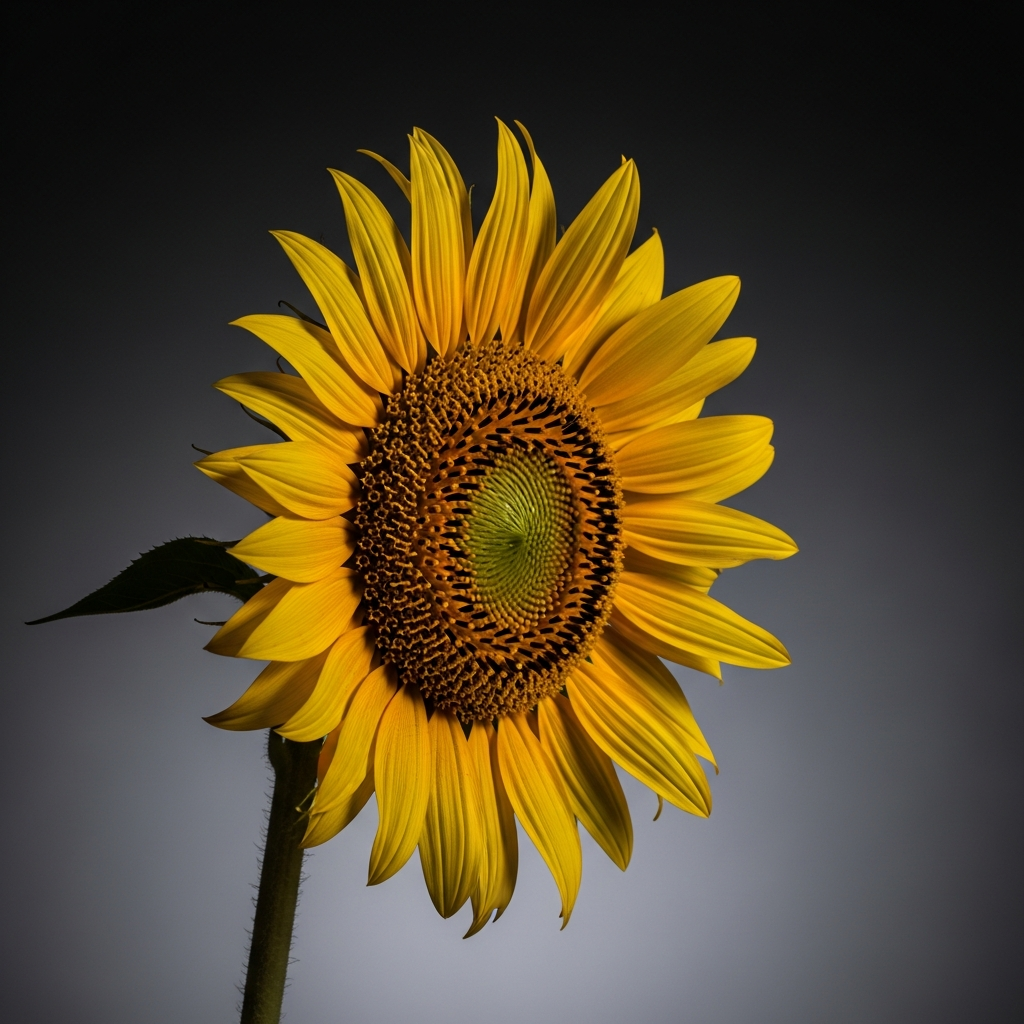
Stoneware mug, dishwasher safe
Buy Mug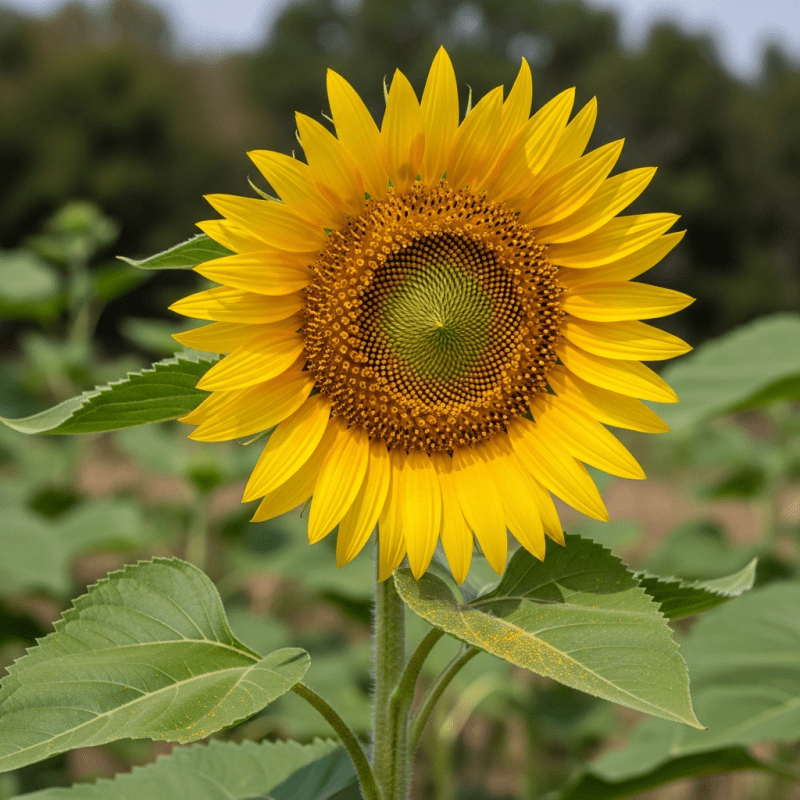
Soft cotton tee, unisex sizes
Buy ShirtSunflowers hold deep cultural resonance, symbolizing adoration, loyalty, and longevity. They are the national flower of Ukraine and feature prominently in art, folklore, and celebrations around the world. Their radiant form has inspired countless artists, most famously Vincent van Gogh, and they are often associated with positivity and resilience in modern symbolism.
Sunflowers generally have little to no fragrance, with some varieties offering a mild, earthy scent. Their color palette is dominated by bright yellow ray florets, complemented by central disks in shades of brown and purple. Occasional ornamental varieties may display orange or red hues, but classic sunflowers are instantly recognizable for their golden radiance.
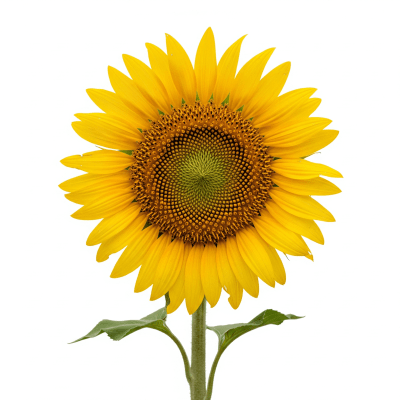
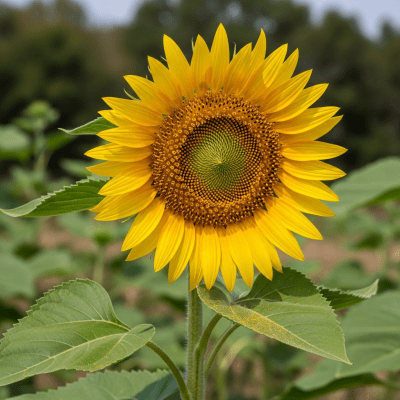

Sunflowers thrive in full sun and well-drained, neutral to slightly alkaline soils. Sow seeds directly outdoors in spring after the last frost, spacing them to accommodate their mature height and spread. They are moderately drought-tolerant but benefit from regular watering during dry spells. Support tall varieties to prevent wind damage, and monitor for common pests and diseases. Deadheading spent blooms can encourage further flowering, while harvested seeds should be dried and stored in a cool, dry place.
Sunflowers are widely regarded as symbols of adoration, loyalty, and longevity. Their sun-facing blooms evoke warmth, positivity, and unwavering faith, making them popular in celebrations and as tokens of encouragement. In Ukraine, the sunflower embodies national pride and resilience, while in broader contexts, it represents hope and joy.
Sunflower breeding has focused on enhancing seed size, oil content, and ornamental traits. Hybridization within the genus Helianthus is common, with commercial varieties often bred for disease resistance and climate adaptability. Major breeding efforts have come from Russian, American, and European institutions, resulting in cultivars suited for agriculture, floristry, and landscape use.
Sunflowers are typically planted in spring and bloom from mid-summer through early autumn. Their peak availability for cut flowers and seeds is July to September, depending on climate and variety.
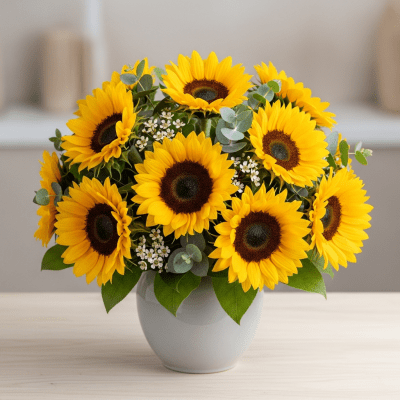
Sunflowers are grown for ornamental beauty in gardens and landscapes, as well as for commercial cut flower arrangements. Their seeds are a staple in culinary uses—eaten raw, roasted, or pressed for oil. Sunflower oil is valued in cooking and food processing, while industrial uses include biofuel, livestock feed, and soil remediation. The sunflower’s symbolic presence enriches cultural events, art, and national identity.