
Stock
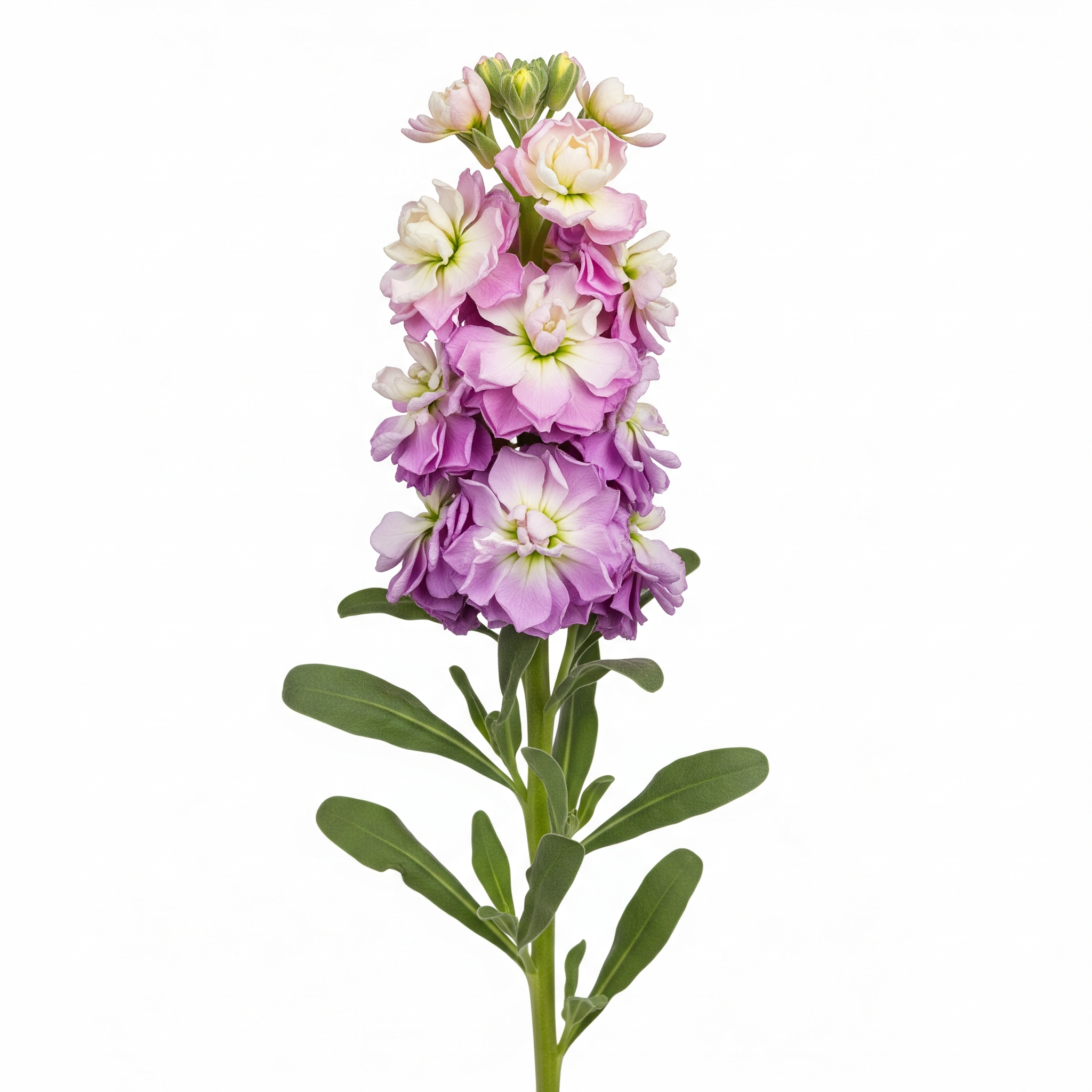
Stock (Matthiola incana) is a highly fragrant, colorful flowering plant cherished for its ornamental beauty and widespread use in floral arrangements.
Stock (Matthiola incana) is a highly fragrant, colorful flowering plant cherished for its ornamental beauty and widespread use in floral arrangements.
Stock originated in the Mediterranean region, with its native range spanning southern Europe and North Africa. Cultivated since at least the 16th century, Stock quickly became a favorite in European gardens due to its vibrant blooms and sweet scent. Over centuries, breeders in the United Kingdom, Japan, and the Netherlands have developed numerous varieties, focusing on enhancing flower color, doubleness, and fragrance. The lineage of most commercial cultivars is complex, with selections typically occurring within the species rather than through hybridization.
Stock belongs to the genus Matthiola and is scientifically known as Matthiola incana. It is part of the broader flower taxonomy, representing the reproductive structures of angiosperms. Within the botanical hierarchy, Stock is classified as an herbaceous annual or short-lived perennial, and is grouped among ornamental plants for horticultural and commercial purposes.
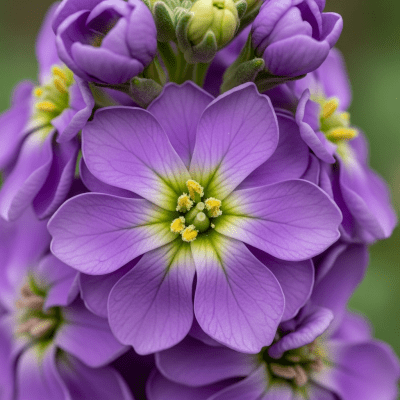
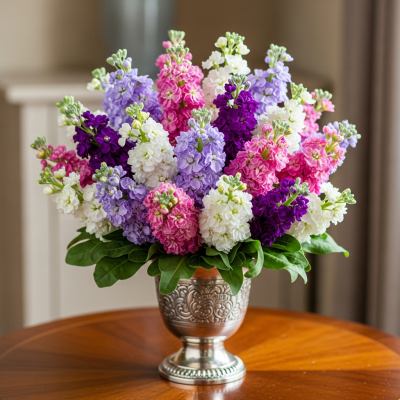
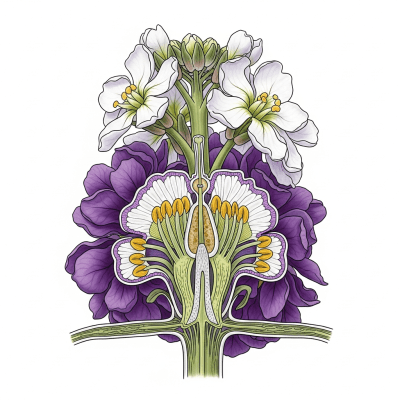
Stock presents as an upright, branched plant reaching 30–80 cm in height. Its narrow, gray-green, lanceolate leaves form a subtle backdrop for dense spikes of four-petaled flowers. Depending on the cultivar, these blooms may be single or double, creating lush, full racemes. The color palette is broad, featuring white, pink, lavender, purple, red, yellow, and cream. The flowers are especially noted for their spicy-sweet fragrance, most pronounced in the evening, and their showy, clustered form makes them a striking addition to gardens and bouquets.
Stock is primarily cultivated for ornamental purposes, both in garden beds and as a staple of the cut flower industry. Its straight stems and abundant, fragrant blooms make it ideal for bouquets and floral displays. While Stock flowers are sometimes listed as edible and used as a garnish, this culinary use is rare. The plant thrives in full sun and well-drained soil, and its moderate tolerance for cool temperatures allows for early-season planting. Stock interacts with humans mainly through its aesthetic and sensory appeal, and is a common choice for spring bedding and cottage gardens.
Bring this kind into your world illustrated posters, mugs, and shirts.
Archival print, museum-grade paper
Buy Poster
Stoneware mug, dishwasher safe
Buy Mug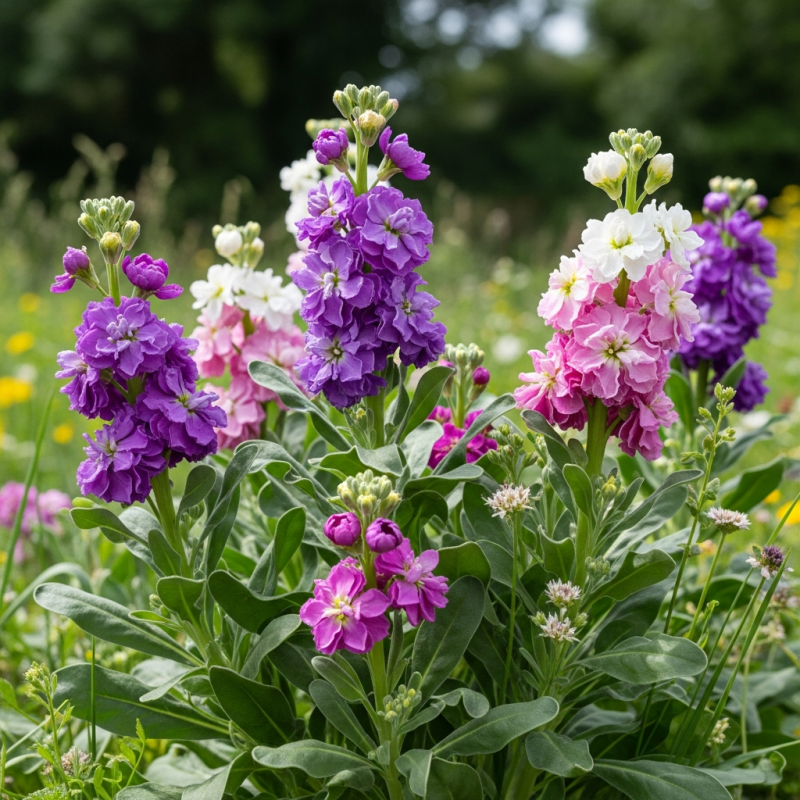
Soft cotton tee, unisex sizes
Buy ShirtStock holds a special place in cultural traditions, particularly as a symbol of lasting beauty and happiness. In the Victorian language of flowers, Stock was used to convey wishes for a happy life and enduring affection. Its presence in springtime displays and cottage gardens has made it a beloved element in European horticultural heritage. The term "gillyflower," historically applied to Stock and other fragrant blooms, reflects its longstanding association with celebration and sentiment in art and literature.
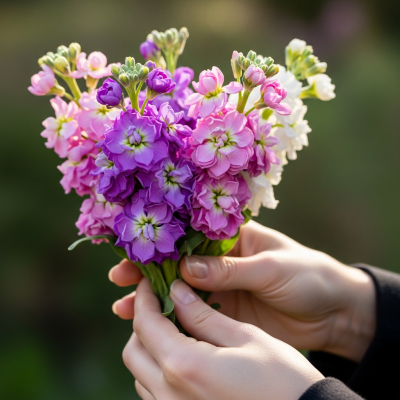
Stock is celebrated for its intense, spicy-sweet fragrance, which is especially noticeable in the evening. The flower's color palette is diverse, including shades of white, pink, lavender, purple, red, yellow, and cream. This combination of vibrant hues and rich scent makes Stock a favorite for both garden displays and indoor arrangements.
To cultivate Stock successfully, plant in full sun and well-drained, moderately fertile soil. Stock is moderately tolerant of cool temperatures, making it suitable for early spring planting. Propagation is typically by seed, with double-flowered forms selected at the seedling stage. Regular watering is important, but avoid waterlogged conditions to prevent fungal diseases. Cut stems should be placed in fresh water, where they will last 5–10 days. Monitor for aphids, flea beetles, and signs of downy mildew or root rot, and use integrated pest management strategies as needed.
Stock symbolizes lasting beauty, happiness, and a contented life. In the Victorian language of flowers, it was gifted to convey wishes for enduring affection and joy. Its lush, fragrant blooms evoke sentiments of celebration and renewal, making it a popular choice for weddings, spring festivals, and heartfelt arrangements.
Popular varieties of Stock include the "Ten-week Stock," prized for its rapid flowering, and selections featuring double blooms in a spectrum of colors. While many cultivars are marketed under proprietary names, the main distinctions are between single and double-flowered forms, with double varieties especially favored for their fullness and fragrance. Regional cultivars may be found in the UK, Japan, and the Netherlands, reflecting local breeding preferences.
Stock has a rich breeding history focused on enhancing flower color, doubleness, and fragrance. Most commercial cultivars result from careful selection within the species, rather than interspecific hybridization. Breeding efforts in the United Kingdom, Japan, and the Netherlands have produced a wide array of forms, with double-flowered types requiring selection for a recessive genetic trait. The complexity of Stock's lineage means specific breeder names and years are often undocumented, but the diversity of available cultivars reflects centuries of horticultural refinement.
Stock is susceptible to several pests and diseases, including aphids, flea beetles, downy mildew, and root rot—especially in poorly drained soils. To manage these risks, ensure good air circulation, avoid overwatering, and use integrated pest management practices. Early detection and removal of affected plants can help maintain healthy growth and vibrant blooms.
Stock typically blooms from late spring to early summer, providing vibrant color and fragrance during the cooler months. With greenhouse forcing, the flowering season can be extended, allowing for availability in floral markets beyond its natural outdoor bloom period.
Stock is primarily grown for ornamental purposes, gracing gardens, spring bedding displays, and cottage landscapes. It is a staple in the cut flower industry, valued for its long stems, showy blooms, and lasting fragrance. While not widely used in cuisine, Stock flowers are occasionally listed as edible and may be used as a garnish. There are no significant medicinal or perfumery uses documented, but Stock holds symbolic importance as a flower of happiness and enduring beauty.