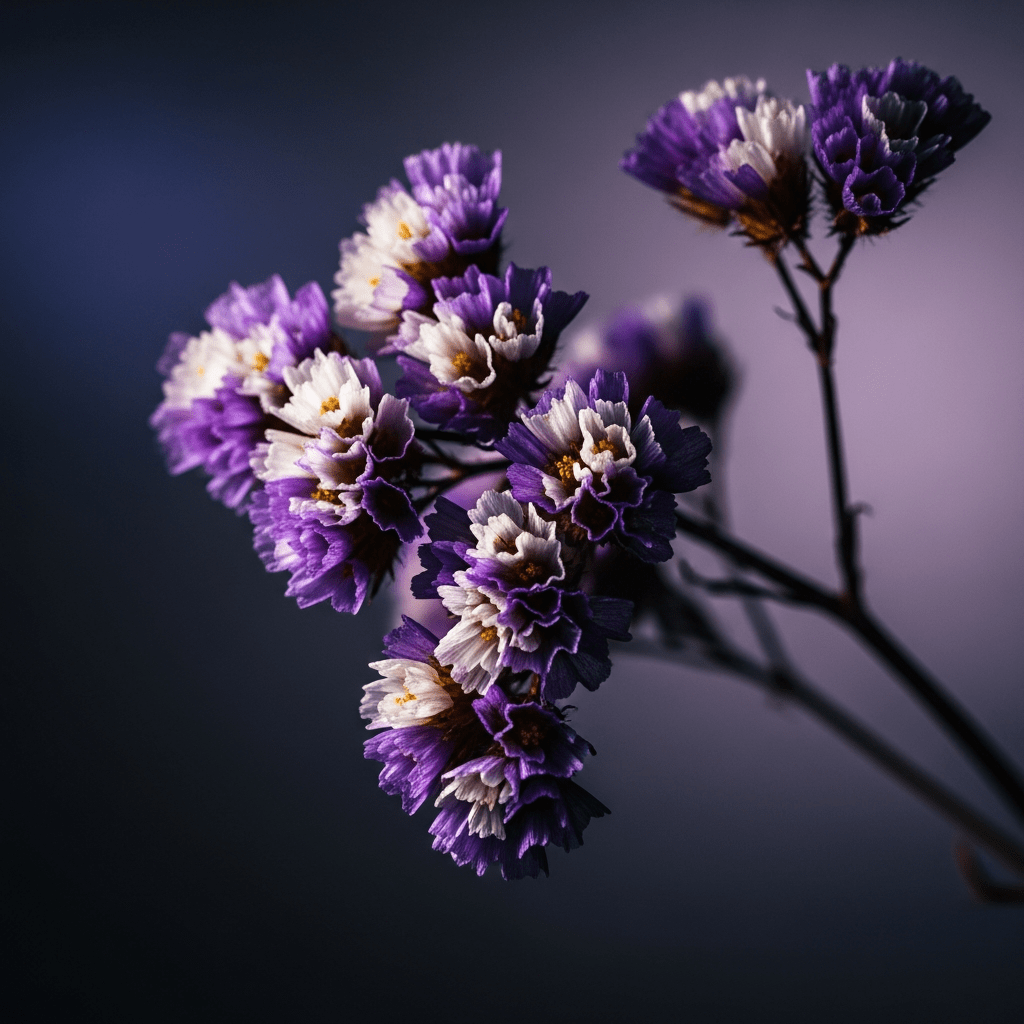
Statice
Statice is a vibrant, long-lasting flower from the genus Limonium, widely prized for its colorful, papery blooms in both fresh and dried floral arrangements.
Statice is a vibrant, long-lasting flower from the genus Limonium, widely prized for its colorful, papery blooms in both fresh and dried floral arrangements.
Statice traces its roots to the Mediterranean basin, Central Asia, and parts of Africa, thriving naturally in coastal regions around the world. The most popular cultivated forms, such as Limonium sinuatum, have been selected and bred primarily for ornamental use, with much of their development arising from traditional horticultural practices and open pollination. While commercial cultivars are sometimes registered by seed companies or horticultural institutions, comprehensive records of specific breeders and release dates are often lacking, reflecting statice’s long history as a garden and trade staple.
Statice belongs to the genus Limonium within the family Plumbaginaceae. With over 120 species, the genus encompasses a diverse group of flowering plants commonly referred to as statice, sea lavender, or marsh rosemary. The most widely cultivated species is Limonium sinuatum, though other regional varieties contribute to the genus’s horticultural richness.
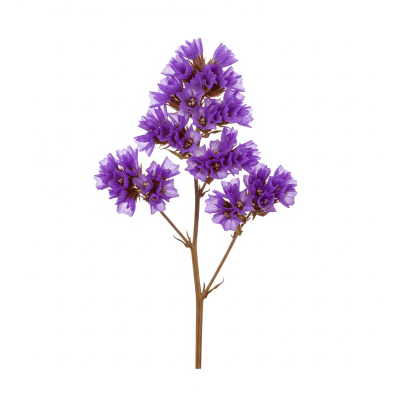
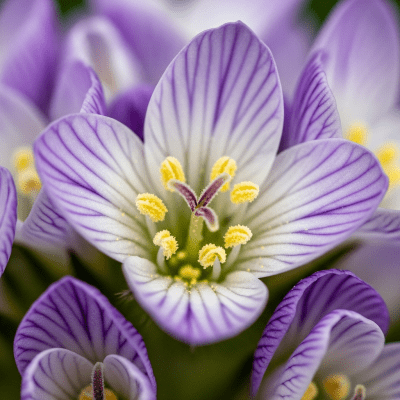
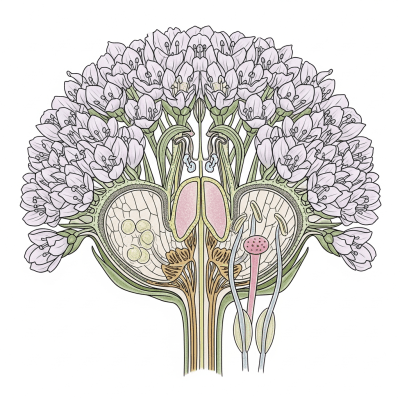
Statice presents as a herbaceous perennial or annual, typically reaching heights of 30–90 cm. Its foliage forms basal rosettes of lanceolate to oblong leaves, while the erect, branched stems bear clusters of small, funnel-shaped flowers. Each bloom is surrounded by a colorful, papery calyx that persists long after the petals have faded, giving statice its signature crisp texture and enduring visual appeal.
Statice is cultivated chiefly for its ornamental value, excelling in both fresh bouquets and dried arrangements due to its remarkable longevity and color retention. Its resilience to saline soils and drought makes it a popular choice for coastal gardens and arid landscapes. In the global floriculture trade, statice is a staple for wreaths, crafts, and memorial displays, with minimal culinary or medicinal use.
Bring this kind into your world illustrated posters, mugs, and shirts.
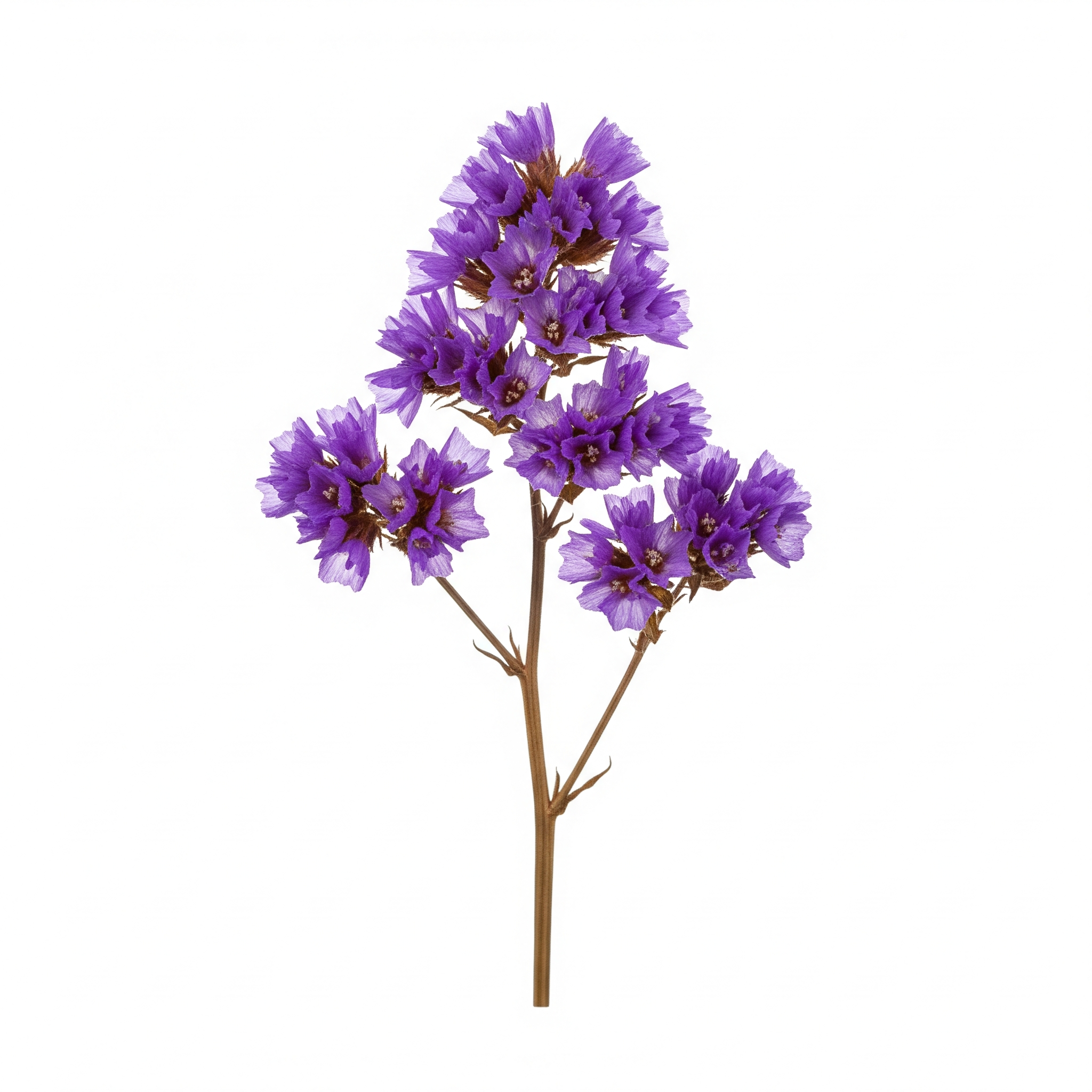
Archival print, museum-grade paper
Buy Poster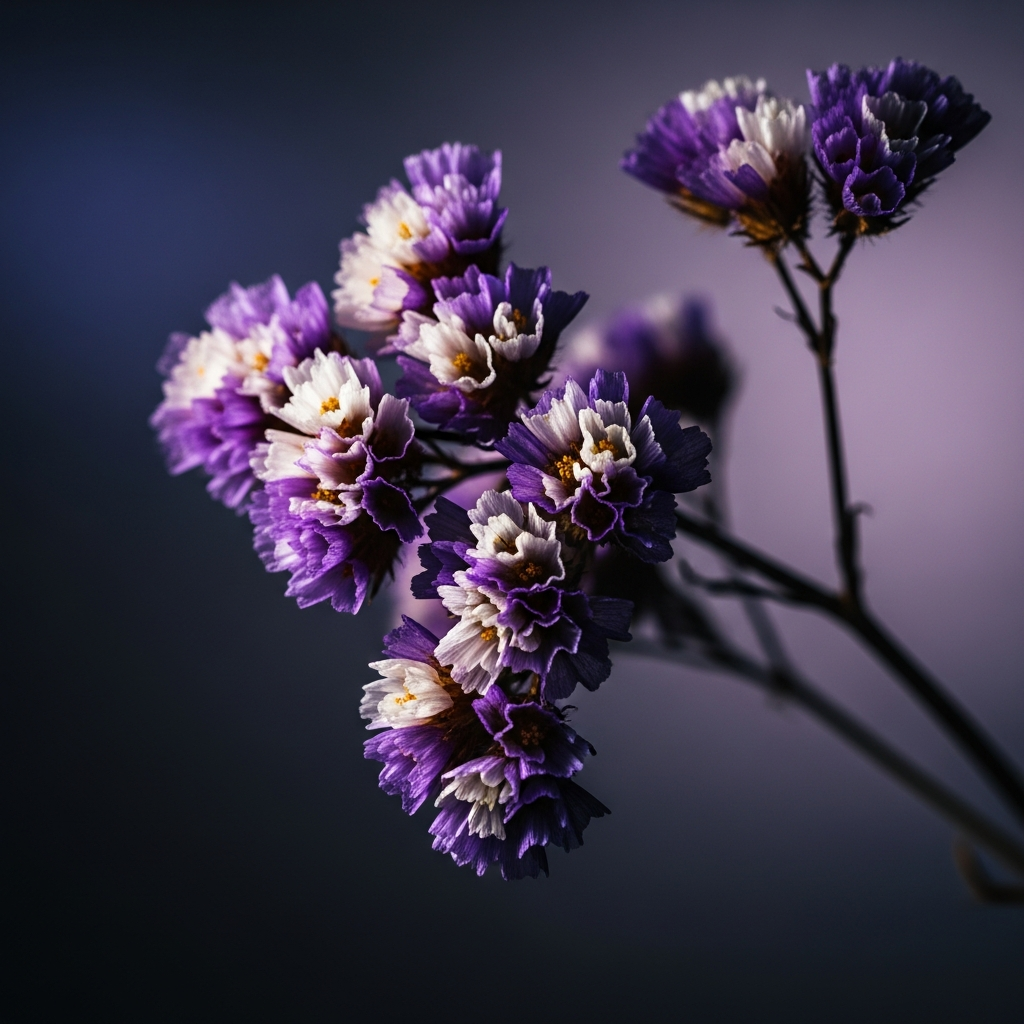
Stoneware mug, dishwasher safe
Buy Mug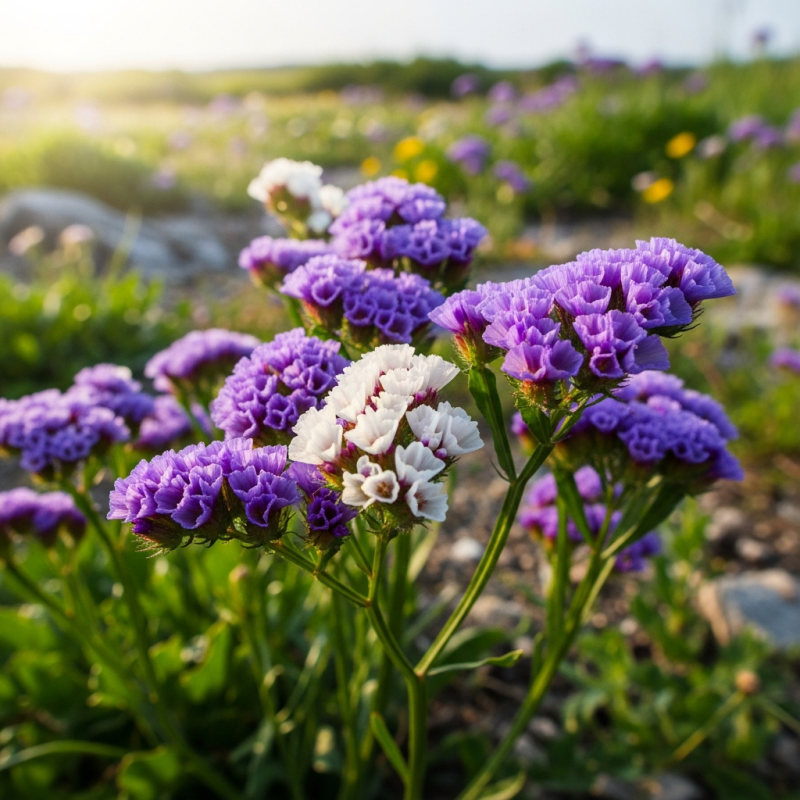
Soft cotton tee, unisex sizes
Buy ShirtStatice holds symbolic importance in many cultures, often representing remembrance and sympathy. Its enduring blooms make it a frequent inclusion in funeral and memorial arrangements, and its vibrant hues are celebrated in decorative crafts and floral art. The flower’s ability to retain beauty when dried has cemented its role as a symbol of lasting affection and memory.
Statice is celebrated for its vibrant color palette, which includes shades of white, yellow, pink, lavender, blue, and purple. While the flowers themselves are typically not fragrant, their striking hues and crisp, papery texture make them visually captivating in any arrangement.
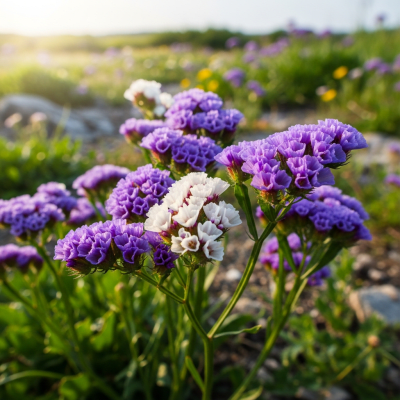

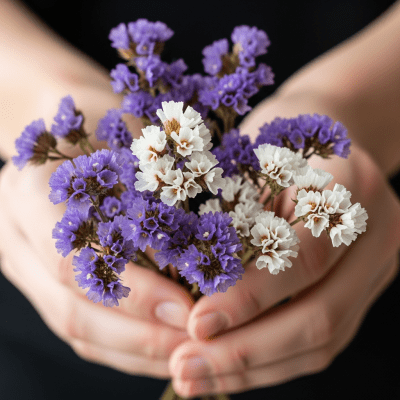
Statice thrives in well-drained, sandy or loamy soils and is highly tolerant of saline and drought conditions, making it suitable for coastal and arid environments. It prefers full sun and benefits from minimal watering once established. Propagation is most commonly done by seed, though division is also possible. To prevent root rot, ensure good drainage and avoid overwatering. Statice’s blooms are ideal for cutting and drying, retaining their color and form for extended storage.
Statice is widely regarded as a symbol of remembrance, sympathy, and lasting beauty. Its enduring blooms are often used to convey messages of memory and affection, especially in funeral and memorial contexts. The flower’s resilience and ability to retain its form when dried further reinforce its association with enduring love and tribute.
Most cultivated statice varieties stem from Limonium sinuatum and its hybrids, with breeding efforts focused on enhancing flower color, stem length, and disease resistance. Many selections have arisen through traditional horticultural practices and open pollination, rather than formal breeding programs. While commercial cultivars may be registered, detailed pedigree records are often unavailable, reflecting the flower’s long-standing popularity and diverse genetic background.
Statice is generally resistant to most pests and diseases, making it a robust choice for gardeners. The primary vulnerability is root rot, which can occur in poorly drained soils. To prevent issues, plant statice in well-drained locations and avoid excessive watering. Regular monitoring and good cultural practices help ensure healthy growth and vibrant blooms.
Statice typically blooms from late spring through early autumn, with peak flowering times varying by species and climate. Its dried blooms are available year-round, making it a reliable choice for both seasonal and permanent floral displays.
Statice is primarily valued for its ornamental uses, featuring prominently in fresh and dried floral arrangements, bouquets, wreaths, and decorative crafts. Its exceptional longevity and color retention make it a staple in the cut flower market. While some species have been used in traditional medicine for their astringent properties, such applications are rare and not widely documented. Statice’s symbolic role in remembrance and sympathy further enhances its appeal in memorial and ceremonial contexts.