
Snowdrop
The snowdrop is a perennial bulbous flower famed for its delicate, nodding white blooms that often emerge through snow, heralding the earliest days of spring in temperate regions.
The snowdrop is a perennial bulbous flower famed for its delicate, nodding white blooms that often emerge through snow, heralding the earliest days of spring in temperate regions.
Snowdrops (Galanthus nivalis) are native to southern and central Europe, stretching from the Pyrenees and Alps to Ukraine and the Caucasus. First described by Carl Linnaeus in 1753, this wild species has a long history of naturalization and cultivation, especially in the British Isles where it is widely celebrated but not considered native. Snowdrops were not the product of deliberate breeding, but rather have been cherished and spread by gardeners and nature itself for centuries.
Snowdrops belong to the genus Galanthus within the Amaryllidaceae family, a group distinguished by bulbous, perennial growth and showy flowers. The canonical scientific name for the common snowdrop is Galanthus nivalis. This genus comprises around 20 species, all sharing a similar growth habit and floral structure. Snowdrops are classified among angiosperms—the flowering plants—whose blooms serve as reproductive organs and are organized by binomial nomenclature in botanical science.
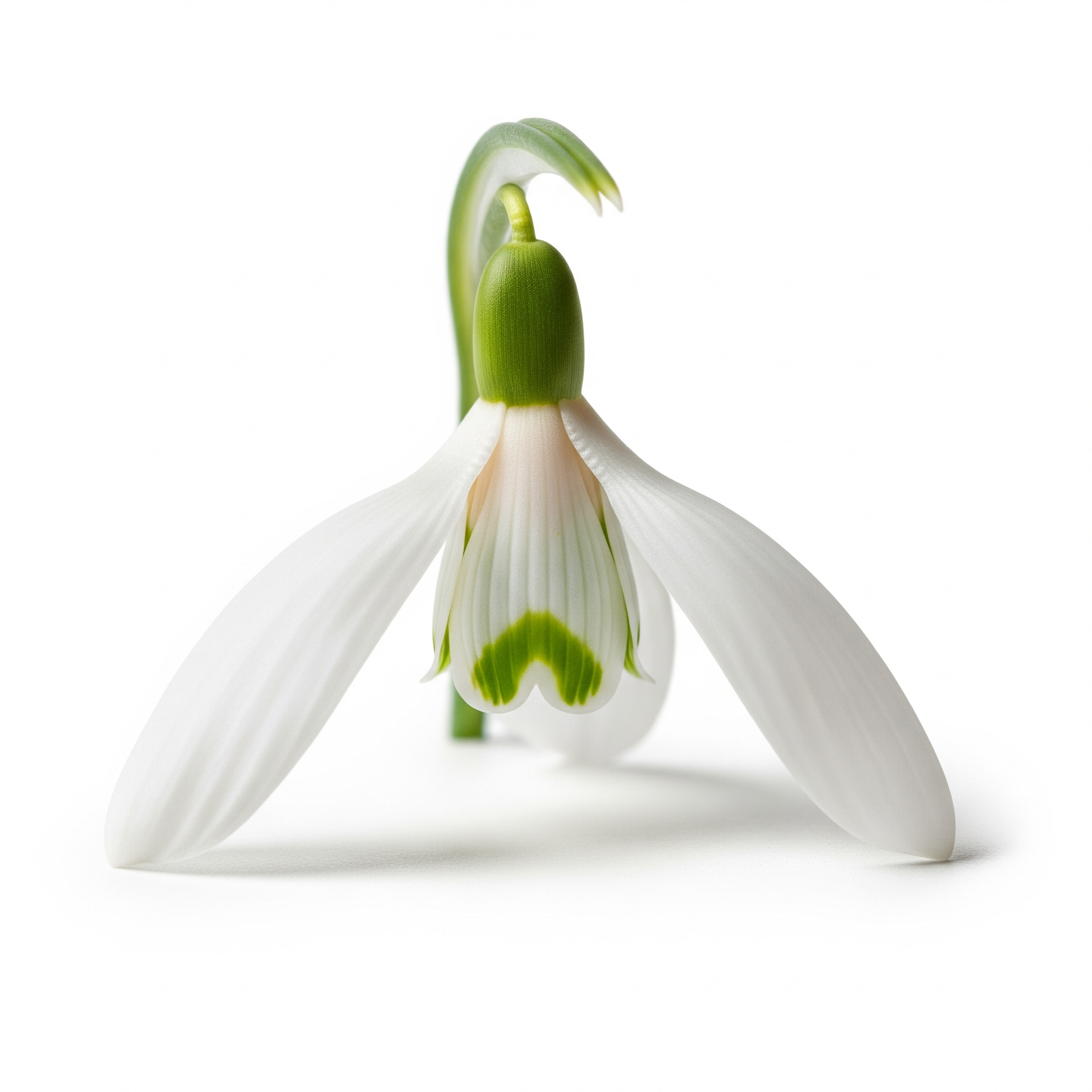
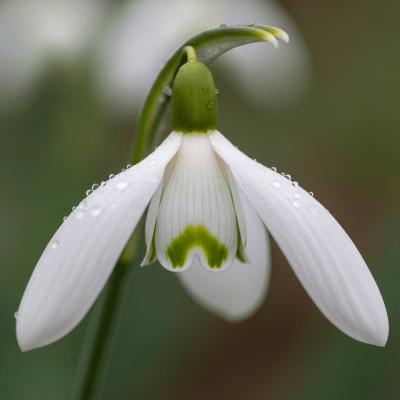
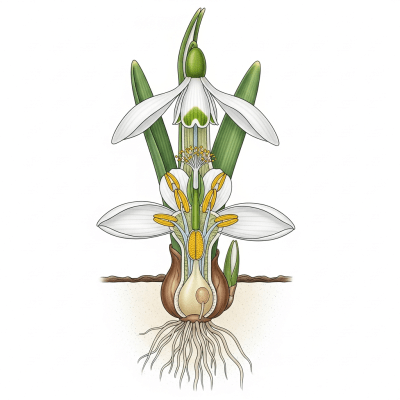
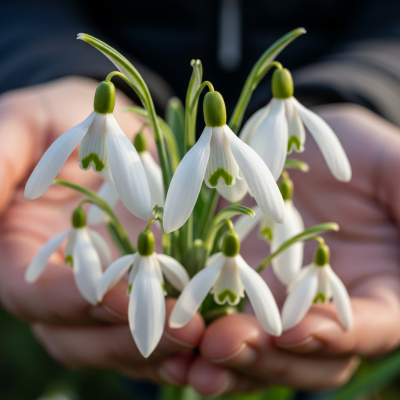
Snowdrops are petite, herbaceous perennials growing 7–15 cm tall from bulbs. Each plant produces two to three slender, glaucous-green leaves and a solitary, pendulous flower. The blossom features six white tepals: three outer segments and three smaller inner ones, often tipped with a green mark. The overall effect is one of understated elegance, with the flower nodding gently above the winter soil. Their mild fragrance and crisp white color stand out against the muted landscape, making snowdrops a symbol of purity and quiet resilience.
Snowdrops are primarily grown for ornamental purposes, prized for their ability to naturalize and form dense colonies in woodlands, lawns, and under deciduous trees. Their early blooming habit makes them a favorite for gardeners seeking winter interest and a sign of spring’s approach. Snowdrops are generally resistant to deer and rodents, and their bulbs remain dormant during summer. While not used in culinary applications due to toxicity, the plant has contributed to pharmaceutical research through the extraction of galantamine, used in Alzheimer’s treatment.
Bring this kind into your world illustrated posters, mugs, and shirts.
Archival print, museum-grade paper
Buy Poster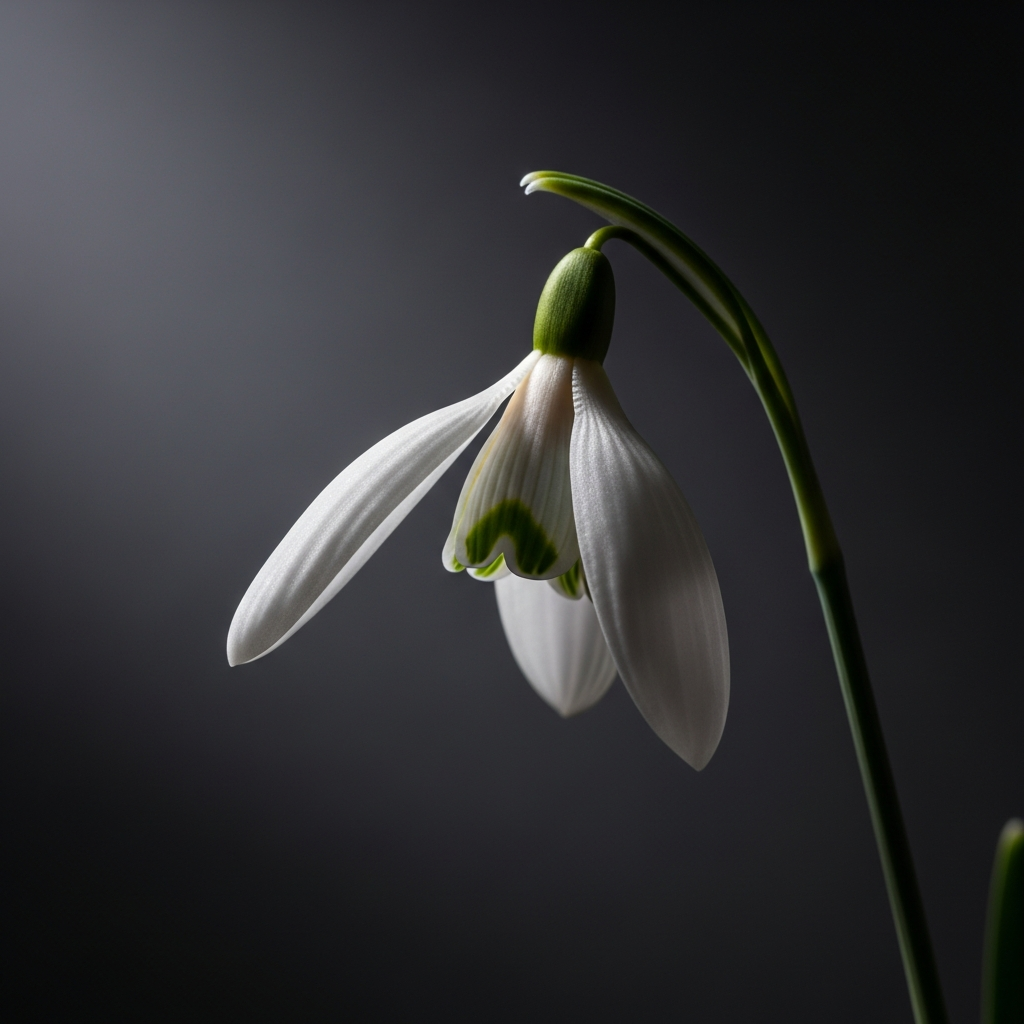
Stoneware mug, dishwasher safe
Buy Mug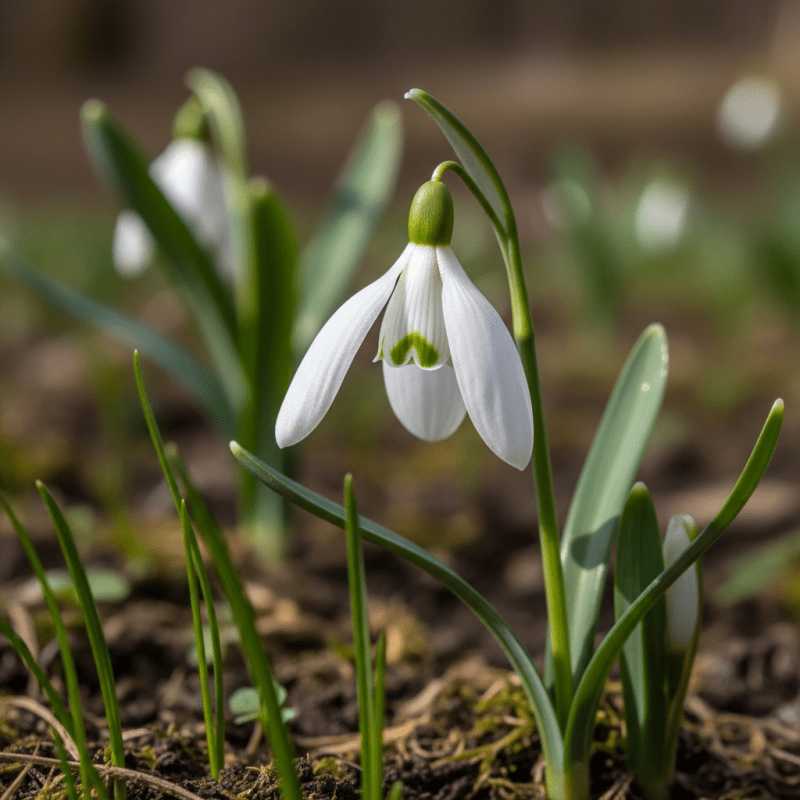
Soft cotton tee, unisex sizes
Buy ShirtAcross Europe, snowdrops are deeply woven into folklore and seasonal celebrations as emblems of hope, renewal, and the triumph of life over winter. They feature in festivals marking the end of winter and are often referenced in poetry and art as symbols of purity and perseverance. In the British Isles, snowdrop walks and displays are popular annual events, and the flower’s appearance is eagerly anticipated as a sign that spring is near.
Snowdrops are characterized by their crisp white flowers, sometimes accented with subtle green markings on the inner tepals. The blooms emit a mild, fresh fragrance that is gentle and unobtrusive, adding to their understated charm in the winter garden.



Snowdrops thrive in moist, well-drained soils and prefer partial shade, making them ideal for woodland gardens or beneath deciduous trees. Plant bulbs in autumn, spacing them a few centimeters apart to encourage naturalization. Once established, snowdrops require minimal care; allow foliage to die back naturally after flowering to nourish next year’s blooms. Propagation is best done by bulb division after flowering or by seed, though seedlings take several years to flower. Avoid waterlogged conditions to prevent bulb rot, and lift and store bulbs dry and cool if necessary during dormancy.
Snowdrops symbolize hope, renewal, and the quiet promise of spring. Their ability to bloom in the harshest conditions has made them a universal emblem of perseverance and purity. In many cultures, snowdrops are associated with new beginnings and the gentle transition from winter to warmth, often featured in rituals and stories celebrating resilience and optimism.
Snowdrops are wild species with a rich history of cultivation rather than deliberate breeding. Horticulturists have selected and propagated numerous cultivars, focusing on traits such as double flowers, green markings, and early or late blooming. While hybridization is less common than in some other genera, the diversity of forms available today reflects centuries of careful selection and natural variation.
Snowdrops are typically in bloom from January to March, depending on local climate and conditions. Bulbs are planted in autumn and remain dormant during summer, making their appearance one of the earliest floral events of the year.
Snowdrops are primarily grown as ornamental plants, valued for their early spring display in gardens, parks, and naturalized settings. They are not used in culinary contexts due to toxicity. Medicinally, the alkaloid galantamine extracted from snowdrops is used in the treatment of Alzheimer’s disease, though the plant itself is not consumed. Snowdrops also hold symbolic and cultural significance, representing hope and renewal in festivals and folklore throughout Europe.