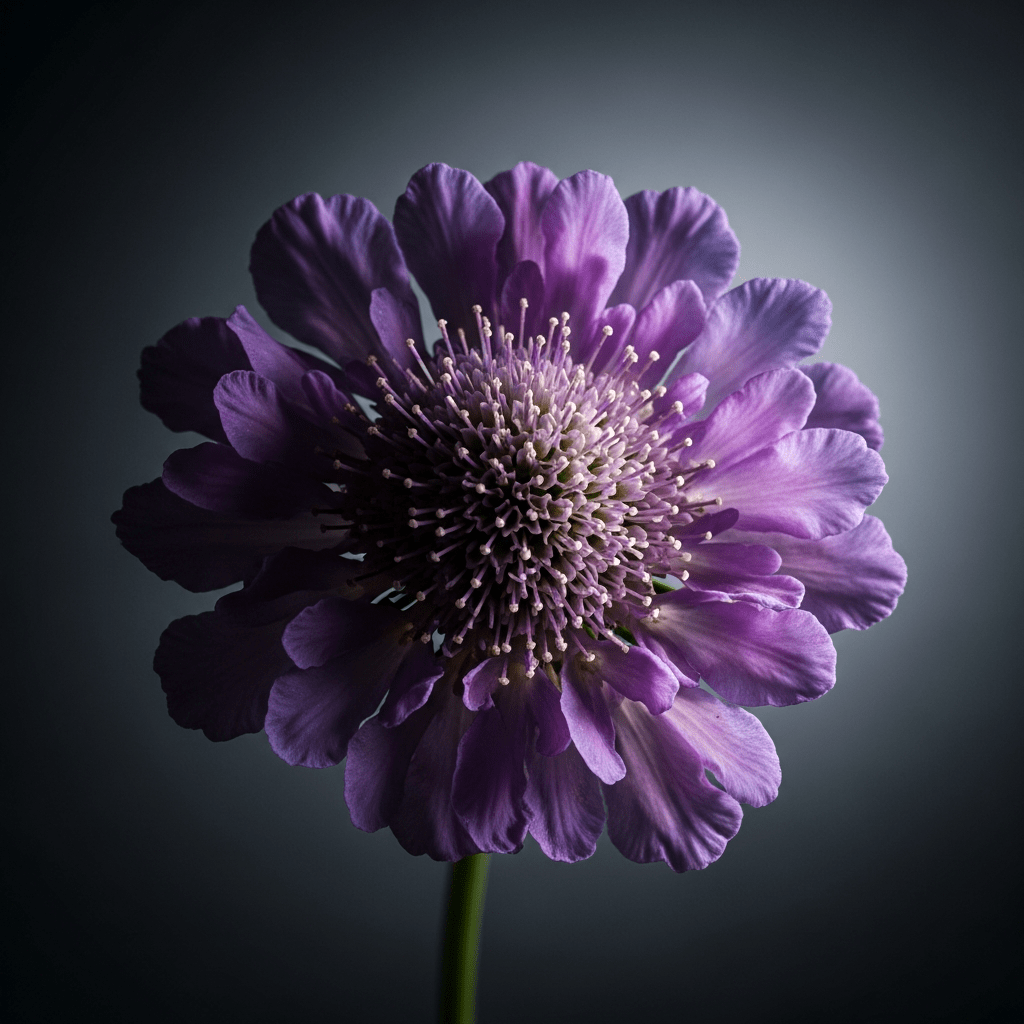
Scabiosa
Scabiosa, commonly known as pincushion flower, is a genus of ornamental flowering plants celebrated for their unique, domed blooms and popularity in gardens and floral arrangements.
Scabiosa, commonly known as pincushion flower, is a genus of ornamental flowering plants celebrated for their unique, domed blooms and popularity in gardens and floral arrangements.
Scabiosa traces its botanical origins to Europe, Asia, and Africa, with its genus first formally described by Carl Linnaeus in 1753. The name stems from the Latin "scabies," referencing the plant's ancient use in treating skin ailments. While no single breeder is tied to its discovery, Scabiosa species have been cultivated since antiquity, with modern cultivars and hybrids developed by European botanical gardens and commercial breeders throughout the 19th and 20th centuries.
Scabiosa belongs to the family Caprifoliaceae, within the angiosperms—plants defined by their flowering reproductive structures. The genus encompasses approximately 80 species, organized by scientific taxonomy (kingdom, family, genus, species) and horticultural groupings. Taxonomic revisions have occasionally moved some species to related genera, such as Knautia and Lomelosia.
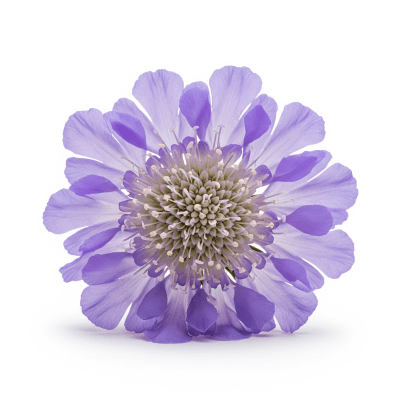
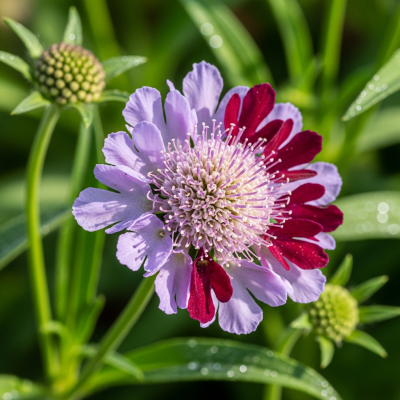
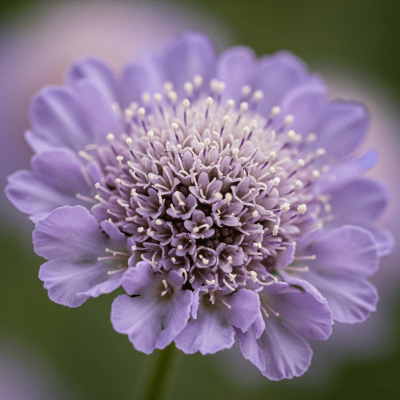
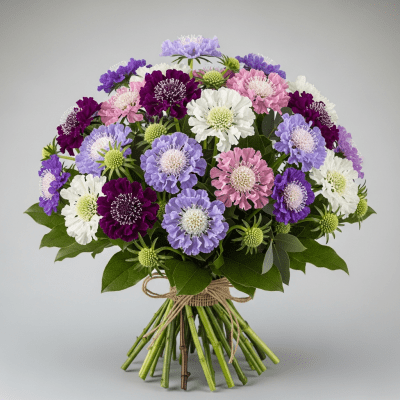
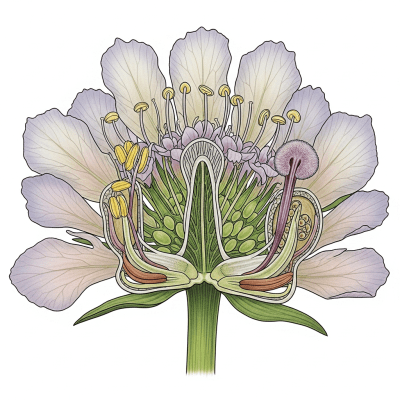
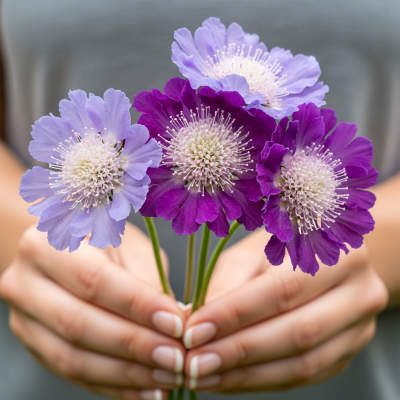
Scabiosa plants are herbaceous annuals or perennials, typically reaching 30–90 cm in height. Their slender, branching stems bear opposite, lanceolate to deeply lobed leaves. The signature flower head is a solitary, globular capitulum, 3–5 cm across, composed of numerous small central florets encircled by larger, petal-like outer florets—giving the bloom its distinctive pincushion look. Colors span white, pink, lavender, blue, purple, and occasionally yellow or burgundy, with a soft, airy texture prized in bouquets.
Scabiosa is primarily grown for its ornamental value in gardens and as a cut flower, admired for its long-lasting, repeat blooms. The flowers are highly attractive to pollinators, especially bees and butterflies, making them a favorite for biodiversity-friendly landscapes. Deadheading encourages further flowering, and some species readily self-sow, contributing to naturalized garden displays.
Bring this kind into your world illustrated posters, mugs, and shirts.
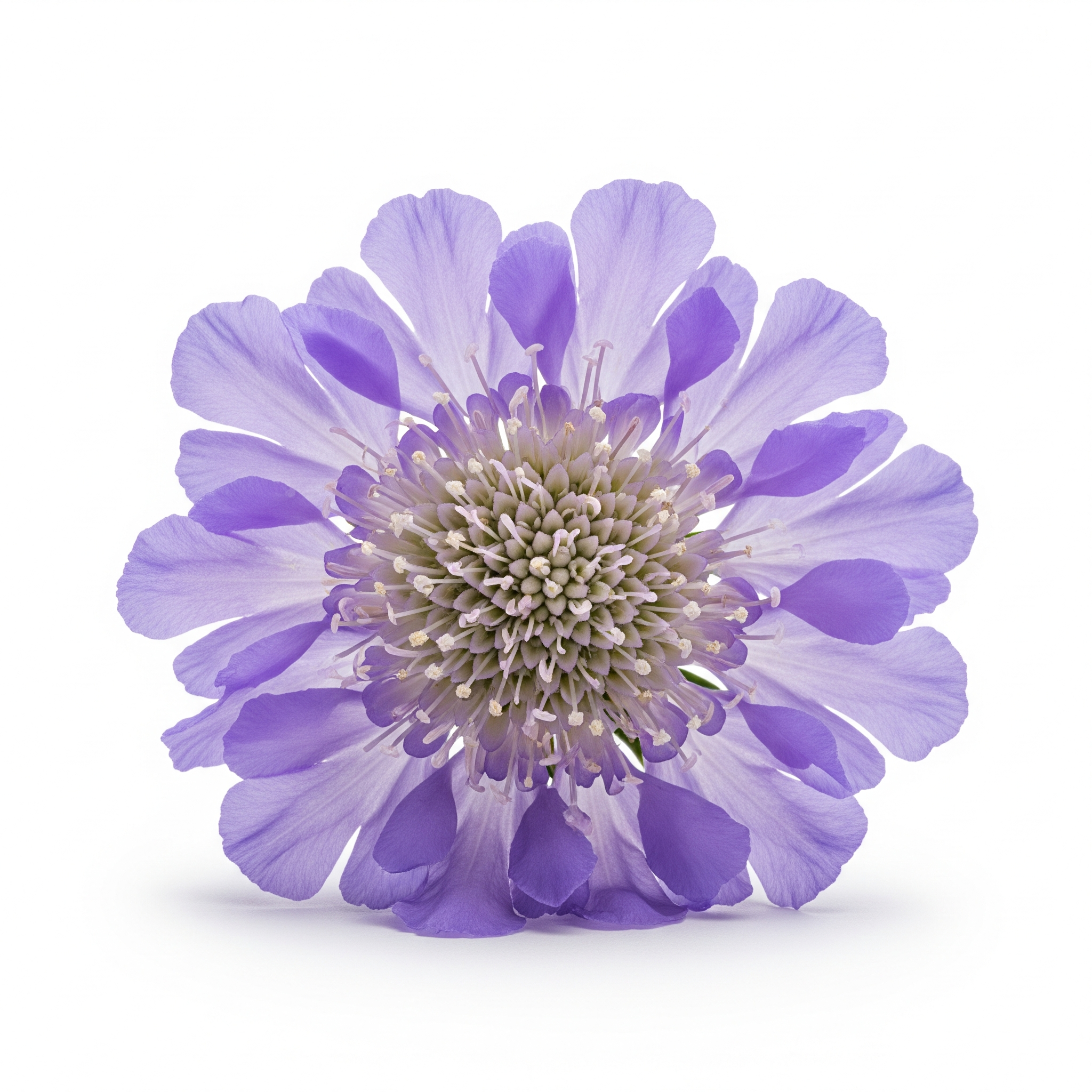
Archival print, museum-grade paper
Buy Poster
Stoneware mug, dishwasher safe
Buy Mug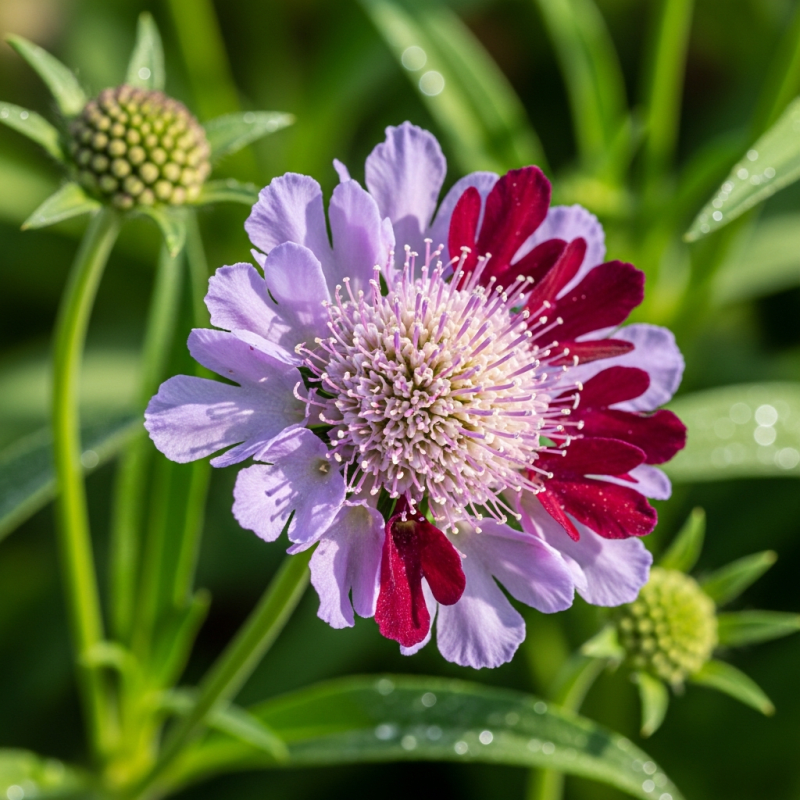
Soft cotton tee, unisex sizes
Buy ShirtHistorically, Scabiosa was valued in folk medicine for treating skin conditions, a legacy reflected in its Latin-derived name. In modern times, its elegant form and vibrant hues have made it a staple in floral design, symbolizing beauty and grace in bouquets. While not strongly tied to specific myths or rituals, its popularity in European and North American gardens underscores its enduring cultural appeal.
Scabiosa flowers are admired for their delicate palette, ranging from soft whites and pinks to striking blues, lavenders, purples, and occasional yellows or burgundies. While most varieties are not notably fragrant, their visual charm and airy texture make them a favorite in both gardens and floral arrangements.
Scabiosa thrives in well-drained, neutral to slightly alkaline soils and prefers full sun exposure. Plant in spring, using seeds, cuttings, or self-sown seedlings. Moderate drought tolerance makes it suitable for various climates, and it is hardy in USDA Zones 3–9. Deadheading spent blooms encourages continuous flowering. Avoid overwatering, as poorly drained soils can lead to root rot and powdery mildew. Regular monitoring and prompt removal of affected foliage help maintain plant health.
While Scabiosa does not carry strong symbolic associations in folklore, its elegant, pincushion-like blooms often represent beauty, grace, and delicate charm in floral language. Its historical use in treating skin ailments adds a subtle layer of healing symbolism, though this is less prominent in contemporary culture.
Since its formal description in the 18th century, Scabiosa has seen extensive breeding, especially in Europe. Botanical gardens and commercial breeders have introduced numerous cultivars, focusing on flower size, color, and repeat blooming. Modern hybrids like 'Butterfly Blue' and 'Pink Mist' exemplify the genus's horticultural advancement, though detailed pedigree information is often proprietary.
Scabiosa typically blooms from late spring through early autumn. Peak availability for cut flowers and garden plants coincides with these months, with repeat flowering possible in many varieties if regularly deadheaded.
Scabiosa is chiefly grown for ornamental use in garden borders and as a cut flower, prized for its unique form and long vase life. It is not used in culinary applications. Historically, some species were employed in folk medicine for skin conditions, though these uses are now obsolete. Its ability to attract pollinators makes it valuable for biodiversity and ecological gardening.