Rose
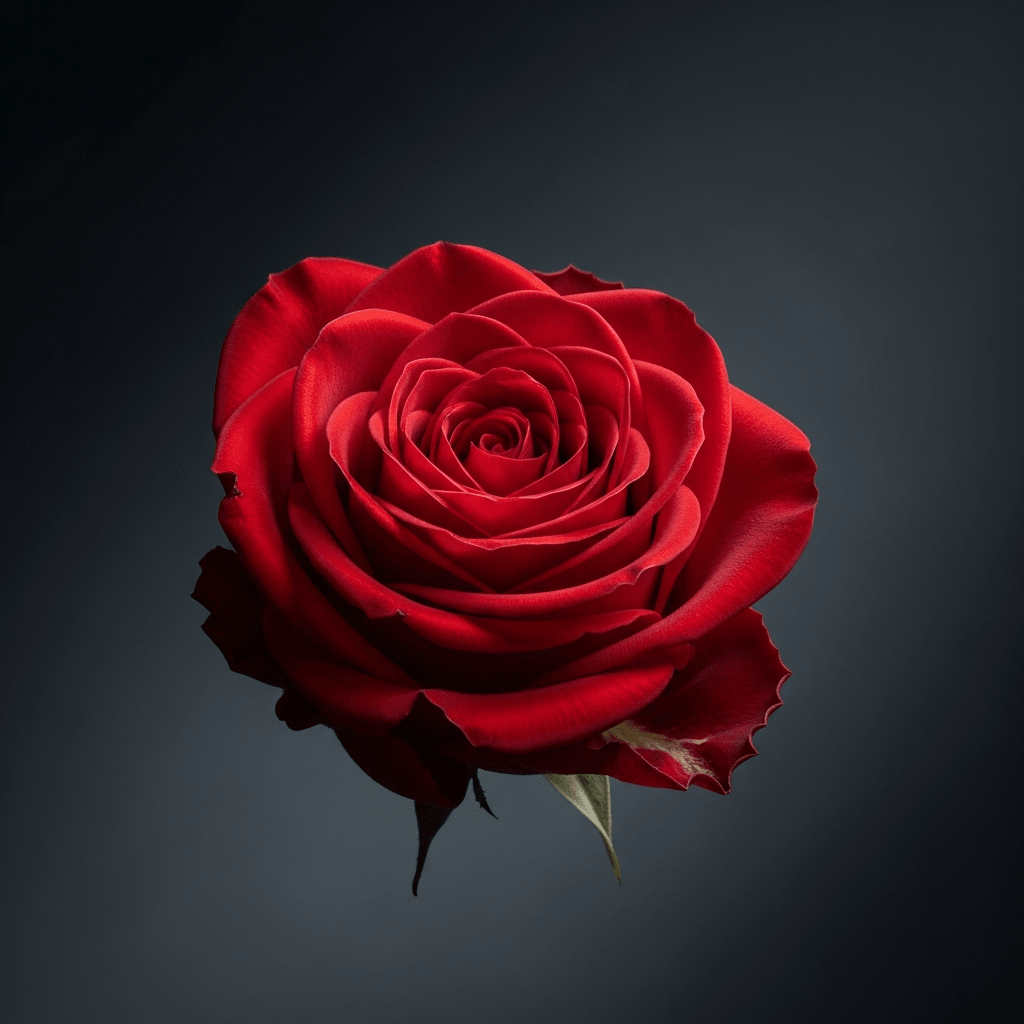
The rose is a globally cherished flowering plant, celebrated for its captivating beauty, diverse colors, and evocative fragrance.
The rose is a globally cherished flowering plant, celebrated for its captivating beauty, diverse colors, and evocative fragrance.
Roses trace their origins to Europe, Asia, North America, and northwestern Africa, with cultivation dating back at least 5,000 years to ancient China and the Middle East. Over centuries, roses have been shaped by extensive hybridization, blending Asian and European species to create the modern garden rose. The legacy of rose breeding includes renowned figures such as Joseph Pernet-Ducher and David Austin, whose work has defined contemporary rose diversity.
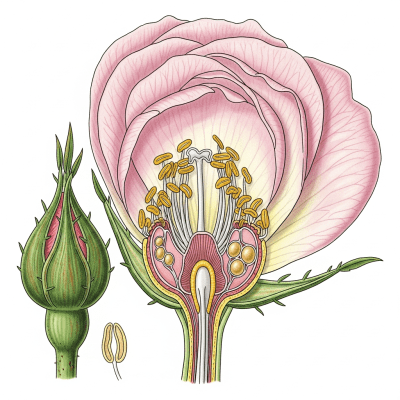
Botanically, the rose belongs to the genus Rosa within the family Rosaceae. With over 100 recognized species, roses are classified as perennial angiosperms, and further grouped by their growth habits—shrubs, climbers, groundcovers—and by horticultural categories such as Hybrid Tea, Floribunda, and Grandiflora. The taxonomy of roses is shaped by both scientific lineage and centuries of cultivated varieties.
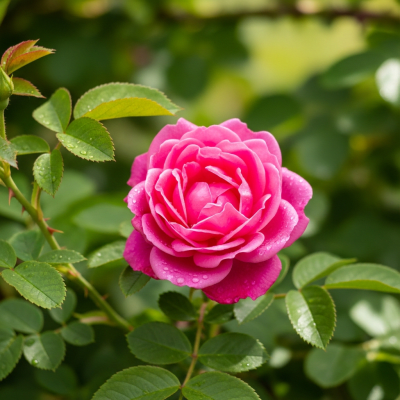
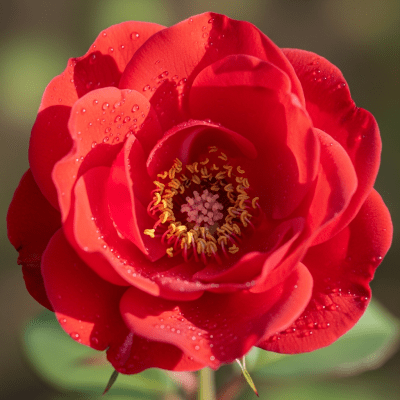
Roses display a remarkable range of forms, from compact miniatures to vigorous climbers reaching over seven meters. Their stems are typically adorned with prickles, and leaves are compound, pinnate, and serrated. The flowers themselves vary from simple five-petaled singles to lush, multi-petaled doubles, spanning a spectrum of colors including red, pink, white, yellow, orange, and lavender. The tactile experience of a rose includes velvety petals and, often, a gentle thorny touch.
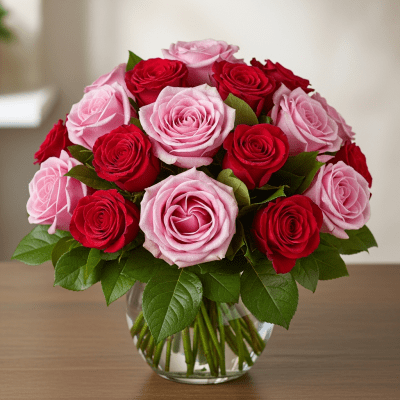
Roses are cultivated for ornamental display in gardens and landscapes, and dominate the global cut flower market, especially for celebrations and rituals. Their petals and hips are used in culinary preparations—such as jams, syrups, and teas—and rose oil is a prized ingredient in perfumery. Medicinal traditions value rose hips for their vitamin C content and anti-inflammatory properties. In the wild, roses provide habitat and food for pollinators and wildlife.
Bring this kind into your world illustrated posters, mugs, and shirts.
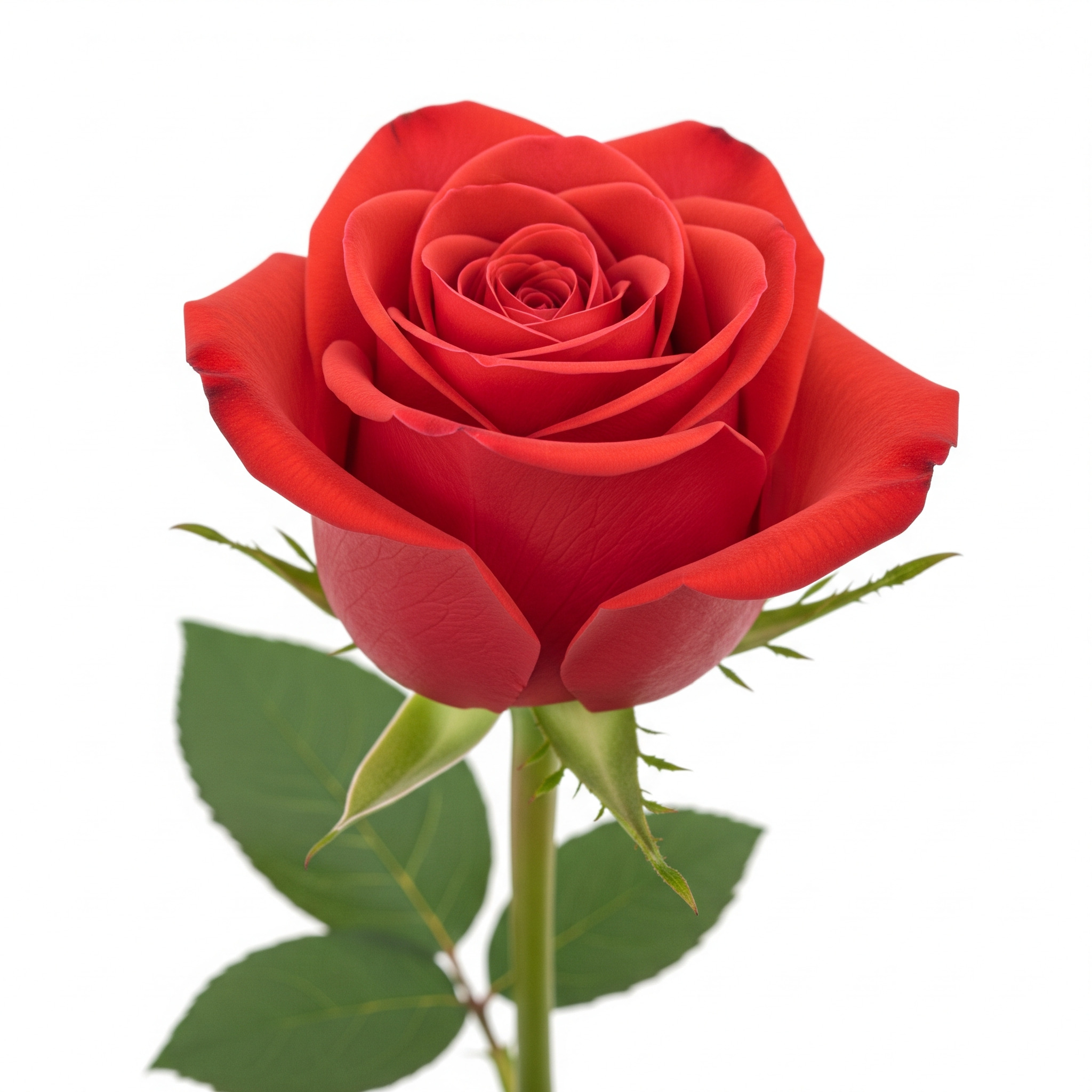
Archival print, museum-grade paper
Buy Poster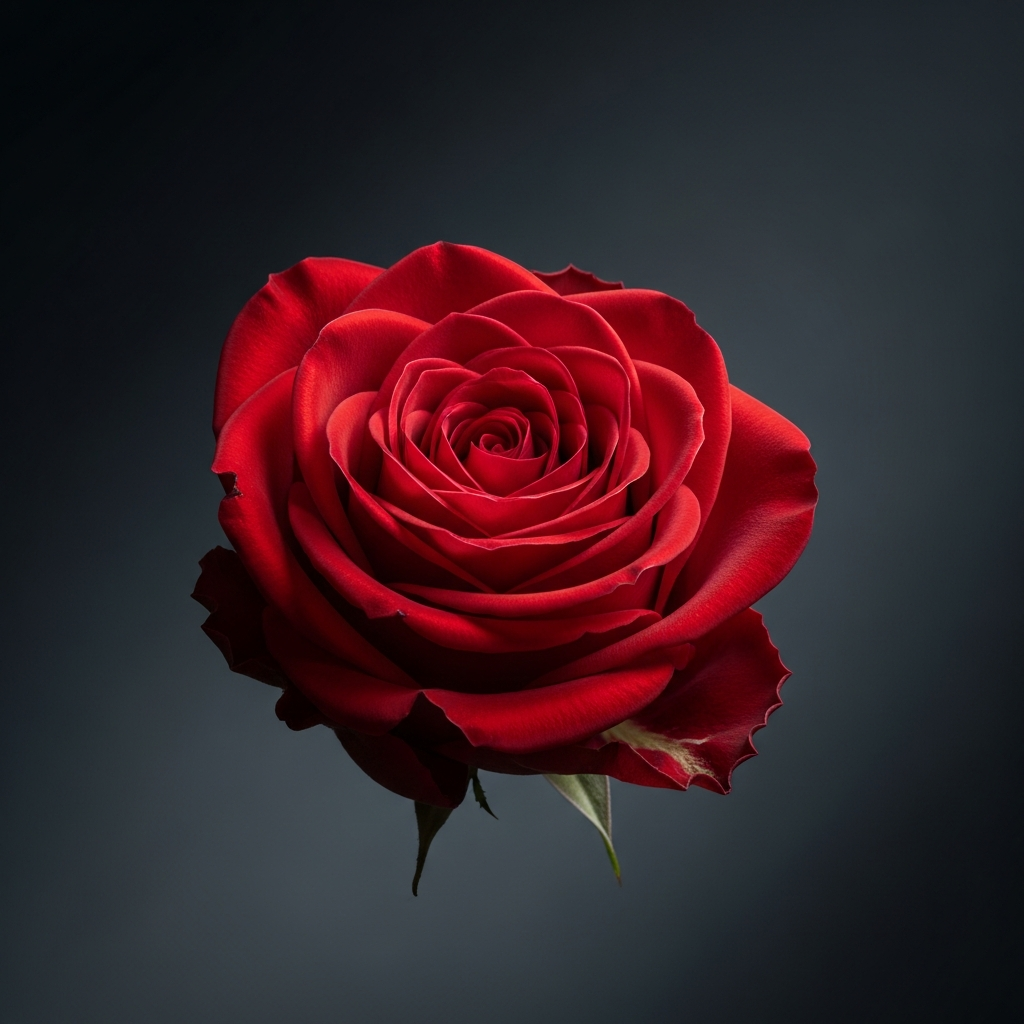
Stoneware mug, dishwasher safe
Buy Mug
Soft cotton tee, unisex sizes
Buy ShirtFew flowers rival the rose in cultural resonance. Across centuries and continents, roses symbolize love, beauty, and honor, appearing in art, literature, and religious iconography. They serve as national emblems—England, Bulgaria, and the United States among them—and feature prominently in celebrations such as Valentine’s Day and weddings. The rose’s allure is woven into myth, poetry, and the visual arts, making it an enduring motif of human emotion and aspiration.
Roses are celebrated for their diverse and enchanting fragrances, ranging from sweet and citrusy to spicy and musky. Their color palette is equally varied, featuring classic reds, delicate pinks, pure whites, sunny yellows, vibrant oranges, and soft lavenders. While blue roses are not found in nature, advances in breeding have introduced genetically modified blue hues. The sensory appeal of roses lies in both their visual splendor and aromatic charm.
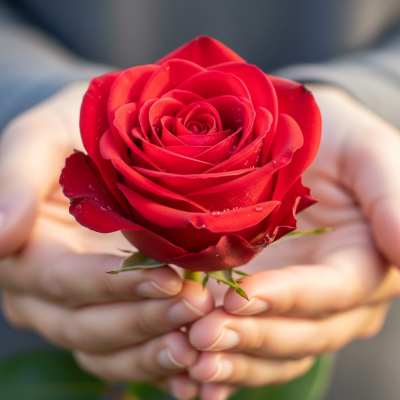
Roses thrive in well-drained, fertile soil with moderate organic matter and prefer full sun exposure. Planting is best done in spring or autumn. Regular watering, mulching, and balanced fertilization support healthy growth. Pruning encourages blooms and helps manage shape and disease. Propagation methods include seed, cuttings, budding, and grafting, with commercial growers favoring grafted plants for vigor. Disease management focuses on preventing black spot, powdery mildew, and rust, often through resistant cultivars and good garden hygiene.
Throughout history, the rose has symbolized love, beauty, and passion. Red roses are universally associated with romance, while white roses evoke purity and remembrance. Yellow roses can signify friendship and joy, and pink roses express gratitude and admiration. In religious and cultural contexts, roses represent honor, secrecy, and spiritual devotion. Their enduring symbolism makes roses a powerful messenger in human relationships and ceremonies.
Rose breeding has a rich history, with modern garden roses emerging from centuries of hybridization among species like Rosa gallica, Rosa damascena, Rosa chinensis, and Rosa multiflora. Pioneering breeders such as Joseph Pernet-Ducher and David Austin have introduced iconic cultivars, focusing on enhanced fragrance, disease resistance, and diverse forms. Today’s roses reflect complex genetic lineages, with ongoing innovation producing new colors, shapes, and resilient varieties for gardens and floriculture.
Roses typically bloom from late spring through autumn, with peak flowering in early summer. Some varieties, especially modern hybrids, offer repeat or continuous blooms throughout the growing season. In the cut flower market, roses are available year-round due to global production and greenhouse cultivation.
Roses are prized ornamentally in gardens and landscapes, and are the foremost flower in the commercial cut flower industry. Their petals and hips enrich culinary creations—jams, syrups, teas, and flavorings—while rose oil is a cornerstone of perfumery. Medicinally, rose hips provide vitamin C and are used in traditional remedies. Symbolically, roses convey messages of love, honor, and remembrance, making them integral to celebrations, rituals, and artistic expression worldwide.