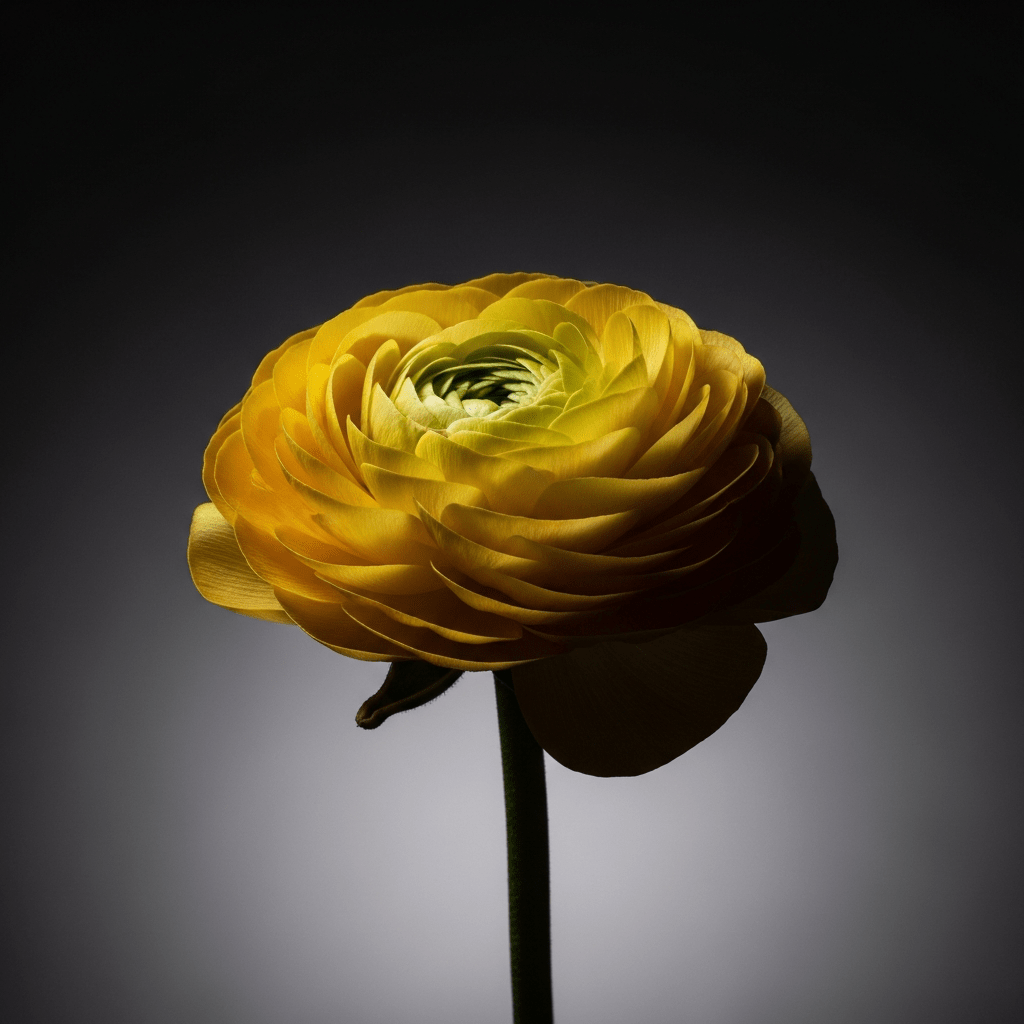
Ranunculus
Ranunculus is a vibrant genus of flowering plants celebrated for its lush, multi-layered blooms and ornamental appeal in gardens and floral design.
Ranunculus is a vibrant genus of flowering plants celebrated for its lush, multi-layered blooms and ornamental appeal in gardens and floral design.
First described by Carl Linnaeus in 1753, Ranunculus draws its name from the Latin for "little frog," a nod to the damp habitats favored by many species. While the genus is globally distributed, the most prized horticultural species, Ranunculus asiaticus, originates from the eastern Mediterranean—spanning southwestern Asia, southeastern Europe, and northeastern Africa. Modern cultivated varieties trace their roots to extensive breeding efforts in the Netherlands, Japan, and Israel, with many hybrids developed since the 19th century.
Ranunculus belongs to the family Ranunculaceae, a diverse group within the angiosperms (flowering plants). The genus encompasses over 600 species, ranging from wild buttercups to highly bred ornamental forms. In horticultural contexts, "ranunculus" often refers specifically to the showy, cultivated selections of R. asiaticus, while "buttercup" may denote wild species such as R. acris or R. repens.
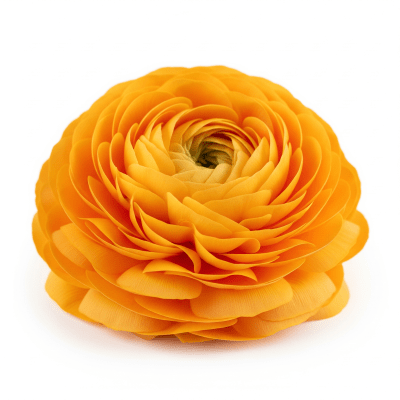
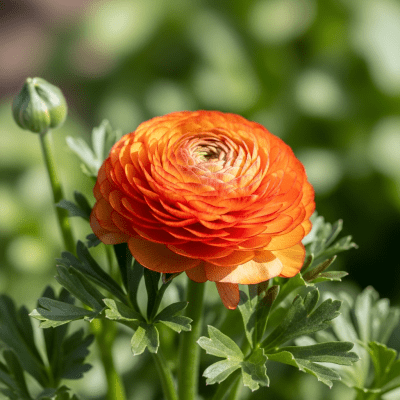
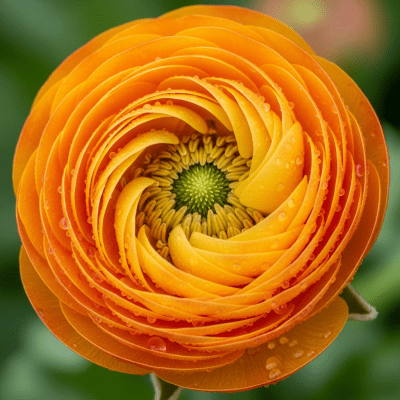
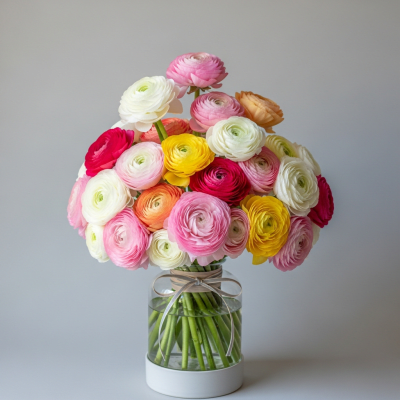
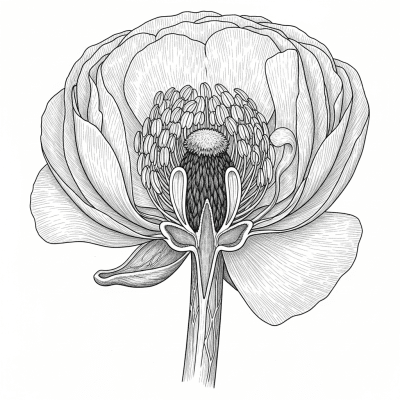
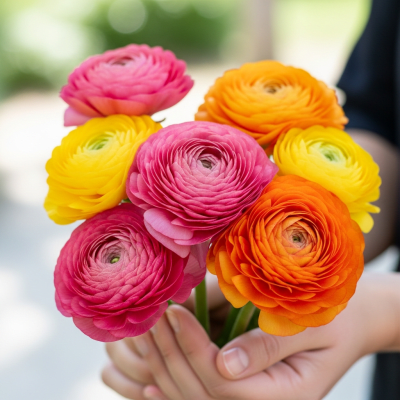
Ranunculus plants are typically herbaceous perennials or annuals, reaching heights of 20–50 cm. Their leaves are finely divided and sometimes lobed, lending a delicate texture. The flowers, solitary or in loose clusters, are renowned for their large, double or semi-double blooms—5–8 cm across—with layers of overlapping petals that evoke roses or peonies. The color palette is dazzling: white, yellow, pink, red, orange, and purple varieties are all common, making ranunculus a favorite for striking visual displays.
Ranunculus is cultivated primarily for its ornamental value, gracing garden borders and floral arrangements worldwide. Its long-lasting cut flowers are highly sought after in the floral industry, with major export production in Israel, Italy, and the Netherlands. In the wild, various species thrive in moist meadows and wetlands, contributing to local biodiversity. Despite its beauty, all parts of the plant are toxic if ingested, limiting its use to visual enjoyment and symbolic representation.
Bring this kind into your world illustrated posters, mugs, and shirts.
Archival print, museum-grade paper
Buy Poster
Stoneware mug, dishwasher safe
Buy Mug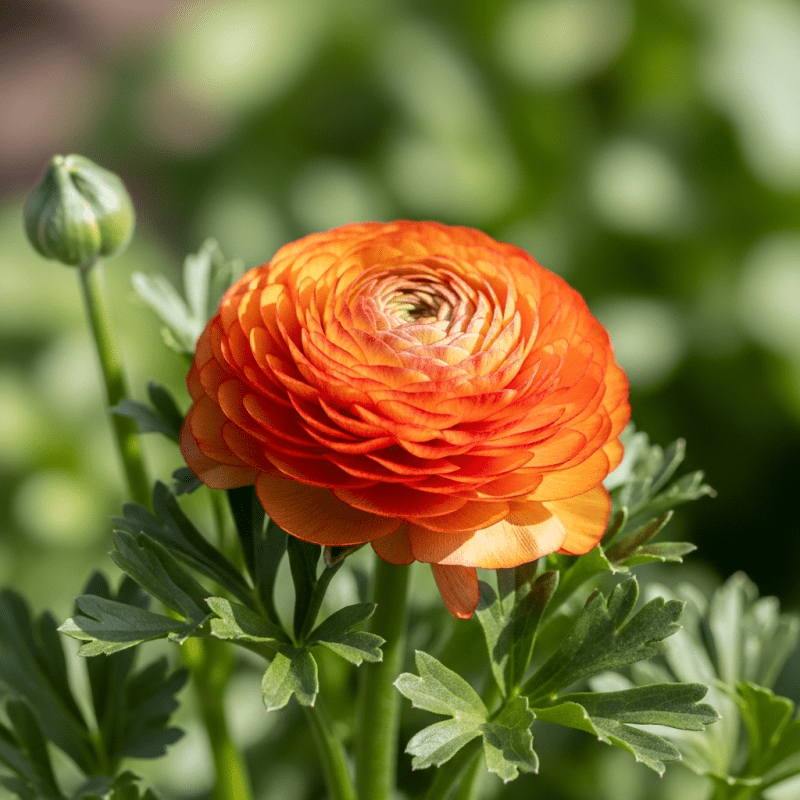
Soft cotton tee, unisex sizes
Buy ShirtRanunculus holds a special place in the language of flowers, often symbolizing charm and attractiveness. Its lush, layered blooms have inspired artists and designers, appearing in paintings, textiles, and contemporary floral art. While not as deeply enmeshed in myth as some flowers, ranunculus is a staple in wedding bouquets and festive arrangements, representing radiant beauty and positive energy.
Ranunculus flowers are celebrated for their dazzling spectrum of colors, including white, yellow, pink, red, orange, and purple. While their visual impact is striking, most cultivated varieties are not notably fragrant, focusing instead on their lush, rose-like appearance.
To cultivate ranunculus successfully, plant tubers (corms) in well-drained soil and provide full sun to partial shade. They prefer cool temperatures and should be watered moderately, avoiding soggy conditions that can lead to root rot. Flowering occurs in spring to early summer; in colder climates, tubers are often lifted and stored over winter to protect them from frost. Propagation is typically by tuber division or seed, and regular monitoring for pests like aphids and thrips is recommended.
In the language of flowers, ranunculus stands for charm, attractiveness, and radiant beauty. Its layered petals and vivid hues make it a popular choice for expressing admiration and positive energy, especially in celebratory bouquets and festive arrangements.
The most celebrated ranunculus is Ranunculus asiaticus, known as the Persian buttercup. Within this species, countless cultivars have been developed, offering double and semi-double blooms in a wide array of colors. Wild species such as R. acris (meadow buttercup) and R. repens (creeping buttercup) are also notable, though they are less commonly grown for ornamental purposes.
Since the 19th century, ranunculus breeding has focused on enhancing flower size, petal count, and color diversity, particularly in R. asiaticus. Notable breeding programs in the Netherlands, Japan, and Israel have produced modern hybrids with spectacular blooms. Many cultivars are proprietary, and their pedigrees are often undocumented, reflecting the complex and competitive nature of ranunculus hybridization.
Ranunculus is susceptible to root rot in poorly drained soils and can be affected by powdery mildew, aphids, and thrips. Preventive care includes planting in well-drained soil, avoiding overwatering, and monitoring for insect infestations. Prompt removal of affected foliage and the use of appropriate horticultural treatments help maintain healthy plants.
Ranunculus typically blooms from spring to early summer, with peak flowering between March and June in temperate climates. Cut flowers are most available during this period, coinciding with their popularity in springtime floral arrangements.
Ranunculus is grown almost exclusively for ornamental purposes, adorning gardens, borders, and floral arrangements. Its long-lasting cut flowers are a staple in the commercial floral industry. Due to its toxicity, ranunculus has no culinary or medicinal applications, though wild species have occasionally appeared in traditional remedies. The flower’s symbolic meaning of charm and attractiveness further enhances its appeal in decorative and celebratory contexts.