
Primrose
The primrose is a beloved spring-blooming flower from the genus Primula, celebrated for its vibrant colors, delicate form, and adaptability in gardens and wild landscapes alike.
The primrose is a beloved spring-blooming flower from the genus Primula, celebrated for its vibrant colors, delicate form, and adaptability in gardens and wild landscapes alike.
Primroses trace their origins to western and southern Europe, northwest Africa, and southwest Asia, with the genus Primula first described by Carl Linnaeus in 1753. The common primrose (Primula vulgaris) has flourished in temperate woodlands and meadows for centuries, inspiring gardeners and breeders since at least the 16th century, especially in the UK and Europe. Over time, informal selection and hybridization have produced a dazzling array of cultivars, though the precise history of individual varieties is often lost to tradition.
Primrose belongs to the genus Primula, a diverse group within the family Primulaceae. This genus encompasses hundreds of species, with Primula vulgaris as the archetypal primrose. While "primrose" often refers to this common species, it may also denote related types such as cowslip (Primula veris) and oxlip (Primula elatior). The genus is renowned for its early spring blooms and is a staple in both wild and cultivated settings.
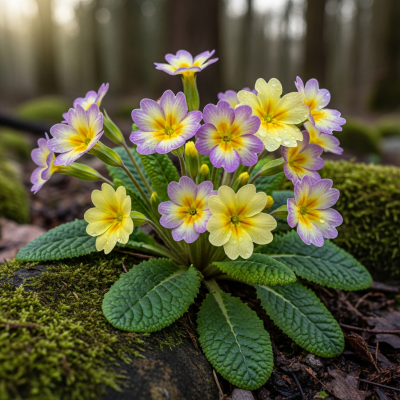
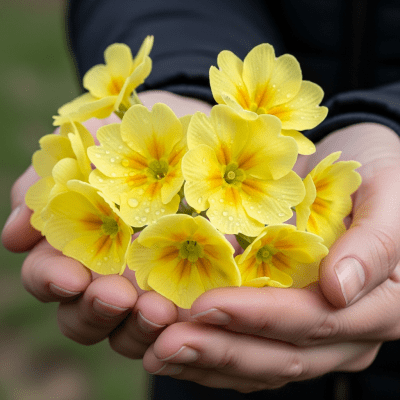
Primroses are compact, herbaceous perennials (sometimes biennials) forming neat basal rosettes of oblong, wrinkled leaves. From the center, slender stems rise to display solitary or clustered flowers, each typically five-petaled and measuring a few centimeters across. Their color palette is broad—ranging from soft pale yellow (the classic wild form) to white, pink, red, purple, blue, and striking multicolored varieties. The overall plant height is modest, usually between 10 and 30 cm, making primroses ideal for borders, woodland gardens, and containers.
Primroses thrive in moist, well-drained soils rich in organic matter and prefer partial shade, though many cultivars tolerate full sun. Their early blooms provide vital nectar for pollinators emerging after winter. In gardens, primroses are cherished for their ability to naturalize, forming cheerful drifts of color. Some species are edible and have been used in traditional recipes, while others have historical medicinal uses. Primroses are not typically grown for commercial cut flower markets but are popular as potted plants and bedding flowers.
Bring this kind into your world illustrated posters, mugs, and shirts.
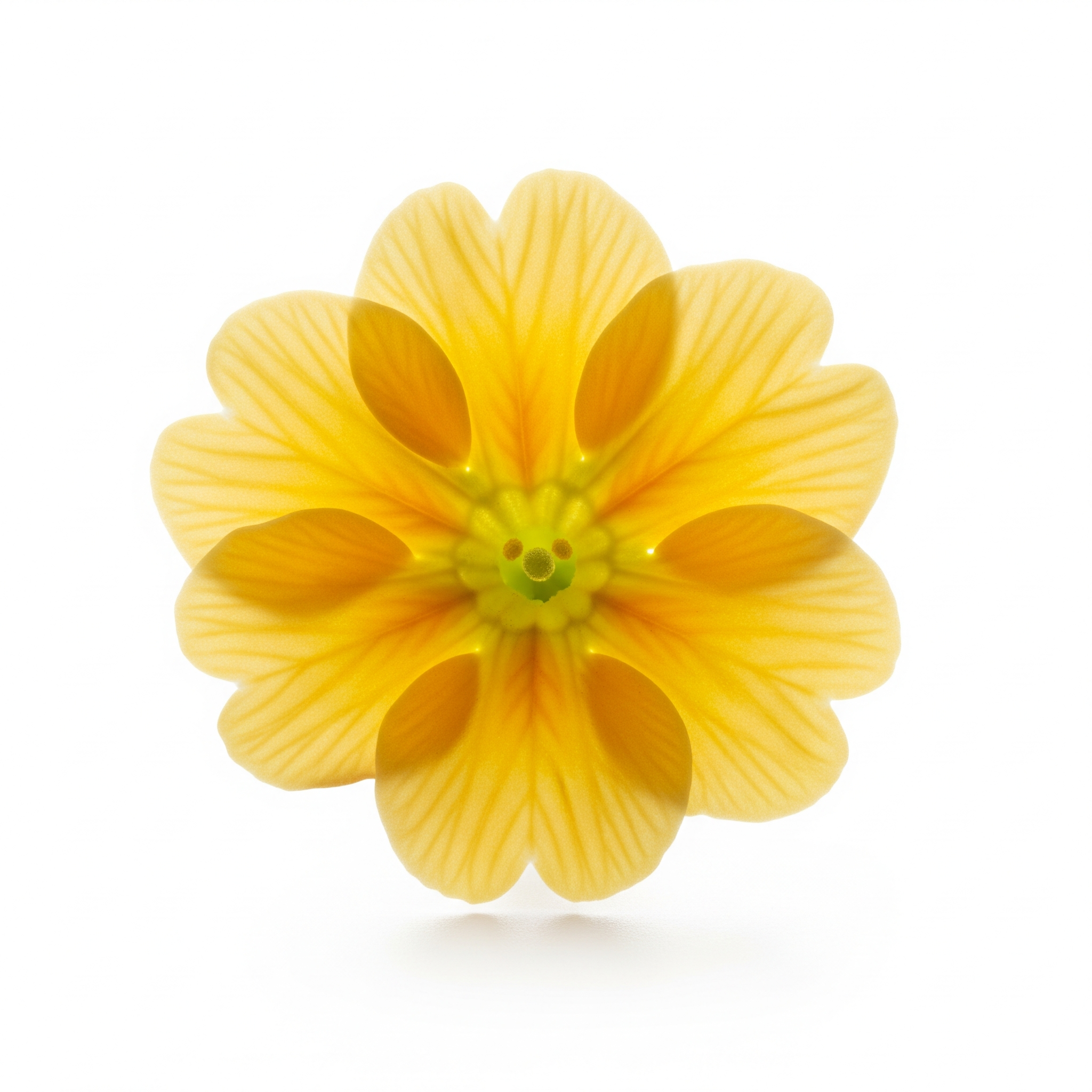
Archival print, museum-grade paper
Buy Poster
Stoneware mug, dishwasher safe
Buy Mug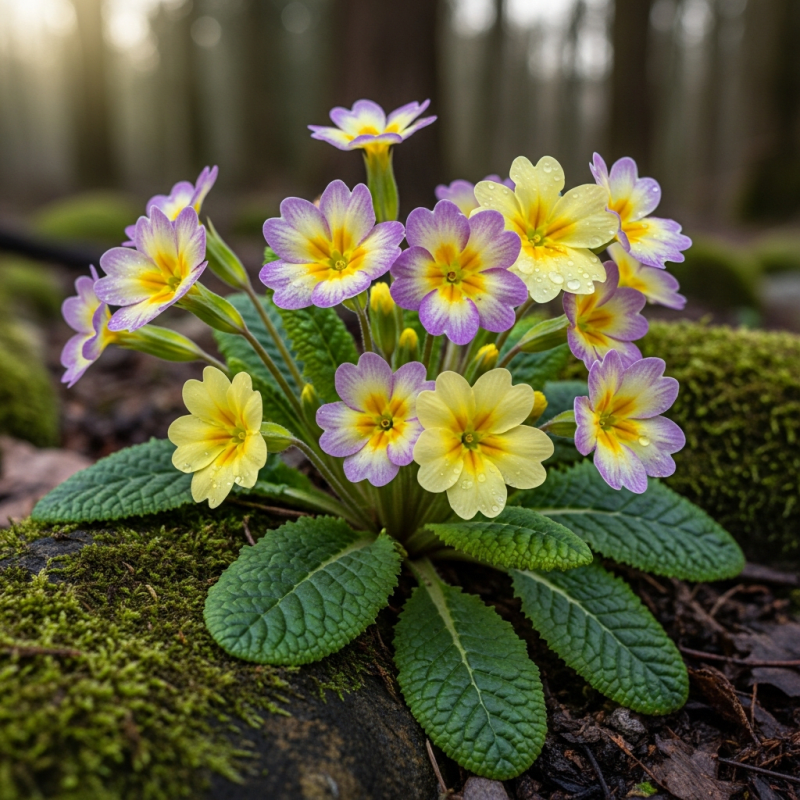
Soft cotton tee, unisex sizes
Buy ShirtPrimroses hold a special place in European folklore and horticultural history. In the UK, Primrose Day (April 19) commemorates both the flower and the memory of Prime Minister Benjamin Disraeli, whose grave is adorned annually with primroses. The flower symbolizes youth, renewal, and the arrival of spring, appearing in poetry, art, and celebrations. Its cheerful presence in gardens and wild spaces has made it a perennial favorite, evoking nostalgia and hope across generations.
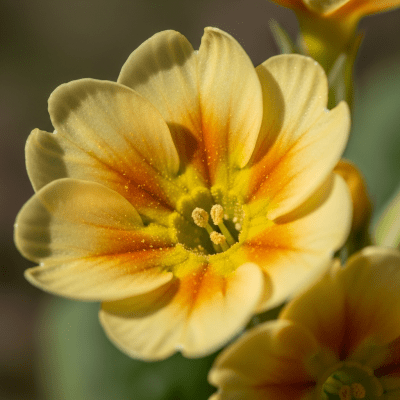
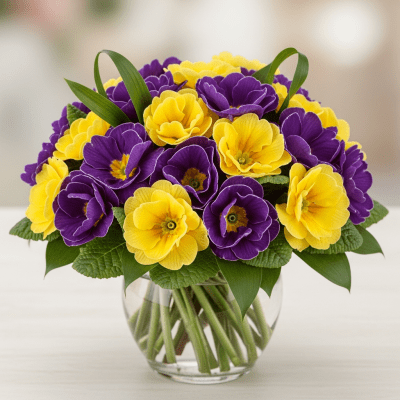
Primroses are best known for their wide spectrum of colors, including pale yellow, white, pink, red, purple, blue, and multicolored forms. While the classic wild primrose (P. vulgaris) is pale yellow and subtly fragrant, most cultivated varieties focus on vibrant hues rather than scent. The fragrance, when present, is gentle and sweet, adding a delicate charm to spring gardens.
To cultivate primroses successfully, plant them in moist, well-drained soil enriched with organic matter. They prefer partial shade but can adapt to full sun in cooler climates. Water regularly to maintain consistent moisture, especially during dry spells. Propagation is straightforward by seed or division of mature clumps. Watch for common pests such as aphids and slugs, and avoid waterlogged conditions to prevent crown rot. Hardy in USDA zones 3–8, primroses are resilient but benefit from mulching and gentle care.
The primrose is a symbol of youth, renewal, and the promise of spring. Its early bloom represents hope and new beginnings, making it a favorite in seasonal celebrations. In Victorian England, the primrose was associated with love and devotion, and its presence in art and literature often evokes innocence and the fleeting beauty of early life.
Primrose breeding has a rich history dating back centuries, especially in Europe and the UK. Horticulturists have developed countless cultivars and hybrids, focusing on expanding the color range, increasing flower size, and improving disease resistance. While specific breeder names and dates are often undocumented, the tradition of informal selection has produced primroses in nearly every shade imaginable, from pastel to vivid hues, and with both single and double flower forms.
Primroses typically bloom in early spring, often from March through May, depending on climate and species. Their flowers are among the first to appear after winter, making them a cherished harbinger of the new growing season.
Primroses are chiefly grown for ornamental purposes, brightening gardens, borders, and containers with their early color. Select species, such as Primula vulgaris and Primula veris, have edible flowers used in salads, syrups, and as candied decorations. Historically, some primroses were valued in herbal medicine as mild sedatives and expectorants, though such uses are now rare. Their symbolic role in spring celebrations and cultural events further enhances their appeal.