Poppy
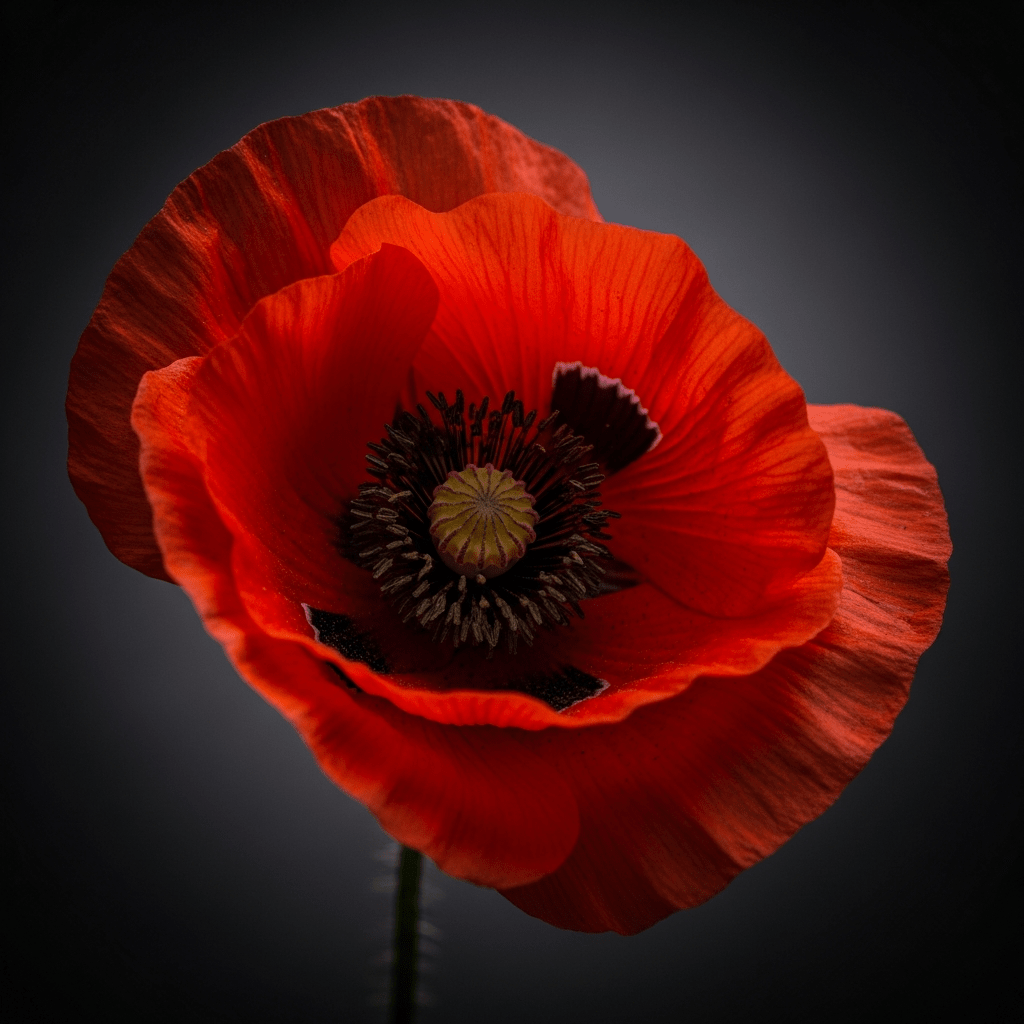
The poppy is a striking flowering plant of the genus Papaver, celebrated for its vivid blooms, distinctive seed capsules, and deep cultural symbolism.
The poppy is a striking flowering plant of the genus Papaver, celebrated for its vivid blooms, distinctive seed capsules, and deep cultural symbolism.
Poppies trace their roots to the Mediterranean, with evidence of cultivation stretching back to Neolithic times. Formally described by Carl Linnaeus in 1753, the genus Papaver includes species native to Europe, Asia, and North Africa. Over centuries, poppies have spread worldwide, both as wildflowers and cultivated ornamentals, with agricultural and horticultural institutions refining many of the varieties we know today.
Poppies belong to the genus Papaver within the broader taxonomy of flowering plants (angiosperms). The group encompasses annuals, biennials, and perennials, with species such as Papaver somniferum (opium poppy), Papaver rhoeas (corn poppy), and Papaver orientale (oriental poppy) among the most recognized. Classification relies on morphological traits like petal number, seed capsule structure, and growth habit.
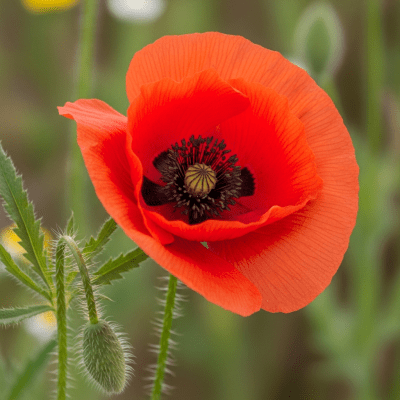
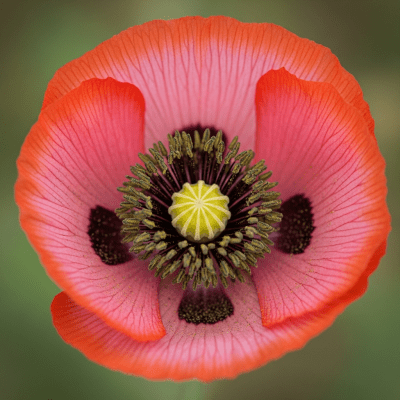
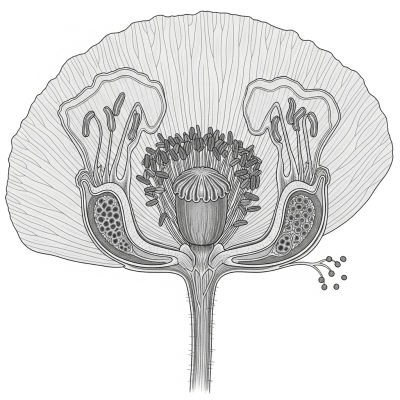
Poppies are herbaceous plants ranging from 30 to 120 cm tall. Their leaves are typically lobed or finely dissected, often displaying a bluish-green (glaucous) hue. Each flower is solitary, perched atop a slender stem, with 4–6 delicate, crinkled petals in shades of red, orange, pink, white, yellow, or purple. Many feature a dramatic dark blotch at the petal base. After blooming, poppies form distinctive capsules packed with tiny seeds.
Poppies thrive in well-drained soils and full sun, with some species showing moderate drought tolerance. They are grown ornamentally in gardens and as cut flowers, while Papaver somniferum is cultivated for its edible seeds and oil. The latex from this species is also the source of opium alkaloids, used medicinally under strict regulation. Many poppies self-seed prolifically, ensuring their continued presence in wild and cultivated landscapes.
Bring this kind into your world illustrated posters, mugs, and shirts.
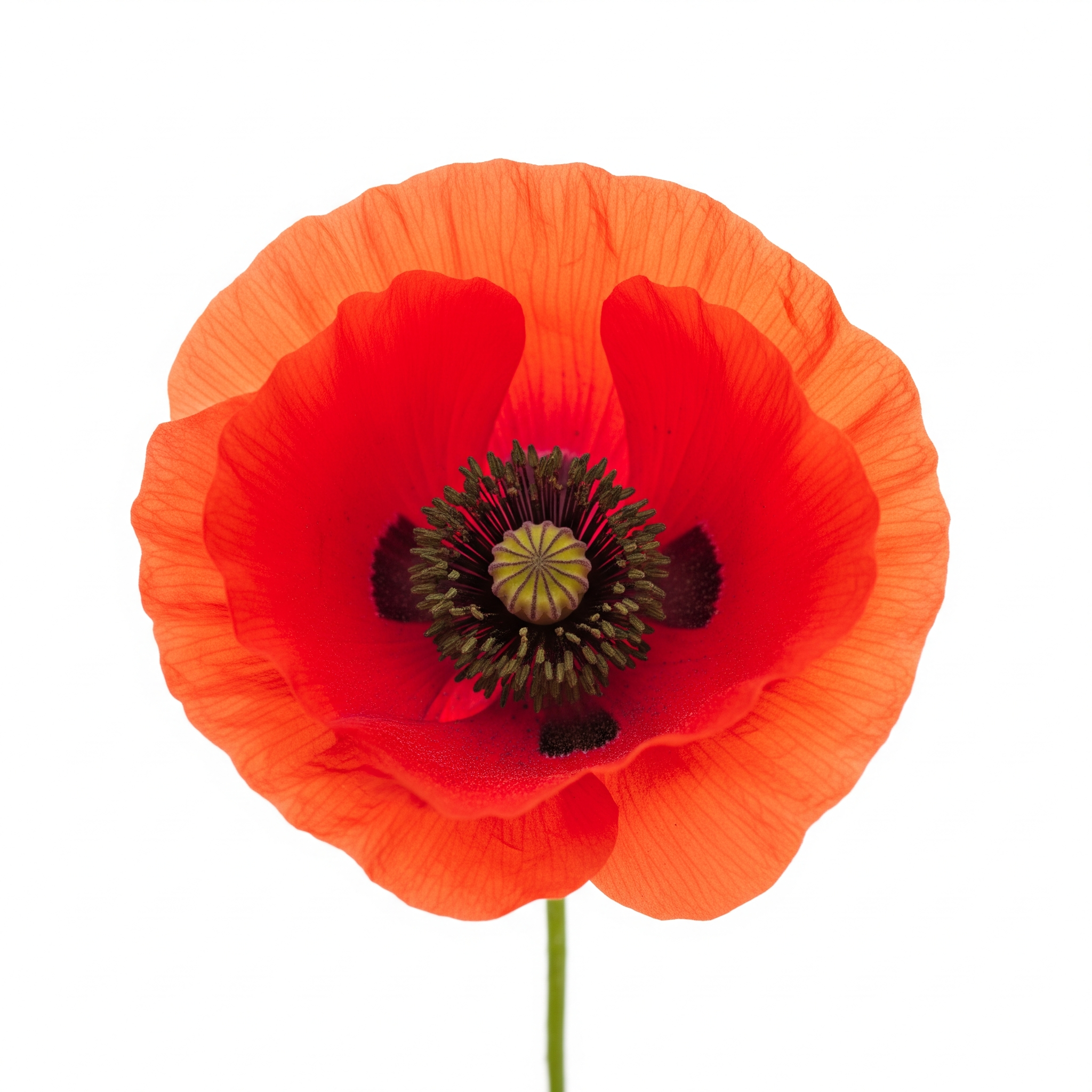
Archival print, museum-grade paper
Buy Poster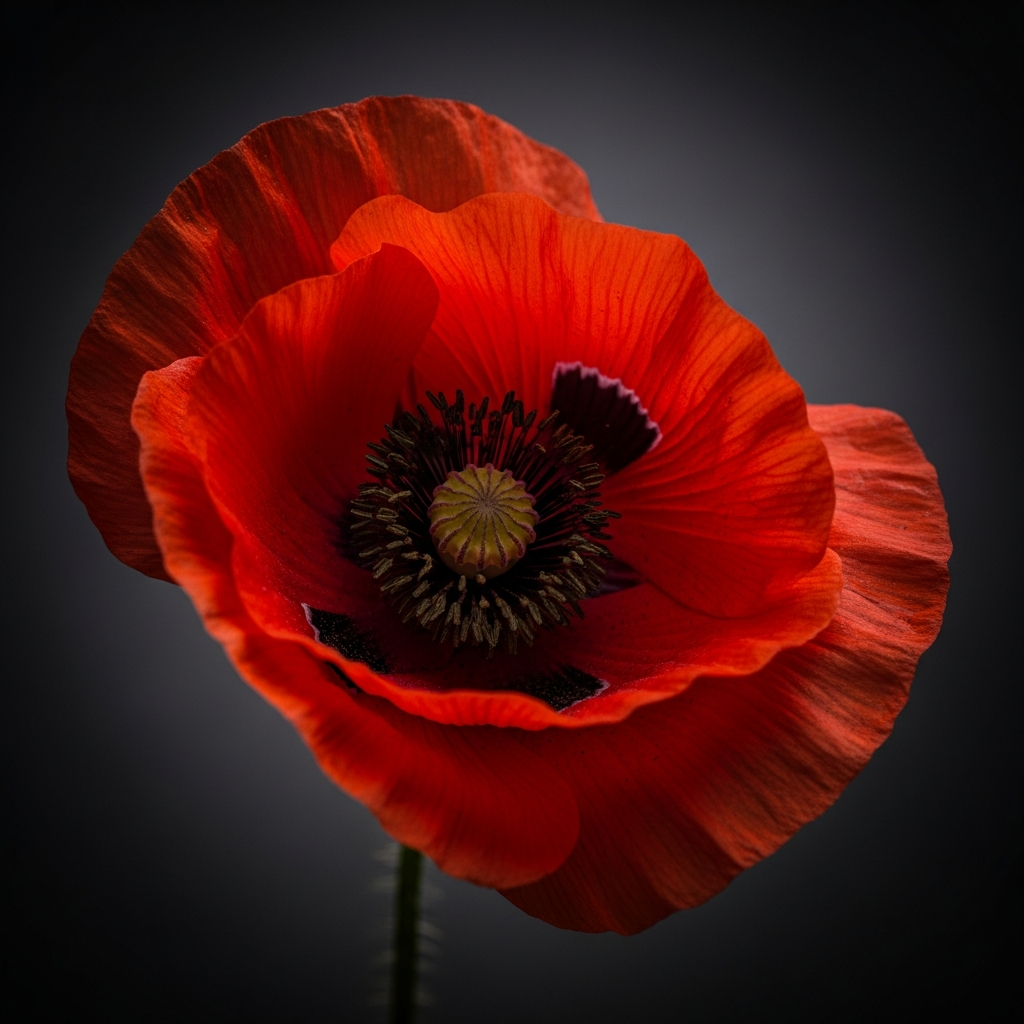
Stoneware mug, dishwasher safe
Buy Mug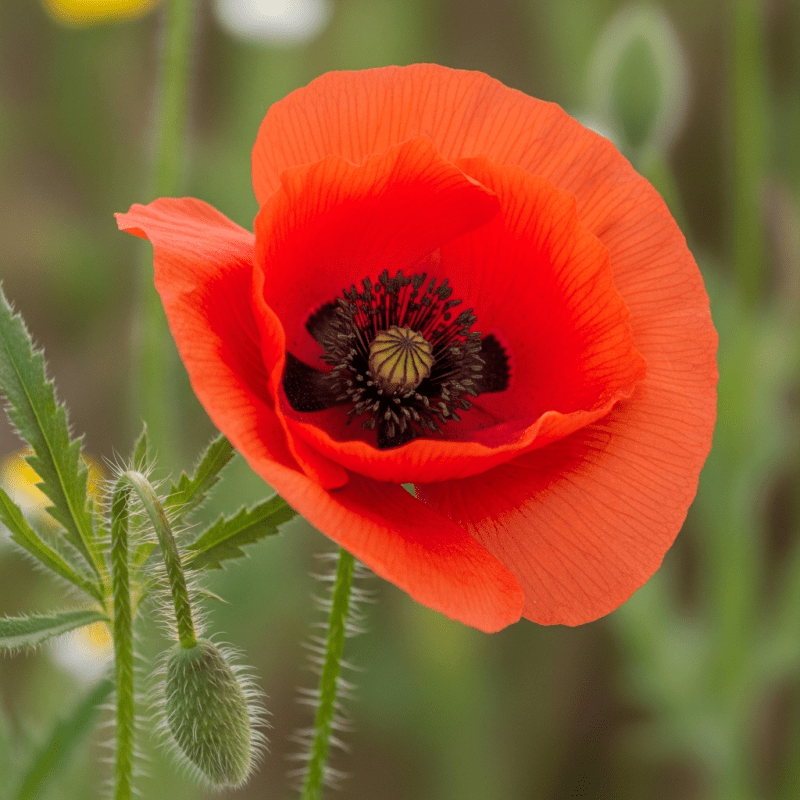
Soft cotton tee, unisex sizes
Buy ShirtPoppies hold a profound place in global culture. The red poppy, especially Papaver rhoeas, has become an emblem of remembrance for war dead, worn during commemorative events in the UK and Commonwealth nations. Poppies appear in art, literature, and folklore, symbolizing sleep, peace, and sacrifice. Their vivid imagery and historical associations continue to inspire artists and storytellers worldwide.
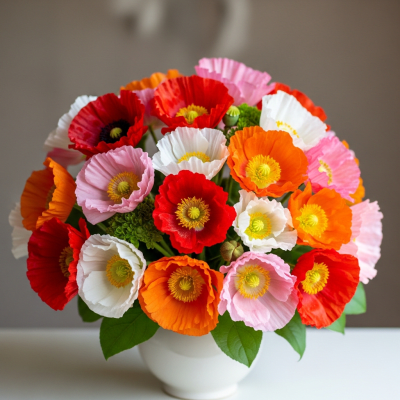
Poppies offer a dazzling palette, with blooms in red, orange, pink, white, yellow, and purple. While most poppy flowers are not notably fragrant, their visual impact is unmistakable, often highlighted by a contrasting dark blotch at the petal base.

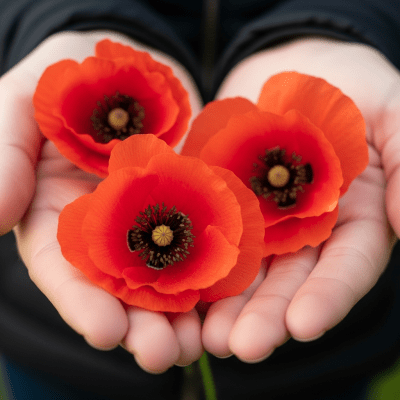
Poppies flourish in full sun and well-drained soil. Sow seeds directly where they are to grow, as most dislike transplanting. Water moderately; established plants tolerate brief dry spells. Deadhead spent blooms to encourage more flowers, and allow some seed capsules to mature for natural reseeding. Watch for pests like aphids and fungal diseases, and avoid overwatering to prevent root rot.
Poppies symbolize remembrance, peace, sleep, and consolation. The red poppy, in particular, stands as a poignant emblem for those lost in war. In various cultures, poppies also represent beauty, transience, and the promise of renewal.
Since Linnaeus's formal description in 1753, poppy breeding has produced a wealth of ornamental and agricultural cultivars. Institutions like the Royal Horticultural Society have contributed to the development of hybrids with enhanced color, size, and garden performance. While specific breeder details are often unavailable, selections such as the "Shirley poppy" highlight the diversity achieved through careful selection and hybridization.
Poppies typically bloom from late spring through midsummer, though exact timing varies by species and climate. Annual poppies often flower in early summer, while perennial types may extend their display into mid or late summer.
Poppies are valued as ornamental garden plants and cut flowers. Papaver somniferum provides edible seeds for baking and oil for culinary and industrial use. Its latex is the source of medicinal alkaloids, including morphine and codeine. Red poppies serve as powerful symbols of remembrance, while other species are used in traditional medicine and as natural dyes.