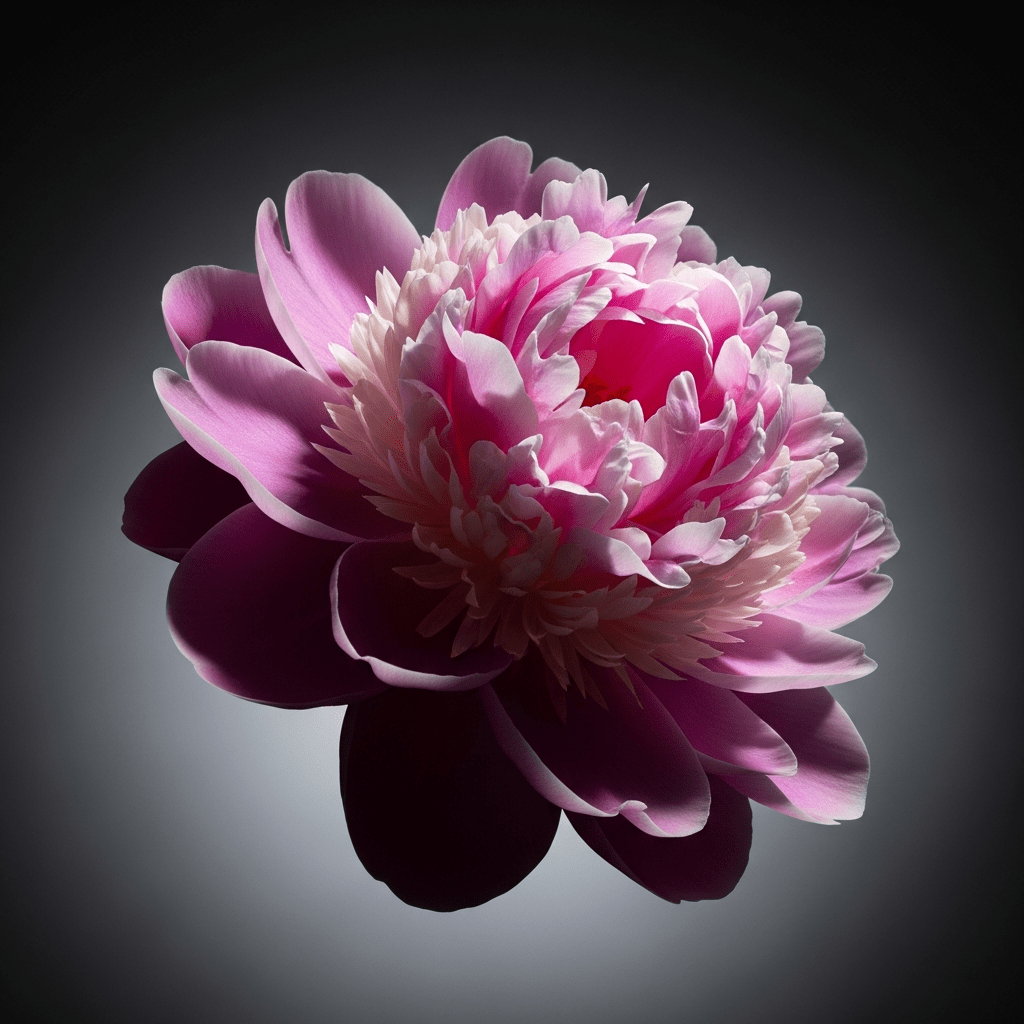
Peony
The peony is a celebrated perennial flowering plant, admired worldwide for its large, vibrant blooms and deep cultural symbolism.
The peony is a celebrated perennial flowering plant, admired worldwide for its large, vibrant blooms and deep cultural symbolism.
Peonies trace their origins to the temperate regions of Eurasia and western North America, with a cultivation history spanning over 2,000 years. First domesticated in ancient China for both ornamental and medicinal purposes, peonies have since spread across continents. Their journey includes significant breeding and appreciation in Japan, Europe, and North America, resulting in a rich tapestry of species and cultivars cherished in gardens and cultural traditions.
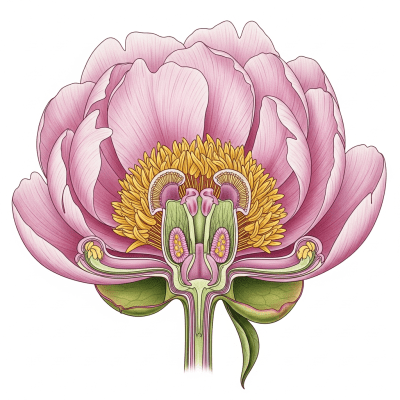
Belonging to the genus Paeonia within the angiosperms (flowering plants), peonies are distinguished by their unique floral structures. The genus encompasses approximately 30–35 species, divided into herbaceous, tree (woody), and intersectional (Itoh) hybrids. This diversity places peonies among the most versatile and recognizable members of the flower taxonomy.
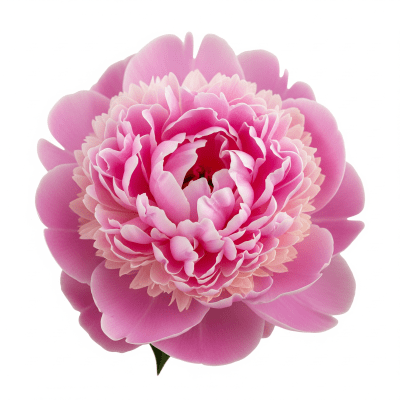
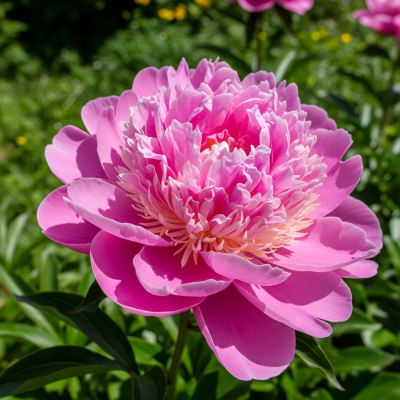
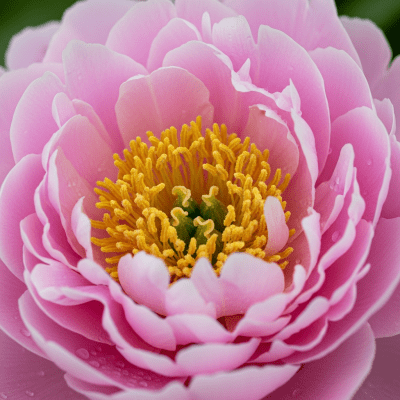
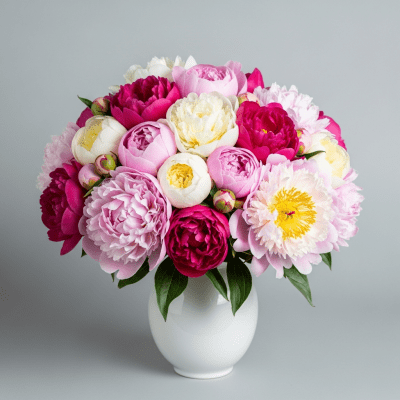
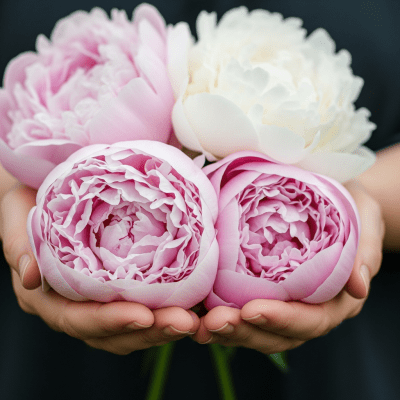
Peonies are renowned for their lush, showy blossoms, which can measure 10–25 cm across. Flowers may be single, semi-double, or double, with petals in shades of white, pink, red, magenta, yellow, coral, or purple. Herbaceous types grow to 60–100 cm tall, featuring compound, deeply lobed leaves, while tree peonies form woody shrubs up to 2 meters. Intersectional hybrids blend traits of both, offering sturdy stems and abundant blooms. The overall impression is one of opulence and elegance, making peonies a favorite in both gardens and floral arrangements.
Peonies function primarily as ornamental plants, gracing gardens, parks, and bouquets with their spectacular flowers. Their cut blooms are highly valued in the floral market, especially during spring and early summer. In China, peony roots and petals have been used in traditional medicine, though they are not common culinary ingredients due to potential toxicity. Peonies are long-lived perennials, often thriving for decades with minimal care, and their annual flowering is a much-anticipated event for gardeners and florists alike.
Bring this kind into your world illustrated posters, mugs, and shirts.
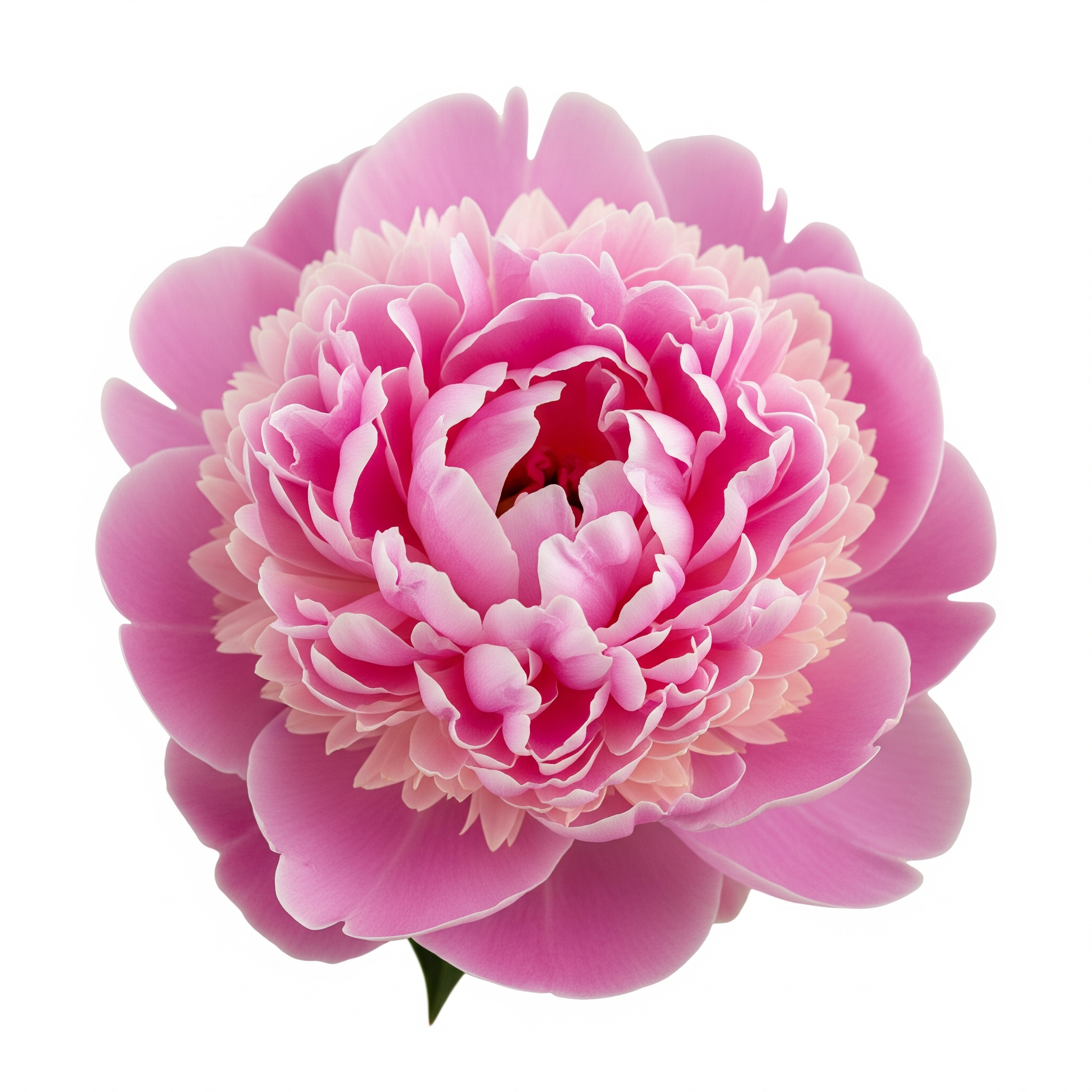
Archival print, museum-grade paper
Buy Poster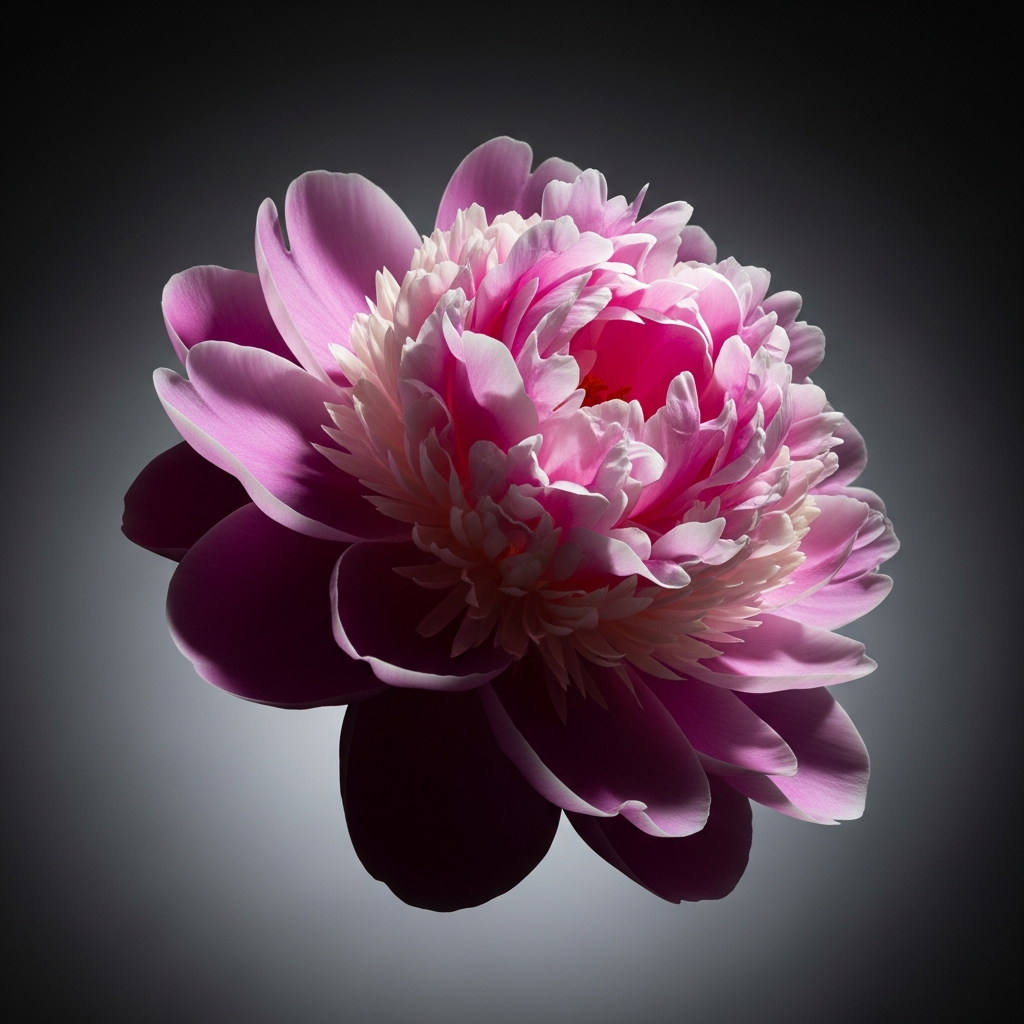
Stoneware mug, dishwasher safe
Buy Mug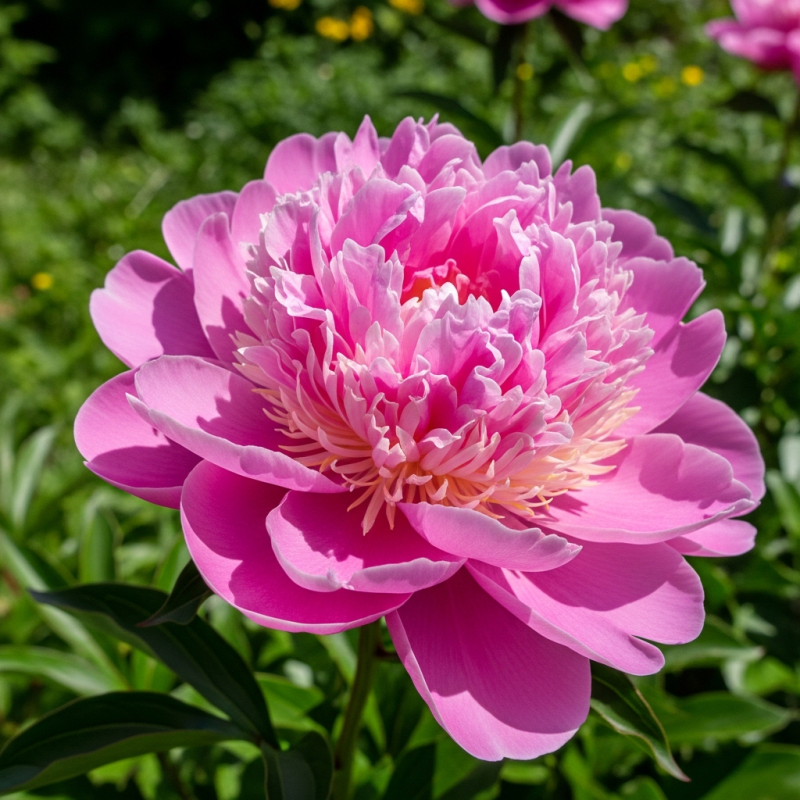
Soft cotton tee, unisex sizes
Buy ShirtPeonies hold profound cultural meaning, especially in China, where they symbolize wealth, honor, and feminine beauty, and are celebrated in art, literature, and festivals. The flower is a motif in classical paintings and poetry, and its image graces many traditional textiles. In the West, peonies are associated with romance, prosperity, and happy marriage, making them popular choices for weddings and special occasions. Their enduring appeal bridges continents and centuries, cementing their status as icons of beauty and abundance.
Peonies enchant with a palette of colors ranging from pure white and soft pink to vivid red, magenta, yellow, coral, and even purple. Their fragrance is often sweet and alluring, especially in herbaceous varieties, though some cultivars are more subtly scented or nearly scentless. The combination of lush petals and delicate aroma makes peonies irresistible in both gardens and bouquets.
Peonies thrive in well-drained, fertile soils and prefer full sun to partial shade. Planting is best done in autumn or spring, ensuring roots are settled before the blooming season. Once established, peonies require minimal maintenance: regular watering during dry spells, mulching to retain moisture, and removal of spent flowers to promote vigor. Division, seed, and grafting (for tree peonies) are common propagation methods. Peonies benefit from cold winters for dormancy and are generally resistant to deer and moderately drought tolerant.
Peonies symbolize wealth, honor, and feminine beauty in Chinese culture, often called the "king of flowers." In Western traditions, they represent romance, prosperity, and good fortune, making them a favorite for weddings and celebrations. Their lush blooms and enduring nature also evoke notions of abundance and longevity, reinforcing their status as emblems of joy and elegance.
Peony breeding has a storied history, with Chinese, Japanese, European, and North American horticulturists contributing to the development of hundreds of cultivars. Herbaceous, tree, and intersectional (Itoh) hybrids offer gardeners a wide array of forms and colors. Notable cultivars include 'Sarah Bernhardt' and 'Shimanishiki,' each with unique lineage and horticultural appeal. Modern breeding focuses on enhancing flower size, color diversity, fragrance, and disease resistance, ensuring peonies remain garden favorites worldwide.
Peonies typically bloom once per year, with flowering occurring from late spring to early summer. Cut flowers are most widely available during this period, making peonies a seasonal highlight in gardens and floral markets.
Peonies are primarily grown for their ornamental value, enhancing gardens, landscapes, and floral arrangements with their lush blooms. Their cut flowers are highly sought after in the commercial market, especially for weddings and special events. In China, peony roots and petals are used in traditional medicine, though culinary use is rare due to toxicity concerns. The flower's strong symbolic presence in art and culture further amplifies its importance beyond horticulture.