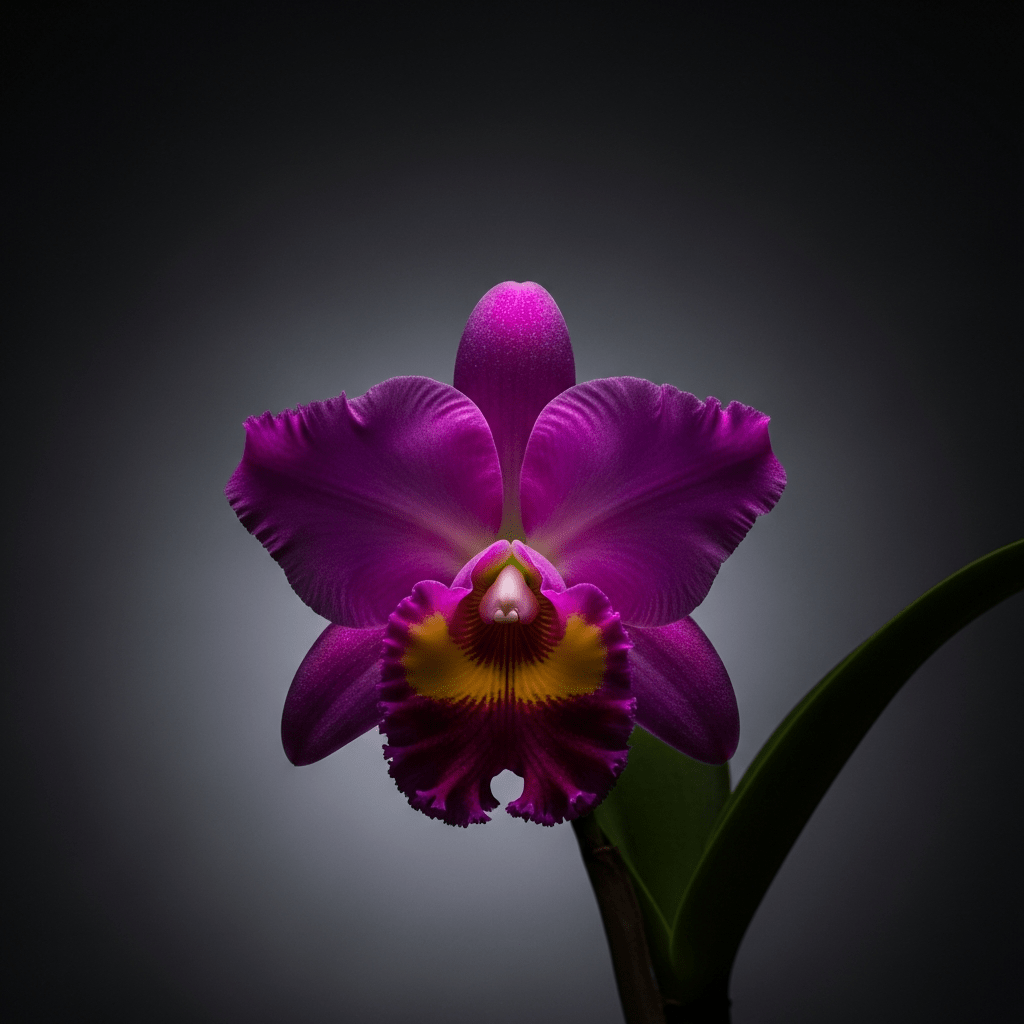
Orchid
An orchid is a member of the Orchidaceae family, celebrated for its extraordinary diversity, intricate flowers, and global presence as one of the most captivating and widely cultivated groups of flowering plants.
An orchid is a member of the Orchidaceae family, celebrated for its extraordinary diversity, intricate flowers, and global presence as one of the most captivating and widely cultivated groups of flowering plants.
Orchids trace their formal botanical origins to 1789, when Antoine Laurent de Jussieu described the Orchidaceae family. Their evolutionary journey spans millions of years, with wild species discovered across every continent except Antarctica. The family’s immense diversity is the result of natural adaptation and centuries of human fascination, leading to the creation of countless hybrids and cultivars. Notable breeders such as Joseph Paxton and institutions like the Royal Horticultural Society have played pivotal roles in shaping the modern orchid landscape, meticulously documenting pedigrees and hybridization in global registers.
Orchids belong to the Orchidaceae family, the largest and most diverse family within the flowering plants (angiosperms). This group is organized into thousands of species and hundreds of genera, including well-known examples like Phalaenopsis, Cattleya, Dendrobium, Vanda, and Paphiopedilum. Scientific classification follows a hierarchy from kingdom Plantae down to genus and species, with binomial nomenclature guiding naming conventions and the Royal Horticultural Society maintaining the International Orchid Register for hybrids and cultivars.
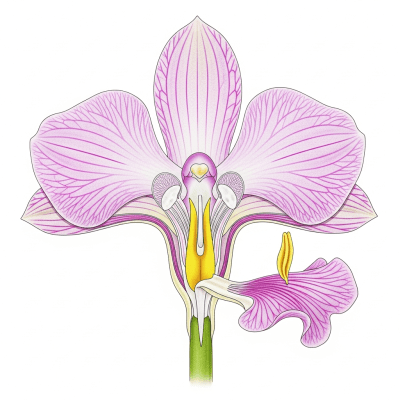
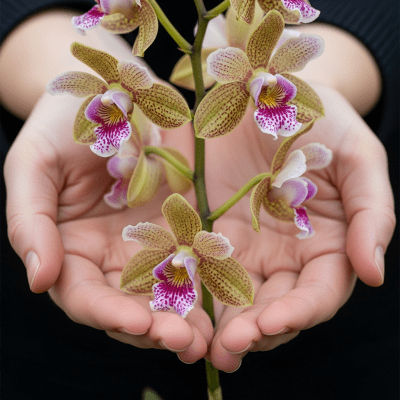
Orchids are renowned for their striking and varied forms. Most are perennial herbs, growing terrestrially, epiphytically (on trees), or lithophytically (on rocks). Plant size ranges from tiny miniatures just a few centimeters tall to giants exceeding two meters. Leaves are typically simple, alternate, and can be leathery or fleshy. Orchid flowers are instantly recognizable by their bilateral symmetry, three sepals, three petals, and a distinct labellum (lip) that often serves as a landing platform for pollinators. The blooms can be minuscule or impressively large, and their colors span nearly every shade imaginable, often adorned with intricate patterns and markings.
Orchids interact with their environment through specialized adaptations: epiphytic roots absorb moisture from the air, while terrestrial species thrive in well-drained soils. Their flowers attract a wide array of pollinators, including bees, butterflies, moths, and even birds, often through elaborate visual cues or fragrances. For humans, orchids are prized as ornamental plants, both as elegant potted specimens and long-lasting cut flowers. Some species, such as Vanilla planifolia, are cultivated for culinary use, while others feature in traditional medicines or as ingredients in regional beverages.
Bring this kind into your world illustrated posters, mugs, and shirts.
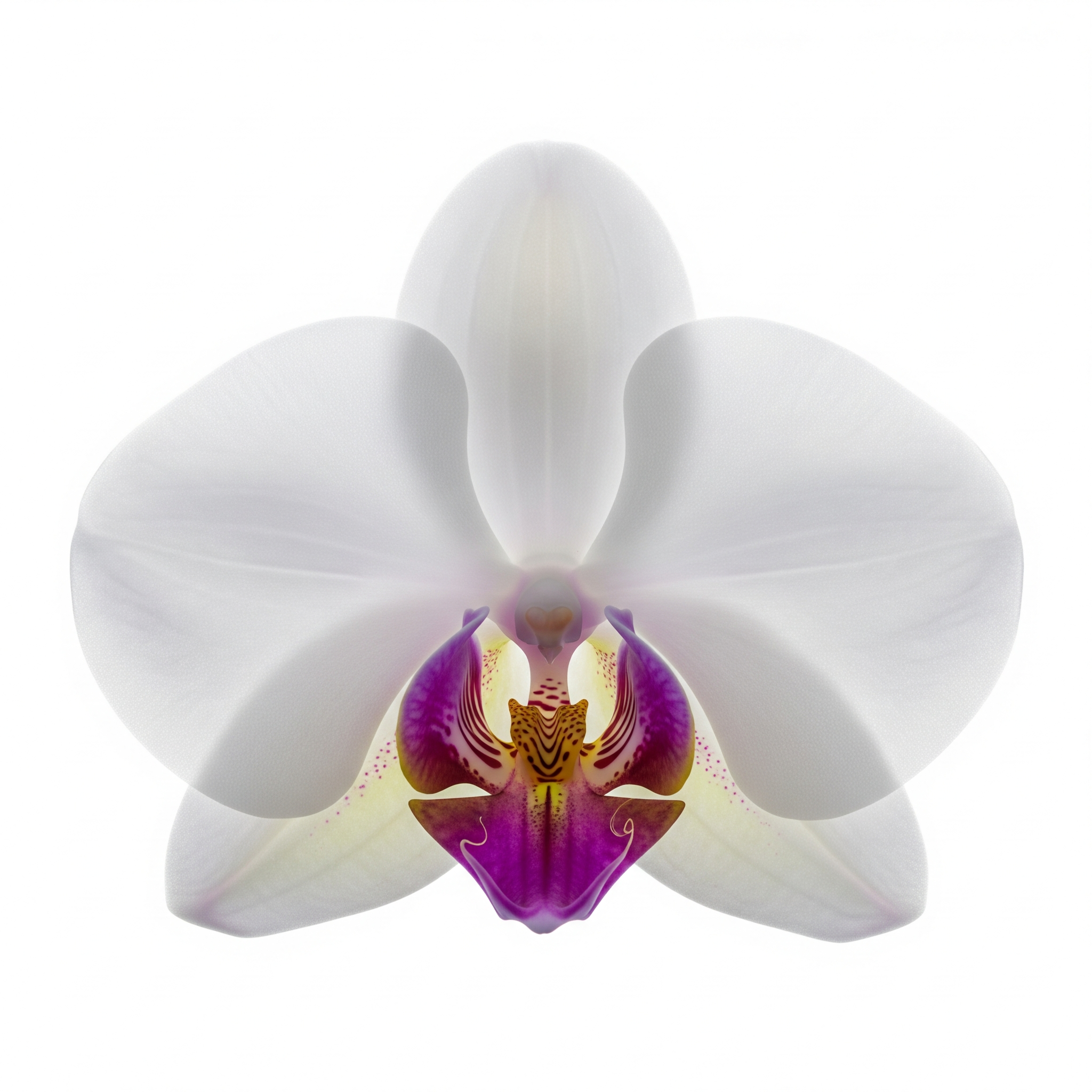
Archival print, museum-grade paper
Buy Poster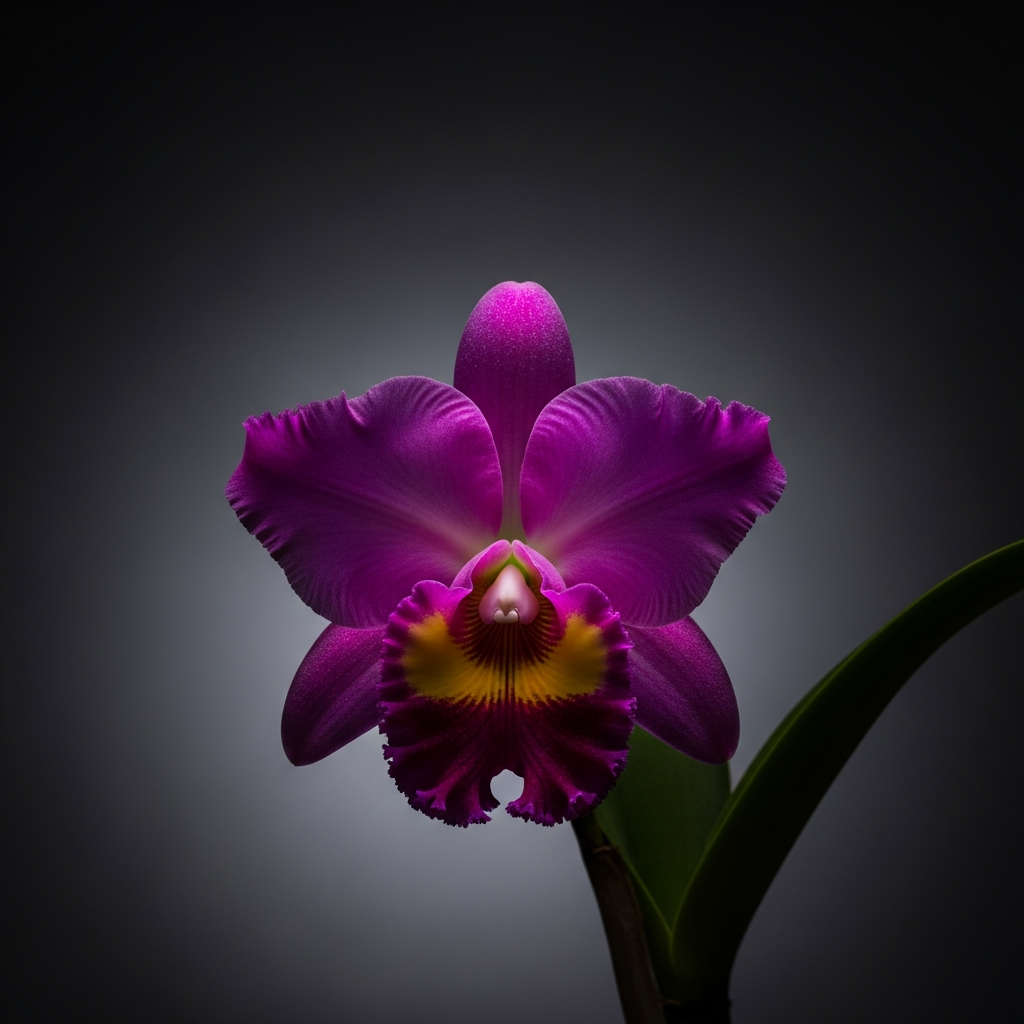
Stoneware mug, dishwasher safe
Buy Mug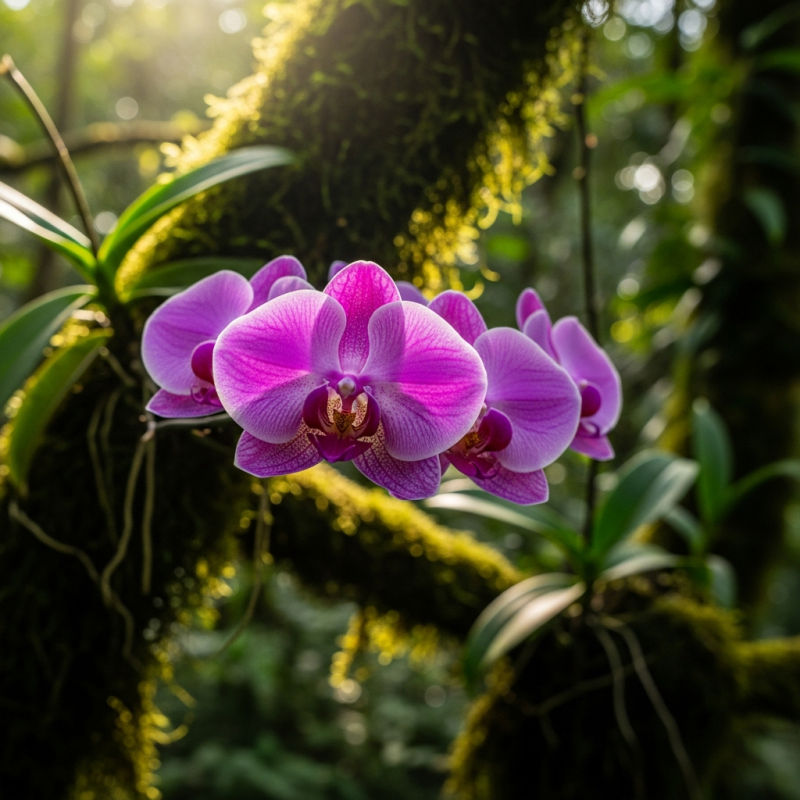
Soft cotton tee, unisex sizes
Buy ShirtAcross cultures and centuries, orchids have symbolized beauty, luxury, refinement, and love. Their exotic allure has inspired artists, poets, and collectors, appearing in paintings, literature, and decorative arts from Asia to Europe. In Victorian England, "orchid mania" fueled a fervor for collecting and breeding rare specimens. In East Asia, orchids are revered in art and philosophy, often representing elegance and moral integrity. The flower’s enduring popularity continues in modern floral design, weddings, and as a motif in fashion and jewelry.
Orchid flowers display a breathtaking palette, including white, pink, purple, yellow, red, green, blue, brown, and multi-colored combinations. Fragrance varies widely: some species emit sweet, spicy, or floral scents, while others are scentless or even malodorous. The presence and character of fragrance often serve to attract specific pollinators, adding another layer of sensory intrigue to their visual beauty.
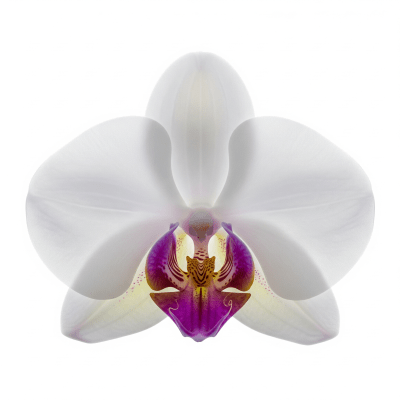
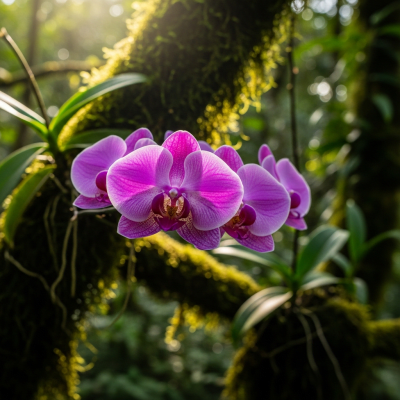
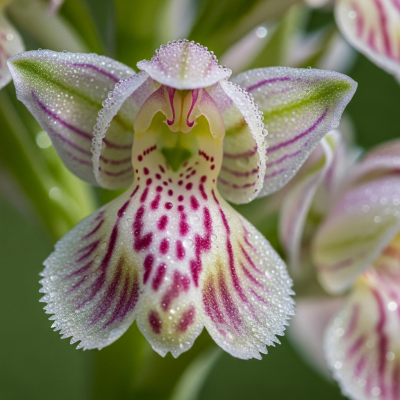
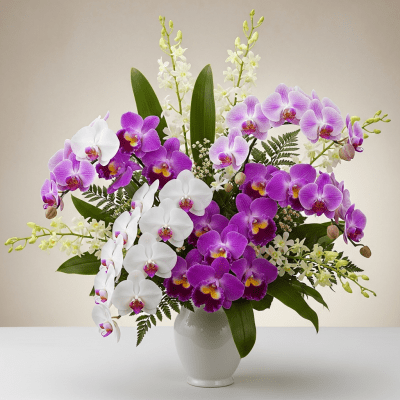
Successful orchid cultivation depends on matching species to their preferred environment. Epiphytic orchids thrive in airy, well-draining media such as bark or sphagnum moss and prefer indirect light with high humidity. Terrestrial orchids favor loose, well-drained soil and may tolerate more sunlight. Watering should be moderate, avoiding soggy conditions that promote root rot. Propagation is typically achieved through seed, division, or tissue culture. Cut flowers and potted plants benefit from cool, humid storage. Regular monitoring for pests and diseases, along with proper fertilization, helps ensure healthy, long-lived plants.
Orchids are rich in symbolism, representing beauty, luxury, love, refinement, and rare elegance. In many cultures, they are associated with fertility, strength, and moral integrity. Their exotic appearance and long-lasting blooms make them a favored gift for expressing admiration, affection, or celebration of special occasions.
Orchids have a storied history of hybridization, with over 100,000 registered hybrids and cultivars. Breeders such as Joseph Paxton pioneered the creation of Cattleya hybrids in the 19th century, while the Royal Horticultural Society maintains the International Orchid Register, documenting complex pedigrees across genera. Hybridization has produced orchids with enhanced colors, shapes, and resilience, fueling both scientific interest and horticultural innovation.
Orchid blooming periods vary widely by species and cultivar. Many popular types, such as Phalaenopsis, can flower multiple times a year under optimal conditions, while others have distinct annual bloom cycles. In commercial markets, orchids are available year-round due to global cultivation and greenhouse production.
Orchids are primarily valued for their ornamental beauty, gracing homes, gardens, and floral arrangements worldwide. The vanilla orchid is cultivated for its seed pods, which yield natural vanilla flavoring. Select species are used in traditional medicine and as ingredients in regional foods and beverages, such as salep in Turkey and the Middle East. Their cultural significance extends to symbolism in art, rituals, and celebrations, making orchids one of the most versatile and cherished flowers.