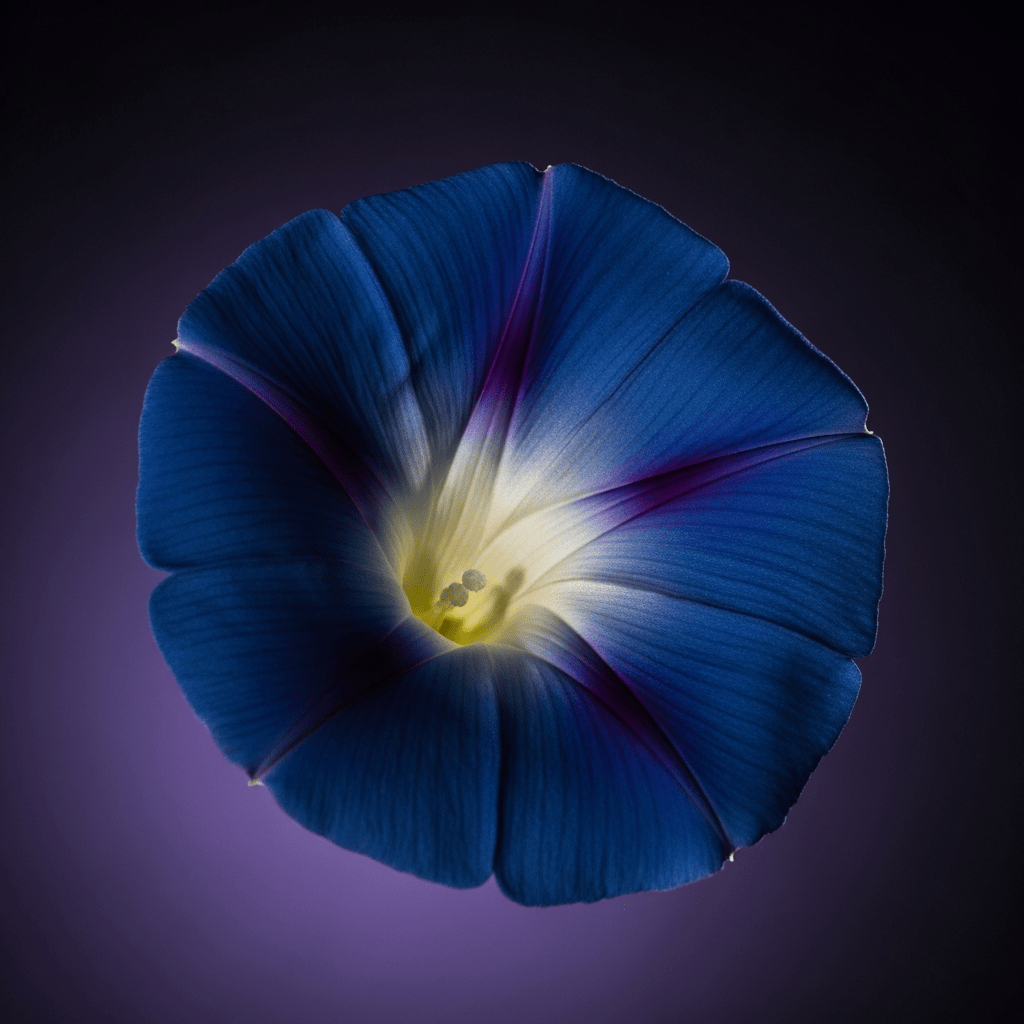
Morning Glory
Morning Glory is a fast-growing, twining flowering plant celebrated for its vibrant, trumpet-shaped blooms that unfurl at dawn and close by midday.
Morning Glory is a fast-growing, twining flowering plant celebrated for its vibrant, trumpet-shaped blooms that unfurl at dawn and close by midday.
Morning Glory encompasses several species, most notably Ipomoea purpurea and Ipomoea tricolor, which trace their roots to tropical and subtropical regions of the Americas. These flowers have been cultivated since antiquity, with no single breeder or institution credited for their discovery. Over centuries, they have naturalized across the globe, adapting to diverse climates and becoming a staple in ornamental gardening.
Morning Glory belongs to the family Convolvulaceae, with the genus Ipomoea comprising the most widely recognized species. This group is part of the broader angiosperm taxonomy, characterized by flowering plants with enclosed seeds. Scientific synonyms include Pharbitis purpurea and Convolvulus tricolor, reflecting historical shifts in classification. Regional common names and cultivars further enrich its taxonomic diversity.
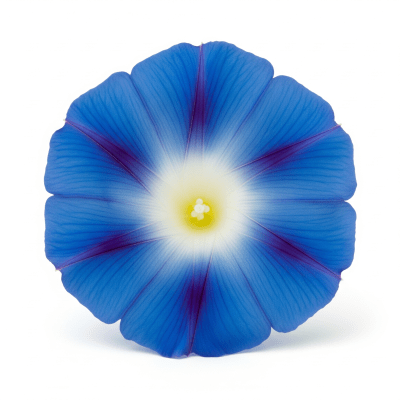
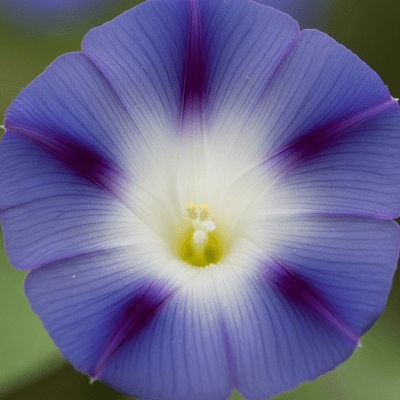
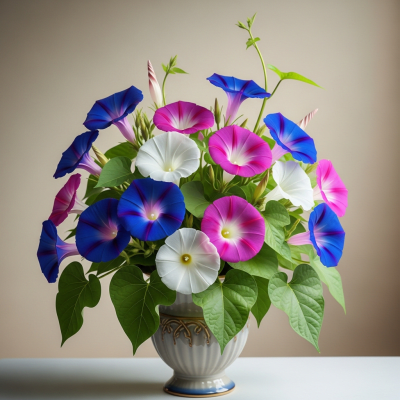
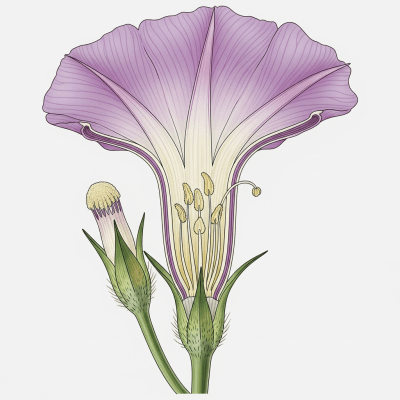
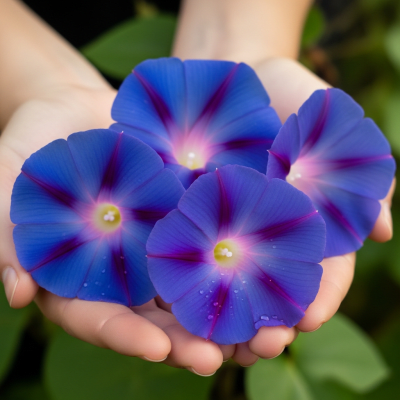
Morning Glories are herbaceous climbers with slender, twining stems that can reach up to 4 meters in length. Their leaves are bright green, heart-shaped or lobed, and alternate along the stem. The flowers are funnel- or trumpet-shaped, measuring 5–10 cm across, and bloom in vivid shades of blue, purple, pink, white, and magenta, often with a contrasting throat. Each blossom opens in the early morning, displaying a delicate, ephemeral beauty before closing by midday.
Morning Glories are prized for their rapid growth and ability to cover fences, trellises, and arbors with lush foliage and colorful blooms. They thrive in full sun and well-drained soils, tolerating drought once established. While primarily ornamental, certain species' seeds have been used in traditional rituals for their psychoactive properties. However, the seeds are toxic if ingested and not suitable for culinary use.
Bring this kind into your world illustrated posters, mugs, and shirts.
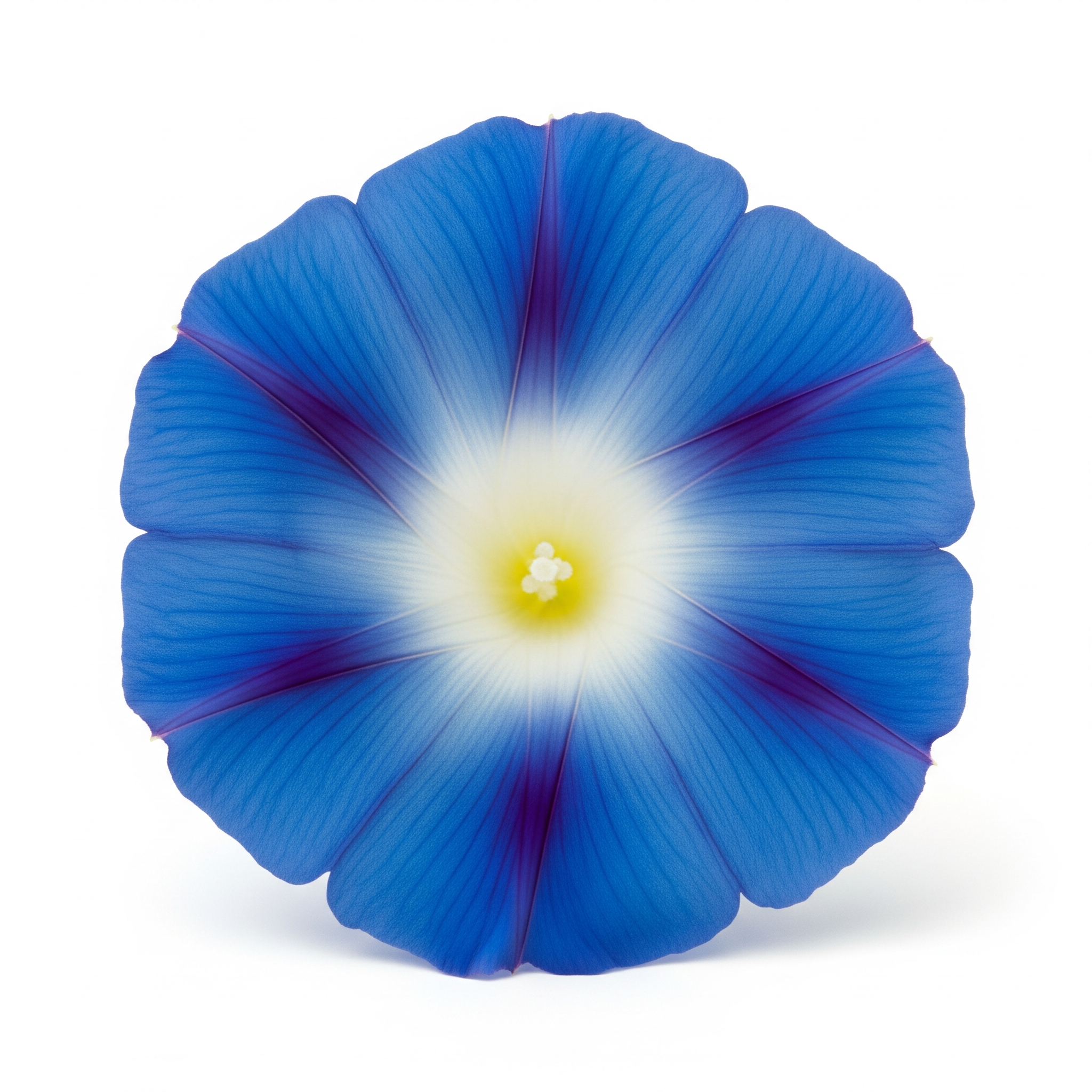
Archival print, museum-grade paper
Buy Poster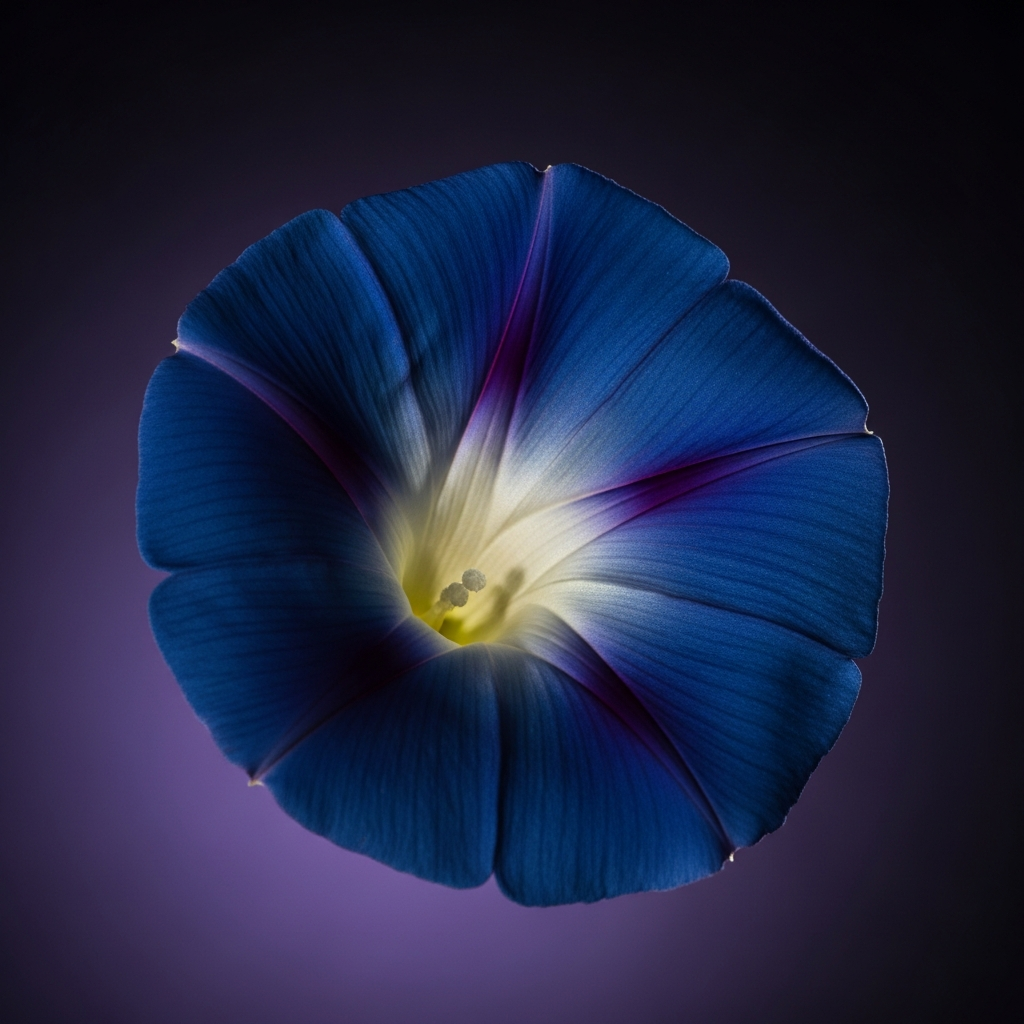
Stoneware mug, dishwasher safe
Buy Mug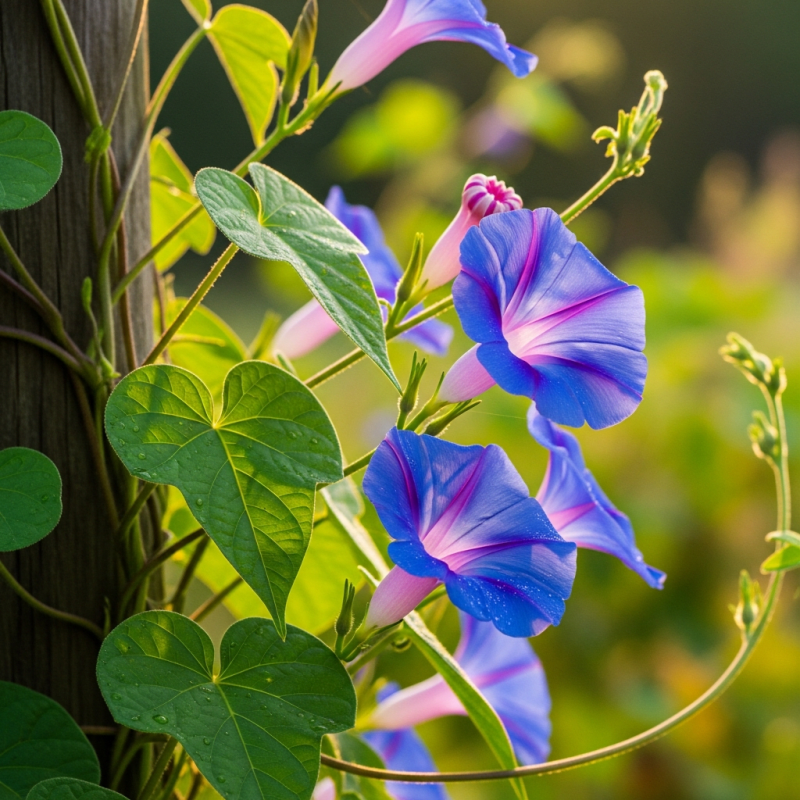
Soft cotton tee, unisex sizes
Buy ShirtMorning Glory holds a special place in various cultures. In Japan, known as "asagao" (朝顔), it is a symbol of summer and features prominently in seasonal festivals and art. Indigenous peoples of Central America have used its seeds in spiritual rituals. In modern horticulture, the flower is a popular choice for garden design, admired for its fleeting beauty and vibrant colors. In some regions, its vigorous growth has led to its classification as an invasive species, underscoring its dual role as both cherished ornamental and resilient weed.
Morning Glory flowers are generally unscented or have a faint, delicate fragrance. Their color palette is striking, featuring shades of blue, purple, pink, magenta, and white, often with a contrasting or luminous throat that accentuates their trumpet-like form.
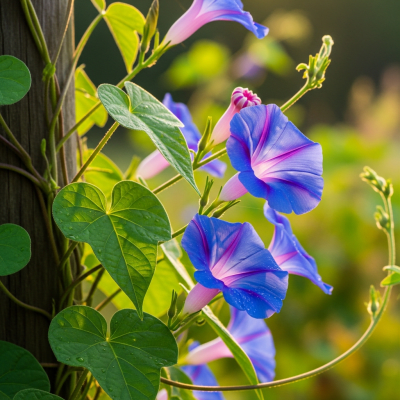
Morning Glories thrive in full sun and well-drained soils. Sow seeds directly outdoors after the last frost, or start indoors for an early display. Scarifying seeds before planting can improve germination. Water regularly until established; mature plants are drought-tolerant. Provide support such as trellises or fences for climbing. Watch for pests like aphids and caterpillars, and avoid overwatering to prevent fungal diseases. Deadheading spent blooms can encourage continued flowering and limit self-seeding.
Morning Glory symbolizes the fleeting nature of beauty and love, as its blossoms last only a single day. In Japanese culture, it represents summer, renewal, and ephemeral joy. The flower is also associated with affection, mortality, and the promise of new beginnings, making it a poignant motif in art and poetry.
Morning Glory breeding has focused on expanding flower color, form, and blooming period. Horticulturalists have developed numerous cultivars, such as 'Heavenly Blue' and Japanese varieties with ruffled or variegated petals. Hybridization between species has produced plants with enhanced vigor and ornamental traits, though detailed pedigree records are rare due to the flower's long history of cultivation.
Morning Glory typically blooms from late spring through early autumn, with peak flowering in the summer months. The blossoms open at sunrise and last until midday, providing a daily spectacle throughout the growing season.
Morning Glories are primarily cultivated as ornamental plants, valued for their rapid growth and colorful blooms that enhance fences, trellises, and garden walls. While not used in cuisine due to seed toxicity, certain species have historical significance in traditional rituals for their psychoactive seeds. Their ease of cultivation and dramatic flowering make them a favorite in home gardens and public landscapes worldwide.