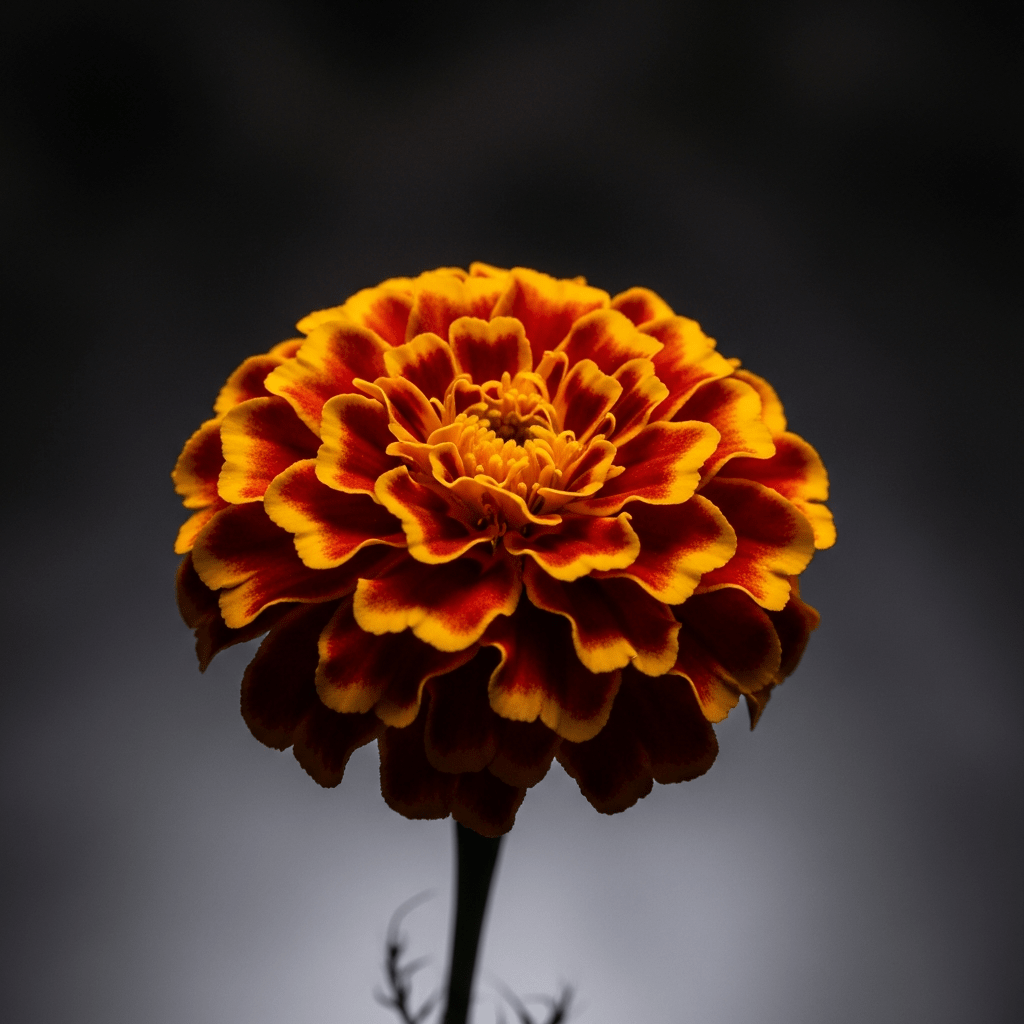
Marigold
Marigold refers to several vibrant annual species in the genus Tagetes, cherished worldwide for their bold blooms, easy cultivation, and rich cultural symbolism.
Marigold refers to several vibrant annual species in the genus Tagetes, cherished worldwide for their bold blooms, easy cultivation, and rich cultural symbolism.
Marigolds trace their roots to the Americas, with native habitats centered in Mexico and Central America. Wild Tagetes species have been cultivated for centuries, both for their ornamental beauty and practical uses. Over time, marigolds spread globally through horticultural trade, with significant breeding and hybridization occurring in the United States, France, and India. Today’s popular varieties, such as African, French, and signet marigolds, reflect a legacy of cross-cultural appreciation and adaptation.
Marigolds belong to the genus Tagetes within the family Asteraceae, a large family known for composite flower heads. The genus comprises around 50 species, with key representatives including Tagetes erecta (African/Aztec marigold), Tagetes patula (French marigold), Tagetes tenuifolia (signet marigold), and Tagetes minuta (Huacatay). Despite the common name, marigolds in Tagetes are taxonomically distinct from the unrelated "pot marigold" (Calendula officinalis).
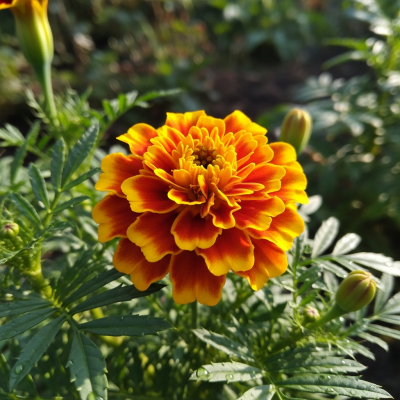
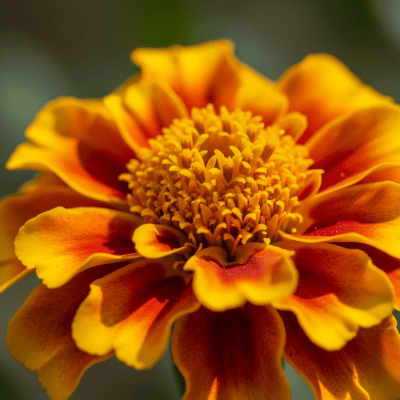
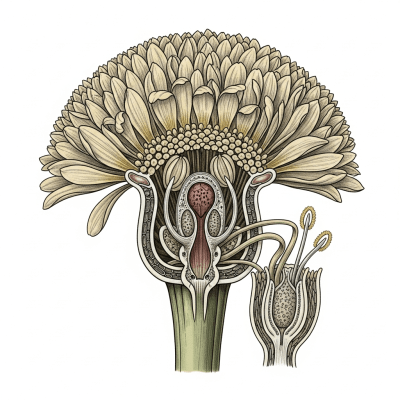
Marigolds are annual herbaceous plants with upright, branched stems and lush, dark green, aromatic foliage. Their leaves are pinnately divided, lending a delicate texture. The flowers form composite heads, featuring both ray and disc florets, and range from 2 to 12 cm across. Marigold blooms dazzle in shades of yellow, orange, gold, and red, with some cultivars displaying bicolored or striped petals. The overall effect is a vibrant, cheerful display that enlivens gardens and landscapes.
Marigolds thrive in full sun and well-drained soils, making them a favorite for garden beds, borders, and containers. Their robust growth and abundant flowering suit both novice and experienced gardeners. Marigolds are valued for their natural pest-repellent properties, especially against nematodes, making them popular in companion planting. Beyond ornamentation, certain species offer edible petals, culinary herbs, and natural dyes, while also playing key roles in religious and cultural ceremonies.
Bring this kind into your world illustrated posters, mugs, and shirts.
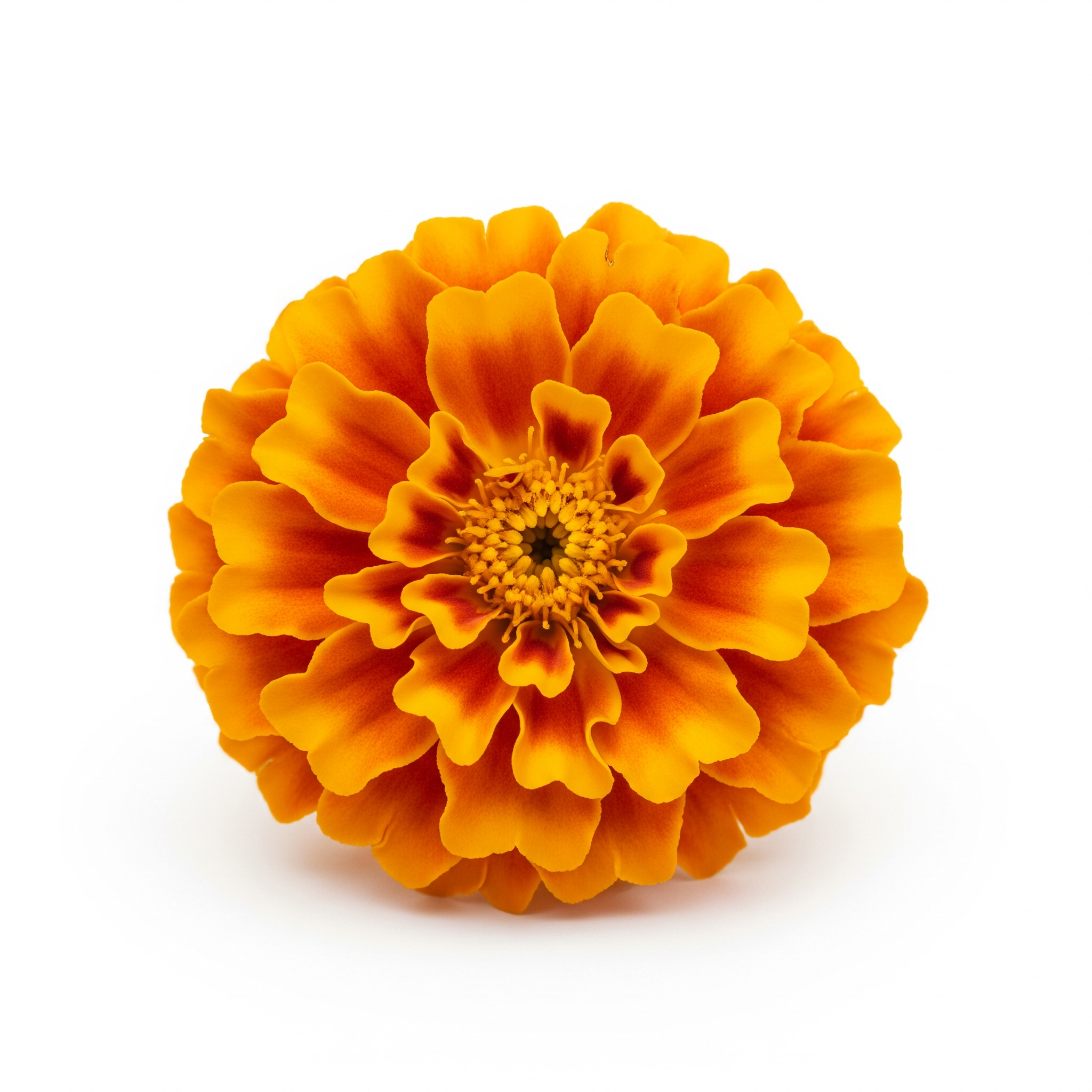
Archival print, museum-grade paper
Buy Poster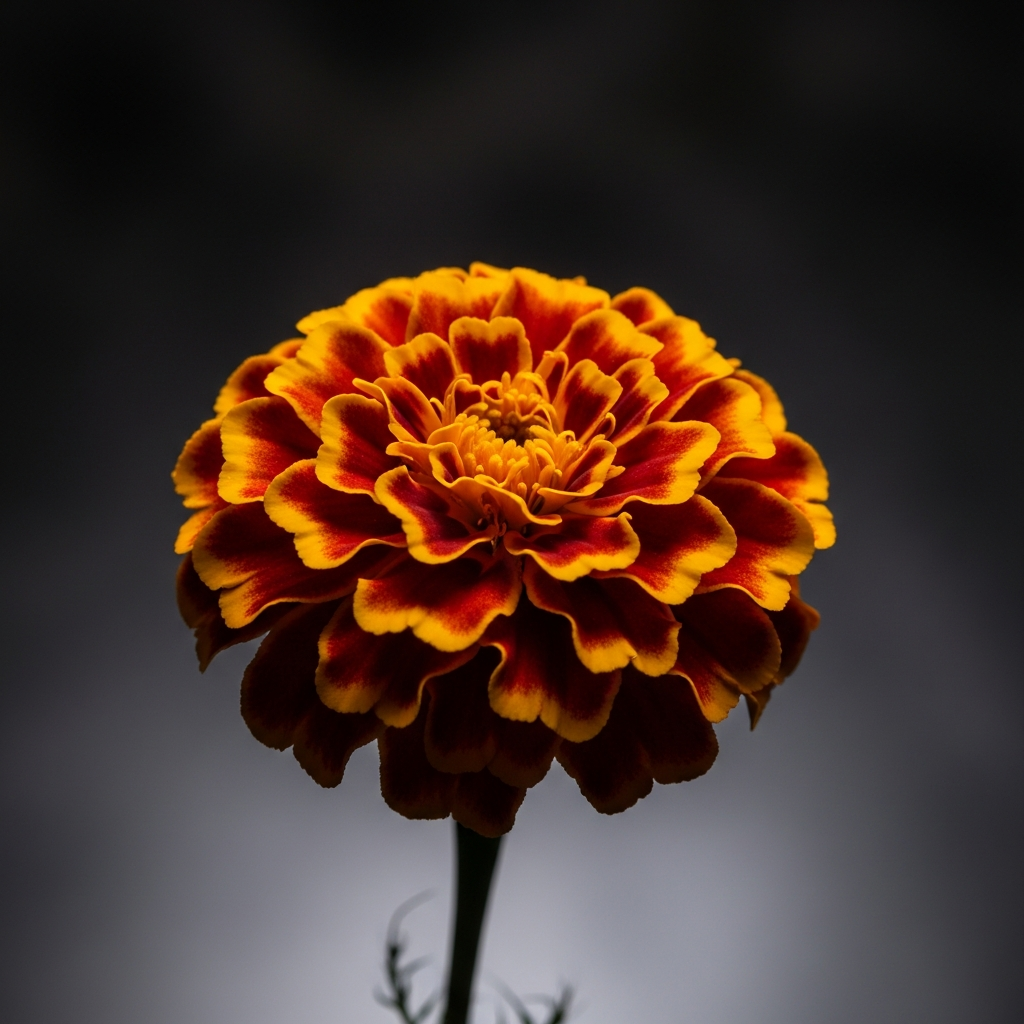
Stoneware mug, dishwasher safe
Buy Mug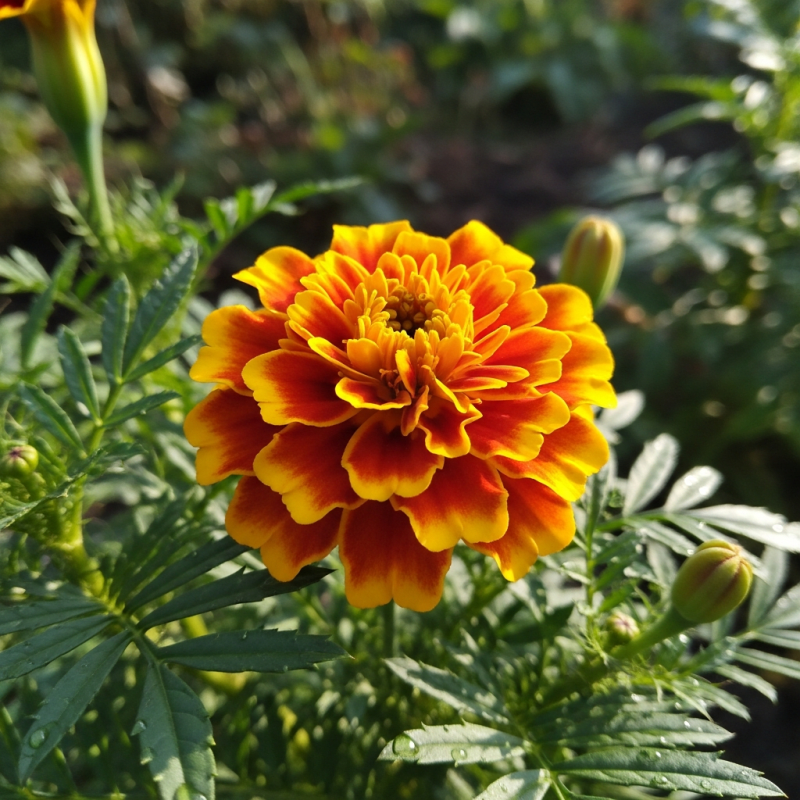
Soft cotton tee, unisex sizes
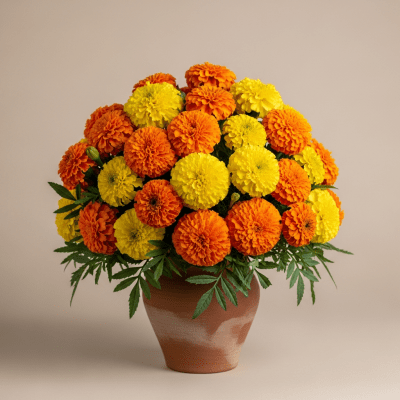
Buy ShirtMarigolds hold deep cultural resonance in regions such as Mexico and India. In Mexico, Tagetes erecta (Cempasúchil) is integral to Día de los Muertos celebrations, symbolizing remembrance and guiding spirits with its vibrant color and scent. In India, marigolds (Genda) are woven into garlands for weddings, festivals like Diwali, and temple offerings, representing auspiciousness and devotion. Their presence in art, ritual, and folklore underscores their enduring symbolic power across continents.
Marigolds are distinguished by their strong, pungent scent, produced by terpenoid compounds in their foliage and flowers. This fragrance is both a signature trait and a natural deterrent to pests. The color palette spans vivid yellows, oranges, golds, reds, and occasionally bicolored or striped petals, creating a striking visual impact in any setting.


Marigolds are among the easiest annuals to grow. Sow seeds directly in well-drained soil after the last frost, or start indoors for earlier blooms. They flourish in full sun and tolerate a range of soil types, though overly wet conditions can cause root rot. Water regularly but avoid waterlogging. Deadheading spent flowers encourages continuous blooming. Marigolds are drought-resistant once established and require minimal maintenance, making them ideal for both novice and seasoned gardeners.
Marigolds symbolize warmth, positivity, and remembrance. In Mexican tradition, they represent the sun and honor the departed during Día de los Muertos. In India, marigolds are associated with auspiciousness, purity, and celebration, commonly used in religious offerings and festive décor. Their vibrant hues and enduring blooms convey joy, renewal, and spiritual connection across cultures.
Marigold breeding has produced a wealth of cultivars with diverse flower forms, colors, and growth habits. Hybridization began centuries ago in Mexico and Central America, expanding globally with modern horticulture. Notable cultivars include ‘Crackerjack’ (Tagetes erecta), introduced by American breeders in the early 20th century. Breeding efforts focus on enhancing bloom size, disease resistance, and ornamental appeal, with ongoing innovation in the United States, France, and India.
Marigolds are typically available and in bloom from late spring through autumn. Sowing seeds in spring ensures vibrant flowering throughout the warmer months, with peak displays in summer and early fall.
Marigolds are prized as ornamental bedding plants in gardens, parks, and containers. Their blooms are central to religious and cultural ceremonies in Mexico and India. Edible petals from select species add color to salads and dishes, while Tagetes minuta serves as a culinary herb in South American cuisine. Marigold extracts provide natural dyes and lutein for food coloring and poultry feed. Traditional medicinal uses include anti-inflammatory and antimicrobial applications, though scientific evidence is limited.