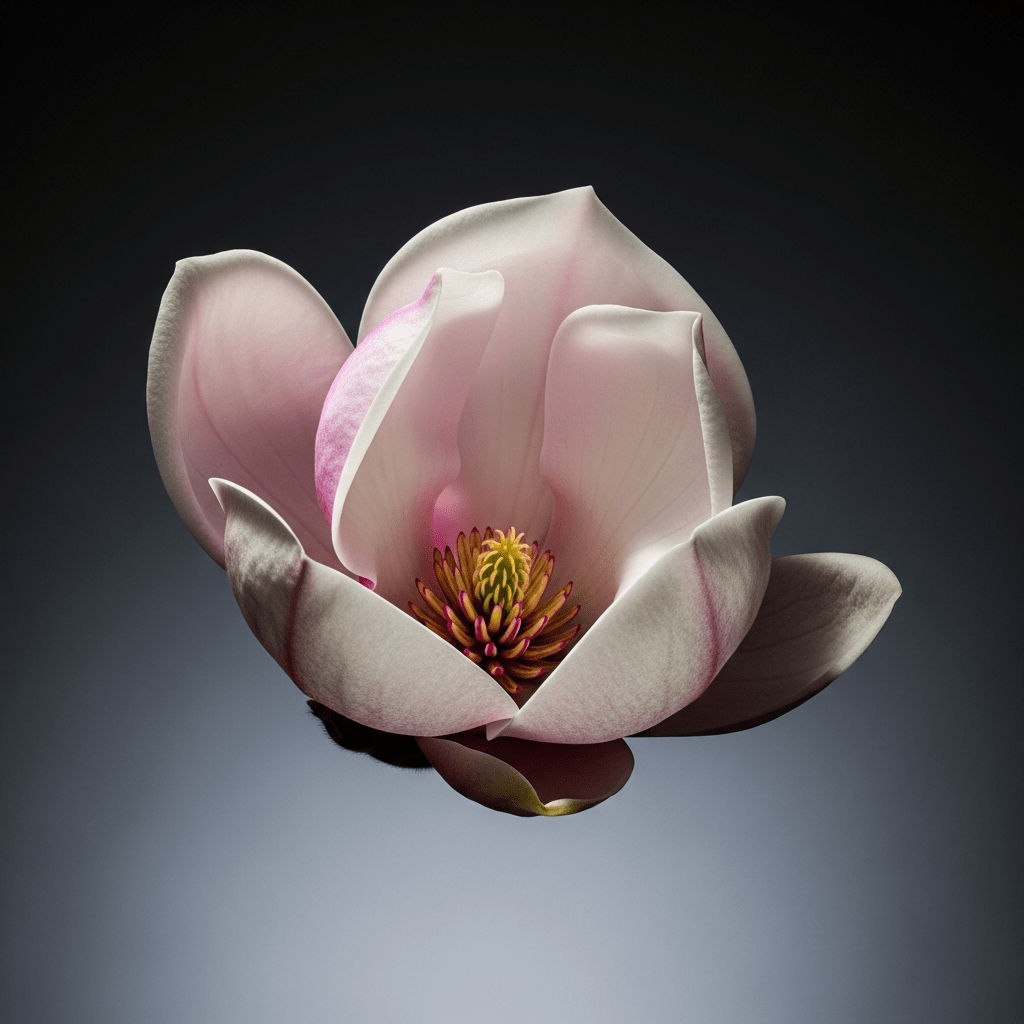
Magnolia
Magnolia is a celebrated genus of flowering trees and shrubs, famed for their large, fragrant blossoms and ancient botanical heritage.
Magnolia is a celebrated genus of flowering trees and shrubs, famed for their large, fragrant blossoms and ancient botanical heritage.
Magnolias trace their lineage back over 95 million years, making them one of the oldest flowering plant groups still thriving today. Formally described by Carl Linnaeus in 1753 and named for Pierre Magnol, the genus originated across East and Southeast Asia and the Americas. Fossil records and centuries of cultivation highlight their enduring presence in gardens and wild landscapes alike, with modern horticultural development led by institutions such as the Royal Botanic Gardens, Kew.
Belonging to the family Magnoliaceae, Magnolia encompasses over 200 species of woody trees and shrubs. As angiosperms, they are part of the broader taxonomy of flowering plants, with their genus distinguished by unique floral structures and evolutionary significance. Magnolia species are grouped by botanical hierarchy—family, genus, species—and further by horticultural varieties, reflecting both scientific and practical classification systems.
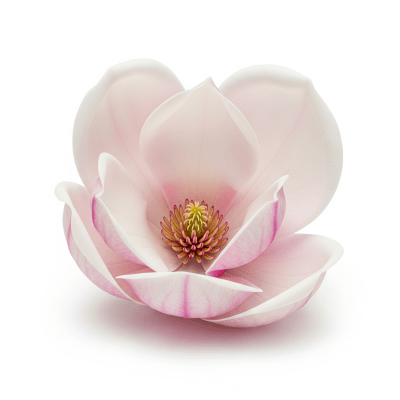
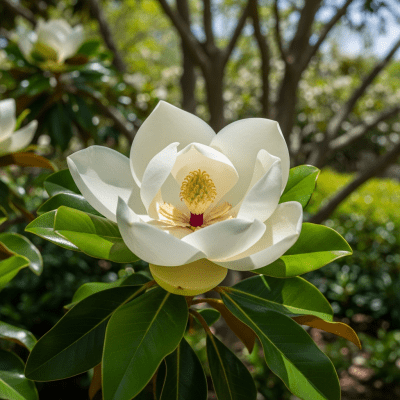
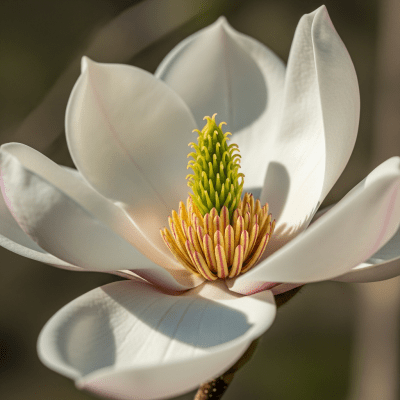
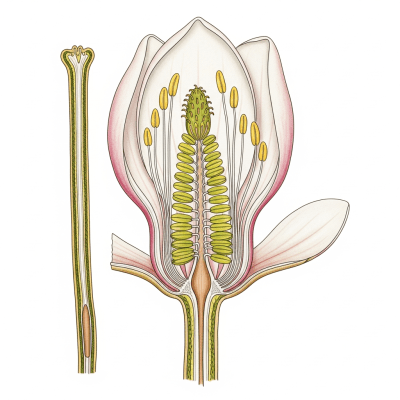
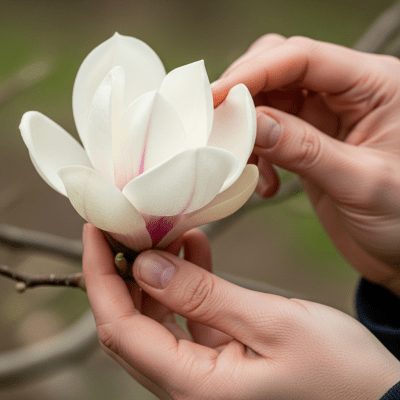
Magnolias are instantly recognizable for their bold, showy flowers, which can span from 3 cm to over 30 cm in diameter. Blossoms appear in elegant whorls of undifferentiated tepals, displaying a palette of white, pink, purple, yellow, or cream. The foliage is typically glossy and leathery, with simple, alternate leaves that may be evergreen or deciduous depending on species. Growth forms range from compact shrubs to majestic trees soaring beyond 20 meters, lending dramatic structure to gardens and landscapes.
Magnolias are primarily cultivated for ornamental purposes, gracing parks, gardens, and public spaces with their spectacular spring or summer blooms. Their flowers attract birds and pollinators, while the aggregate fruit disperses seeds via vibrant red or orange follicles. Select species, such as Magnolia officinalis, are valued in traditional medicine, and petals are occasionally used as edible garnishes or in teas. In some regions, magnolia timber is used locally for furniture and construction, though its commercial use is limited.
Bring this kind into your world illustrated posters, mugs, and shirts.
Archival print, museum-grade paper
Buy Poster
Stoneware mug, dishwasher safe
Buy Mug
Soft cotton tee, unisex sizes
Buy ShirtMagnolia flowers hold deep symbolic meaning in many cultures, representing purity, dignity, and perseverance. They are frequently featured in art, literature, and ceremonies, especially in East Asia and the American South. The Southern Magnolia, for instance, is an emblematic tree in the southeastern United States, while magnolias in China are associated with nobility and feminine beauty. Their timeless elegance makes them a favorite motif in painting, poetry, and decorative arts worldwide.
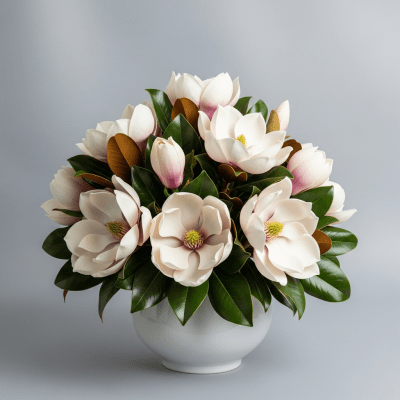
Magnolia blooms are renowned for their sweet, alluring fragrance, which varies from subtle to intense depending on the species. The color palette spans pure white, soft pink, deep purple, creamy yellow, and elegant cream, with some varieties showcasing multi-toned blossoms. Their scent and visual impact make magnolias a centerpiece in both gardens and floral arrangements.
Magnolias thrive in acidic, well-drained soils and prefer full sun to partial shade. They are sensitive to root disturbance, so planting should be done with care, ideally in spring or autumn. Propagation is commonly achieved by seed, cuttings, or grafting. Regular watering and mulching help maintain healthy growth, and protection from frost is advised for sensitive species. With proper care, magnolias can flourish for decades, rewarding gardeners with spectacular seasonal displays.
Magnolia flowers symbolize purity, dignity, and perseverance across cultures. In China, they are associated with feminine beauty and nobility, while in the American South, they evoke hospitality and strength. Their ancient lineage and enduring blooms make them a powerful emblem of resilience and grace in art, literature, and personal expression.
Since the 19th century, magnolias have been extensively bred for ornamental traits, resulting in numerous cultivars and hybrids. Institutions like the Royal Botanic Gardens, Kew, have contributed to the development of varieties with enhanced flower size, color, and cold tolerance. Hybridization between Asian and American species has produced popular garden magnolias, such as Magnolia x soulangeana, celebrated for its large, tulip-shaped blossoms.
Magnolias generally exhibit moderate resistance to pests and diseases but may be affected by scale insects, fungal leaf spot, and frost damage. Regular inspection, proper site selection, and good air circulation help minimize issues. If infestations occur, horticultural oil or appropriate fungicides may be used as management strategies.
Most magnolia species bloom in spring, with some varieties flowering in summer or autumn. Their availability as nursery stock or cut flowers peaks during these seasons, making them a highlight of temperate and subtropical gardens from early spring through late summer.
Magnolias are primarily valued as ornamental trees and shrubs, gracing landscapes with their dramatic blooms and foliage. Select species, such as Magnolia officinalis, are used in traditional medicine for their bark and flowers. Magnolia petals occasionally appear as edible garnishes or in teas, especially in East Asia. While the timber is sometimes used locally for furniture and construction, its commercial importance is limited. Their flowers also play a symbolic role in cultural rituals and artistic expression.