Lotus
The lotus is a perennial aquatic flowering plant celebrated for its large, striking blossoms and profound cultural symbolism throughout Asia.
The lotus is a perennial aquatic flowering plant celebrated for its large, striking blossoms and profound cultural symbolism throughout Asia.
Originating in the warm freshwater regions of India, Sri Lanka, Southeast Asia, China, and Japan, the sacred lotus (Nelumbo nucifera) has been cultivated for centuries. Wild populations have also naturalized in Australia and parts of the Middle East. First described scientifically in 1788, the lotus’s journey from native wetlands to global gardens and temples reflects its enduring appeal and adaptability.
The lotus belongs to the genus Nelumbo within the family Nelumbonaceae. While commonly confused with water lilies (Nymphaea), true lotuses are distinguished by their unique botanical features and are classified separately. The genus comprises two primary species: the sacred lotus (Nelumbo nucifera) and the American lotus (Nelumbo lutea).
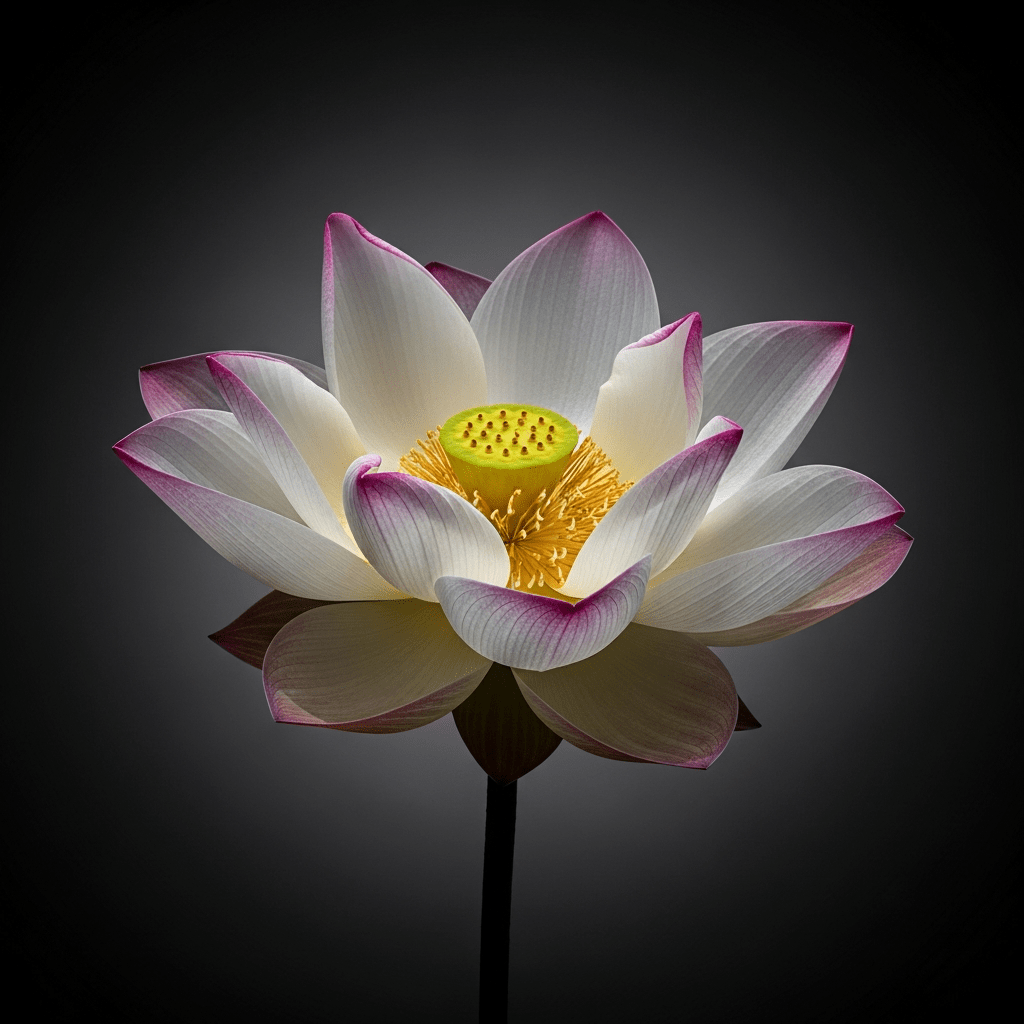
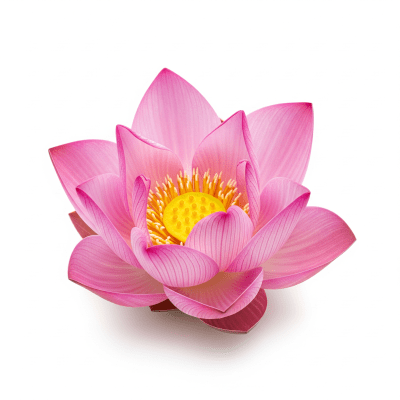
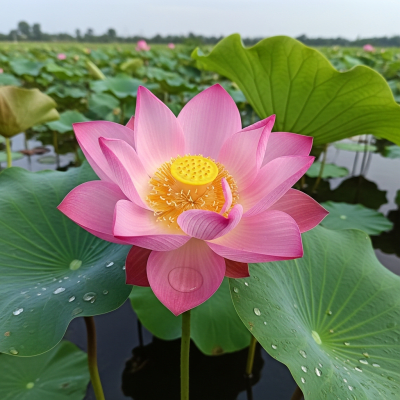
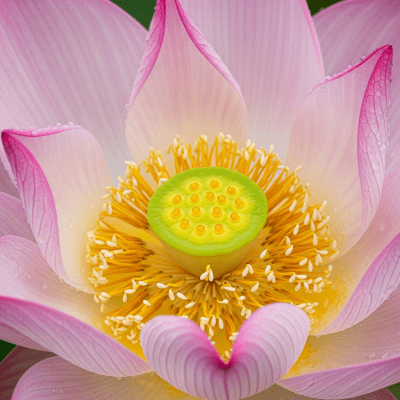
Lotus plants feature large, umbrella-like leaves that float or rise above the water on long stalks, sometimes reaching up to 60 cm in diameter. Their flowers are grand and multi-petaled, typically 10–25 cm across, with hues of pink or white and a prominent central yellow receptacle. The overall form is both architectural and delicate, with the plant’s rhizomes and seeds adding to its visual and tactile interest.
The lotus thrives in shallow, muddy freshwater environments, requiring full sun and warmth. Its growth habit is rhizomatous, allowing it to spread and colonize ponds and lakes. Humans interact with lotus in diverse ways: harvesting its edible rhizomes and seeds, cultivating it as an ornamental centerpiece in water gardens, and using its leaves and flowers in culinary and ceremonial contexts.
Bring this kind into your world illustrated posters, mugs, and shirts.
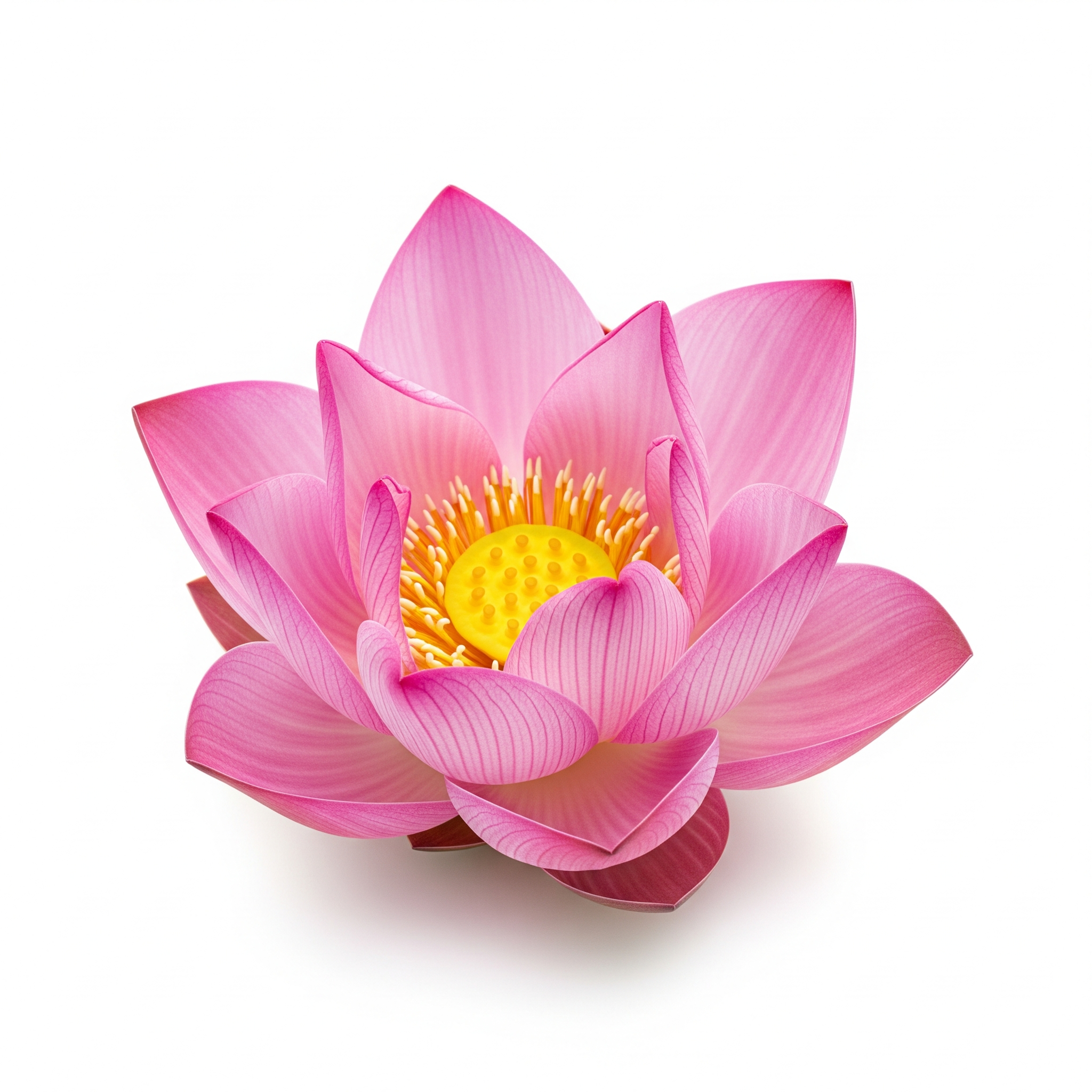
Archival print, museum-grade paper
Buy Poster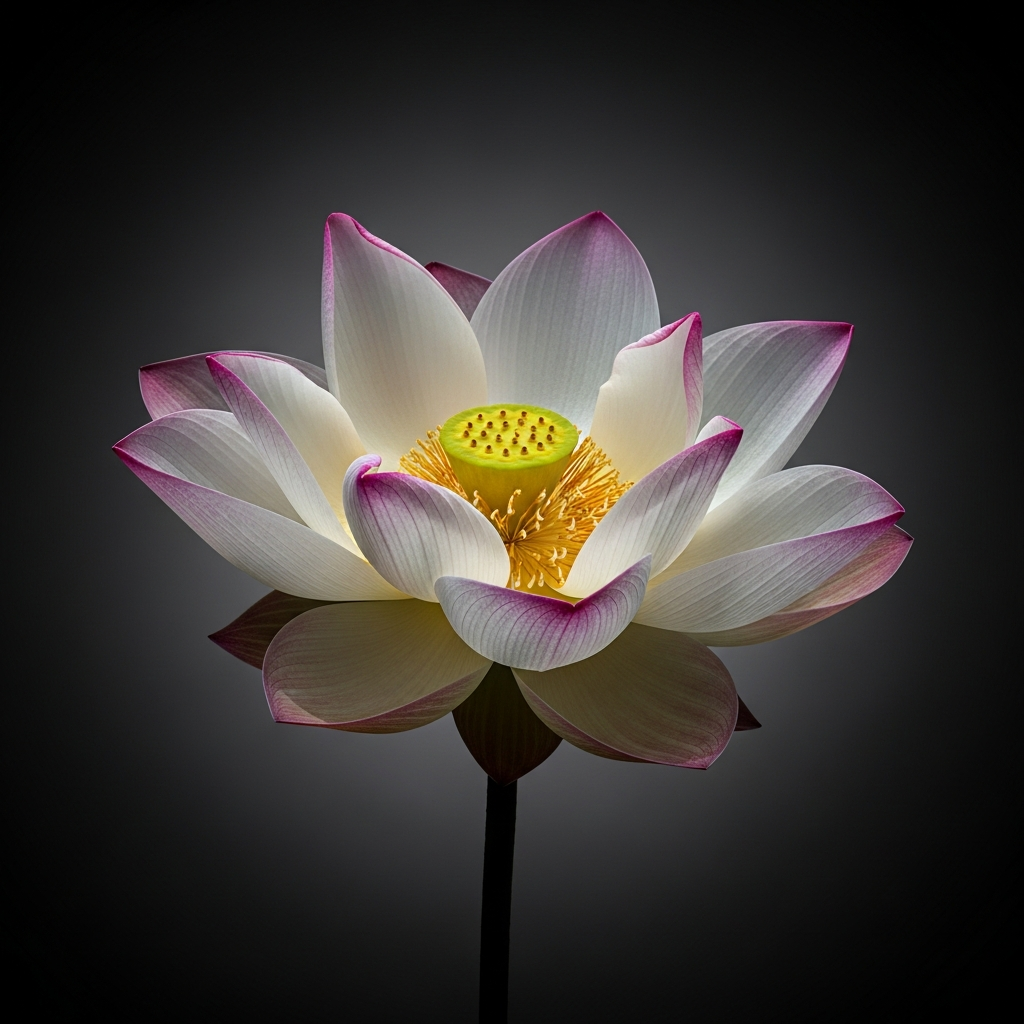
Stoneware mug, dishwasher safe
Buy Mug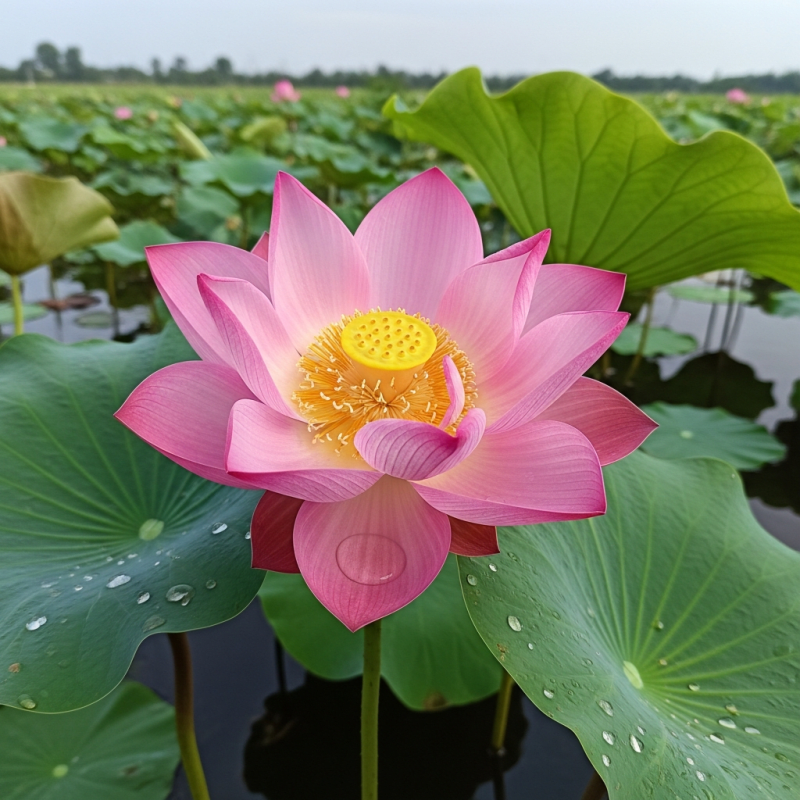
Soft cotton tee, unisex sizes
Buy ShirtFew flowers rival the lotus in symbolic weight. In Hinduism and Buddhism, it represents purity, enlightenment, and spiritual rebirth, often depicted as the seat of deities or as a motif in religious art and architecture. The lotus’s ability to emerge pristine from murky waters has inspired countless works of literature, painting, and sculpture, making it a universal emblem of transcendence and renewal.
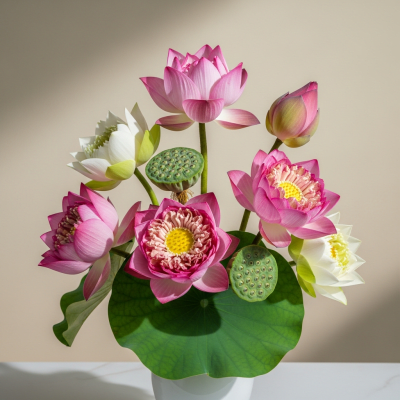
Lotus flowers are most commonly found in soft shades of pink and pristine white, with a vibrant yellow center. While their fragrance is subtle and delicate, it is often described as fresh and slightly sweet, adding to their allure in gardens and bouquets.
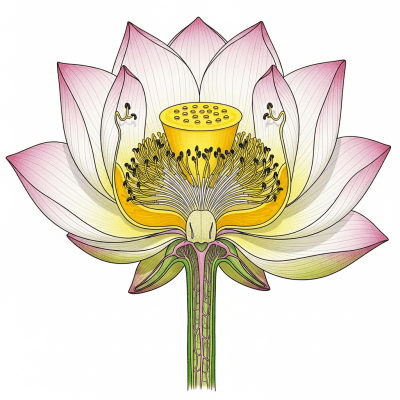
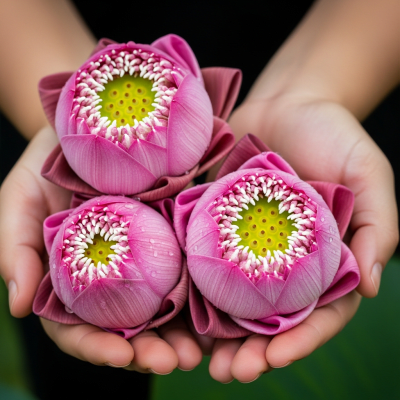
To cultivate lotus successfully, plant rhizomes in muddy, shallow water under full sun. Protect rhizomes from frost in cooler climates, and ensure stable water levels for healthy growth. Propagation is typically by rhizome division or seed. Lotus is generally hardy against pests and diseases, though aphids and fungal rot may occur if conditions are poor. Harvest rhizomes and seeds for storage in cool, dry environments.
The lotus is a powerful symbol of purity, spiritual awakening, and rebirth. Its emergence from muddy waters to bloom unblemished is seen as a metaphor for transcending adversity. In Eastern philosophies, the flower is linked to enlightenment and the unfolding of inner potential, making it a central motif in religious iconography and personal meditation.
Among cultivated lotus, double-flowered forms and color-mutant varieties are especially prized for their ornamental value. The sacred lotus (Nelumbo nucifera) remains the most widely grown, while the American lotus (Nelumbo lutea) is notable in North America for its yellow blooms.
Lotus breeding has produced numerous horticultural selections, focusing on flower form and color. Double-flowered and color-mutant cultivars are popular in gardens and botanical collections, though detailed breeder histories are often unavailable. Hybridization efforts continue to expand the diversity and adaptability of lotus for ornamental and practical uses.
Lotus is generally resilient, but aphids and fungal rot can affect plants in suboptimal conditions. Good water quality, full sun, and healthy substrates help prevent most issues. Regular inspection and prompt removal of affected leaves or flowers are recommended for management.
Lotus typically blooms during the warm months, with peak flowering from late spring through summer. Availability of flowers, rhizomes, and seeds depends on local climate and cultivation practices.
Lotus is valued for its ornamental beauty in water gardens and as a cut flower. Its rhizomes and seeds are staple ingredients in Asian cuisine, while leaves serve as natural wrappers for steaming food. The plant is also used in traditional medicine and holds deep symbolic significance in religious and cultural ceremonies.