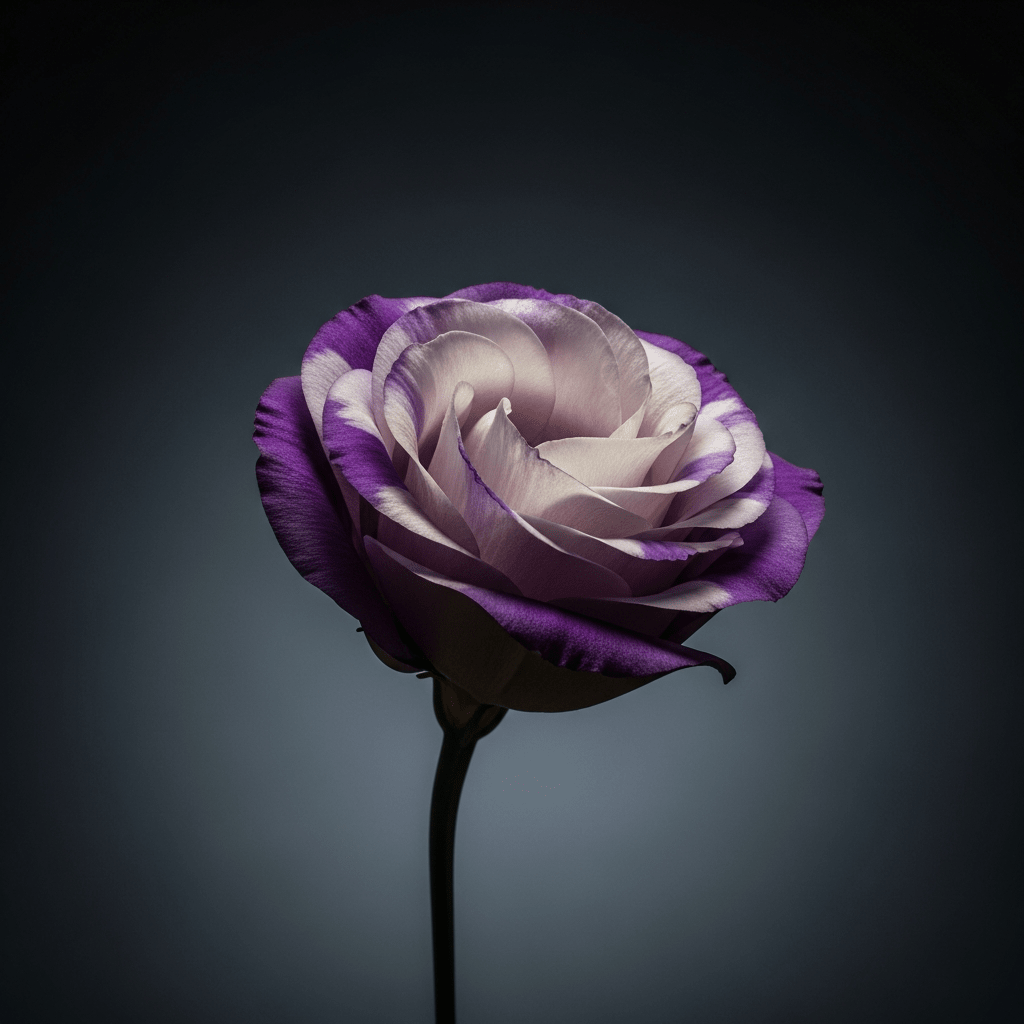
Lisianthus
Lisianthus is a striking ornamental flower, renowned for its rose-like blooms, vibrant colors, and exceptional vase life, making it a favorite in floral arrangements worldwide.
Lisianthus is a striking ornamental flower, renowned for its rose-like blooms, vibrant colors, and exceptional vase life, making it a favorite in floral arrangements worldwide.
Lisianthus, scientifically named Eustoma grandiflorum, originated in the southern United States, Mexico, the Caribbean, and northern South America. First described in the early 19th century, its journey from wild prairie gentian to a global cut flower staple was shaped by intensive breeding efforts in Japan, the Netherlands, and the United States. Modern cultivars owe much to pioneering breeders such as Sakata Seed Corporation and Takii & Co., Ltd., who elevated its size, color range, and vase longevity.
Lisianthus belongs to the genus Eustoma within the flower taxonomy, specifically classified as Eustoma grandiflorum. It is a member of the angiosperms, the vast group of flowering plants. While several synonyms exist—such as Eustoma russellianum and Lisianthus russellianus—the accepted scientific name is Eustoma grandiflorum, as recognized by leading authorities like Kew Gardens and The Plant List.
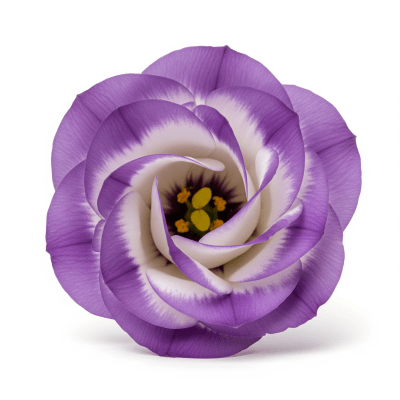
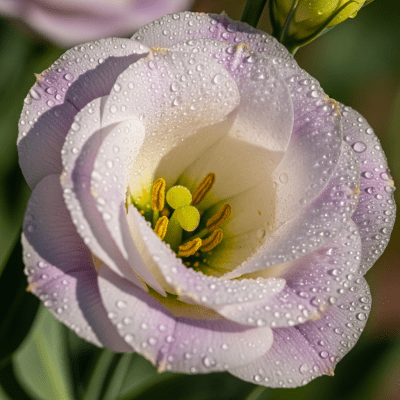
Lisianthus presents elegant, upright stems reaching 15–60 cm, with some cultivars growing up to 90 cm. Its leaves are lanceolate to oblong, bluish-green, and waxy. The flowers themselves are large (5–8 cm diameter), funnel-shaped, and can be single or double-flowered, closely resembling roses or peonies. The color palette spans white, pink, purple, blue, lavender, cream, and striking bicolored forms, offering a lush, sophisticated visual appeal.
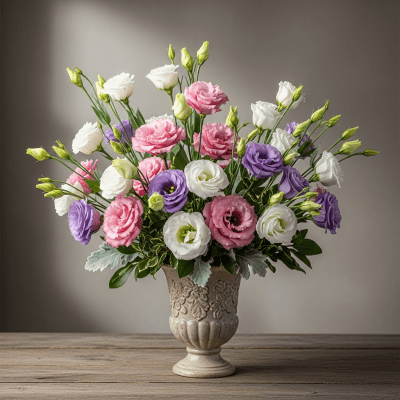
Primarily cultivated for ornamental use, lisianthus is a leading choice in the cut flower market, prized for its long, straight stems and extended vase life of up to two weeks. It is commonly featured in bouquets, wedding arrangements, and floral displays, and also grown as a bedding and container plant. Its delicate blooms and robust stems make it ideal for both professional floristry and home gardening.
Bring this kind into your world illustrated posters, mugs, and shirts.
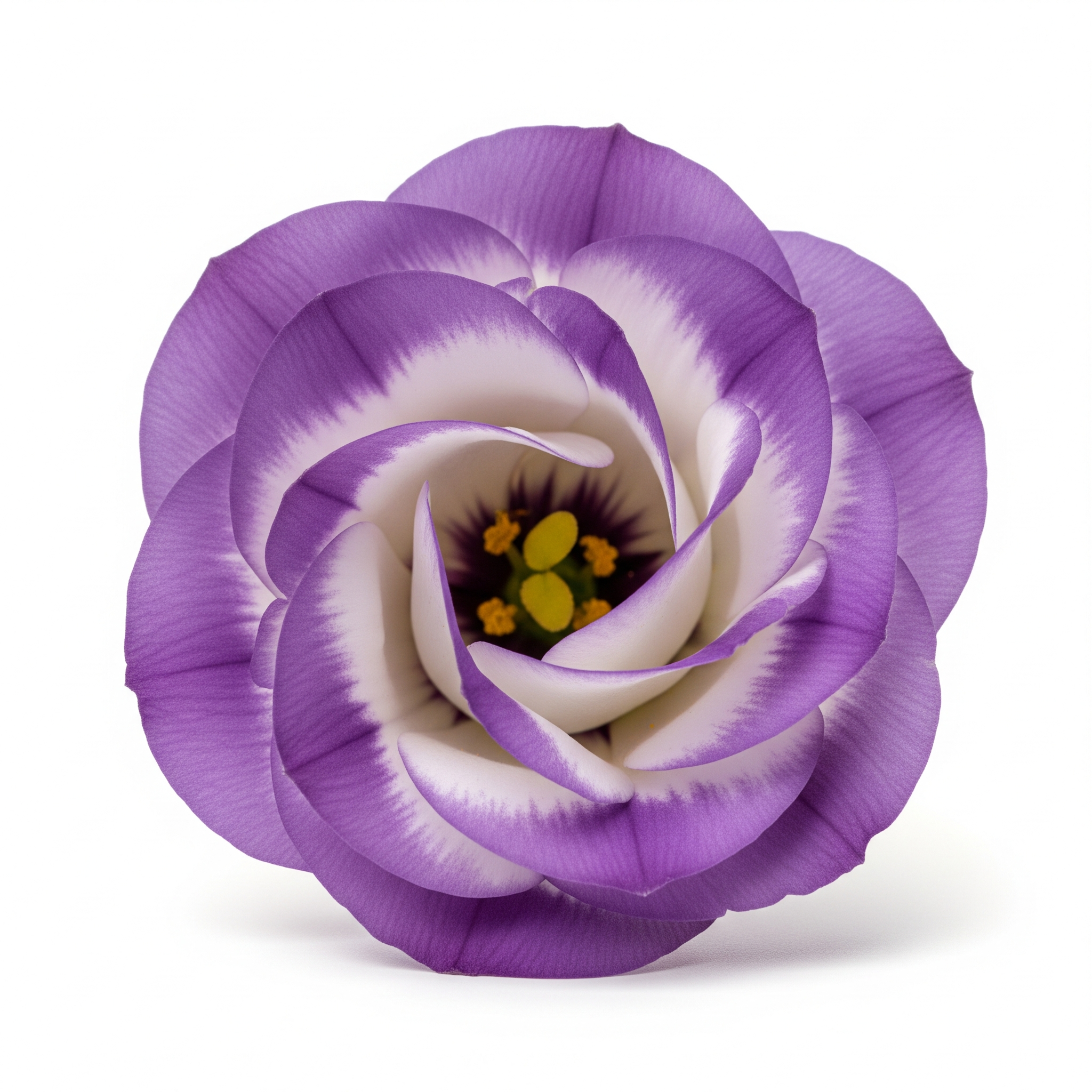
Archival print, museum-grade paper
Buy Poster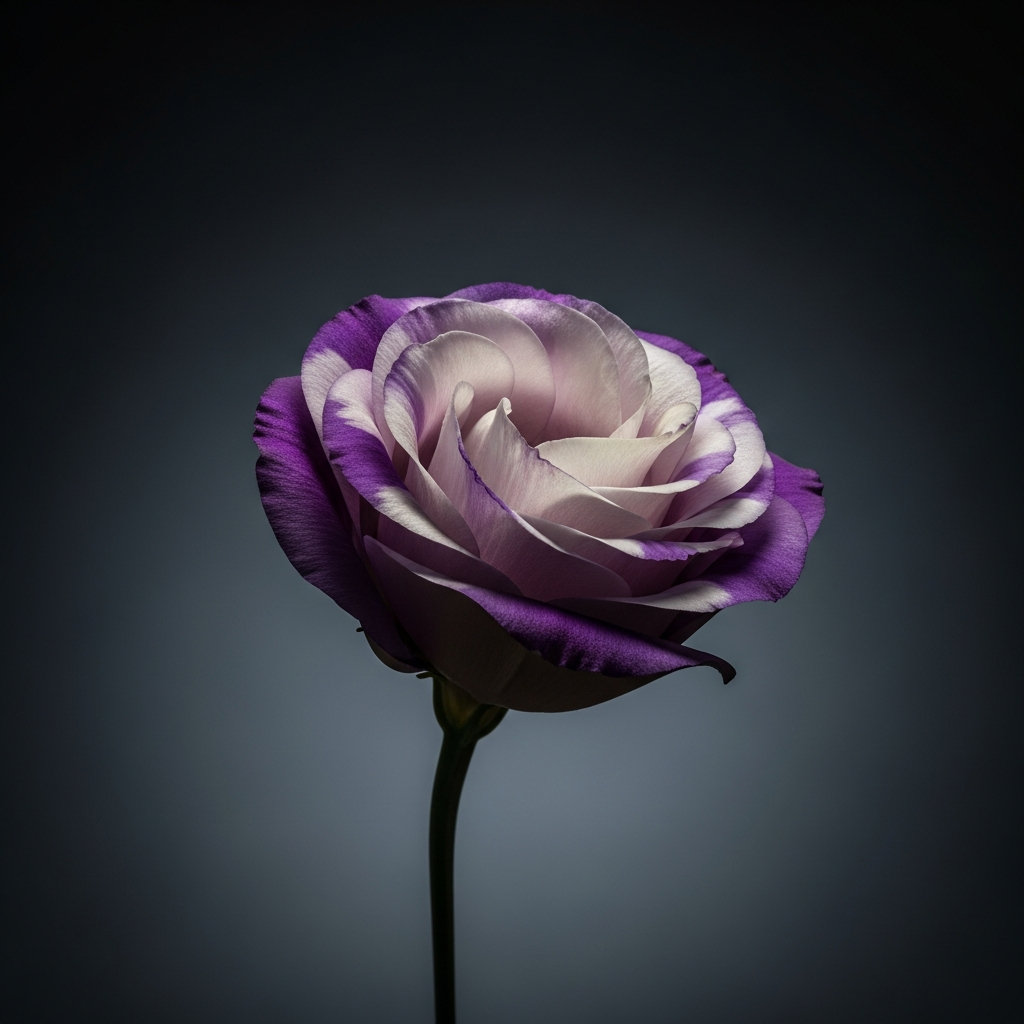
Stoneware mug, dishwasher safe
Buy Mug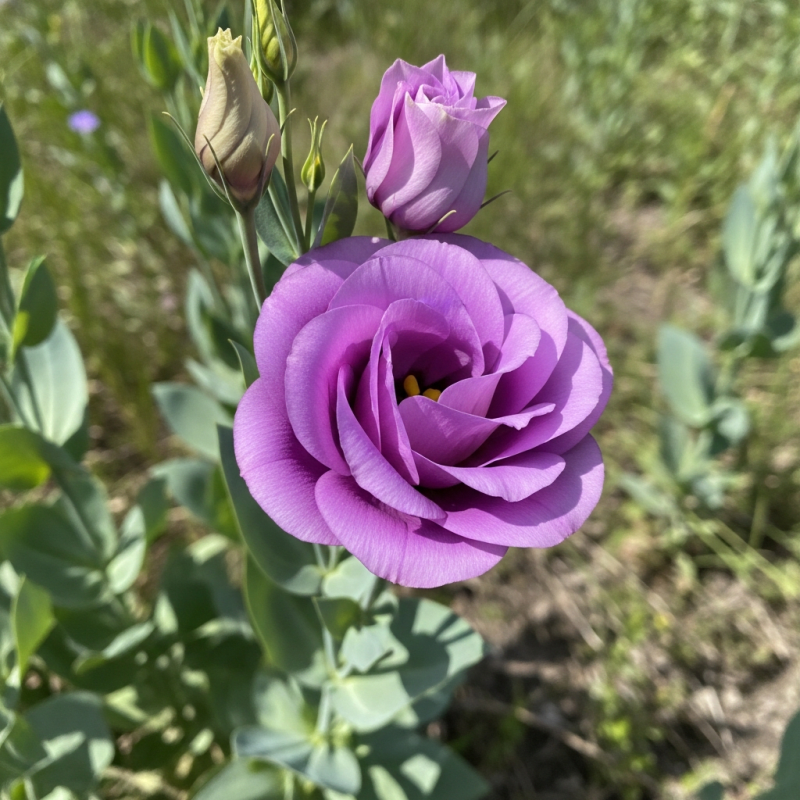
Soft cotton tee, unisex sizes
Buy ShirtLisianthus holds a special place in the language of flowers, symbolizing appreciation, gratitude, and charisma. Its refined beauty has made it a staple in wedding ceremonies and celebratory events, particularly in Japan and the Netherlands, where extensive breeding has produced a dazzling array of cultivars. Known regionally as Texas bluebell and prairie gentian, lisianthus is admired in art and floral design for its grace and versatility.
Lisianthus is generally not fragrant, offering only a subtle scent if any. Its color spectrum is impressive, including pure white, soft pink, vibrant purple, deep blue, gentle lavender, creamy tones, and dramatic bicolored varieties. This diversity makes it a versatile choice for any floral palette.
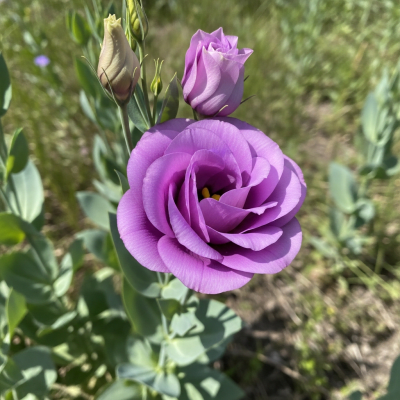
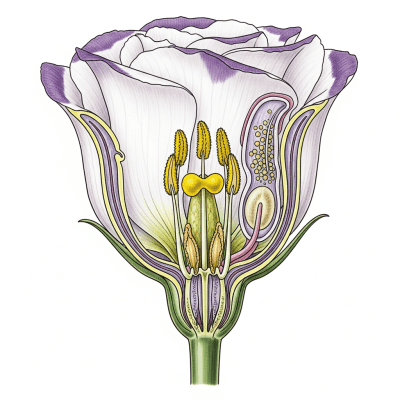
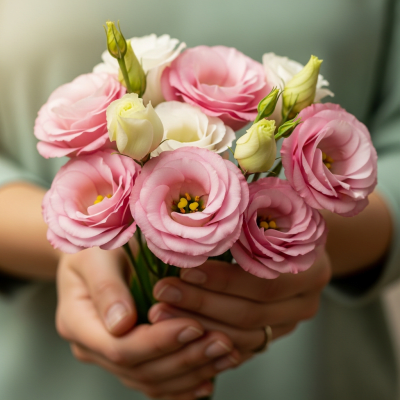
To cultivate lisianthus successfully, plant in spring in well-drained, neutral to slightly alkaline soil. Provide full sun to partial shade and avoid overwatering, as the plant is sensitive to root rot. Propagation is mainly by seed, which requires light for germination, with micropropagation used for elite cultivars. Regular monitoring for pests and diseases, such as Fusarium wilt and aphids, is recommended. With proper care, lisianthus will reward growers with abundant summer blooms.
In floriography, lisianthus embodies appreciation, gratitude, and charisma. Its elegant, multi-layered blossoms are often chosen to convey heartfelt thanks or admiration, making it a popular gift and centerpiece in celebrations of love and achievement.
Extensive breeding in Japan and the Netherlands has produced a rich assortment of lisianthus varieties, ranging from single to double-flowered forms and spanning a wide color palette. While specific cultivar names vary by region and breeder, the diversity includes compact bedding types and tall, robust stems for the cut flower market. Regional favorites such as Texas bluebell and prairie gentian reflect its broad appeal.
Modern lisianthus breeding intensified in the late 20th century, with leading institutions like Sakata Seed Corporation and Takii & Co., Ltd. focusing on flower size, color, and vase longevity. Hybridization has yielded cultivars with improved disease resistance, longer stems, and a wider range of colors and forms, making lisianthus a dynamic and continually evolving flower in horticulture.
Lisianthus typically blooms from June to September, with peak availability in summer. As a cut flower, it is widely accessible in florists during this period, though greenhouse cultivation can extend its season.
Lisianthus is cultivated almost exclusively for ornamental purposes, excelling in the cut flower market and garden displays. Its long vase life and elegant blooms make it a top choice for bouquets, weddings, and floral artistry. It is also grown as a bedding and container plant, but has no significant culinary, medicinal, or perfumery uses. Its symbolic meanings add emotional resonance to its visual beauty.