
Lily
The lily is a celebrated genus of flowering plants, admired worldwide for its large, elegant blooms and rich cultural symbolism.
The lily is a celebrated genus of flowering plants, admired worldwide for its large, elegant blooms and rich cultural symbolism.
Lilies trace their botanical origins to temperate regions of Asia, Europe, and North America, where wild species have flourished for millennia. Formally described by Carl Linnaeus in 1753, the genus Lilium has been shaped by centuries of cultivation and hybridization, especially since the 19th century. Breeders in Japan, the Netherlands, and the United States have contributed to the development of major hybrid groups, blending the characteristics of wild lilies such as Lilium auratum, Lilium speciosum, and Lilium longiflorum. Today, lilies embody a global legacy, with both ancient heritage and modern innovation reflected in their diverse forms.
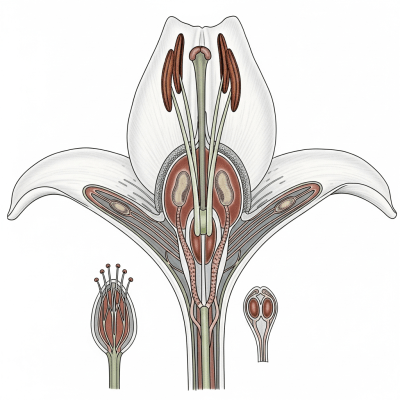
Belonging to the genus Lilium within the family Liliaceae, lilies are classified as angiosperms—flowering plants characterized by their reproductive blooms. The genus encompasses dozens of species and countless cultivars, organized by botanical taxonomy and horticultural groupings such as Asiatic, Oriental, Trumpet, and Longiflorum lilies. Scientific naming conventions, including binomial nomenclature and cultivar designations, ensure clarity in identification and breeding.
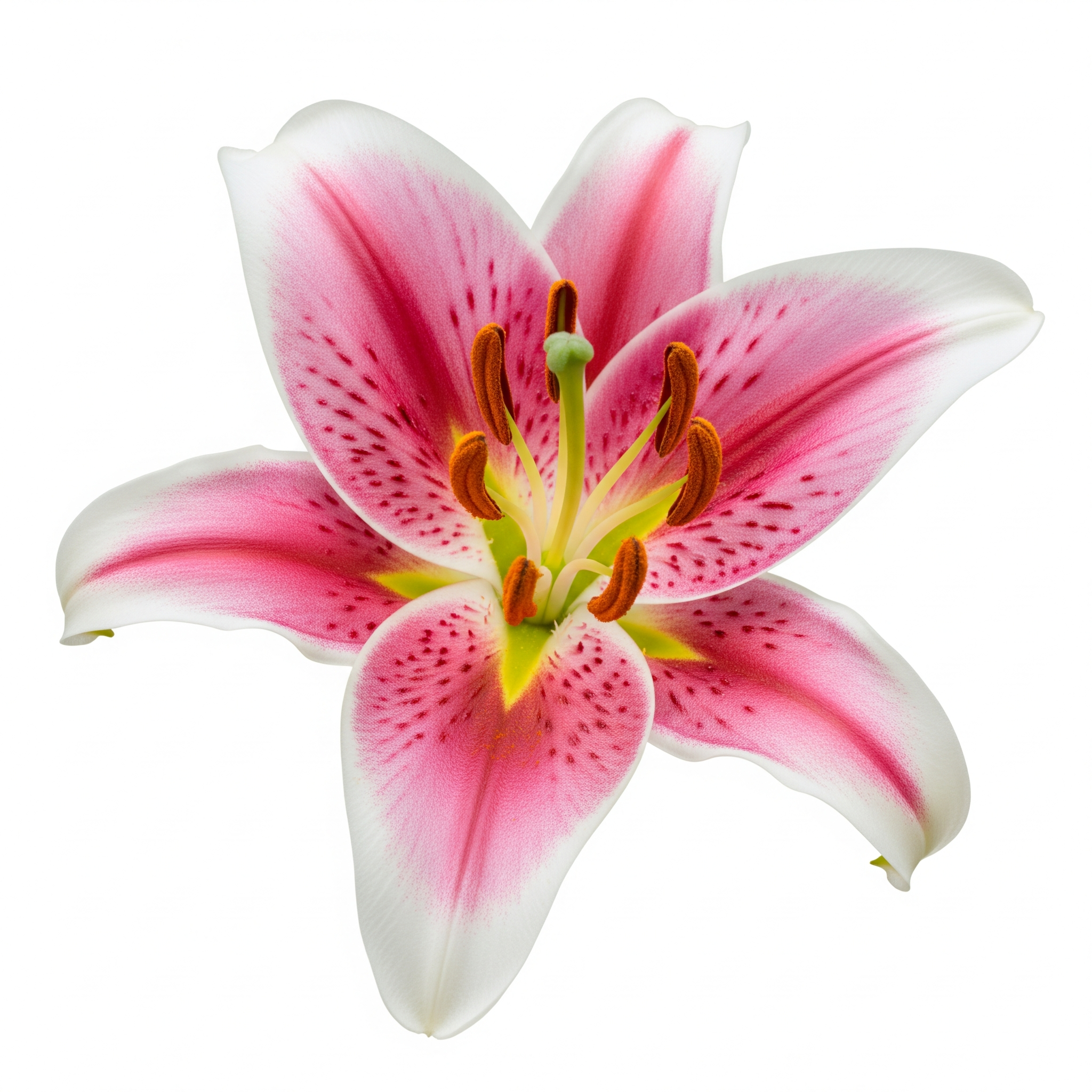
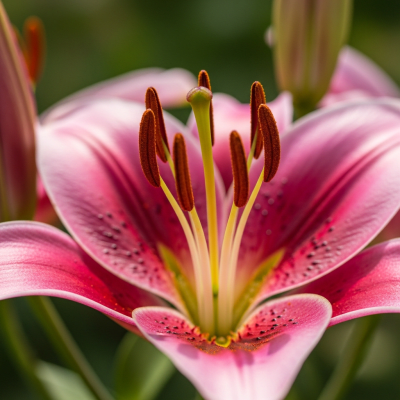
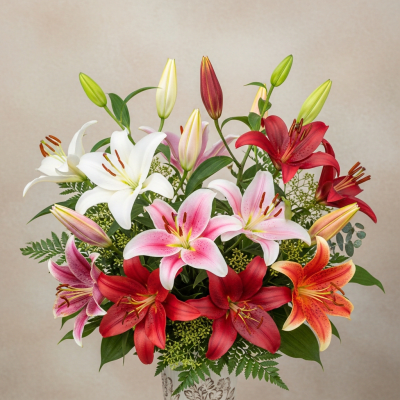
Lilies are perennial, herbaceous plants that grow from distinctive scaly bulbs. Depending on species and cultivar, mature plants stand anywhere from 30 centimeters to over 2 meters tall. Their leaves are typically lance-shaped and arranged in spirals or whorls along sturdy stems. The flowers are the true showstoppers: large, often fragrant, and presented singly or in dramatic clusters at the top of the stem. Bloom shapes range from trumpet and bowl to recurved, and their palette spans white, yellow, orange, pink, red, and purple—often adorned with spots or streaks. Individual flowers can reach up to 25 centimeters in diameter, making lilies a focal point in any setting.
Lilies are cultivated primarily for their ornamental beauty, gracing gardens, landscapes, and floral arrangements worldwide. Their robust stems and striking flowers make them favorites in the cut flower market, where they are prized for longevity and visual impact. Certain species, such as the Tiger Lily and Lilium brownii, also offer edible bulbs used in East Asian cuisine, while traditional medicine recognizes the calming properties of lily bulbs. However, lilies are highly toxic to cats, with even small exposures posing serious health risks.
Bring this kind into your world illustrated posters, mugs, and shirts.
Archival print, museum-grade paper
Buy Poster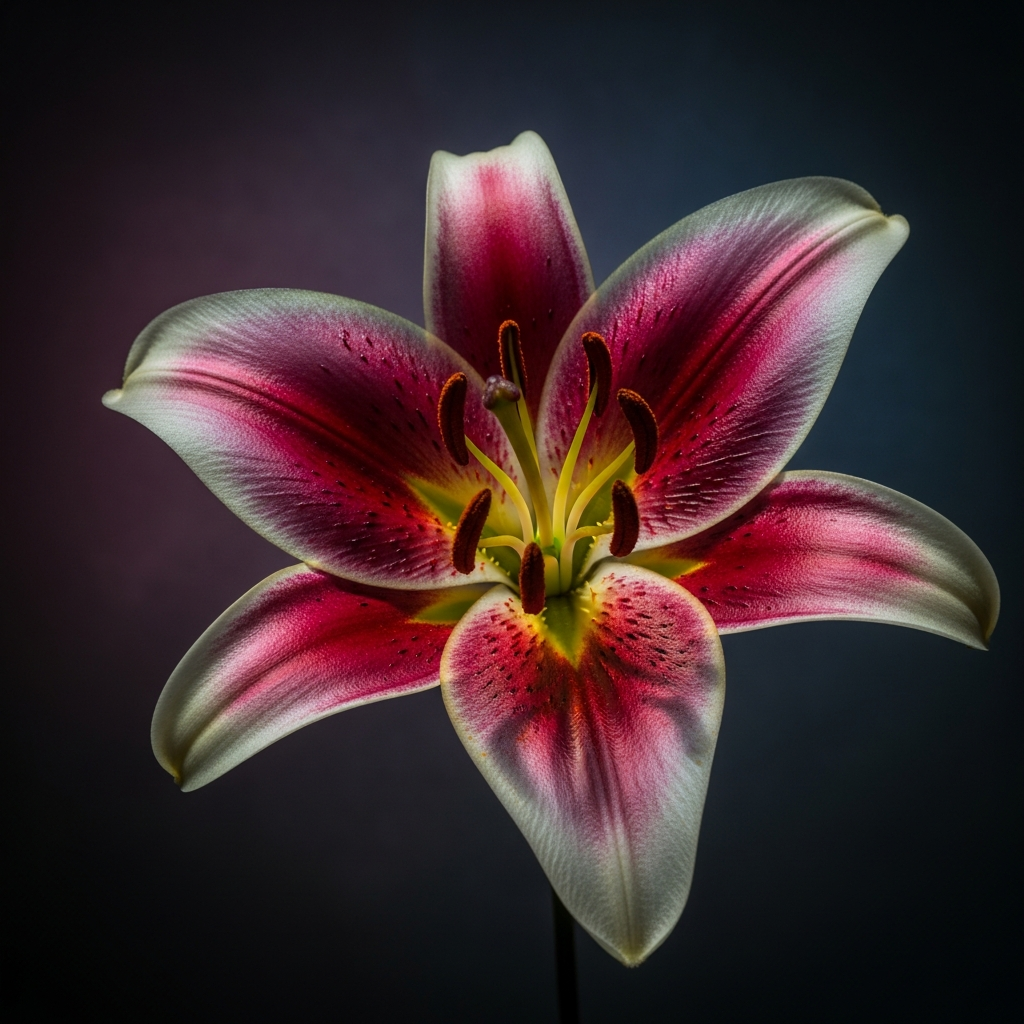
Stoneware mug, dishwasher safe
Buy Mug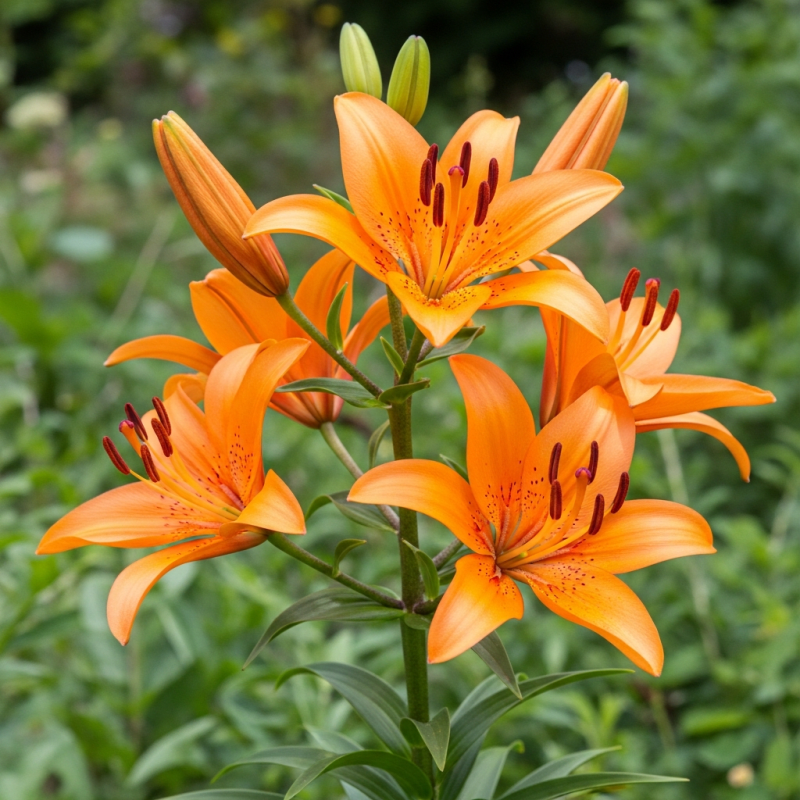
Soft cotton tee, unisex sizes
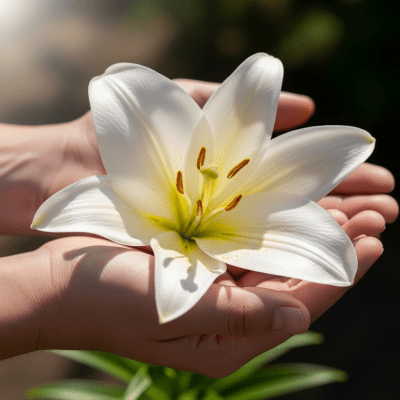
Buy ShirtThroughout history, lilies have held profound cultural and symbolic meaning. In Christian iconography, the Madonna Lily represents purity and motherhood, often depicted in religious art and ceremonies. Lilies are central to wedding bouquets and funerary arrangements, symbolizing renewal and the cycle of life. Their presence in literature, art, and folklore spans continents, with each variety carrying its own legacy—from the regal Turk’s Cap Lily of Europe to the beloved Easter Lily in North America. In East Asia, lilies are celebrated for their beauty and culinary value, further enriching their cultural tapestry.
Lilies are celebrated for their captivating fragrance, especially in Oriental and Longiflorum varieties, which exude a sweet, heady scent. The color palette is remarkably broad, featuring pure whites, sunny yellows, fiery oranges, delicate pinks, deep reds, and regal purples. Many blooms are further embellished with spots, streaks, or contrasting throats, adding to their visual allure.

To cultivate lilies successfully, plant their bulbs in well-drained, fertile soil and position them in full sun to partial shade. Autumn or spring are ideal seasons for planting. Propagation is commonly achieved through bulb division, scaling, seed, or tissue culture. Taller varieties may require staking for support. Lilies thrive in USDA zones 4–9, with some hybrids offering extended cold or heat tolerance. Regular monitoring for pests and diseases, such as lily beetle and Botrytis blight, helps maintain healthy growth. For cut flowers, expect a vase life of 7–14 days under optimal conditions.
Lilies are rich in symbolism, representing purity, renewal, and motherhood across cultures. The Madonna Lily is a classic emblem of innocence and divine grace in Christian tradition, while other varieties are associated with rebirth, beauty, and transience. In weddings and funerals, lilies convey heartfelt messages of hope and remembrance, making them a flower of profound emotional resonance.
Since the 19th century, breeders in Japan, the Netherlands, and the United States have developed a vast array of lily cultivars and hybrids. Major groups—Asiatic, Oriental, Trumpet, and Longiflorum—are the result of careful cross-breeding between wild species such as Lilium auratum and Lilium speciosum. These efforts have expanded the range of colors, forms, and fragrances available, with horticultural societies maintaining detailed registries of pedigrees and releases.
Lilies typically bloom from late spring through midsummer, with exact timing varying by species and climate. In the cut flower market, greenhouse cultivation allows for year-round availability of popular varieties.
Lilies are primarily grown for ornamental purposes in gardens and landscapes, and are highly valued in the cut flower industry for their beauty and longevity. Select species offer edible bulbs used in East Asian cuisine, while traditional medicine utilizes lily bulbs for their reputed calming effects. Their symbolic significance makes lilies central to ceremonies, art, and religious rituals. Note: lilies are highly toxic to cats and should be kept out of reach of pets.