Lavender
Lavender is a genus of aromatic flowering plants celebrated for its fragrant purple blooms, ornamental beauty, and versatile uses in gardens, cuisine, and wellness.
Lavender is a genus of aromatic flowering plants celebrated for its fragrant purple blooms, ornamental beauty, and versatile uses in gardens, cuisine, and wellness.
Lavender originated in the Mediterranean region, with wild species found across southern Europe, northern Africa, and western Asia. The genus Lavandula was formally described by Carl Linnaeus in 1753. Over centuries, lavender has been cultivated and hybridized, with major breeding efforts in France, England, and Australia. Notable cultivars such as 'Hidcote' and 'Munstead' trace their roots to England, while lavandin hybrids like 'Grosso' emerged from French breeding in the 20th century.
Lavender belongs to the genus Lavandula within the family Lamiaceae, a group known for aromatic herbs and shrubs. The genus includes over 40 recognized species and hundreds of cultivars, with Lavandula angustifolia (English lavender) and Lavandula x intermedia (lavandin) among the most prominent. Classification is based on botanical traits such as flower structure, leaf morphology, and fragrance, and is recognized by authorities like Kew Gardens and the Royal Horticultural Society.
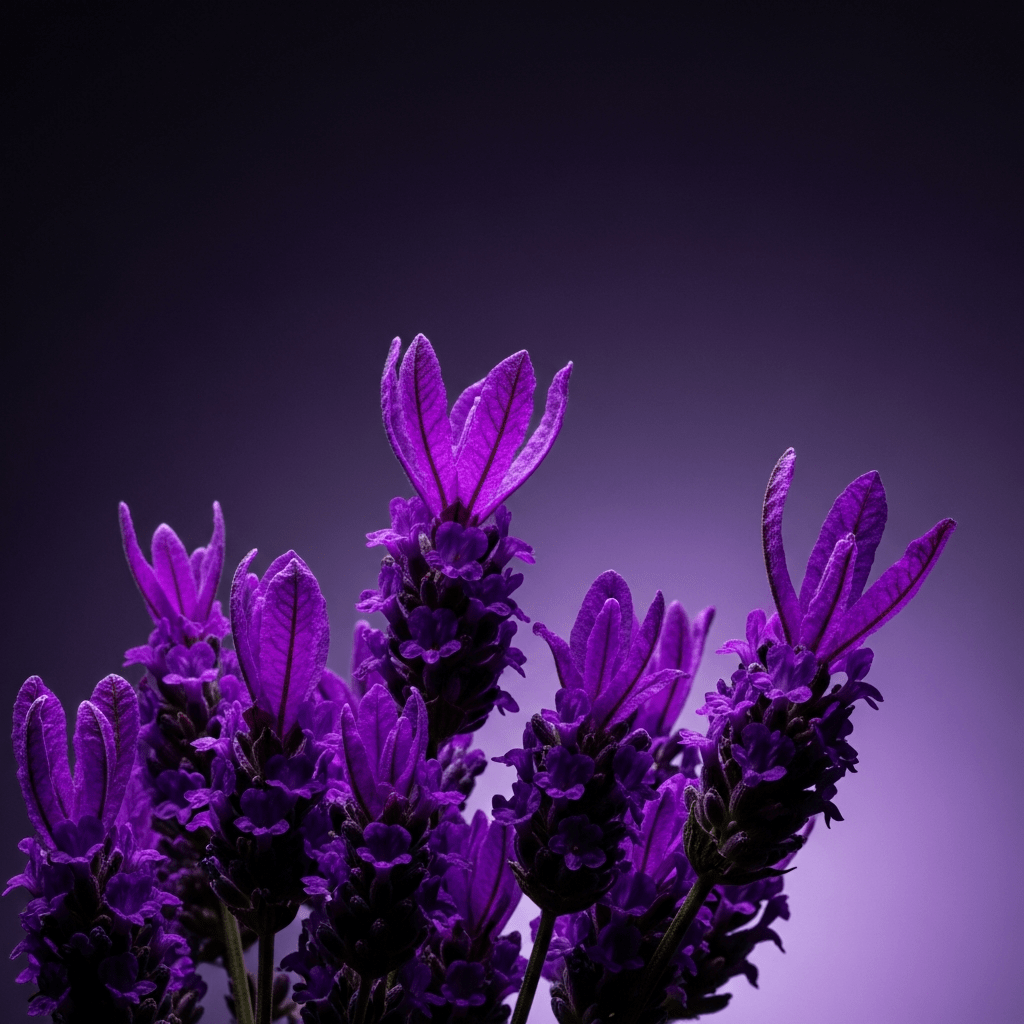
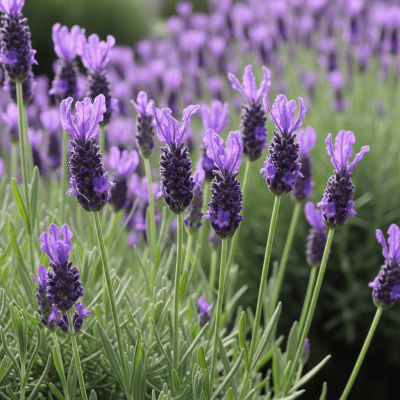
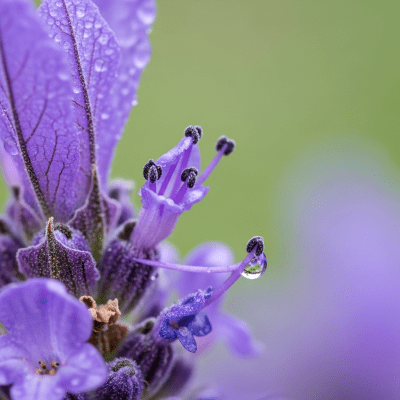
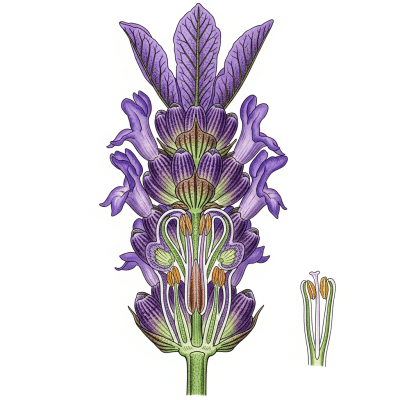
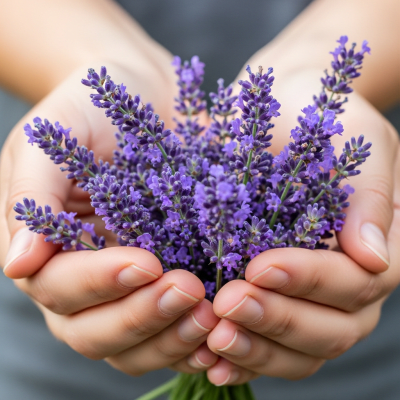
Lavender plants are evergreen, perennial subshrubs typically reaching 30–90 cm in height. Their leaves are linear to lanceolate, gray-green to silvery, and covered in fine hairs, giving a soft, muted look. Flower spikes rise above the foliage, bearing whorls of small, tubular, bilabiate flowers in hues ranging from deep violet and pale lilac to pink and white. The overall effect is both elegant and rustic, with a distinctive silvery shimmer and dense, aromatic inflorescences.
Lavender thrives in well-drained, alkaline soils and requires full sun, displaying remarkable drought tolerance. It is widely used by humans for its ornamental charm in gardens and landscapes, its culinary applications in teas and baked goods, and its essential oils for perfumery, aromatherapy, and cosmetics. Lavender also attracts pollinators, supports biodiversity, and is valued for its resilience against deer and most pests.
Bring this kind into your world illustrated posters, mugs, and shirts.
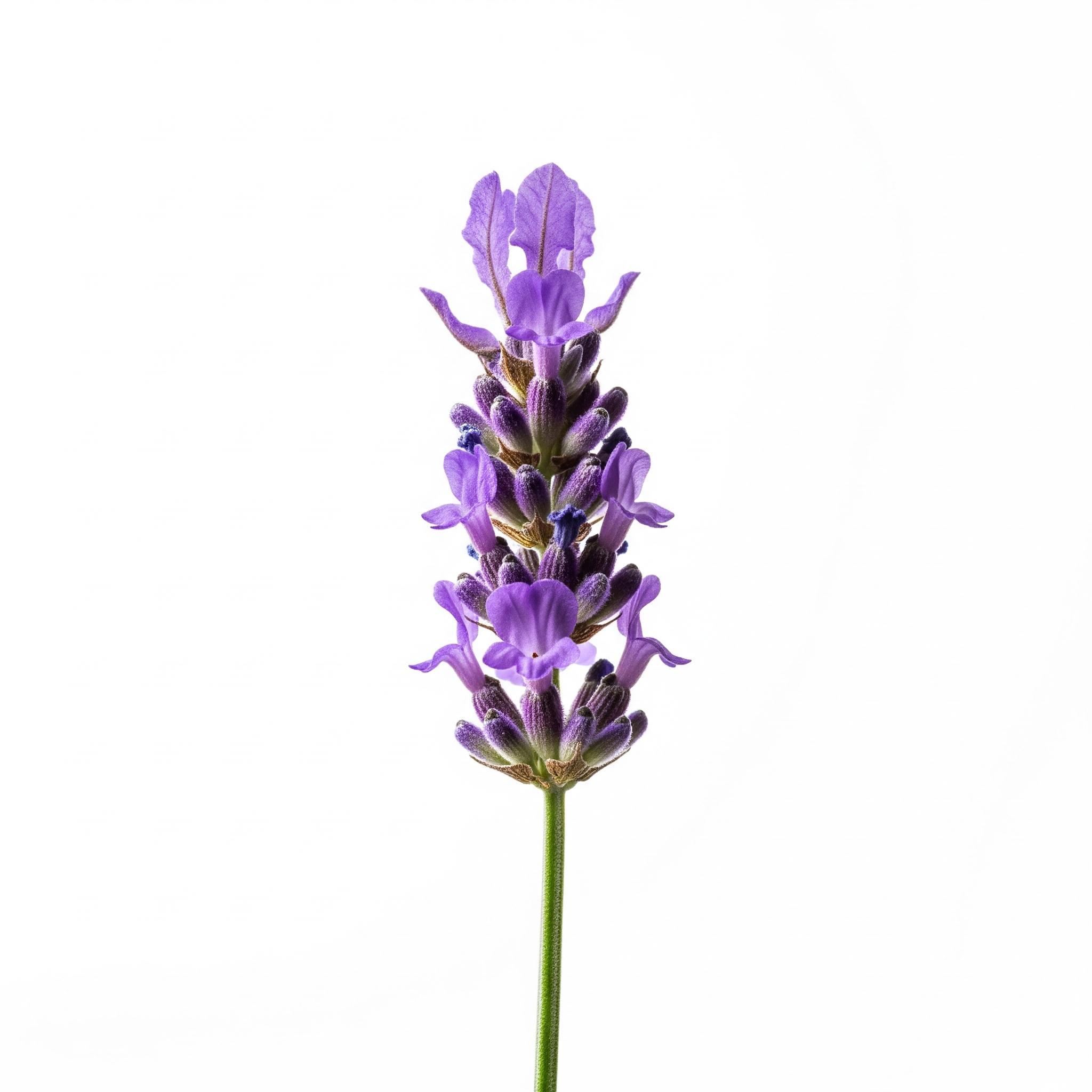
Archival print, museum-grade paper
Buy Poster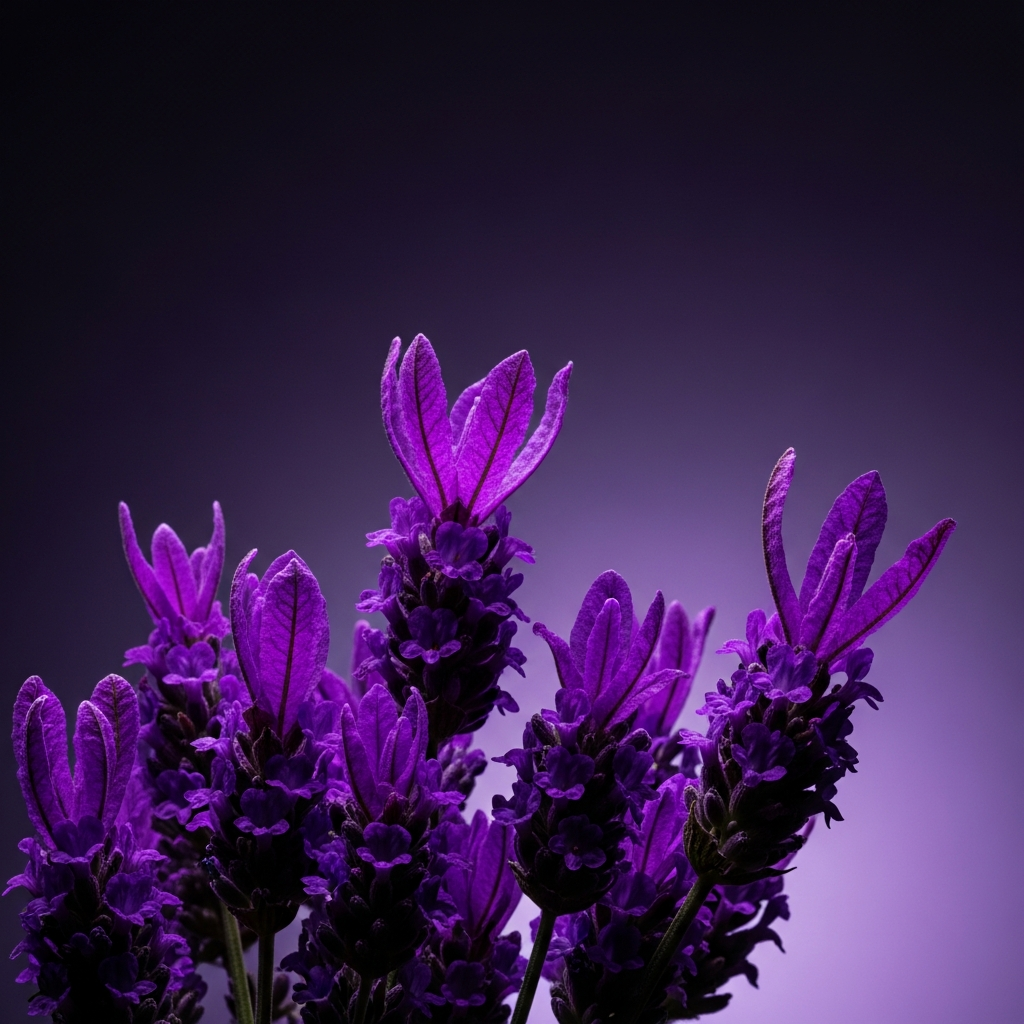
Stoneware mug, dishwasher safe
Buy Mug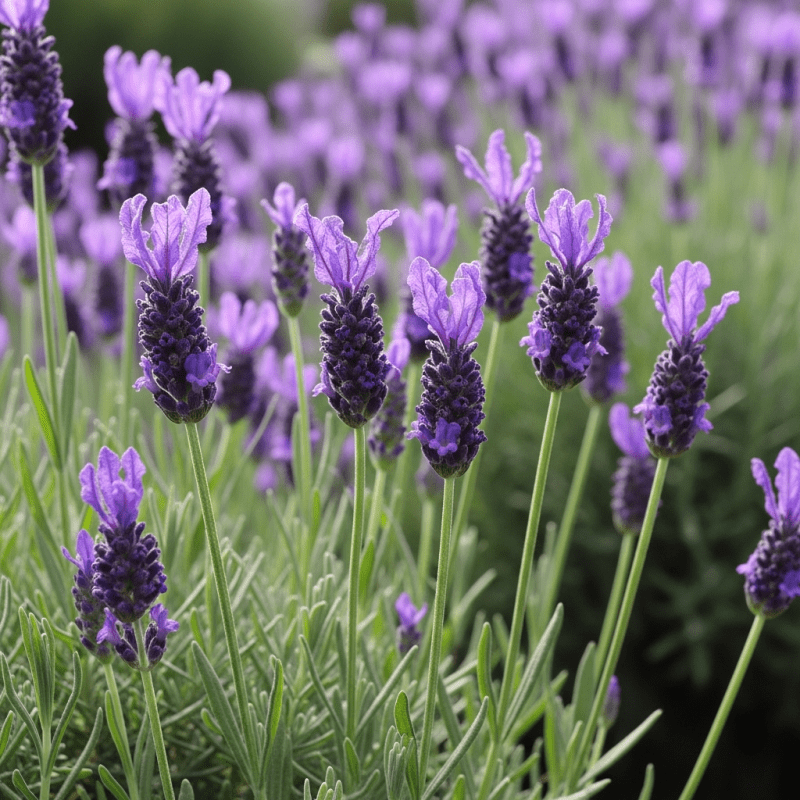
Soft cotton tee, unisex sizes
Buy ShirtLavender holds a cherished place in art, folklore, and religious rituals. It symbolizes purity, calm, and devotion, and has been featured in paintings, poetry, and ceremonies across cultures. In Provence, France, lavender fields are iconic, inspiring festivals and local crafts. Its calming scent is associated with peace and healing, making it a staple in traditional remedies and modern wellness practices.
Lavender is celebrated for its highly aromatic, sweet, and floral scent, a result of volatile essential oils concentrated in its flowers. The color palette spans deep violet, pale lilac, pink, and white, with purple being the most iconic and widely recognized shade.

For successful cultivation, lavender requires well-drained, alkaline soils and full sun exposure. It is best propagated by seed or cuttings and should be protected from waterlogged conditions to prevent root rot. Minimal watering is needed once established, and annual pruning helps maintain shape and vigor. Lavender’s drought resistance and low maintenance make it ideal for borders, containers, and xeriscapes.
Lavender symbolizes purity, serenity, and devotion. Its calming fragrance has made it a universal emblem of relaxation and healing. In various cultures, lavender is associated with spiritual cleansing, love, and protection, often used in rituals and as a token of goodwill.
Lavender breeding has produced numerous cultivars and hybrids, notably lavandin (Lavandula x intermedia), a sterile cross between English lavender and spike lavender. French breeders pioneered lavandin in the early 20th century, with 'Grosso' becoming a global standard for oil yield. English cultivars like 'Hidcote' and 'Munstead' were developed for garden performance and fragrance, reflecting centuries of horticultural selection.
Lavender is generally resistant to deer and most garden pests. However, it is vulnerable to root rot in poorly drained soils and susceptible to fungal diseases such as Phoma lavandulae. Good drainage, proper spacing, and avoiding overwatering are key strategies for disease prevention.
Lavender typically blooms from late spring to midsummer, with peak flowering occurring between May and July in temperate climates. Availability of fresh blooms and essential oil is highest during this period.
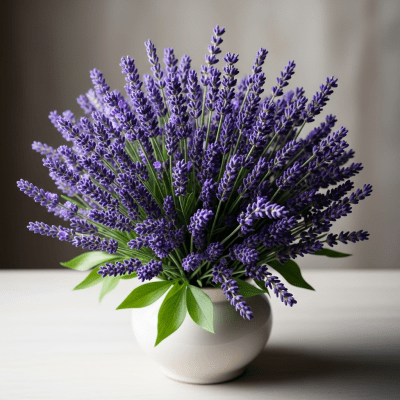
Lavender is prized for its essential oils used in perfumery, aromatherapy, and cosmetics. The flowers and leaves serve as a culinary herb in teas, baked goods, and spice blends. Medicinally, lavender is employed for its calming and antimicrobial properties, aiding anxiety, insomnia, and minor burns. Ornamental use is widespread in gardens and landscapes, and the plant holds symbolic value in art and rituals.