Iris
The iris is a genus of perennial flowering plants celebrated for its vivid, showy blooms and elegant sword-like foliage, widely cultivated for ornamental beauty and cultural symbolism.
The iris is a genus of perennial flowering plants celebrated for its vivid, showy blooms and elegant sword-like foliage, widely cultivated for ornamental beauty and cultural symbolism.
Formally described by Carl Linnaeus in 1753, the iris genus draws its name from the Greek word for "rainbow," a nod to its dazzling spectrum of colors. Native to temperate regions across Europe, Asia, and North America, irises have flourished in gardens and wild landscapes for centuries. Their horticultural journey has seen extensive breeding and hybridization, especially among bearded, Siberian, and Japanese irises, resulting in a rich tapestry of cultivars adapted to diverse climates and tastes.
Iris belongs to the family Iridaceae within the kingdom of flowering plants (angiosperms). The genus encompasses over 300 species, each distinguished by unique morphological traits and ecological preferences. Irises are classified biologically by genus and species, with further horticultural groupings based on flower form, color, and adaptation. Notable regional varieties include bearded, Siberian, Japanese, and Louisiana irises, each representing distinct species or hybrid groups.
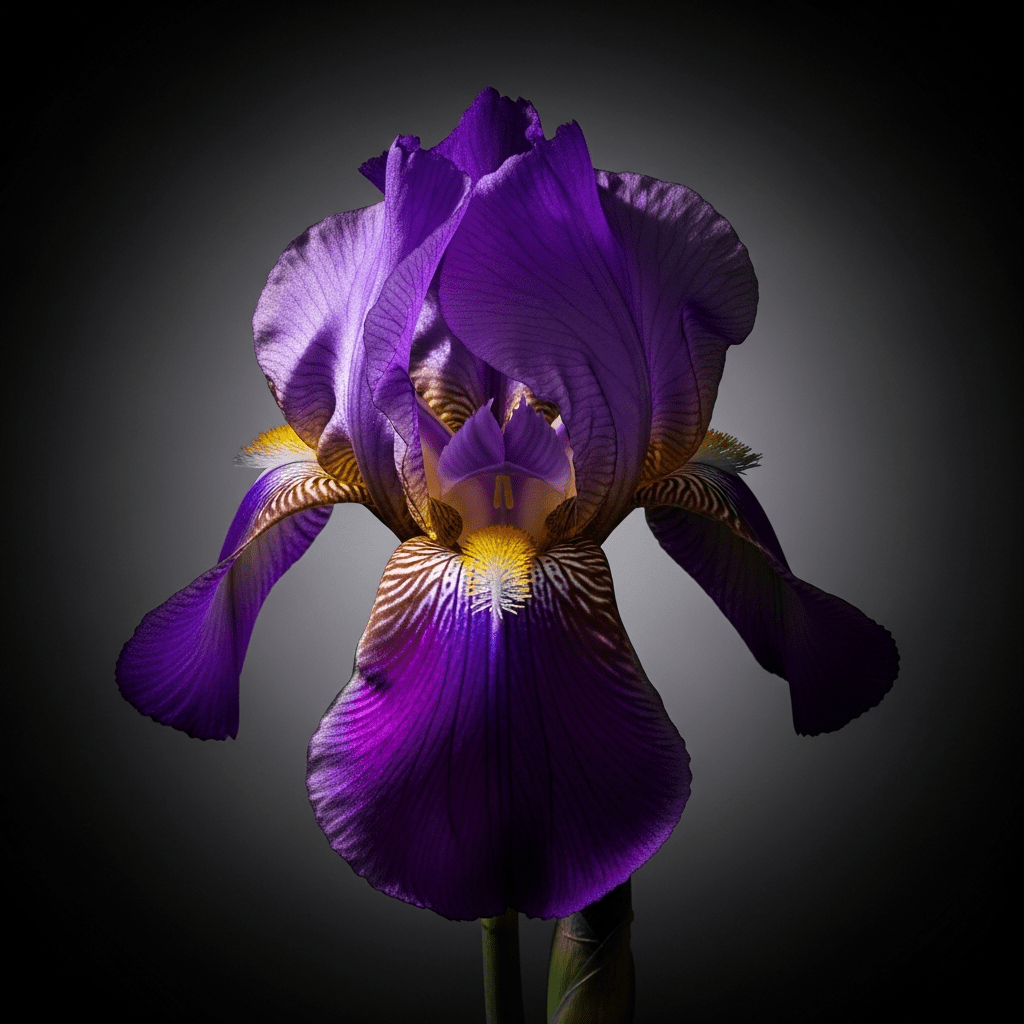
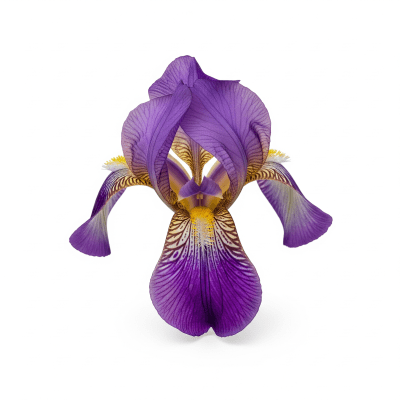
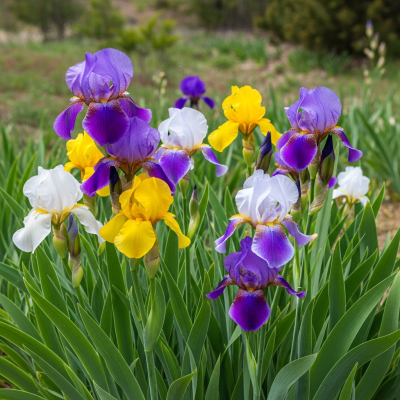
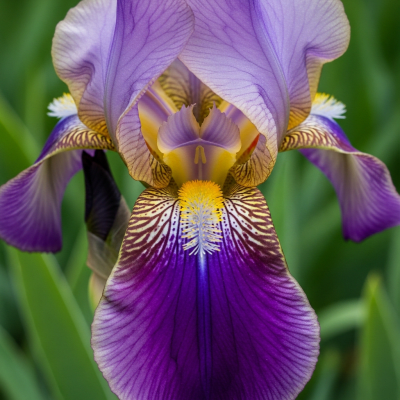
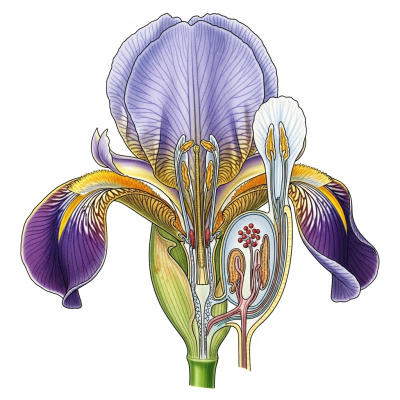
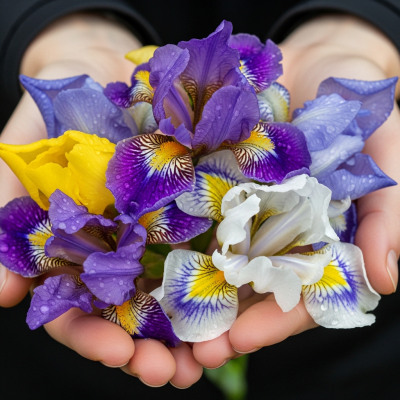
Irises are herbaceous perennials, typically growing from rhizomes, though some species are bulbous. Their leaves are linear, sword-shaped, and fan out gracefully from the base. The iconic iris flower features three outer sepals ("falls")—often adorned with intricate markings or a "beard" of hairs in certain varieties—and three upright inner petals ("standards"). Blooms range in height from 10 centimeters to over a meter, with a color palette spanning blue, purple, white, yellow, pink, orange, and striking combinations. The overall form is both architectural and delicate, making irises a focal point in any garden.
Irises thrive in well-drained soils and prefer full sun to partial shade, though some species are adapted to wetlands or tolerate drought. They are primarily grown for ornamental purposes, gracing gardens, landscapes, and floral arrangements with their vibrant flowers. Irises also play a role in ecological systems, attracting pollinators such as bees and butterflies. Certain species, like Iris germanica and Iris pallida, are cultivated for their fragrant rhizomes (orris root), used in perfumery and potpourri. Most irises are propagated by dividing rhizomes or bulbs, making them accessible to gardeners of all skill levels.
Bring this kind into your world illustrated posters, mugs, and shirts.
Archival print, museum-grade paper
Buy Poster
Stoneware mug, dishwasher safe
Buy Mug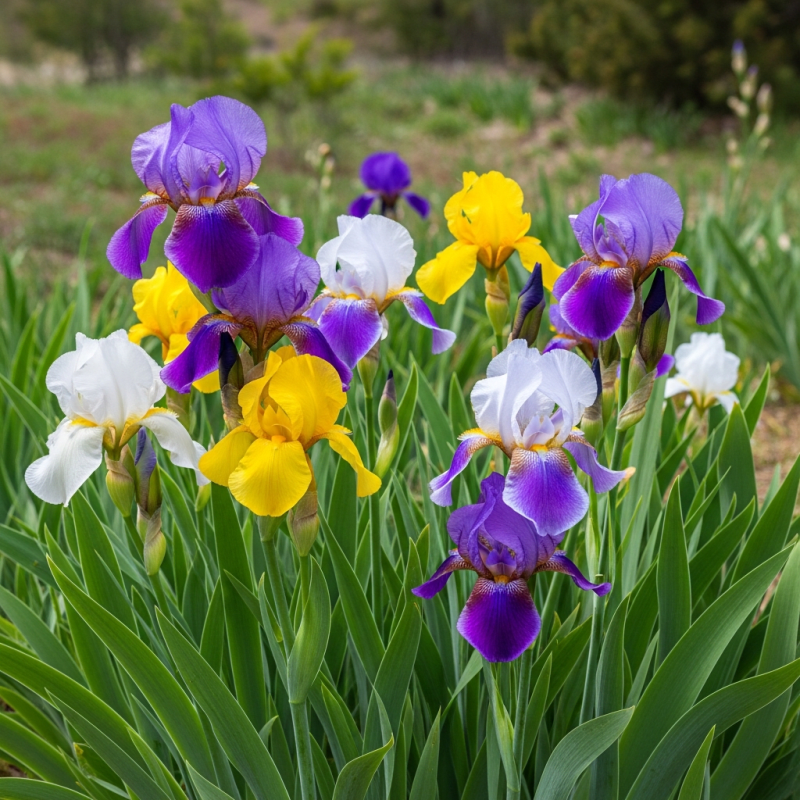
Soft cotton tee, unisex sizes
Buy ShirtThe iris holds profound cultural resonance across civilizations. It is immortalized as the emblematic fleur-de-lis of France, symbolizing royalty and purity. In Japanese culture, irises are celebrated in art and festivals for their beauty and protective qualities, while in ancient Egypt, they were revered as symbols of power and majesty. The genus's name itself—"Iris," meaning "rainbow"—reflects its association with diversity, hope, and transformation. Irises frequently appear in paintings, literature, and decorative motifs worldwide.
Irises enchant with a rainbow of colors: blue, purple, white, yellow, pink, orange, and myriad combinations. While many iris flowers are scentless, select species such as Iris germanica and Iris pallida offer a subtle, sweet fragrance—especially from their rhizomes, which yield orris root. The overall sensory experience is one of visual brilliance, occasionally complemented by gentle floral notes.
Irises flourish in well-drained soils and prefer full sun to partial shade. Planting is generally done in late summer to early fall. To propagate, divide rhizomes or bulbs after flowering. Regular removal of spent blooms and leaves helps prevent disease. While many irises are drought-tolerant, some—like Iris pseudacorus—thrive in moist or wetland conditions. Watch for pests such as iris borers and fungal leaf spot, and ensure good air circulation to minimize issues. With basic care, irises reward gardeners with reliable, spectacular blooms year after year.
The iris symbolizes hope, faith, wisdom, and valor. Its association with the rainbow evokes diversity and renewal. In heraldry, the fleur-de-lis—modeled after the iris—represents purity and royalty. Across cultures, irises are seen as messengers of good news and protection, making them popular choices for celebrations and commemorations.
Iris breeding has produced a dazzling array of cultivars, especially among bearded, Siberian, and Japanese irises. Selective hybridization has enhanced flower size, color diversity, and adaptability to various climates. While specific breeders and institutions vary by cultivar, the collective efforts of horticulturists have made irises a staple in gardens worldwide, with ongoing innovation in form and resilience.
Irises generally bloom from late spring to early summer, with exact timing dependent on species and local climate. Some varieties may flower earlier or later, but the peak display typically occurs as gardens transition from spring to summer.
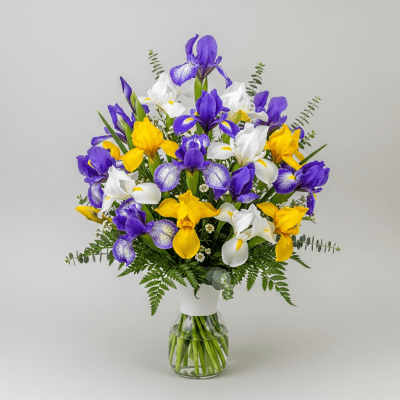
Irises are cherished as ornamental plants in gardens, landscapes, and floral arrangements. Select species provide orris root for perfumery and potpourri. While not used in cuisine due to toxicity, irises hold deep symbolic meaning in art, heraldry, and cultural rituals. Their adaptability and striking appearance make them favorites among gardeners, florists, and artists alike.