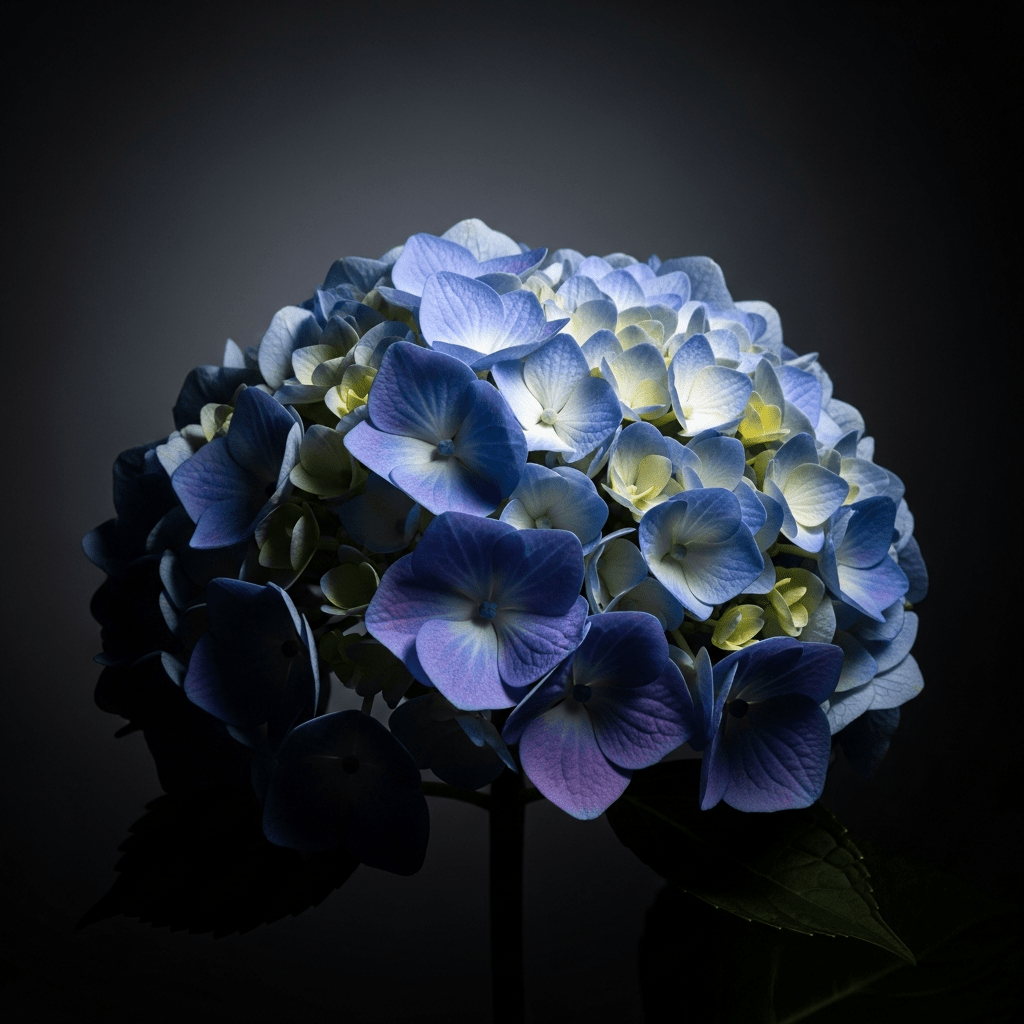
Hydrangea
Hydrangea is a genus of flowering plants celebrated for its large, vibrant blooms and remarkable ability to change flower color based on soil conditions, making it a favorite in ornamental horticulture worldwide.
Hydrangea is a genus of flowering plants celebrated for its large, vibrant blooms and remarkable ability to change flower color based on soil conditions, making it a favorite in ornamental horticulture worldwide.
First described by Carl Linnaeus in 1753, hydrangeas trace their origins to eastern Asia—especially China, Japan, and Korea—with a handful of species native to the Americas. The most widely cultivated species, Hydrangea macrophylla, hails from Japan, where centuries of breeding and selection have shaped its diversity. Modern hydrangea breeding has flourished globally, with notable contributions from the Royal Horticultural Society (UK), the United States National Arboretum, and Japanese breeders, resulting in a rich tapestry of cultivars suited to gardens everywhere.
Hydrangea belongs to the family Hydrangeaceae within the angiosperms, the vast group of flowering plants. The genus encompasses roughly 70–75 species, ranging from shrubs and small trees to climbing forms. Its scientific classification follows the binomial system (e.g., Hydrangea macrophylla), and the group is distinguished by its unique inflorescence types—mophead and lacecap—setting it apart from other ornamental shrubs.
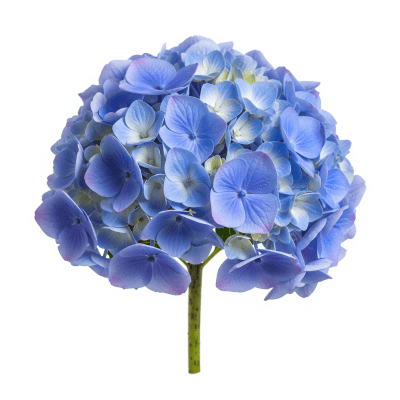
Hydrangeas are typically deciduous shrubs or small trees, standing 1–3 meters tall, with some climbing species reaching up to 15 meters. Their leaves are opposite, simple, and serrated, lending a lush backdrop to the showy flower clusters. The blooms themselves form either mophead (rounded, full clusters) or lacecap (flat, delicate arrangements) inflorescences, offering a spectrum of colors from white and pink to blue, purple, and green. The overall effect is one of abundant, eye-catching beauty—especially when massed in garden borders or containers.
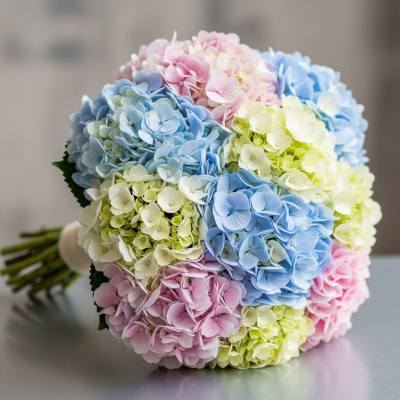
Hydrangeas are primarily grown for their ornamental value, gracing gardens, landscapes, and floral arrangements with their lush foliage and dramatic blooms. Their ability to shift flower color in response to soil pH invites gardeners to experiment and personalize their displays. Hydrangeas also feature in wedding bouquets and as dried flowers, while Hydrangea serrata leaves are used in Japan to make amacha tea for ceremonial purposes. Most species, however, are toxic if ingested, restricting their culinary uses.
Bring this kind into your world illustrated posters, mugs, and shirts.
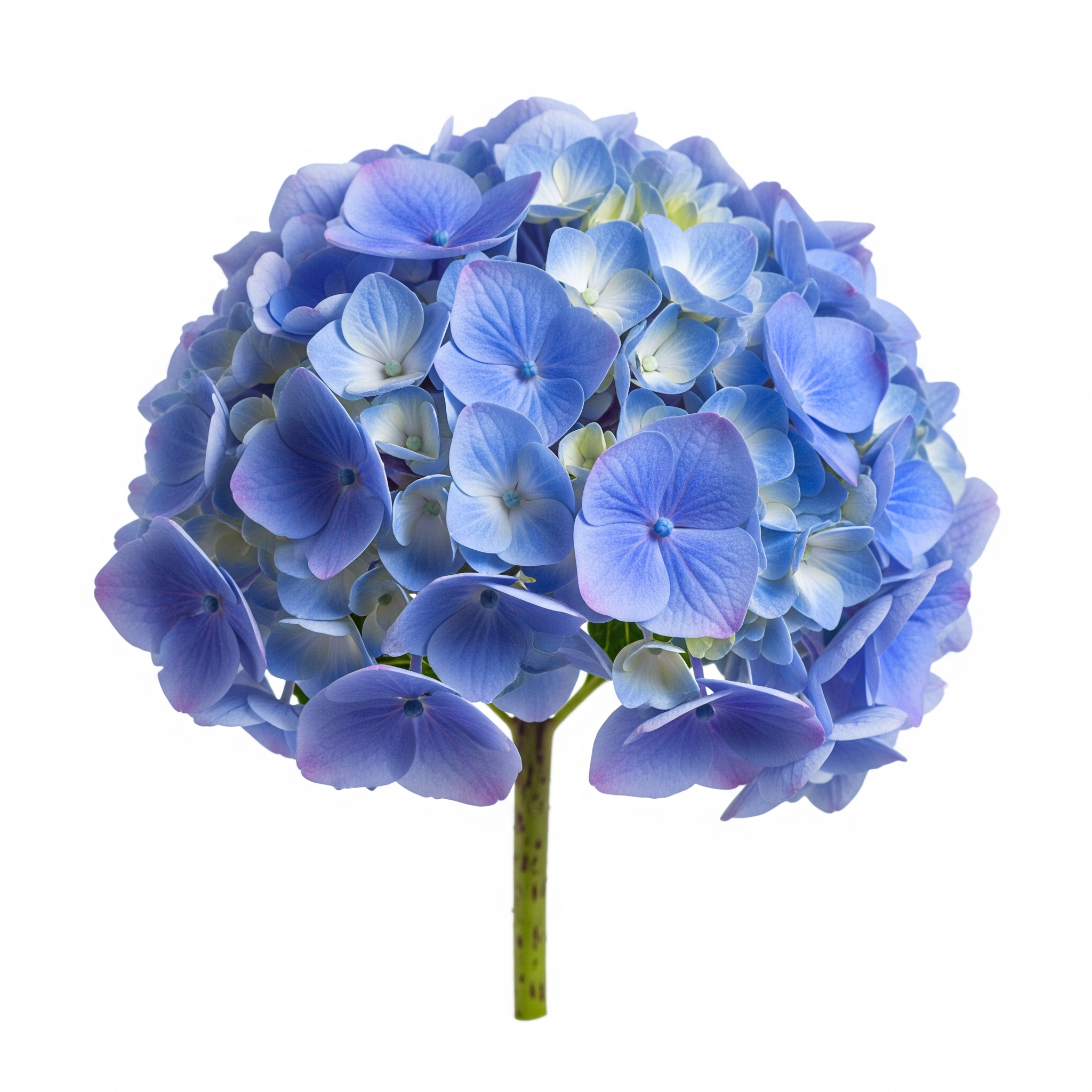
Archival print, museum-grade paper
Buy Poster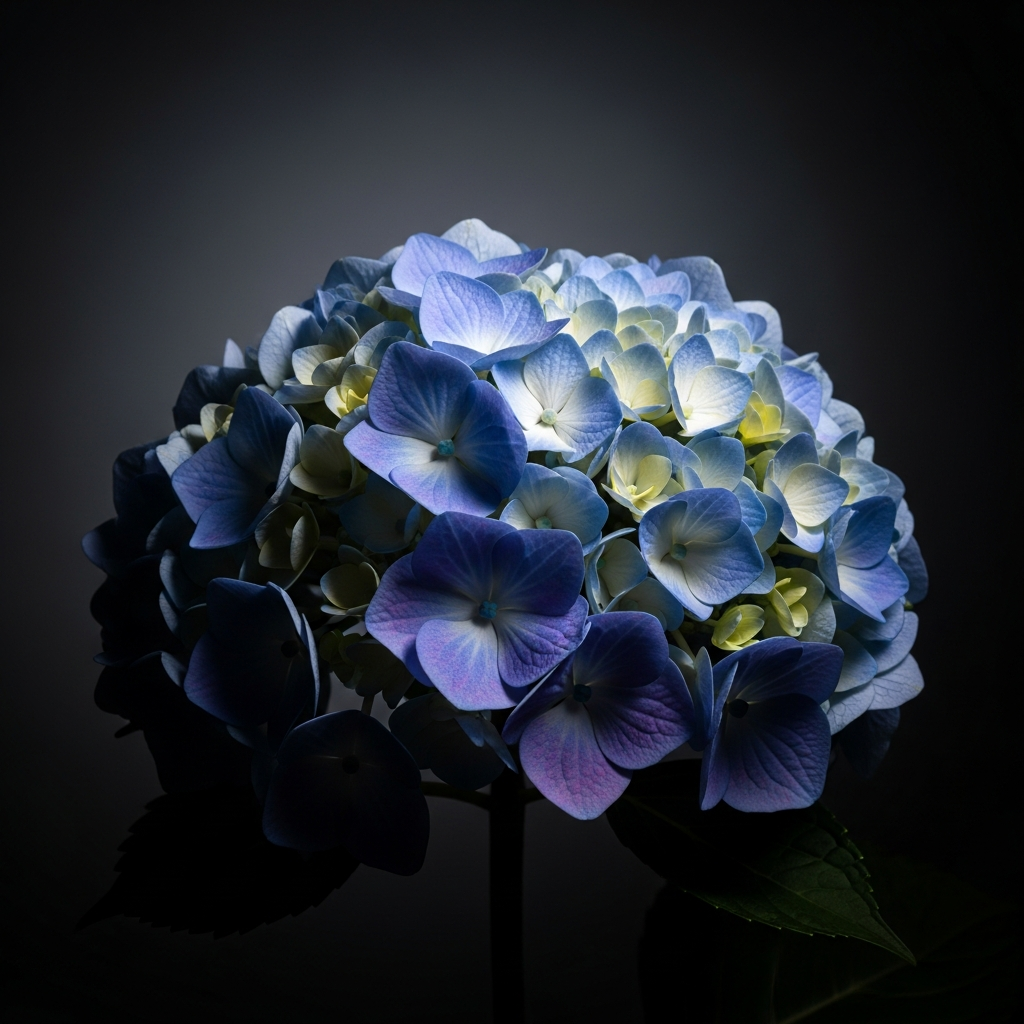
Stoneware mug, dishwasher safe
Buy Mug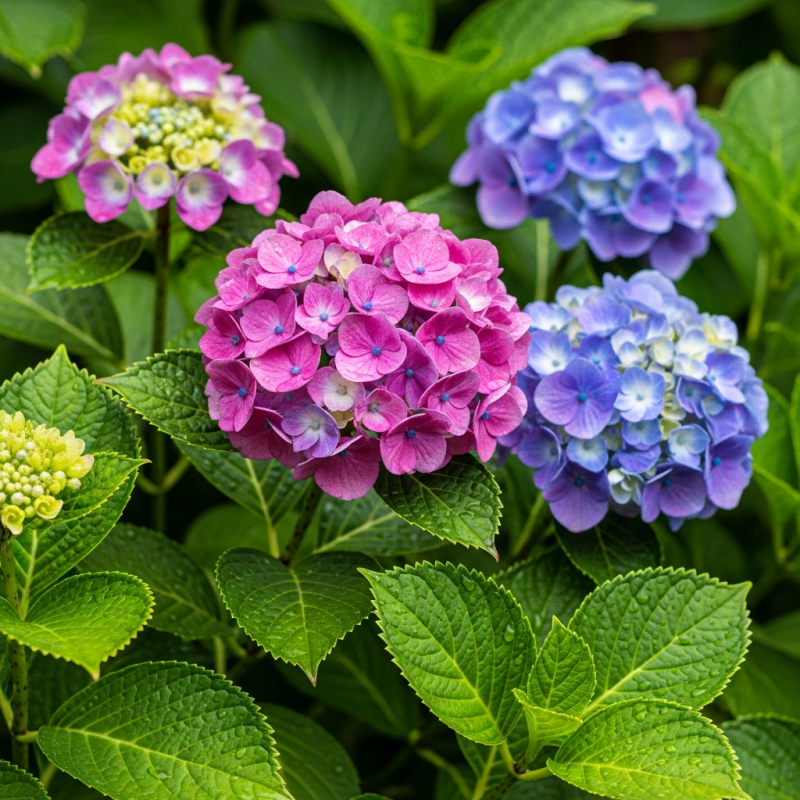
Soft cotton tee, unisex sizes
Buy ShirtHydrangeas hold a special place in cultural traditions worldwide. In Japan, they symbolize gratitude and apology, often featured in art and seasonal festivals. Western cultures associate hydrangeas with abundance, heartfelt emotion, and sometimes vanity, making them popular choices for celebrations and commemorations. The flower's transformative color and lush form have inspired artists, poets, and gardeners for generations, cementing its status as a symbol of beauty and change.
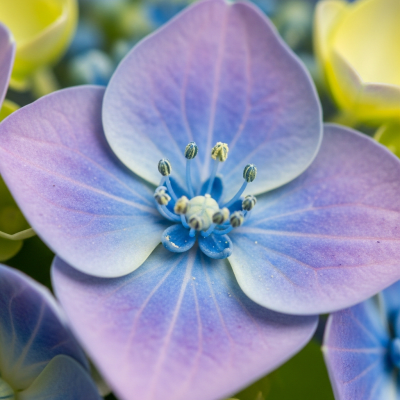
Hydrangea blooms are celebrated for their wide color palette, including white, pink, blue, purple, and green. The most striking feature is their ability to shift between blue and pink hues depending on soil acidity. While hydrangeas are visually stunning, most varieties are not notably fragrant, focusing their appeal on bold color and form rather than scent.
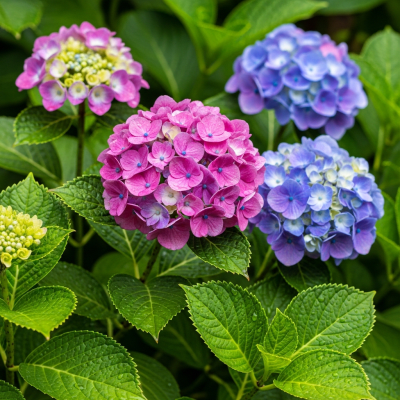
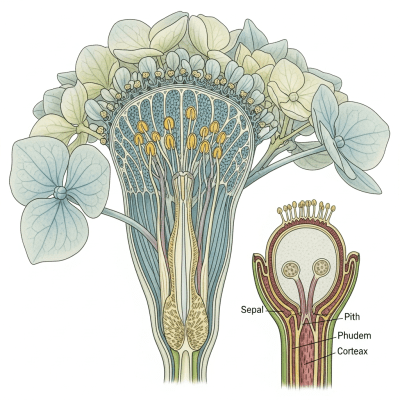
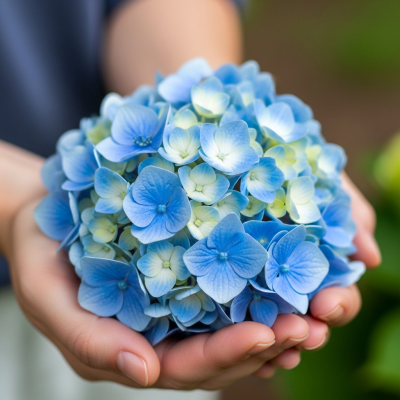
Hydrangeas thrive in moist, well-drained soils and prefer partial shade, though some species tolerate full sun. Regular watering is essential, especially during dry spells. Flower color in certain species, such as Hydrangea macrophylla, can be influenced by amending soil pH. Propagation is commonly done via cuttings, division, or seed. Hydrangeas are moderately frost-hardy (USDA zones 3–9), but may require protection from severe cold. Pruning after flowering helps maintain shape and encourages vigorous blooms. Watch for powdery mildew, leaf spot, and root rot, and ensure good air circulation to minimize disease risk.
Hydrangeas carry rich symbolic meanings across cultures. In Japan, they express gratitude and apology, often presented as tokens of heartfelt emotion. In Western traditions, hydrangeas can represent abundance, vanity, or deep feelings, making them popular for both joyous and reflective occasions. Their ability to change color has also come to symbolize transformation and adaptability.
Hydrangea breeding has produced a remarkable array of cultivars and hybrids, driven by horticultural institutions and passionate breeders worldwide. The Royal Horticultural Society, United States National Arboretum, and Japanese breeders have introduced many beloved varieties. Innovations include repeat-blooming types like 'Endless Summer' and selections with improved cold hardiness, disease resistance, and unique flower forms. Hybridization continues to expand the palette of colors and growth habits available to gardeners.
Hydrangeas typically bloom from late spring through summer, with some varieties extending into early autumn. Cut flowers are available during these months, and certain cultivars, such as 'Endless Summer', may offer repeat blooming throughout the growing season.
Hydrangeas are prized as ornamental plants in gardens, landscapes, and floral arrangements. Their dramatic blooms make them favorites for wedding bouquets and event décor. While Hydrangea serrata leaves are used in Japan to produce ceremonial amacha tea, most hydrangea species are toxic and not suitable for culinary use. Hydrangeas have no significant medicinal or perfumery applications but are deeply valued for their symbolic and aesthetic contributions.