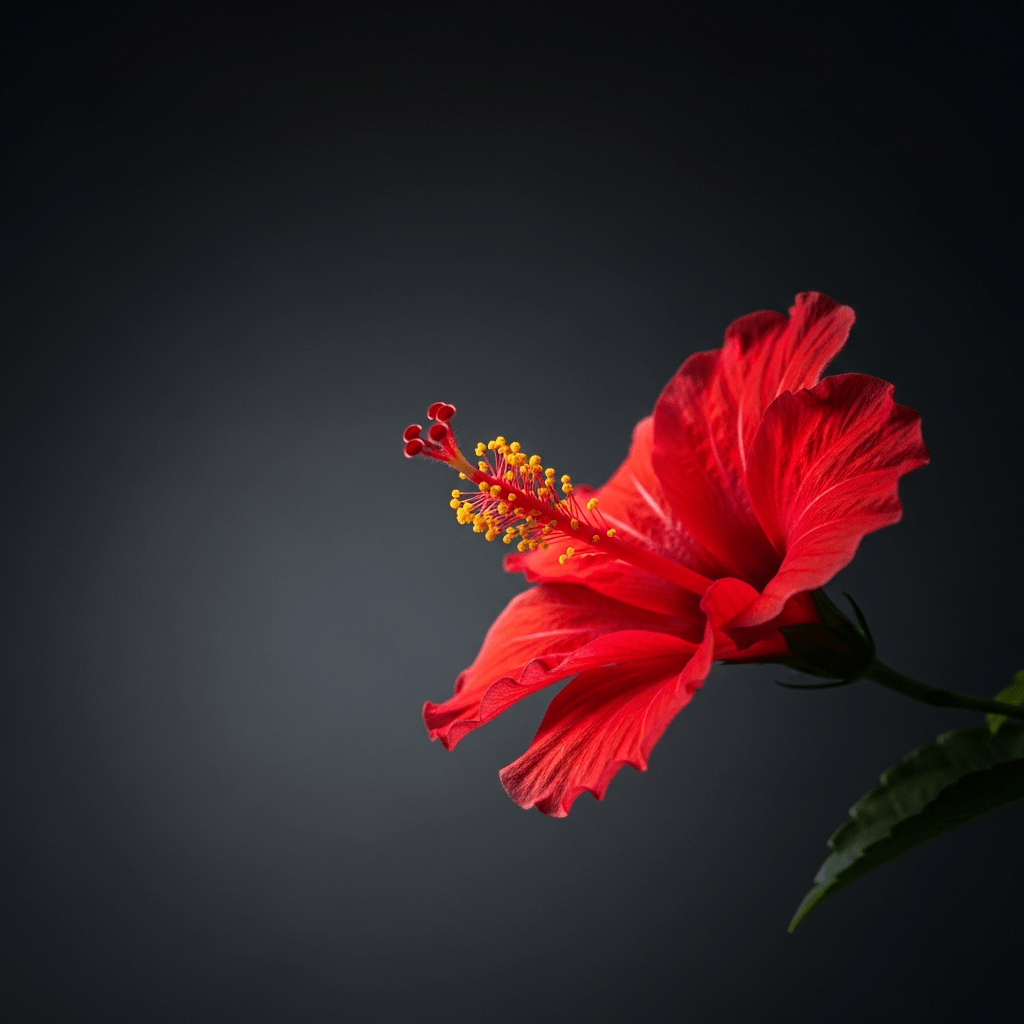
Hibiscus
Hibiscus is a vibrant genus of flowering plants renowned for its large, colorful blooms and wide-ranging ornamental, culinary, and cultural significance.
Hibiscus is a vibrant genus of flowering plants renowned for its large, colorful blooms and wide-ranging ornamental, culinary, and cultural significance.
Formally described by Carl Linnaeus in 1753, hibiscus traces its roots to tropical Asia (notably Hibiscus rosa-sinensis), East Asia (Hibiscus syriacus), and West Africa (Hibiscus sabdariffa). The precise wild origins of some species are obscured by centuries of cultivation and hybridization, resulting in a rich tapestry of varieties grown worldwide. Horticulturists across continents have contributed to its diversity, but much of hibiscus’s breeding history is informal and undocumented, reflecting its deep integration into local traditions and gardens.
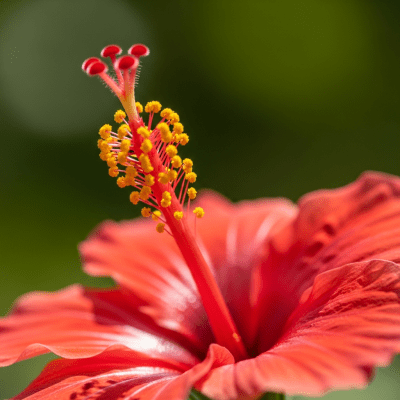
Hibiscus belongs to the mallow family, Malvaceae, and comprises over 200 species. It is categorized under the genus Hibiscus, which is distinguished by its showy flowers and prominent staminal column. This genus is part of the larger angiosperm group, representing the flowering plants that dominate much of the world’s flora.
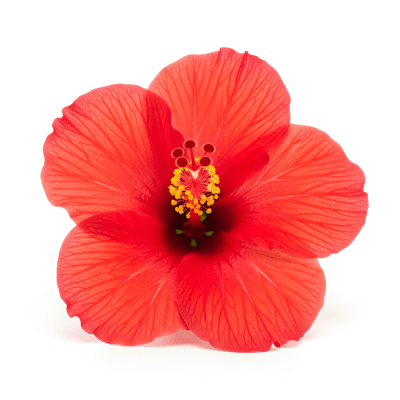
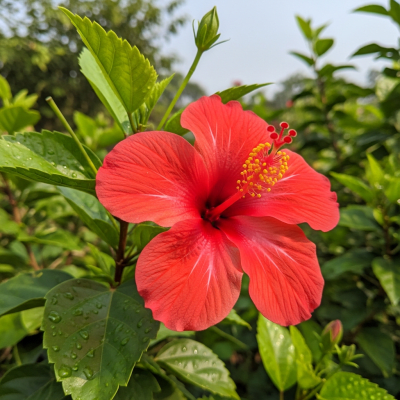
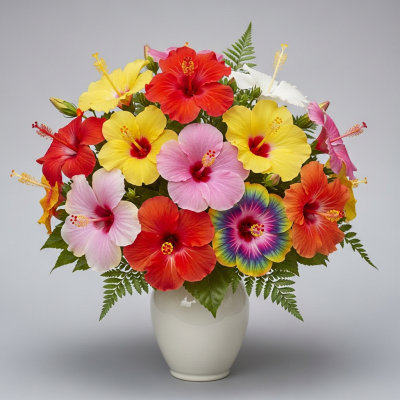
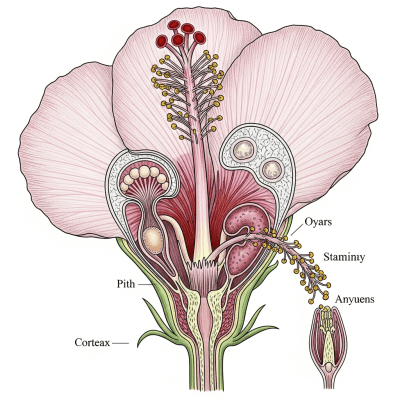
Hibiscus plants generally take the form of shrubs or small trees, though some species are herbaceous perennials or annuals. Their leaves are alternate, ovate to lanceolate, and often toothed or lobed. The flowers are unmistakably large—ranging from 5 to 20 centimeters in diameter—with five or more petals and a striking central staminal column. The color palette is broad, featuring vivid reds, pinks, oranges, yellows, whites, and purples, making hibiscus a showstopper in any landscape.
Hibiscus is cultivated globally for its ornamental value, thriving in gardens, landscapes, and as potted plants. Certain species, such as Hibiscus sabdariffa, are harvested for their calyces, which are used in teas, jams, and culinary preparations. The genus also holds medicinal significance in traditional remedies and is a popular choice for symbolic and decorative purposes in cultural ceremonies and adornments.
Bring this kind into your world illustrated posters, mugs, and shirts.
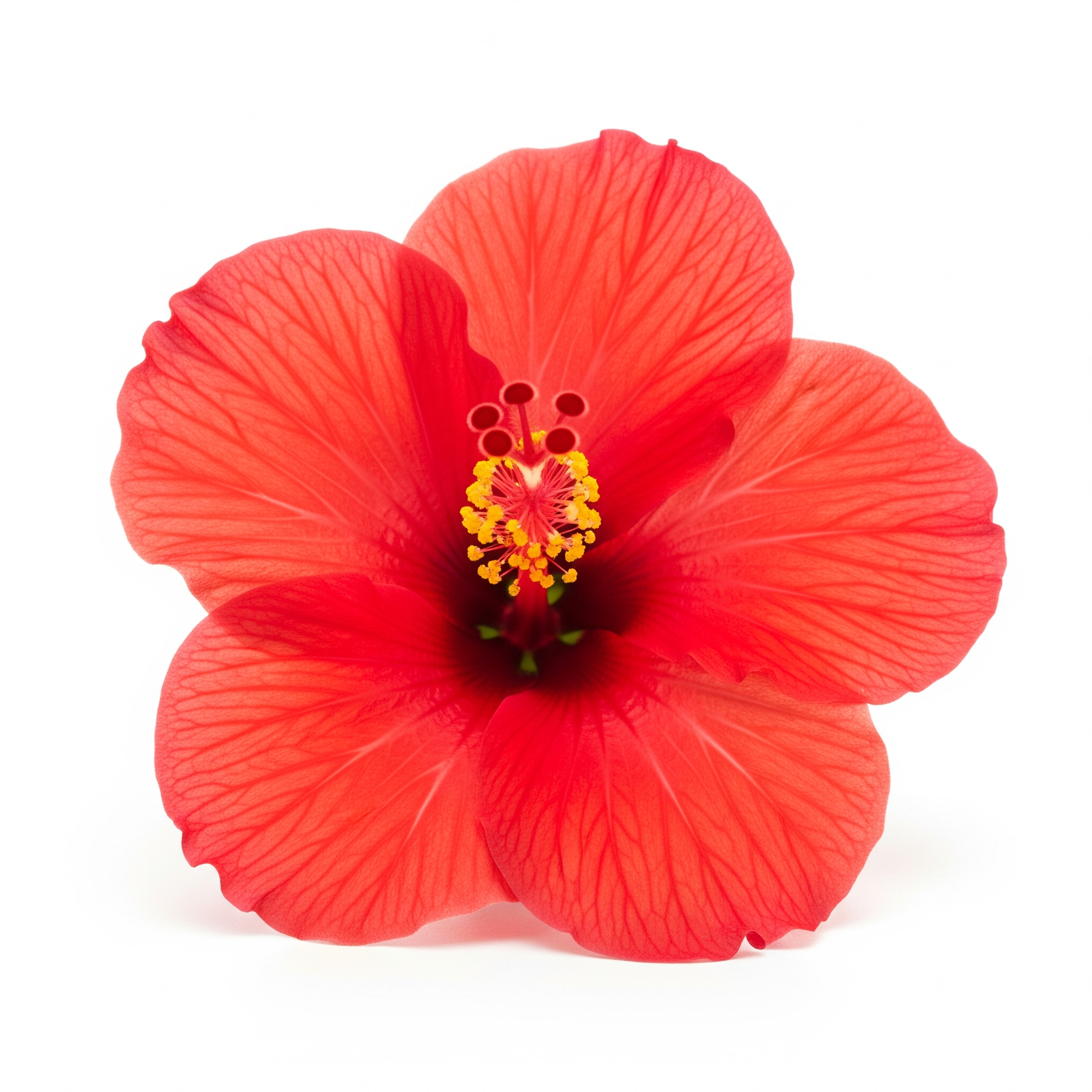
Archival print, museum-grade paper
Buy Poster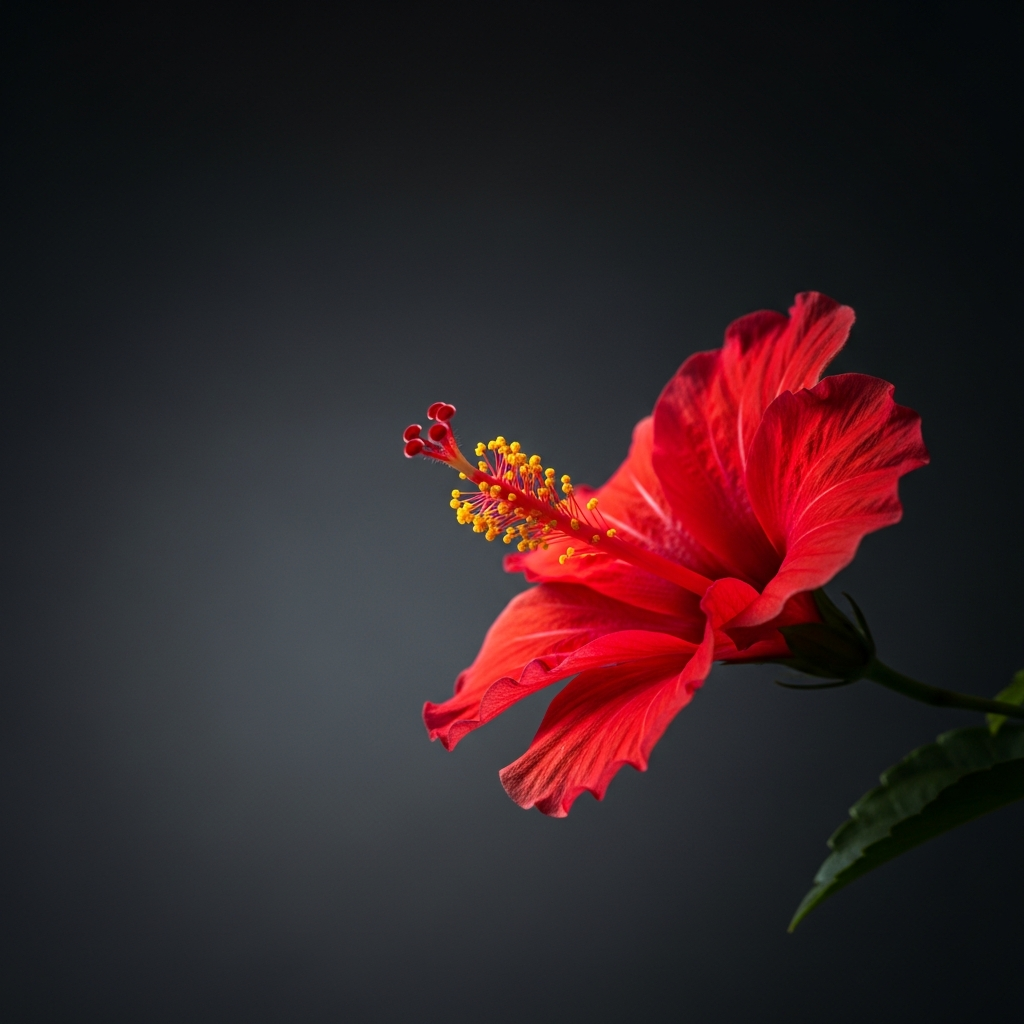
Stoneware mug, dishwasher safe
Buy Mug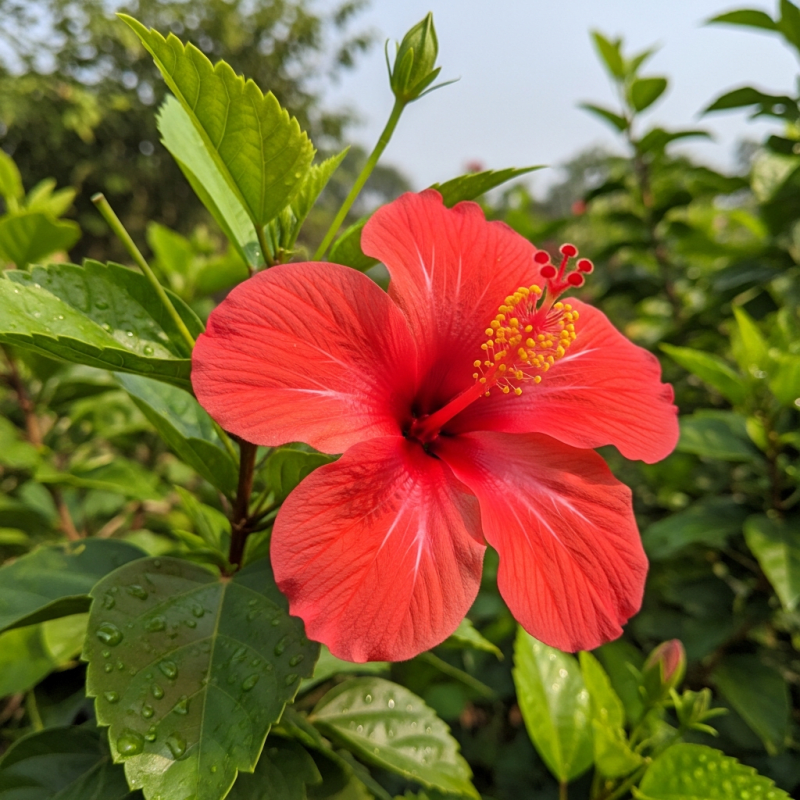
Soft cotton tee, unisex sizes
Buy ShirtHibiscus flowers are deeply woven into the fabric of many cultures. They serve as national symbols in Malaysia (H. rosa-sinensis) and South Korea (H. syriacus), and are iconic in Hawaiian leis and hair decorations. The flower’s presence in art, folklore, and rituals spans continents, often representing beauty, femininity, and hospitality. Regional names like “Gudhal” (Hindi), “Karkade” (Arabic), and “Flor de Jamaica” (Spanish) reflect its global reach and local importance.
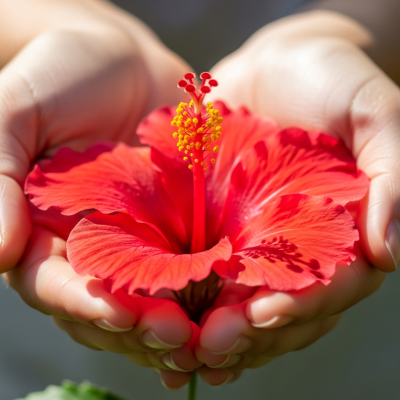
Hibiscus flowers are celebrated for their vivid colors, including red, pink, orange, yellow, white, and purple. While most hibiscus varieties are not notably fragrant, their visual impact is striking, with bold hues and delicate petal textures that enliven gardens and bouquets.
Hibiscus thrives in well-drained soils and full sun, requiring moderate watering. Most species prefer warm, humid climates but can adapt to temperate zones, where they may become deciduous. Propagation is commonly done by seed or cuttings. Regular pruning encourages bushier growth and more abundant flowering. Protection from pests such as aphids and whiteflies, as well as prompt treatment of fungal leaf spots, helps maintain plant health. Hibiscus sabdariffa calyces should be hand-picked and dried for culinary use.
Hibiscus symbolizes beauty, femininity, and delicate charm in many cultures. In Malaysia and South Korea, it is a national emblem, representing unity and resilience. In the Pacific islands, hibiscus flowers are associated with hospitality and celebration, often worn in leis or as hair adornments. The flower’s ephemeral nature also conveys themes of transience and living in the moment.
Hibiscus has a rich history of informal selection and hybridization, resulting in thousands of cultivars with diverse flower forms and colors. Breeding programs in the United States, Australia, and Asia have expanded the genus’s ornamental appeal, though specific breeder records are scarce due to the longstanding tradition of informal development. Modern hybrids often feature enhanced color intensity, petal shapes, and improved climate adaptability.
Hibiscus typically blooms from late spring through autumn in temperate regions, and year-round in tropical climates. Peak flowering often coincides with warm, sunny weather, making it a staple of summer gardens and landscapes.
Hibiscus is prized as an ornamental plant in gardens and landscapes, and its flowers are popular in the cut flower market. The calyces of Hibiscus sabdariffa are used in teas, jams, and culinary preparations across many cultures. Medicinally, hibiscus extracts feature in traditional remedies for blood pressure and antioxidant support. Symbolically, hibiscus flowers adorn ceremonies, serve as national emblems, and decorate leis and hair in festive occasions.