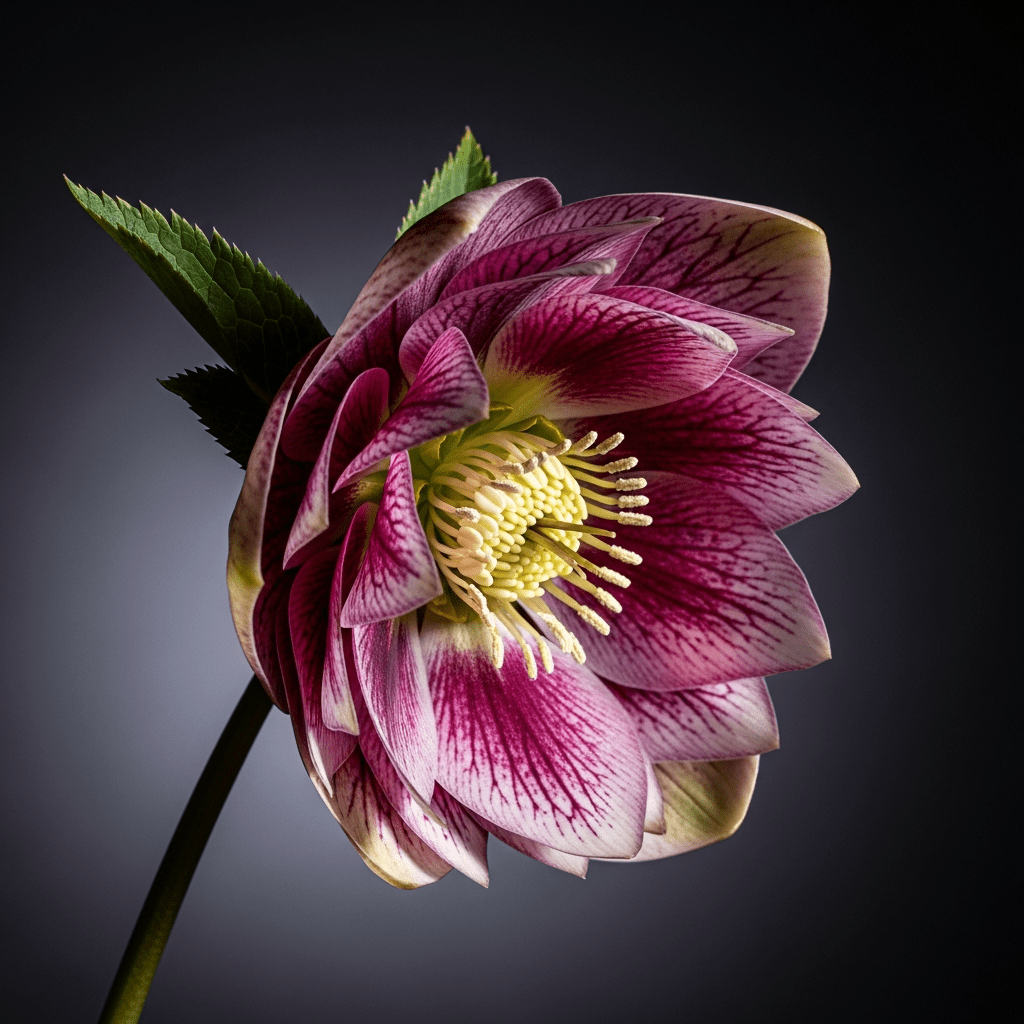
Hellebore
Hellebore is a shade-loving perennial flower prized for its early blooms in late winter and spring, bringing color to gardens when few other plants are in flower.
Hellebore is a shade-loving perennial flower prized for its early blooms in late winter and spring, bringing color to gardens when few other plants are in flower.
First described by Carl Linnaeus in 1753, hellebores are native to Europe and western Asia, with a particular abundance in the Balkans. Over centuries, horticulturists in the United Kingdom, Germany, and Japan have developed numerous hybrids and cultivars, especially since the late 19th century. Wild species and cultivated varieties alike have found their way into gardens worldwide, celebrated for their resilience and beauty during the coldest months.
Hellebores belong to the genus Helleborus within the Ranunculaceae family, a group known for its diverse and often ornamental flowering plants. This genus encompasses several species and hybrids, with horticultural selections commonly marketed under names like "Christmas rose" and "Lenten rose." Their classification is rooted in biological taxonomy, but commercial and cultural naming conventions also play a significant role in how hellebores are grouped and appreciated.
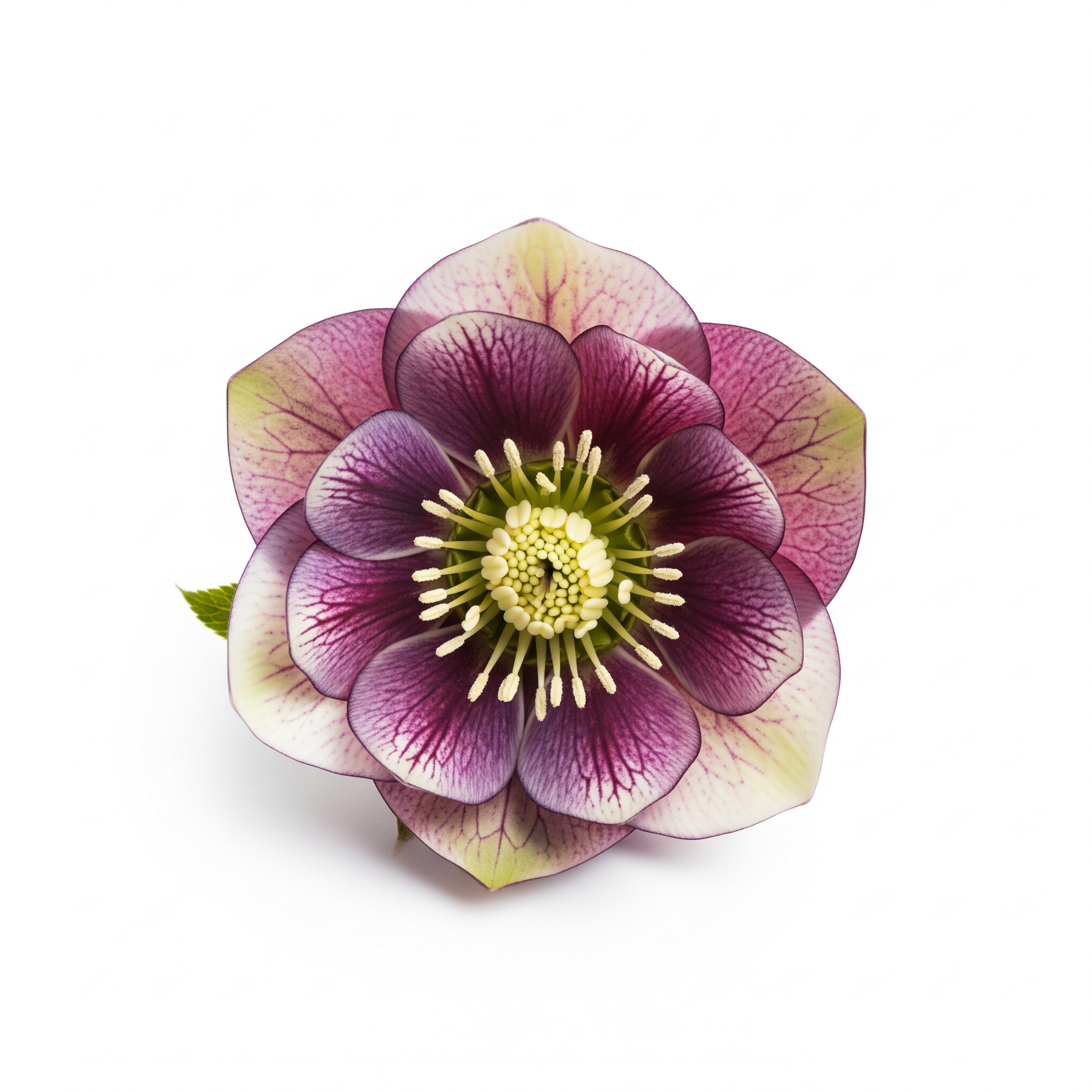
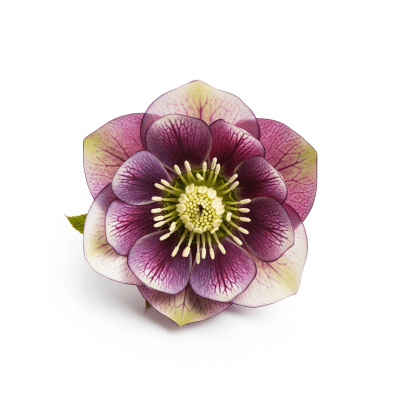
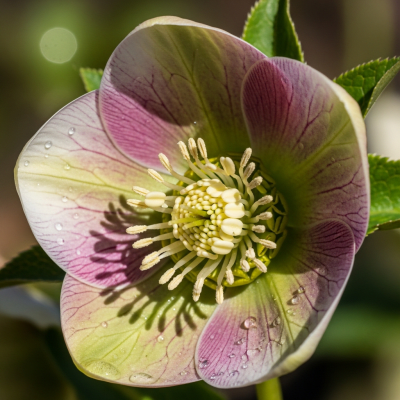
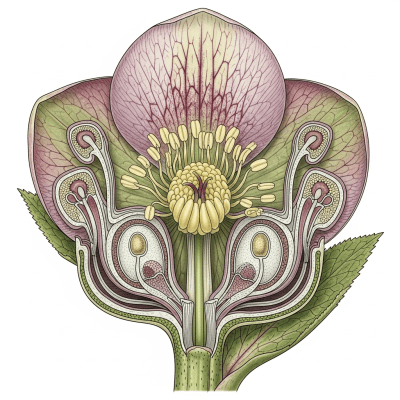
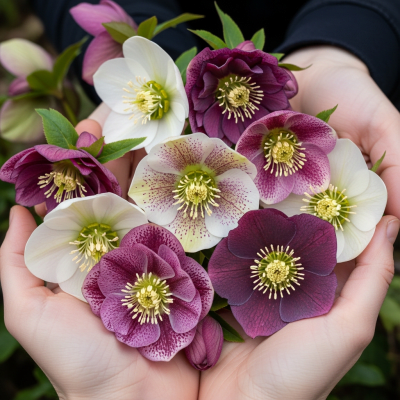
Hellebores are compact, herbaceous or evergreen perennials, typically reaching 30–60 cm in height. Their leaves are leathery, palmate, and dark green—sometimes marbled or mottled—providing a lush backdrop for their nodding, cup-shaped flowers. Each bloom spans 5–8 cm across, with five petal-like sepals in shades ranging from white and green to pink, purple, and nearly black. Many cultivars feature speckled or picotee edges, adding visual intrigue. The flowers often appear to bow gracefully, lending a subtle elegance to winter and early spring gardens.
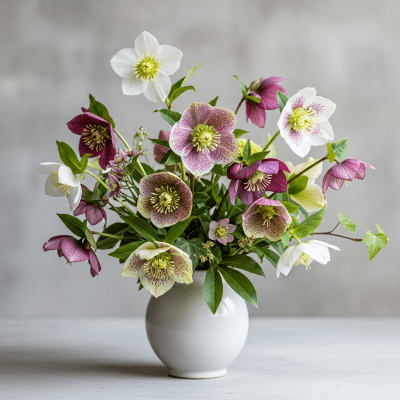
Hellebores thrive in shaded or woodland garden settings, where they serve as reliable ground cover and provide early-season interest. Their resilience to cold and shade makes them ideal for borders and underplanting beneath deciduous trees. While they are sometimes used as cut flowers, their vase life is limited. All parts of the plant are toxic if ingested, so hellebores are not suitable for culinary use or for gardens frequented by pets or children. Their long-lived nature allows them to form attractive clumps over time, rewarding patient gardeners with ever-expanding displays.
Bring this kind into your world illustrated posters, mugs, and shirts.
Archival print, museum-grade paper
Buy Poster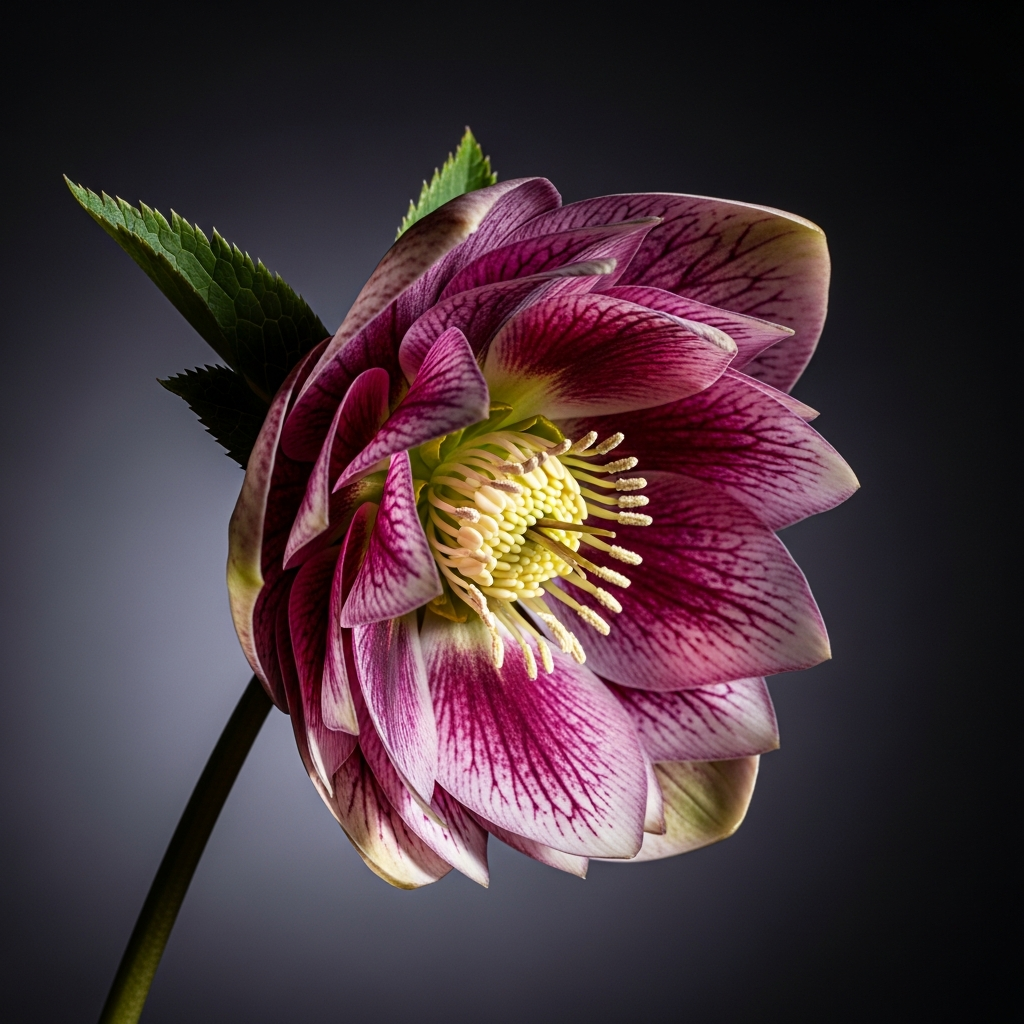
Stoneware mug, dishwasher safe
Buy Mug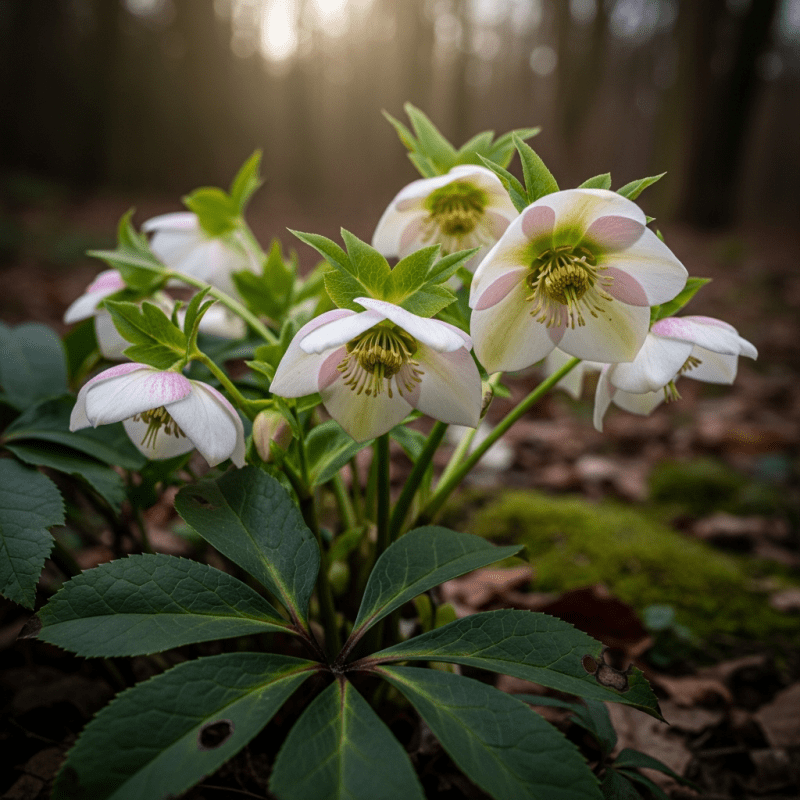
Soft cotton tee, unisex sizes
Buy ShirtHellebores hold a special place in garden culture and folklore. Known as the "Christmas rose" (H. niger) and "Lenten rose" (H. × hybridus), they are associated with serenity, rebirth, and the promise of spring. Their ability to bloom in the depths of winter has inspired myths and traditions, particularly in European cultures, where they symbolize hope and endurance. In art and literature, hellebores often represent quiet beauty and resilience.
Hellebore flowers display a sophisticated palette, ranging from pure white and soft green to delicate pinks, deep purples, and nearly black hues. Many cultivars feature speckled or edged petals for added visual appeal. Most hellebores are not notably fragrant, though some species, like H. foetidus, emit a distinctive scent that is more earthy than floral.
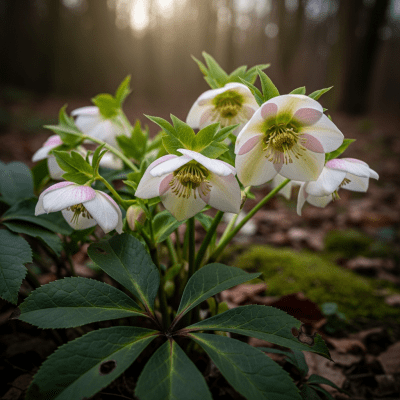
To cultivate hellebores successfully, plant them in moist, well-drained soil rich in organic matter. They prefer shaded or partially shaded locations and benefit from protection against harsh afternoon sun. Once established, hellebores are low-maintenance and drought-tolerant, requiring only occasional watering during dry spells. Mulching helps retain soil moisture and suppress weeds. Remove old or damaged leaves in late winter to showcase new growth and blooms. Hellebores are generally resistant to deer and rabbits but may be affected by black spot and aphids, which can be managed by removing affected foliage and encouraging good air circulation.
Hellebores are rich in symbolism, often representing serenity, rebirth, and the quiet strength to endure adversity. Their common names—"Christmas rose" and "Lenten rose"—reflect their association with renewal and the turning of the seasons. In various cultures, they are seen as harbingers of hope, blooming when little else survives the cold.
Hellebore breeding has flourished since the late 19th century, with significant contributions from horticulturists in the UK, Germany, and Japan. The most prominent hybrid group is Helleborus × hybridus, resulting from crosses among several species, particularly H. orientalis and its relatives. Modern breeding focuses on expanding the color palette, enhancing flower form, and improving disease resistance. Many cultivars are selected for unique petal markings and robust garden performance, though specific breeder details are often unavailable.
Hellebores typically bloom from January to April in temperate climates, making them one of the earliest flowers to appear in the garden year after year.
Hellebores are primarily grown as ornamental plants, valued for their early-season blooms and shade tolerance. They are ideal for borders, woodland gardens, and as ground cover. While occasionally used in floristry as cut flowers, their vase life is short. Historically, some species were used in traditional medicine, but such applications are now discouraged due to their toxicity. Symbolically, hellebores are linked to themes of serenity and renewal, making them a meaningful addition to winter and spring landscapes.