
Heliconia
Heliconia is a genus of tropical flowering plants celebrated for its bold, architectural inflorescences and lush, banana-like foliage, making it an icon of exotic gardens and landscapes.
Heliconia is a genus of tropical flowering plants celebrated for its bold, architectural inflorescences and lush, banana-like foliage, making it an icon of exotic gardens and landscapes.
Heliconia traces its roots to the humid rainforests of the Neotropics—Central and South America, the Caribbean, and select Pacific islands such as Fiji and Samoa. First formally described by Carl Linnaeus in 1783, Heliconia evolved naturally in these regions, thriving in rich, moist soils and warm climates. Its wild, untamed lineage means no single breeder or institution is credited with its origin, though centuries of horticultural selection have produced a dazzling array of cultivars for gardens worldwide.
Heliconia belongs to the family Heliconiaceae, within the order Zingiberales, and is closely related to bananas and gingers. The genus comprises approximately 194 species, each distinguished by unique inflorescence forms and ecological adaptations. In botanical nomenclature, Heliconia is referenced by its genus name, with popular species such as Heliconia rostrata and Heliconia psittacorum widely cultivated and recognized.
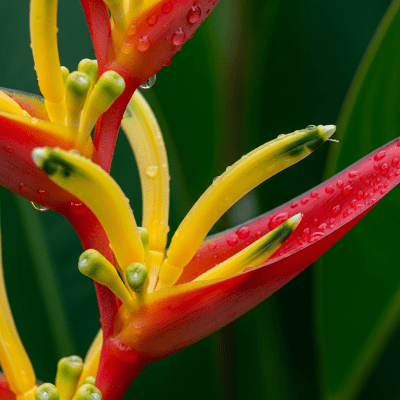
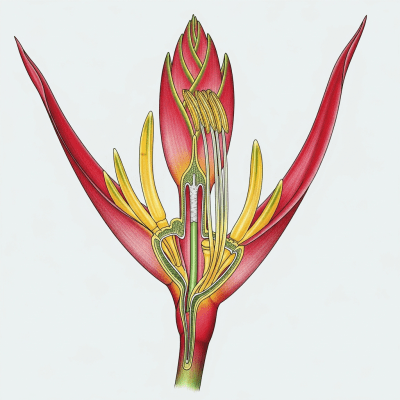
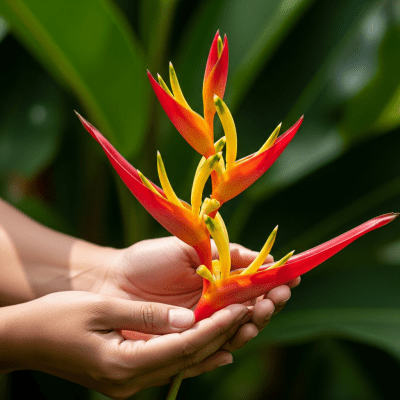
Heliconia plants are perennial, clumping herbs with robust, rhizomatous roots. Their large, paddle-shaped leaves evoke the look of banana plants, while the true spectacle lies in their inflorescences: vibrant bracts in shades of red, orange, yellow, or pink, often dramatically shaped like lobster claws or parrot beaks. These bracts conceal small, tubular flowers, creating a striking visual contrast against the lush green foliage. Depending on the species, Heliconia can range from half a meter to over six meters in height, forming bold vertical accents in tropical landscapes.
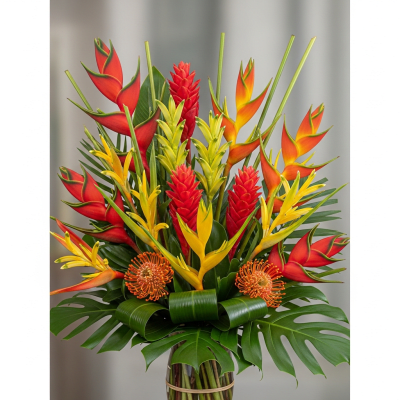
Heliconia’s ecological role is closely tied to hummingbird pollination, with many species forming specialized relationships with their avian partners. In human contexts, Heliconia is prized for its ornamental value—used extensively in tropical landscaping and as a dramatic cut flower in floral arrangements. The plant’s leaves are sometimes used by indigenous cultures to wrap food, but its bracts and flowers are not edible. Heliconia’s resilience and year-round blooming in equatorial climates make it a favorite for public gardens, resorts, and private collectors seeking a touch of the tropics.
Bring this kind into your world illustrated posters, mugs, and shirts.
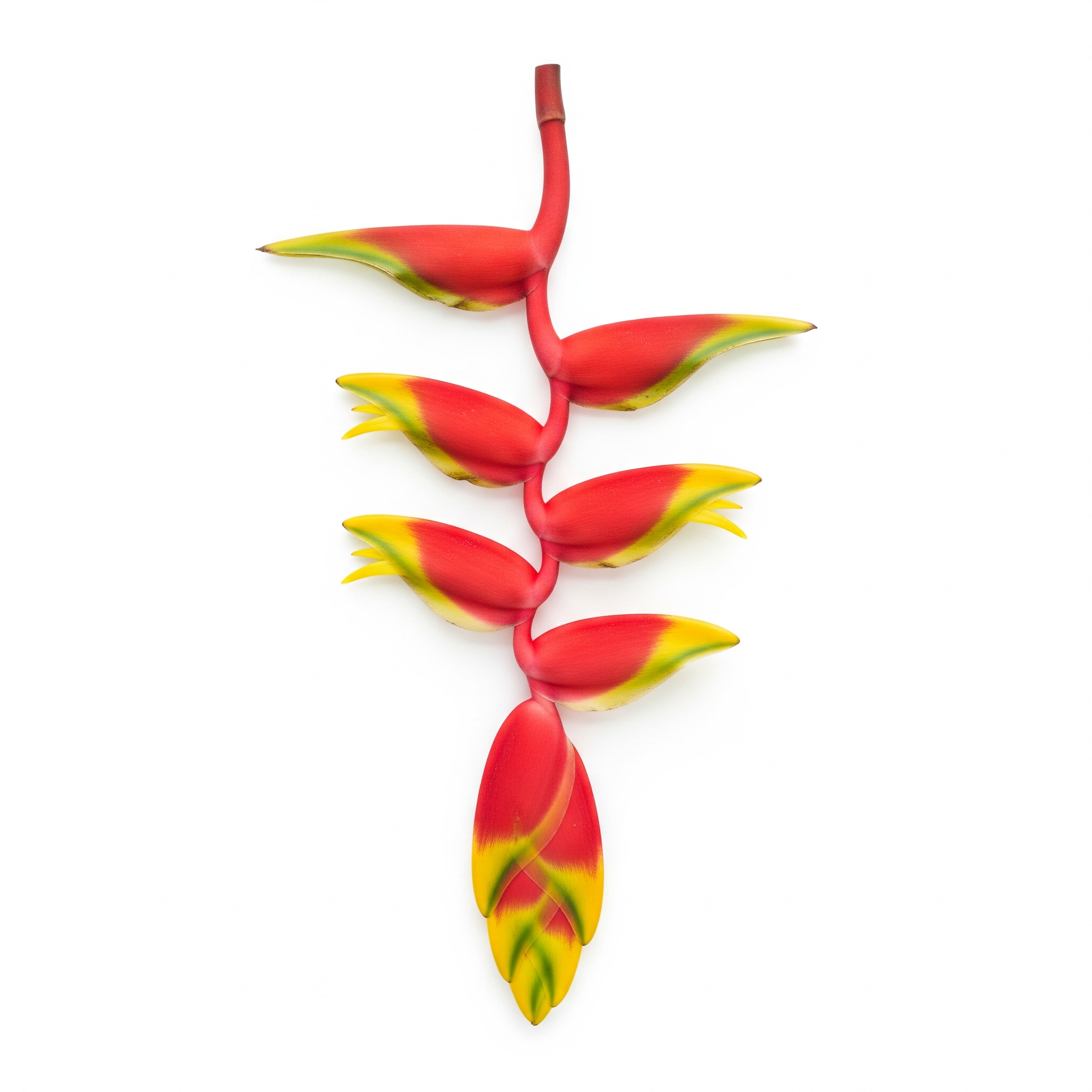
Archival print, museum-grade paper
Buy Poster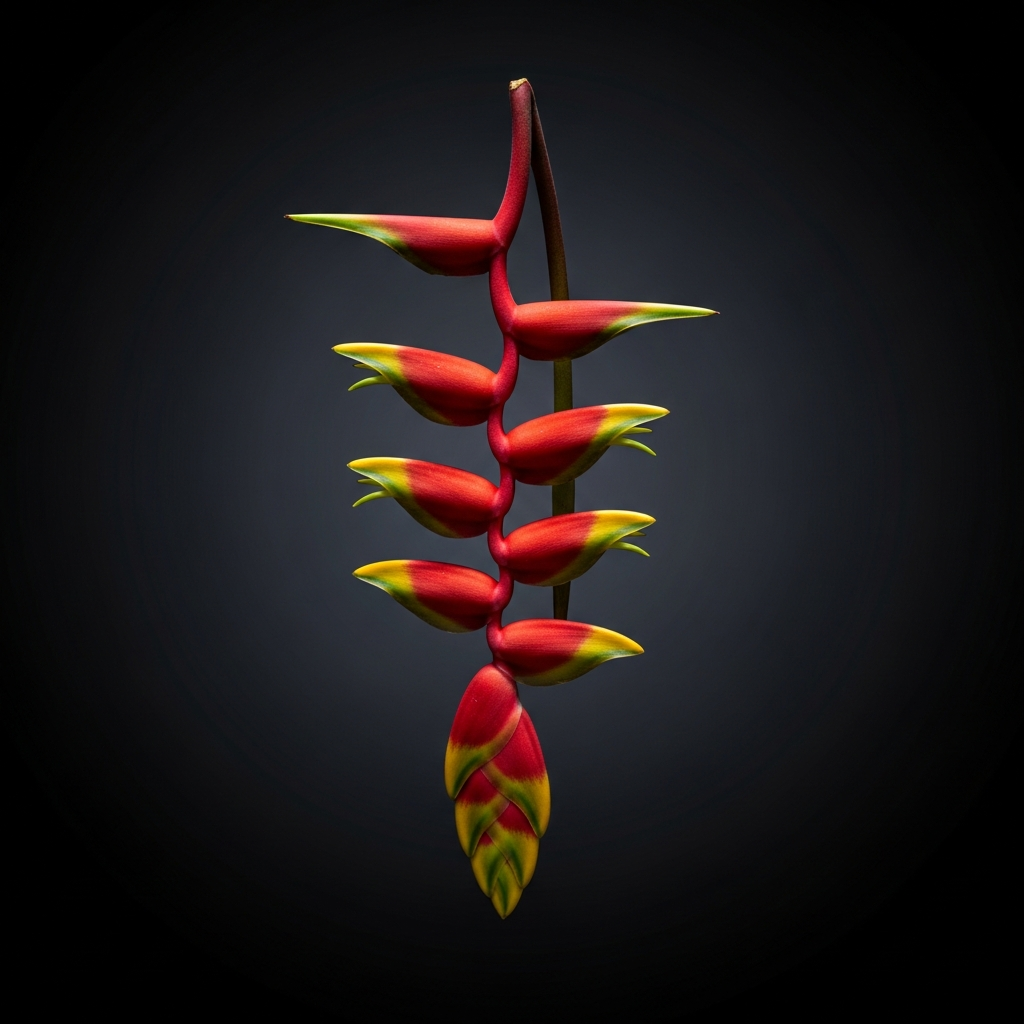
Stoneware mug, dishwasher safe
Buy Mug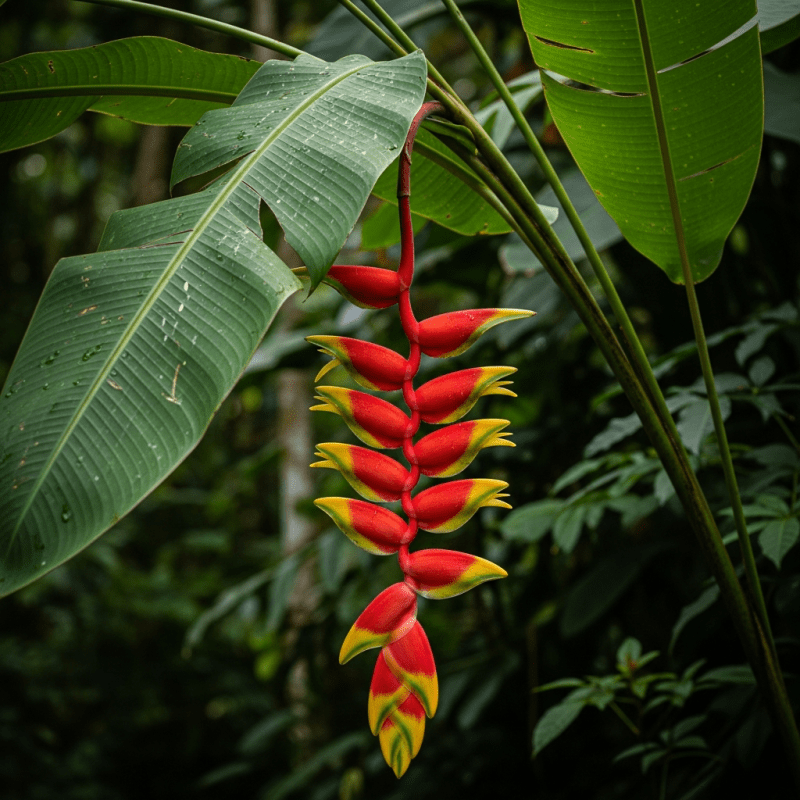
Soft cotton tee, unisex sizes
Buy ShirtHeliconia has become a symbol of tropical beauty and exoticism, frequently featured in art, design, and decorative motifs. Its bold forms and vivid colors evoke the lushness of rainforests and the vibrancy of island life. In some regions, Heliconia is woven into traditional celebrations and garden aesthetics, while its likeness appears in textiles, paintings, and architectural accents that seek to capture the spirit of the tropics.
Heliconia is renowned for its bold color palette, with bracts in vivid reds, oranges, yellows, and pinks. The flowers themselves are usually small and inconspicuous, tucked within the bracts. Unlike many tropical flowers, Heliconia is not notable for fragrance; its allure lies in its visual drama rather than scent.

Heliconia thrives in moist, well-drained soils and prefers partial to full sunlight, with high humidity and warm temperatures (USDA zones 10–13). It is best planted in spring to autumn in subtropical regions, and year-round in equatorial climates. Propagation is most successful by rhizome division, though seeds may also be used. Regular watering, protection from cold, and good drainage are essential. While generally resistant to pests and diseases, Heliconia can suffer from fungal leaf spots and root rot if overwatered or planted in poorly drained soils.
Heliconia symbolizes tropical beauty, vibrancy, and exotic allure. Its bold forms and colors are often used to evoke paradise, adventure, and the richness of nature in art and design. In garden symbolism, Heliconia represents abundance and the celebration of life’s vivid moments.
While Heliconia is wild and naturally distributed, horticulturalists have developed numerous cultivars and hybrids to enhance color, form, and adaptability. Ongoing taxonomic revisions and frequent hybridization make lineage tracking challenging, but the diversity of cultivated Heliconia reflects centuries of selection for ornamental traits. No single breeder or institution is credited, as much of the hybridization occurs in gardens and nurseries worldwide.
Heliconia blooms year-round in equatorial regions, providing continuous color and habitat. In subtropical climates, flowering is most prolific from spring through autumn.
Heliconia is valued primarily as an ornamental plant in tropical landscaping and as a dramatic cut flower in the global floriculture market. Its leaves are occasionally used for wrapping food by indigenous cultures, though this is not widespread. The plant does not have significant culinary, medicinal, or perfumery uses. Symbolically, Heliconia is celebrated for its association with tropical beauty and exoticism in art, design, and garden culture.