Heather
Heather is a low-growing, evergreen shrub famed for its dense clusters of tiny, bell-shaped flowers and its vital role in heathland habitats.
Heather is a low-growing, evergreen shrub famed for its dense clusters of tiny, bell-shaped flowers and its vital role in heathland habitats.
Heather, most commonly referring to Calluna vulgaris, originated in Europe, with natural populations stretching into western Siberia and North Africa. First described by Carl Linnaeus in 1753, this species is the sole member of its genus, while the related genus Erica boasts over 800 species. Heather’s wild forms have thrived for centuries in acidic soils and open landscapes, and its horticultural journey has been shaped by breeders in the United Kingdom, Germany, and the Netherlands, who have cultivated numerous ornamental varieties.
Heather belongs to the family Ericaceae, within the genus Calluna—a monotypic genus containing only Calluna vulgaris. The term "heather" may also refer to species in the genus Erica, known as "heaths." Its full taxonomic path is: Kingdom Plantae, Division Angiosperms, Class Eudicots, Order Ericales, Family Ericaceae, Genus Calluna, Species vulgaris.
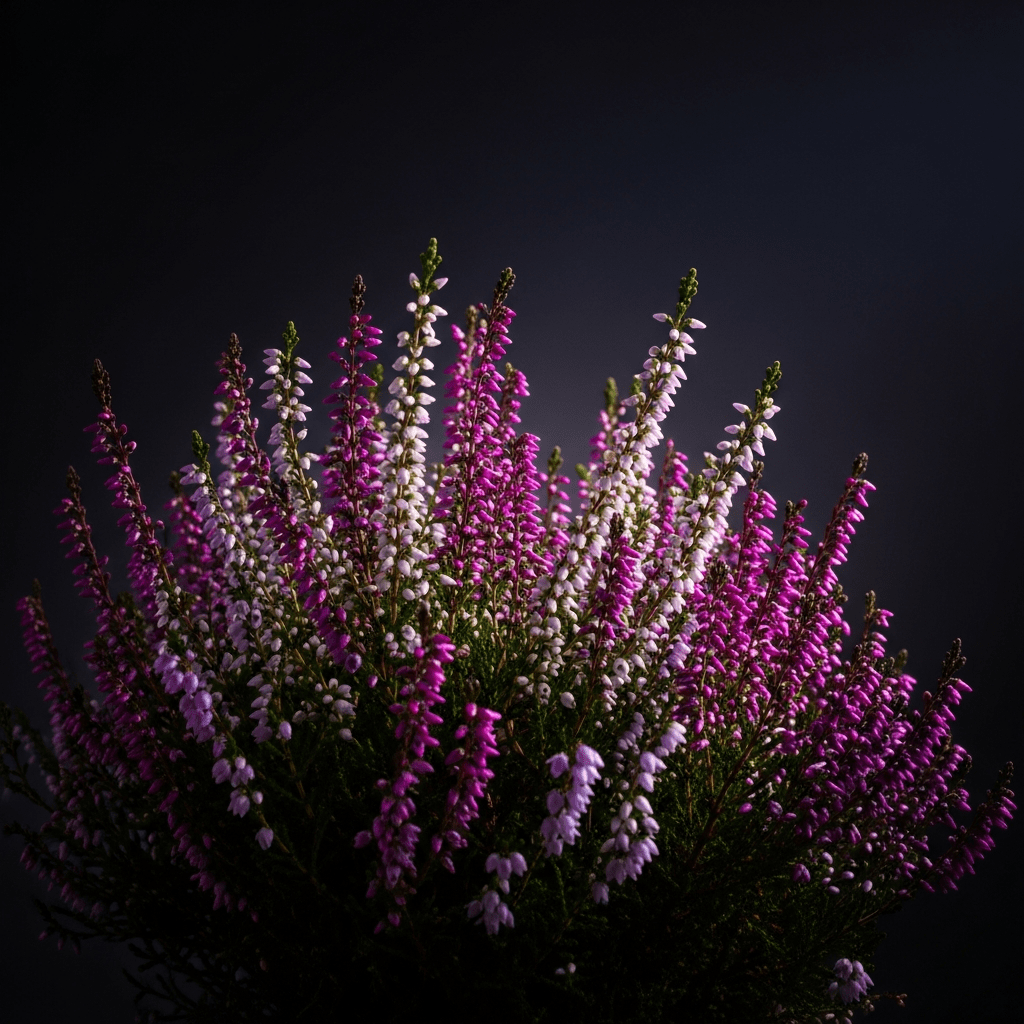
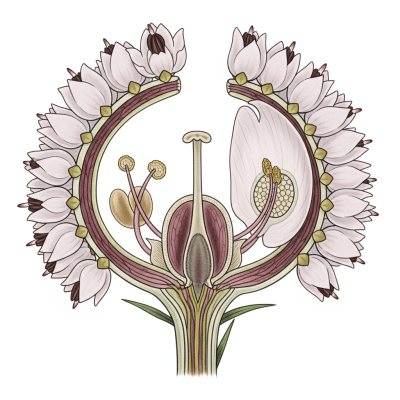
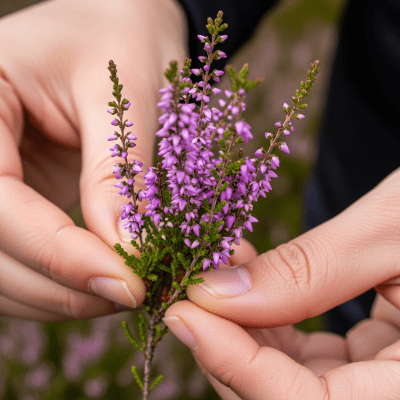
Heather is a compact, evergreen shrub typically reaching 20–50 cm in height. Its minute, scale-like leaves overlap in four neat rows along woody stems, creating a textured green carpet year-round. The flowers are tiny, tubular to bell-shaped, and cluster densely at the tips of branches, displaying a palette from mauve and pink to purple and white. The overall effect is a delicate haze of color above resilient foliage, especially striking in late summer.
Heather thrives in acidic, nutrient-poor soils, tolerating drought, wind, and cold with ease. It is a keystone species in heathland and moorland ecosystems, providing shelter and food for insects and birds. In gardens, heather is valued as a hardy ground cover and for its ornamental appeal, requiring minimal maintenance. Its flowers attract pollinators, notably bees, which produce the distinctive and sought-after heather honey.
Bring this kind into your world illustrated posters, mugs, and shirts.
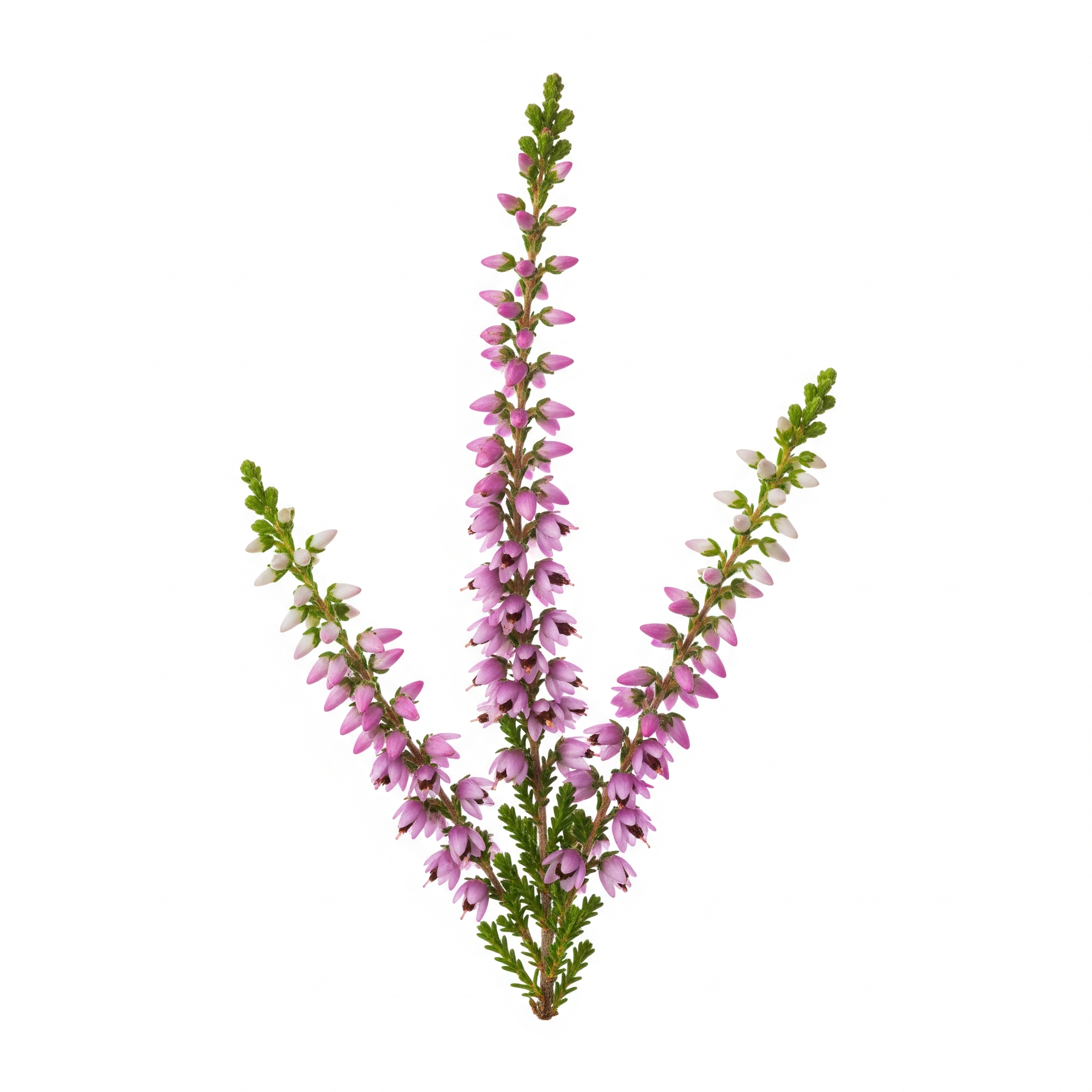
Archival print, museum-grade paper
Buy Poster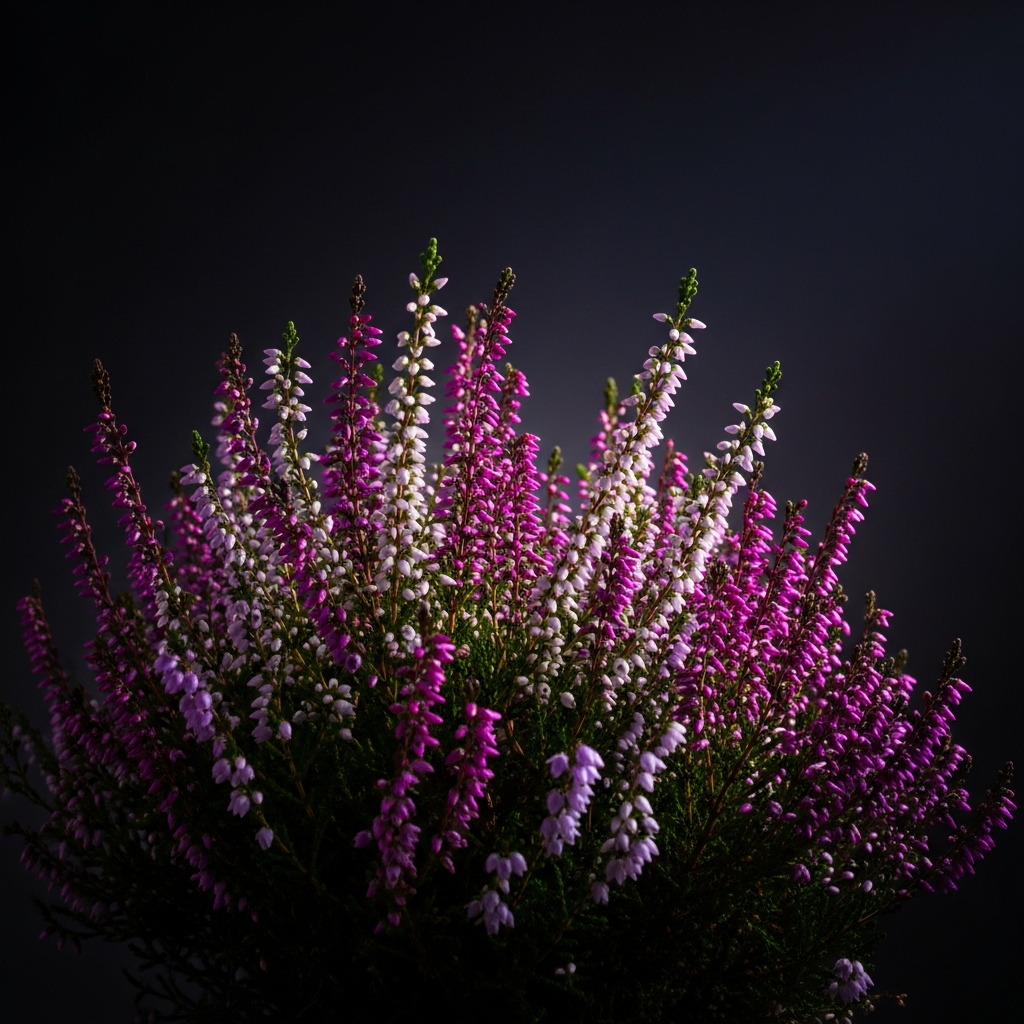
Stoneware mug, dishwasher safe
Buy Mug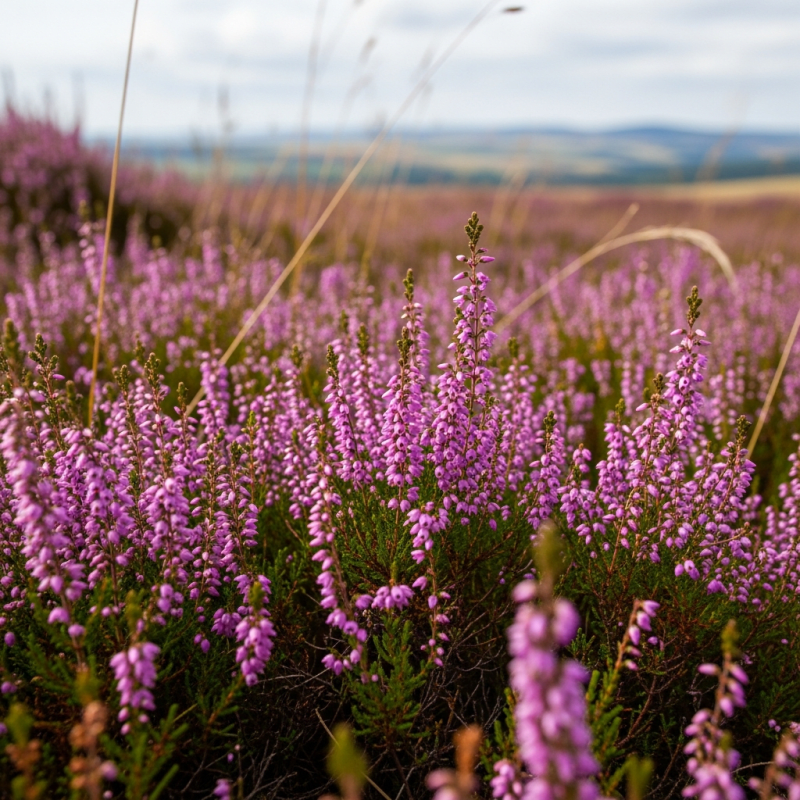
Soft cotton tee, unisex sizes
Buy ShirtHeather holds deep cultural resonance, especially in Scotland, where it symbolizes good luck and is woven into folklore, crafts, and national identity. It appears in decorative brooms, arrangements, and is celebrated in poetry and song. Heather honey is a prized regional product, and the flower’s presence in landscapes and traditions marks it as an emblem of wild beauty and resilience.
Heather flowers are most often seen in shades of mauve, pink, purple, and white, creating a soft, colorful tapestry. While the blooms are not noted for a strong fragrance, their visual impact is striking, especially when massed in gardens or wild heathlands.
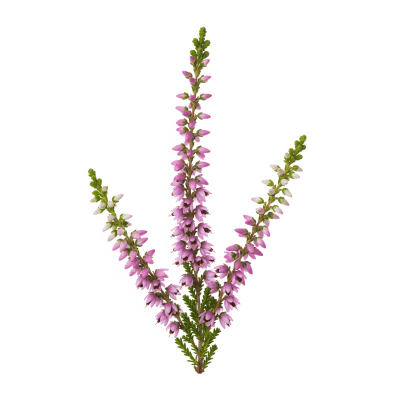
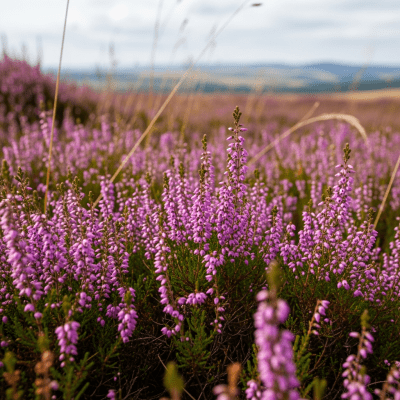
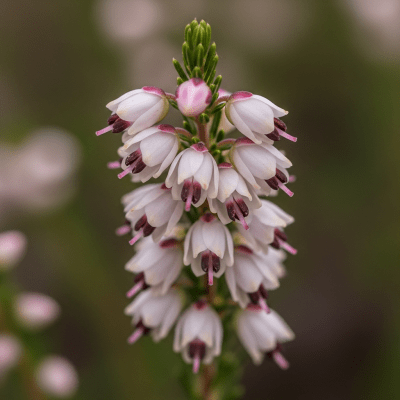
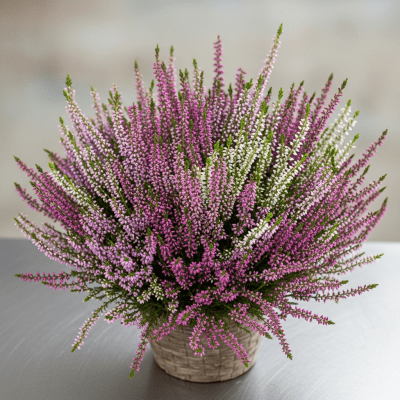
Heather prefers acidic, nutrient-poor, well-drained soils and flourishes in full sun to partial shade. It is drought-tolerant and resistant to cold, making it suitable for challenging garden sites. Propagation is typically by seed or cuttings. Minimal fertilization is needed, and pruning after flowering helps maintain shape and vigor. Avoid waterlogged conditions to prevent root rot.
Heather is a symbol of luck, protection, and admiration, especially in Scottish tradition. Its enduring blooms and hardiness evoke resilience and hope, while white heather is particularly associated with good fortune and new beginnings.
Heather breeding has focused on enhancing flower color, foliage, and growth habit. Notable cultivars such as 'Spring Torch' (bred by Kurt Kramer in Germany, 1989), 'Firefly', 'Dark Beauty', and 'Silver Knight' exemplify the diversity achieved through horticultural selection, especially in the UK, Germany, and the Netherlands. While Calluna vulgaris remains monotypic, hybridization within Erica species is common, expanding the range of ornamental heathers available.
Heather is generally resistant to most pests and diseases. The primary concern is root rot, which can occur in poorly drained soils. Ensuring proper drainage and avoiding overwatering are key management strategies. Routine pruning and healthy soil conditions further minimize risks.
Heather flowers from late July through September in its native range, offering vibrant color in late summer and early autumn. Its evergreen foliage ensures year-round garden interest.
Heather is widely used as an ornamental ground cover in gardens and landscapes, sold both as potted plants and cut flowers. It is essential for producing heather honey and features in traditional crafts and decorative arrangements. Historically, its flowers and shoots have flavored herbal teas and Scottish "heather ale," and it has been used in folk remedies for urinary and kidney health. Heather’s symbolic presence in culture adds to its enduring appeal.