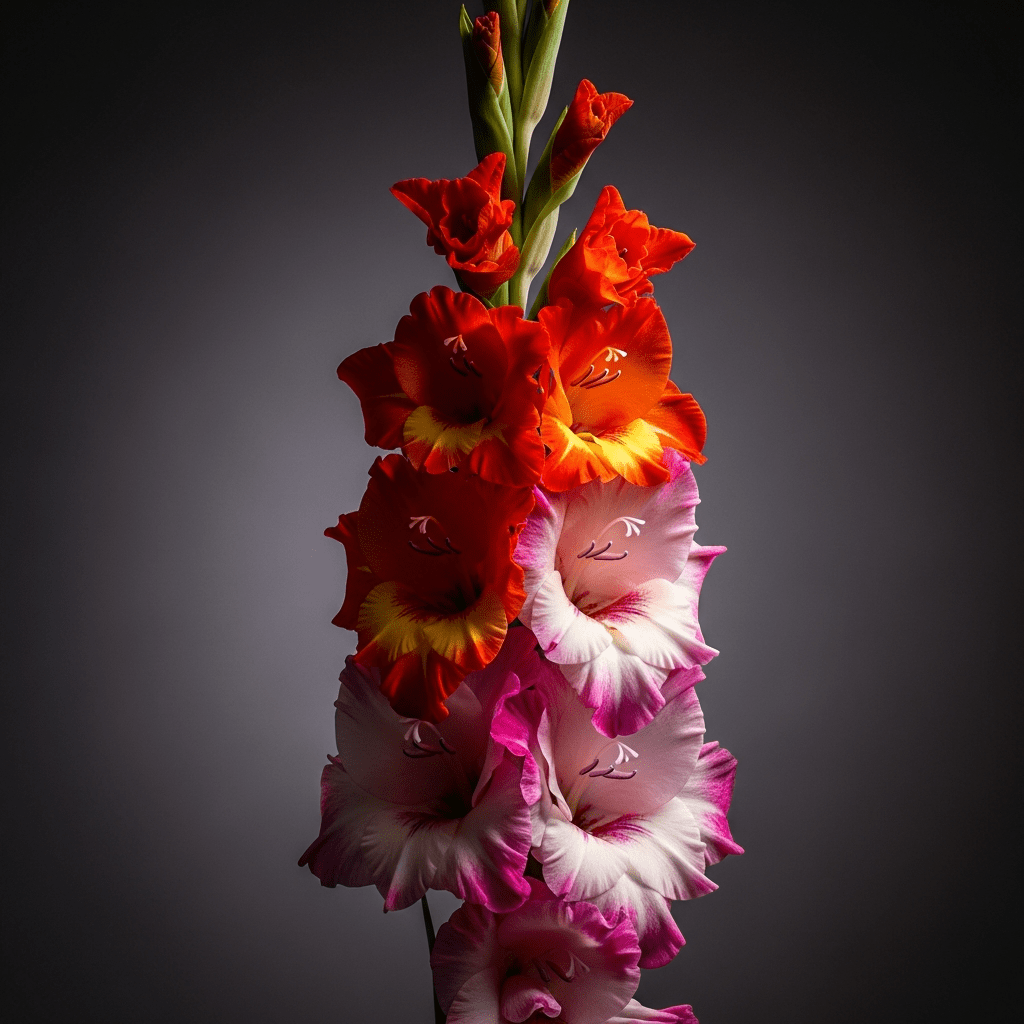
Gladiolus
Gladiolus is a genus of tall, perennial flowering plants celebrated for their dramatic spikes of vibrant, funnel-shaped blooms and sword-like foliage, making them a beloved choice for gardens and floral arrangements worldwide.
Gladiolus is a genus of tall, perennial flowering plants celebrated for their dramatic spikes of vibrant, funnel-shaped blooms and sword-like foliage, making them a beloved choice for gardens and floral arrangements worldwide.
Gladiolus originated primarily in sub-Saharan Africa, especially South Africa, with additional species native to the Mediterranean and Eurasian regions. The modern garden gladiolus, known as Gladiolus × hortulanus, is the product of extensive hybridization among several wild species, a process that began in Europe in the early 19th century. Early breeders such as William Herbert and later French and British horticulturists played pivotal roles in developing the large-flowered cultivars admired today.
Gladiolus belongs to the family Iridaceae, within the genus Gladiolus, which comprises over 250 species. As angiosperms, they are part of the broader taxonomy of flowering plants, and are commonly referred to as sword lilies due to their distinctive leaf shape. The genus is recognized for its horticultural diversity, with wild species and garden hybrids both contributing to its popularity.
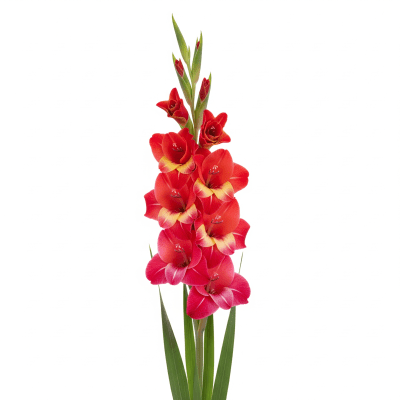
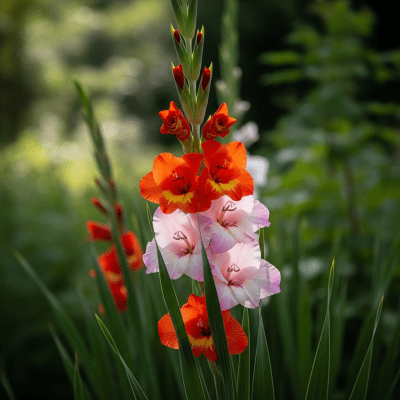
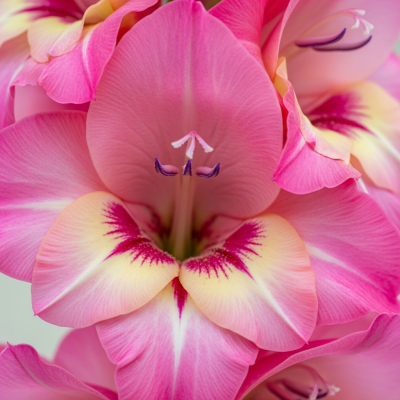
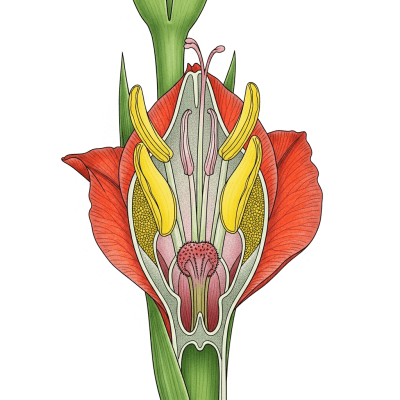
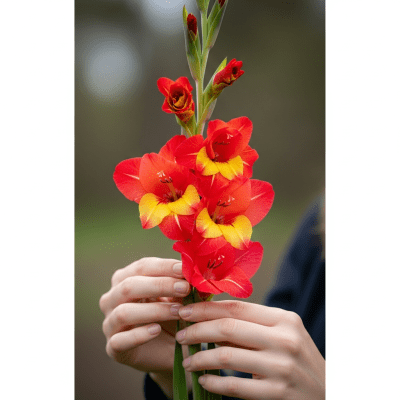
Gladiolus plants grow from corms and feature upright, unbranched spikes that can reach 60–150 cm in height. Their leaves are linear, sword-shaped, and arranged in a fan, while the inflorescence consists of 12–20 or more funnel-shaped flowers with six tepals, which may be ruffled or plain. The blooms display a stunning array of colors, including white, yellow, pink, red, purple, orange, green, and striking bi-colored forms, creating a bold visual impact in any setting.
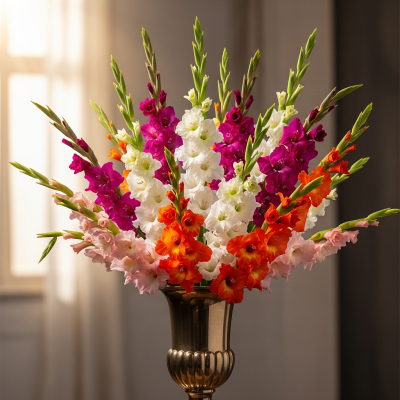
Gladiolus is primarily cultivated for ornamental purposes, both in gardens and as a cut flower in floral arrangements. Its tall, showy spikes and long vase life make it a staple in the global floriculture trade. While not used for culinary or medicinal purposes, gladiolus flowers are often incorporated into ceremonies, celebrations, and as symbols in various cultures. The plant interacts with its environment by attracting pollinators and requires human care for optimal growth and display.
Bring this kind into your world illustrated posters, mugs, and shirts.
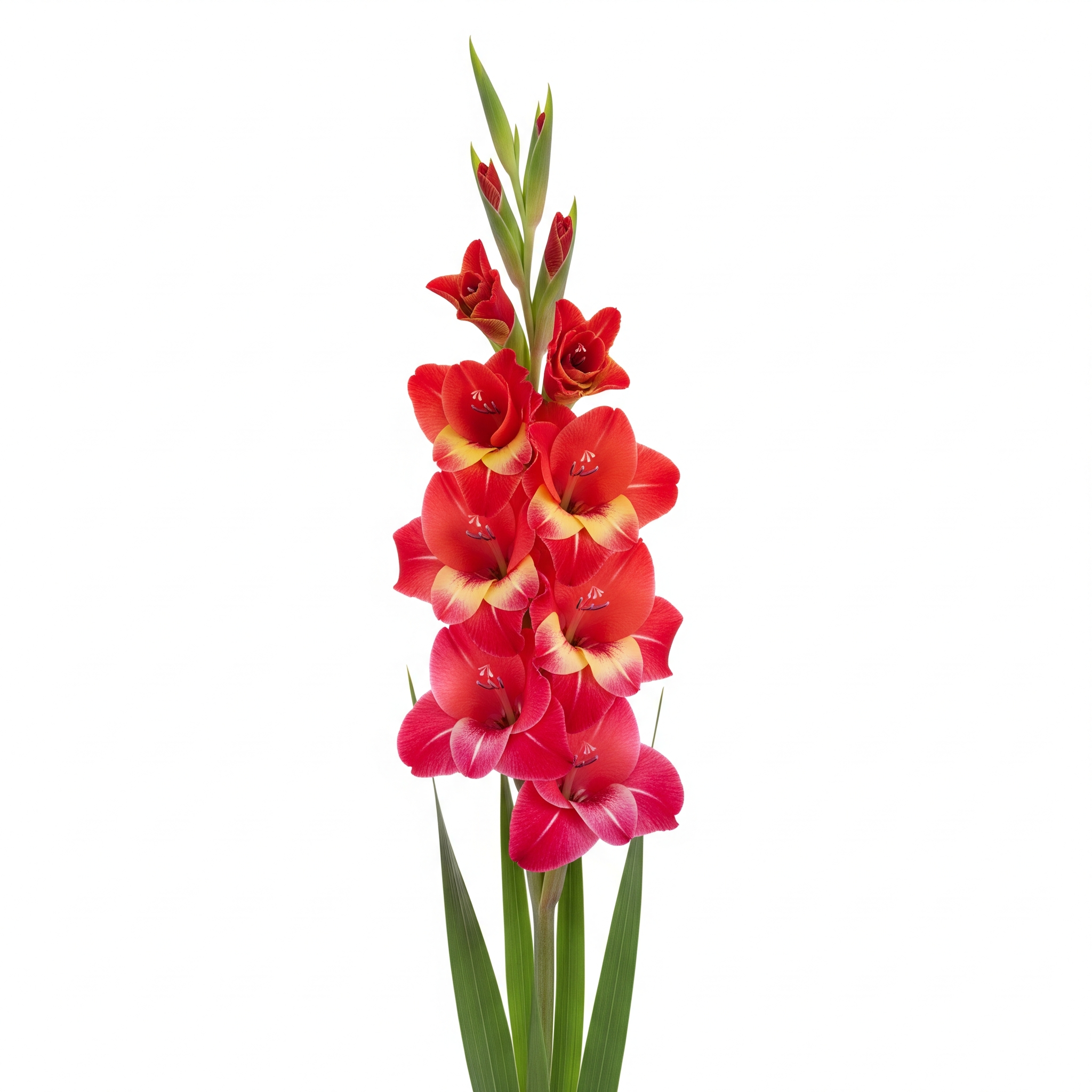
Archival print, museum-grade paper
Buy Poster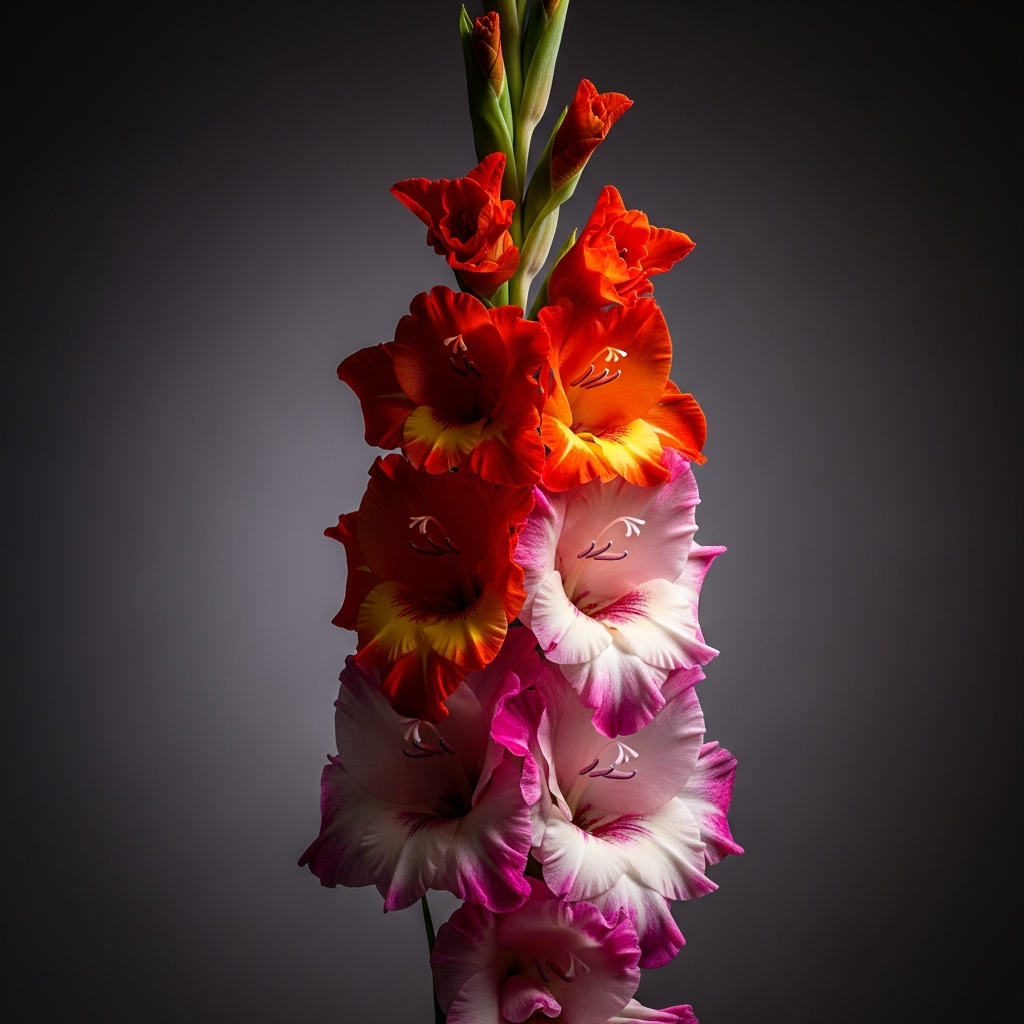
Stoneware mug, dishwasher safe
Buy Mug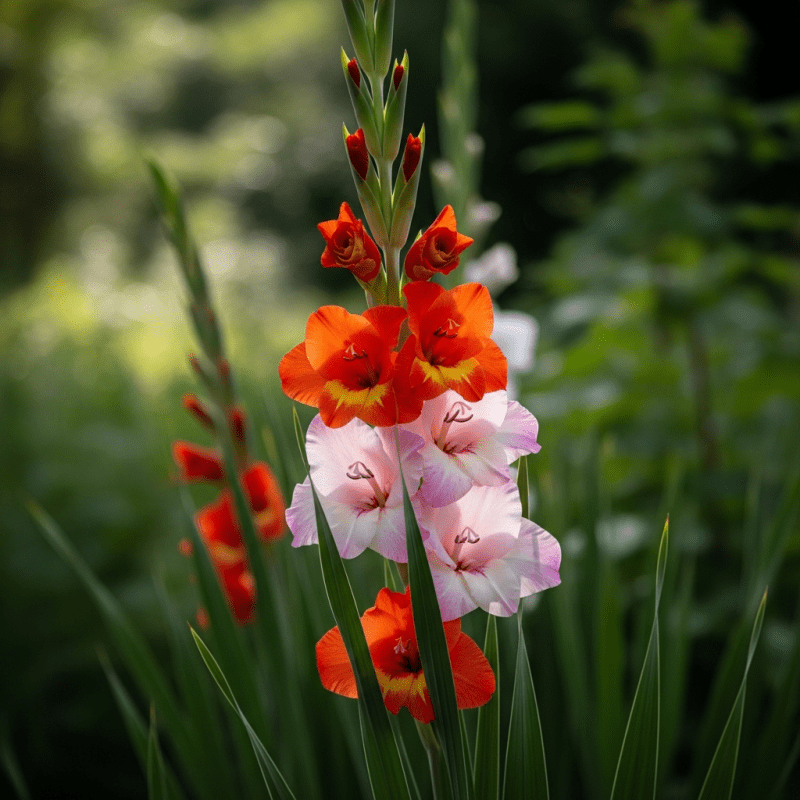
Soft cotton tee, unisex sizes
Buy ShirtGladiolus holds a prominent place in cultural traditions and symbolism. Frequently featured in wedding bouquets, commemorative arrangements, and public ceremonies, the flower is associated with strength, remembrance, and moral integrity. Its dramatic form and vivid colors have inspired artists and designers, and the gladiolus is often used as a symbol of victory and honor, echoing its Latin root "gladius," meaning sword.
Gladiolus flowers are renowned for their dazzling color palette, which includes white, yellow, pink, red, purple, orange, green, and bi-colored varieties. While some species may possess a light fragrance, most garden cultivars are grown for their visual appeal rather than scent, and fragrance is generally subtle or absent.
To cultivate gladiolus, plant corms in spring after the last frost in well-drained, fertile soil and a location with full sun. Space corms adequately and consider staking taller varieties to support the heavy flower spikes. Regular watering and monitoring for pests such as thrips and fungal diseases are important. After blooming, lift and store corms in a cool, dry place over winter in colder climates to ensure healthy regrowth the following year.
Gladiolus symbolizes strength, integrity, and remembrance. Its upright, sword-like form is often associated with moral fortitude and victory, making it a popular choice for commemorative events and expressions of admiration. In floral language, gifting gladiolus conveys sincerity and honor.
The breeding history of gladiolus is marked by extensive hybridization, especially in Europe from the early 19th century onward. Modern garden gladiolus (Gladiolus × hortulanus) emerged from crosses between several wild African species, resulting in the large-flowered cultivars popular today. Notable breeders such as William Herbert and numerous French and British horticulturists contributed to the development of diverse forms and colors, though specific cultivar pedigrees are often complex and undocumented.
Gladiolus typically blooms from June to September in temperate climates, making it a summer staple in gardens and floral markets. Corms are planted in spring, and flowers are available for cutting and display throughout the summer months.
Gladiolus is primarily valued for its ornamental beauty, both in garden landscapes and as a cut flower in floral arrangements. Its striking appearance and long vase life make it a favorite in the floriculture industry. The flower is also used in ceremonies and as a symbol of strength and remembrance, but it has no significant culinary, medicinal, or industrial applications due to mild toxicity.