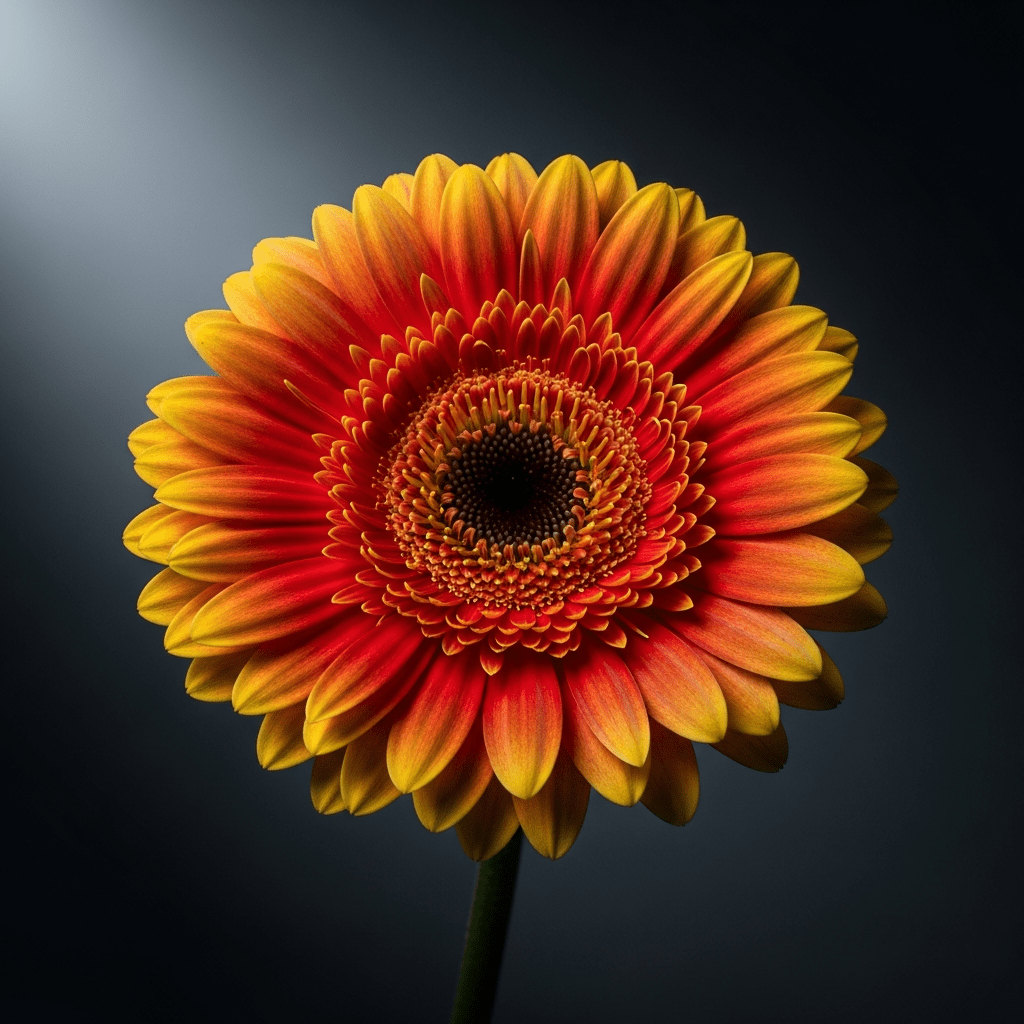
Gerbera
Gerbera is a vibrant genus of flowering plants in the Asteraceae family, celebrated worldwide for its large, colorful blooms and enduring popularity as an ornamental and cut flower.
Gerbera is a vibrant genus of flowering plants in the Asteraceae family, celebrated worldwide for its large, colorful blooms and enduring popularity as an ornamental and cut flower.
Gerbera’s journey began in South Africa, where Gerbera jamesonii was first identified. The genus was formally described in 1889 by J.D. Hooker and named after the German botanist Traugott Gerber. Commercial cultivation took off in the late 19th century, with modern hybrids—primarily crosses between G. jamesonii and G. viridifolia—developed through extensive breeding programs in Europe, Asia, and North America. Today, Gerbera’s lineage reflects a blend of wild South African heritage and global horticultural innovation.
Gerbera belongs to the family Asteraceae, one of the largest families of flowering plants. Within this family, Gerbera is part of the tribe Gerberae, subfamily Mutisioideae. The genus comprises around 30 species, with Gerbera jamesonii as the most prominent ancestor of cultivated varieties. Although commonly called "gerbera daisies," they are distinct from true daisies and are classified by their unique composite flower heads.
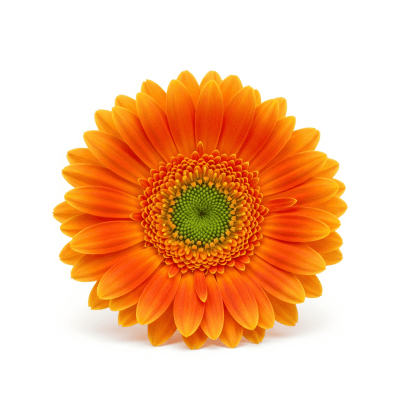
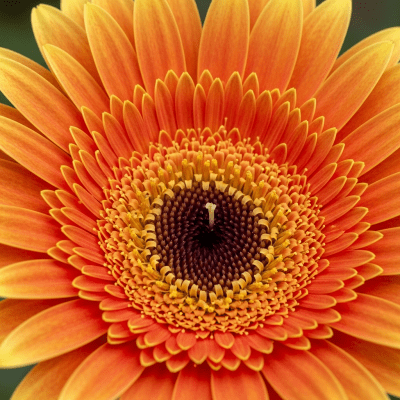
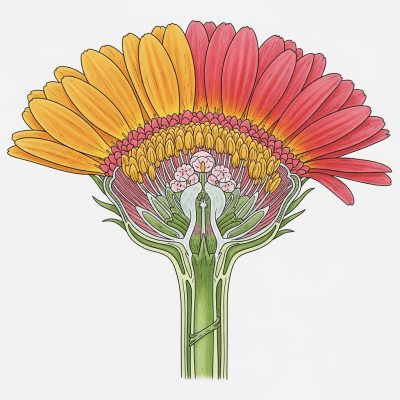
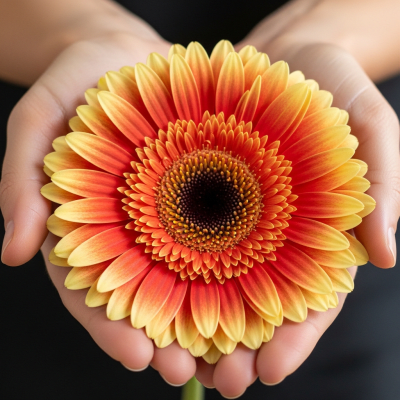
Gerbera plants are upright, clump-forming herbaceous perennials, typically reaching 30–60 cm in height. Their leaves form basal rosettes and are lobed or pinnate. Each plant produces a solitary, striking flower head (capitulum) measuring 7–12 cm across. The blooms feature bold, daisy-like ray florets surrounding a central disc, and are available in a dazzling spectrum of colors—white, yellow, orange, pink, red, purple, and numerous bicolored and pastel shades. The overall effect is cheerful and eye-catching, making Gerbera a favorite in gardens and bouquets.
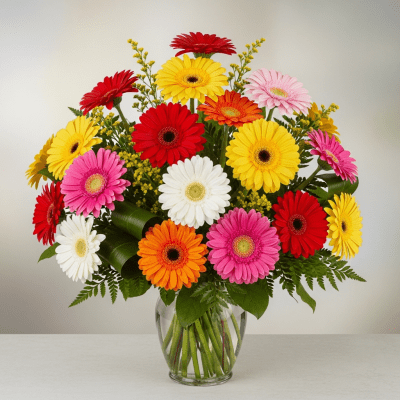
Gerbera’s primary role is ornamental, both as a garden plant and a top-tier cut flower. Its long vase life and vivid colors make it a staple in floral arrangements, wedding décor, and potted displays. Commercially, Gerbera is among the world’s most traded cut flowers, valued for its durability and aesthetic appeal. The plant interacts with its environment by attracting pollinators such as bees, though most cultivated varieties are propagated by seed or tissue culture for consistency.
Bring this kind into your world illustrated posters, mugs, and shirts.
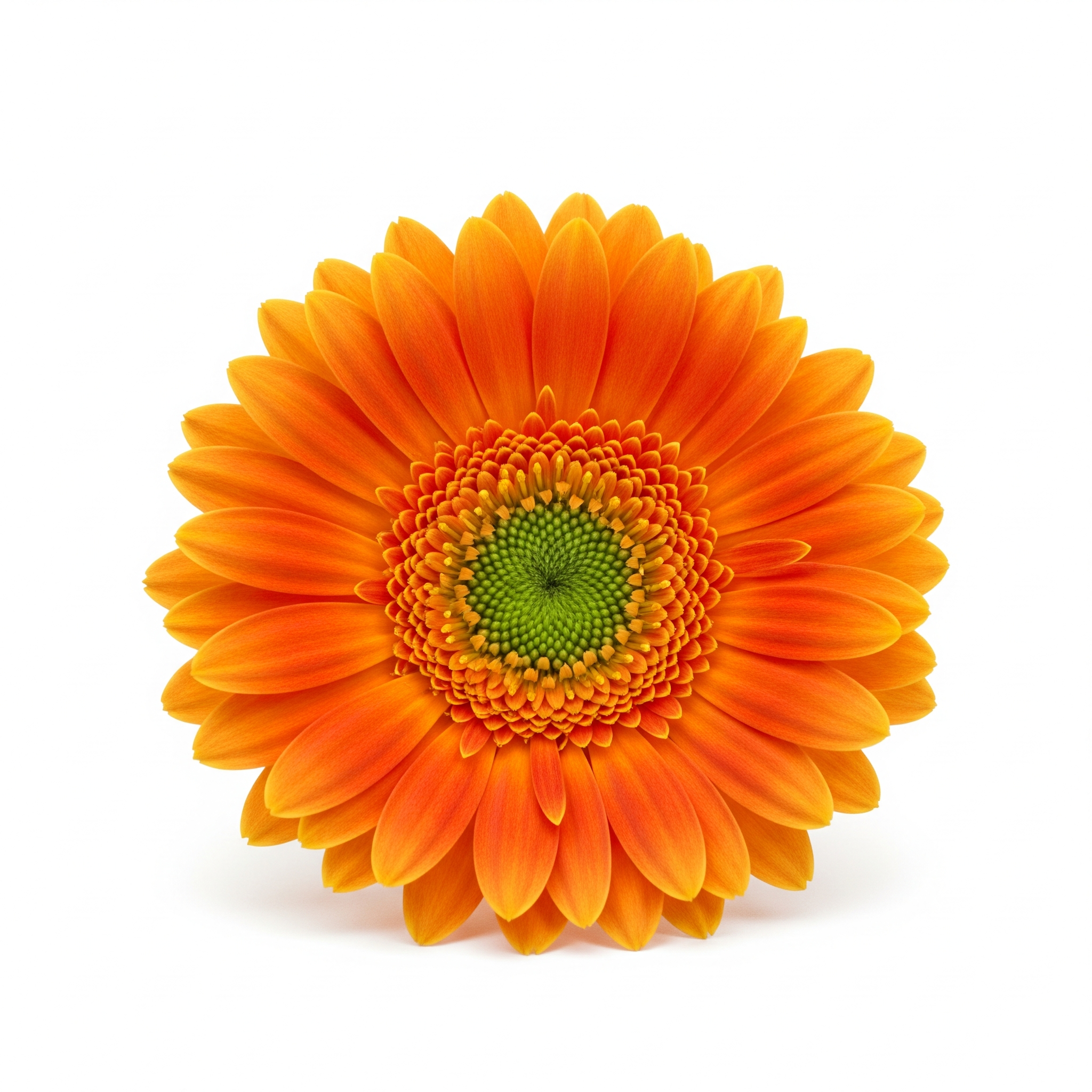
Archival print, museum-grade paper
Buy Poster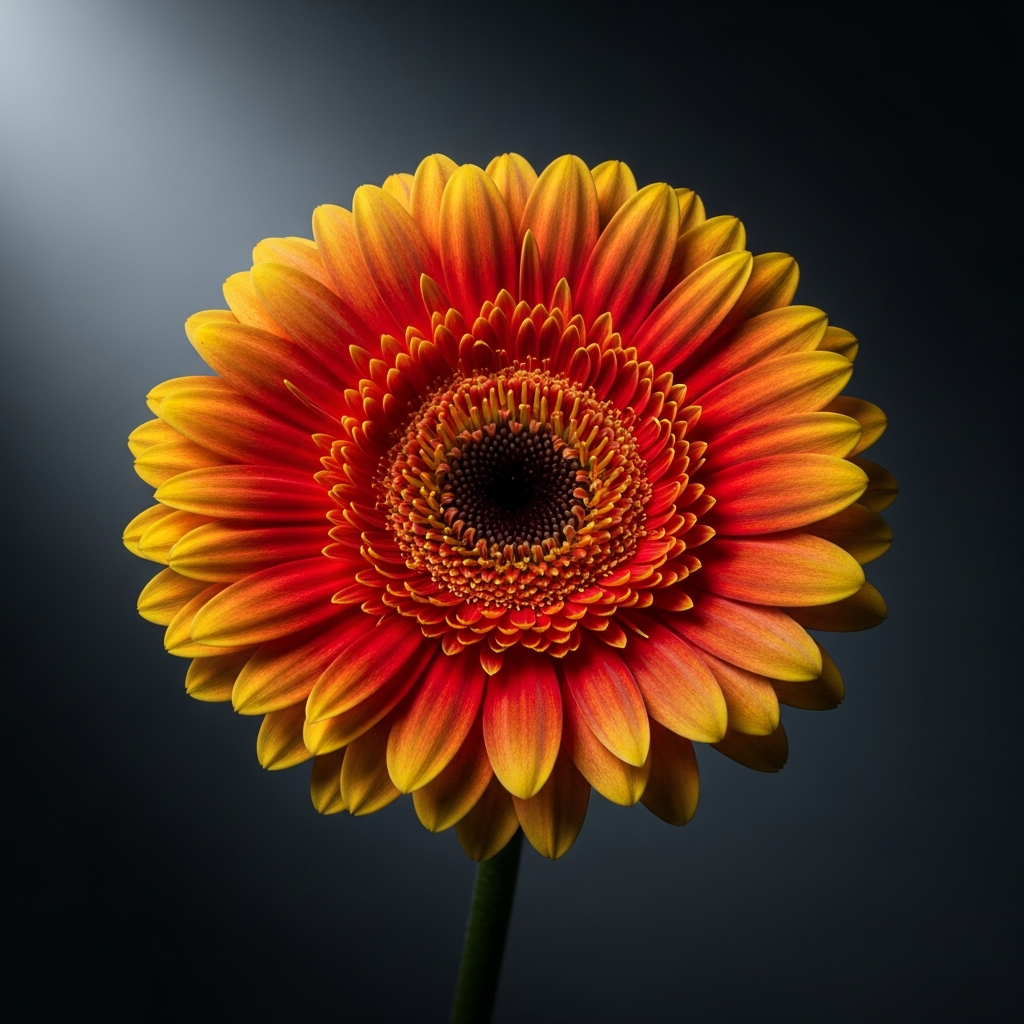
Stoneware mug, dishwasher safe
Buy Mug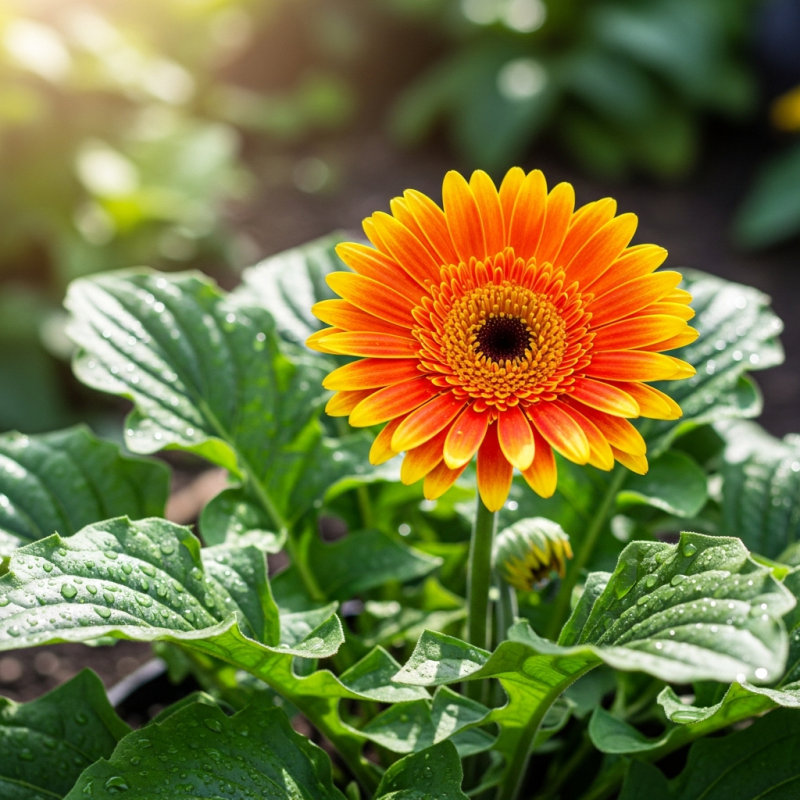
Soft cotton tee, unisex sizes
Buy ShirtGerbera holds a cherished place in modern culture, often symbolizing innocence, purity, and cheerfulness. Its radiant blooms are popular in celebrations, especially weddings and festive events. In South Africa, the "Barberton daisy" is a regional icon, while globally, Gerbera features in art, design, and fashion as a motif of joy and optimism. Its universal appeal has made it a favorite subject for photographers and floral artists alike.
Gerbera flowers are celebrated for their broad color palette, including white, yellow, orange, pink, red, purple, and a variety of bicolored and pastel shades. Despite their visual vibrancy, Gerbera blooms are typically unscented or have only a very faint fragrance, making them ideal for those sensitive to strong floral scents.
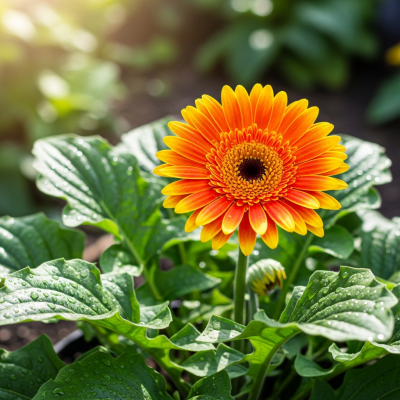
Gerbera thrives in well-drained, sandy soils and prefers full sun to partial shade. Planting is best done in spring or after the last frost. Moderate watering is essential, as the plant is sensitive to root and crown rot. Propagation is usually by seed or tissue culture for uniformity. For cut flowers, ensure stems are hydrated and use floral preservatives to extend vase life. Gerbera performs best in mild climates (USDA zones 8–11) and benefits from regular monitoring for pests and diseases.
Gerbera is widely associated with innocence, purity, and cheerfulness. Its bright, open blooms evoke feelings of happiness and optimism, making it a popular choice for celebrations and gifts intended to convey joy or encouragement. In various cultures, Gerbera also symbolizes new beginnings and heartfelt emotions.
Gerbera’s breeding history is rich, with most commercial varieties resulting from crosses between G. jamesonii and G. viridifolia. Since the early 20th century, breeders in Europe, Asia, and North America have developed hundreds of cultivars, focusing on flower size, color diversity, and disease resistance. Notable breeding institutions include the Royal Horticultural Society (UK) and Dutch floriculture companies. Tissue culture techniques are now widely used to ensure uniformity and vigor in new hybrids.
Gerbera flowers are typically available year-round in commercial markets, thanks to greenhouse cultivation. In outdoor gardens, they bloom from spring through autumn, with peak flowering occurring during warmer months.
Gerbera is cultivated almost exclusively for ornamental use. It is a mainstay in the cut flower industry, featured in bouquets, floral arrangements, and wedding decorations. As a potted plant, it brings vibrant color to homes and gardens. Gerbera has no known culinary or medicinal uses, but its symbolic value—representing innocence and cheerfulness—makes it a meaningful gift and decorative element.