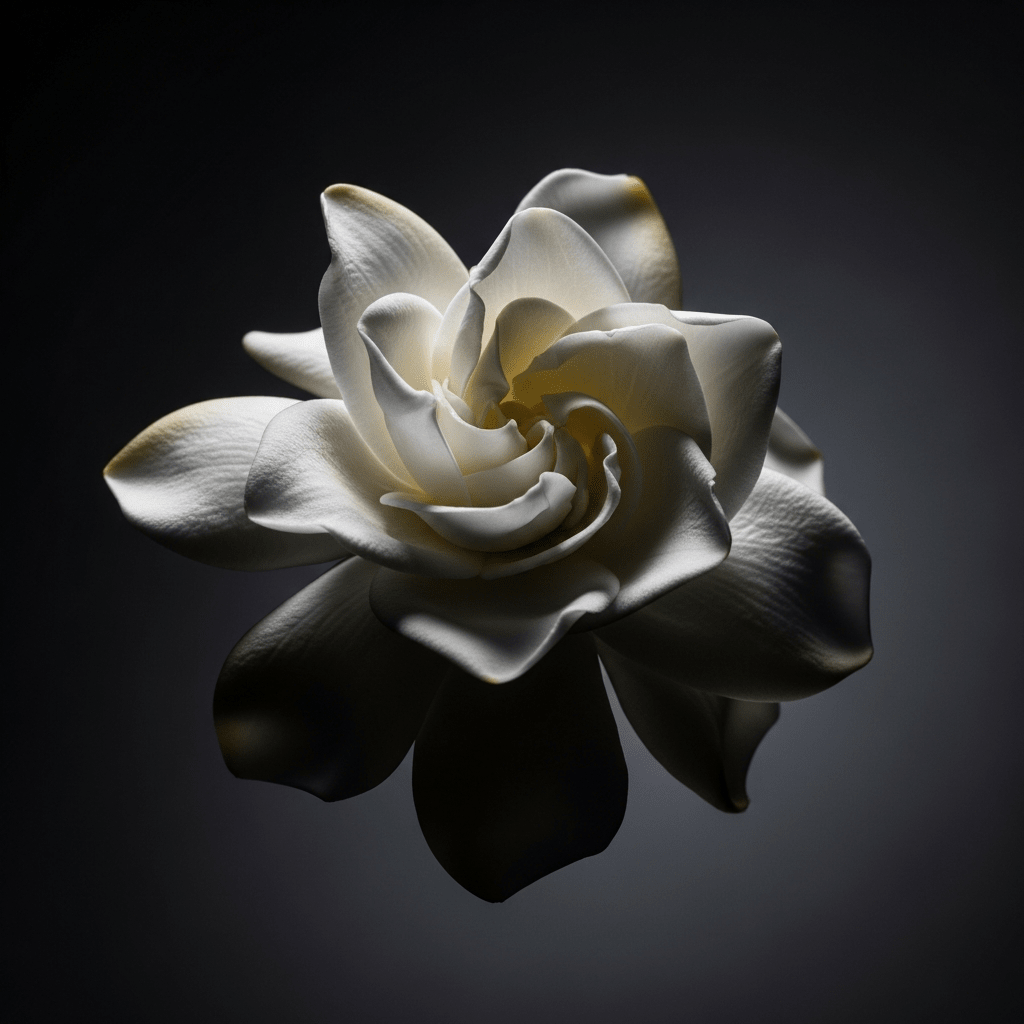
Gardenia
Gardenia is a genus of evergreen flowering shrubs celebrated for their creamy-white, intensely fragrant blossoms and glossy foliage, making them a beloved choice in gardens and perfumery worldwide.
Gardenia is a genus of evergreen flowering shrubs celebrated for their creamy-white, intensely fragrant blossoms and glossy foliage, making them a beloved choice in gardens and perfumery worldwide.
Gardenia was named by Carl Linnaeus in tribute to Dr. Alexander Garden, a Scottish-born American naturalist. The most renowned species, Gardenia jasminoides (Cape jasmine), originated in southern China, Taiwan, Japan, and Vietnam, where it has been cultivated for centuries. Over time, horticulturists have developed numerous cultivars to enhance flower form, size, and cold tolerance, though the precise lineage and breeder details often remain undocumented.
Gardenia belongs to the family Rubiaceae, a large group of flowering plants. Within this family, Gardenia is distinguished by its evergreen habit and fragrant flowers. The genus includes several species and cultivars, with Gardenia jasminoides being the most widely grown and recognized in horticulture and commerce.
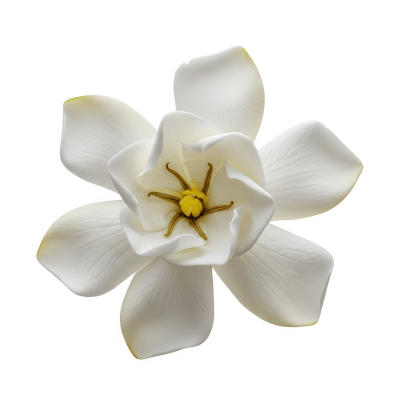
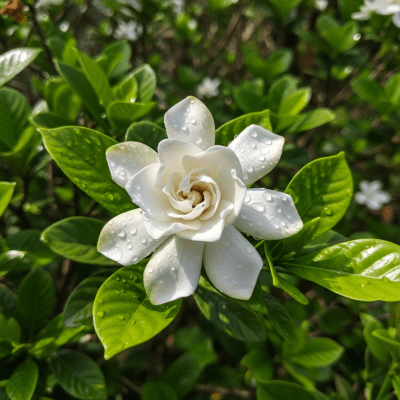
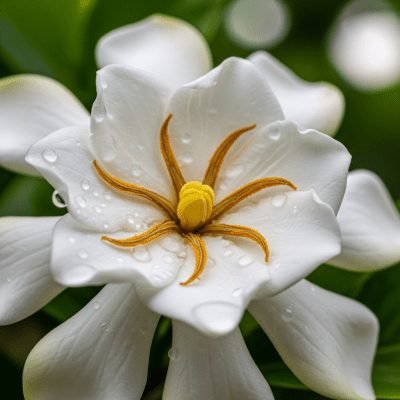
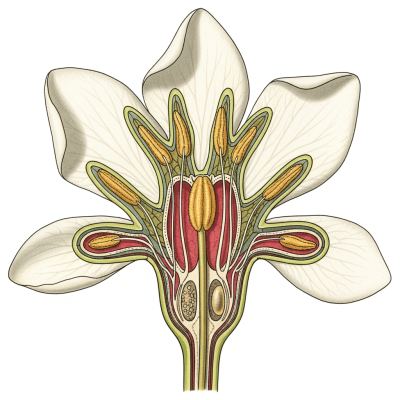
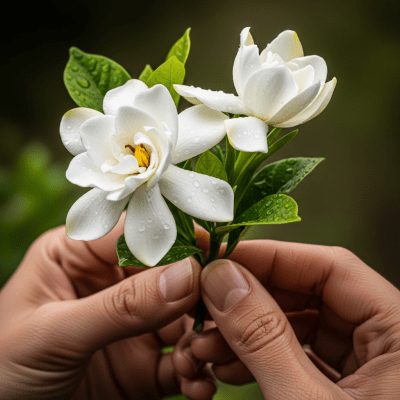
Gardenias are evergreen shrubs or small trees, typically reaching heights of 60–200 cm, though some species can grow much taller. Their leaves are arranged oppositely or in whorls, displaying a glossy, dark green, and leathery texture. The flowers, solitary or clustered, are waxy and creamy-white to pale yellow, measuring 5–12 cm across. Their lush petals and elegant form evoke a sense of refinement and purity.
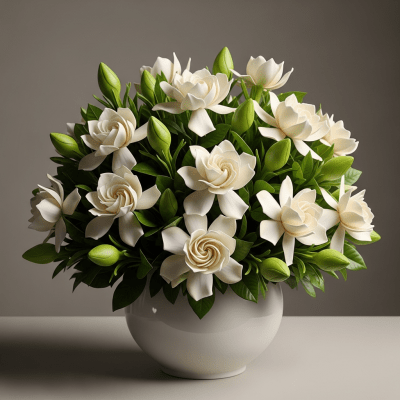
Gardenias are primarily cultivated for their ornamental beauty and intoxicating scent. They are cherished in gardens, landscapes, and as cut flowers, though their delicate blooms have a short vase life. The fragrance is highly sought after in perfumery and scented products. In East Asia, the dried fruit of Gardenia jasminoides is used in traditional herbal medicine and as a natural dye, adding utility beyond aesthetics.
Bring this kind into your world illustrated posters, mugs, and shirts.
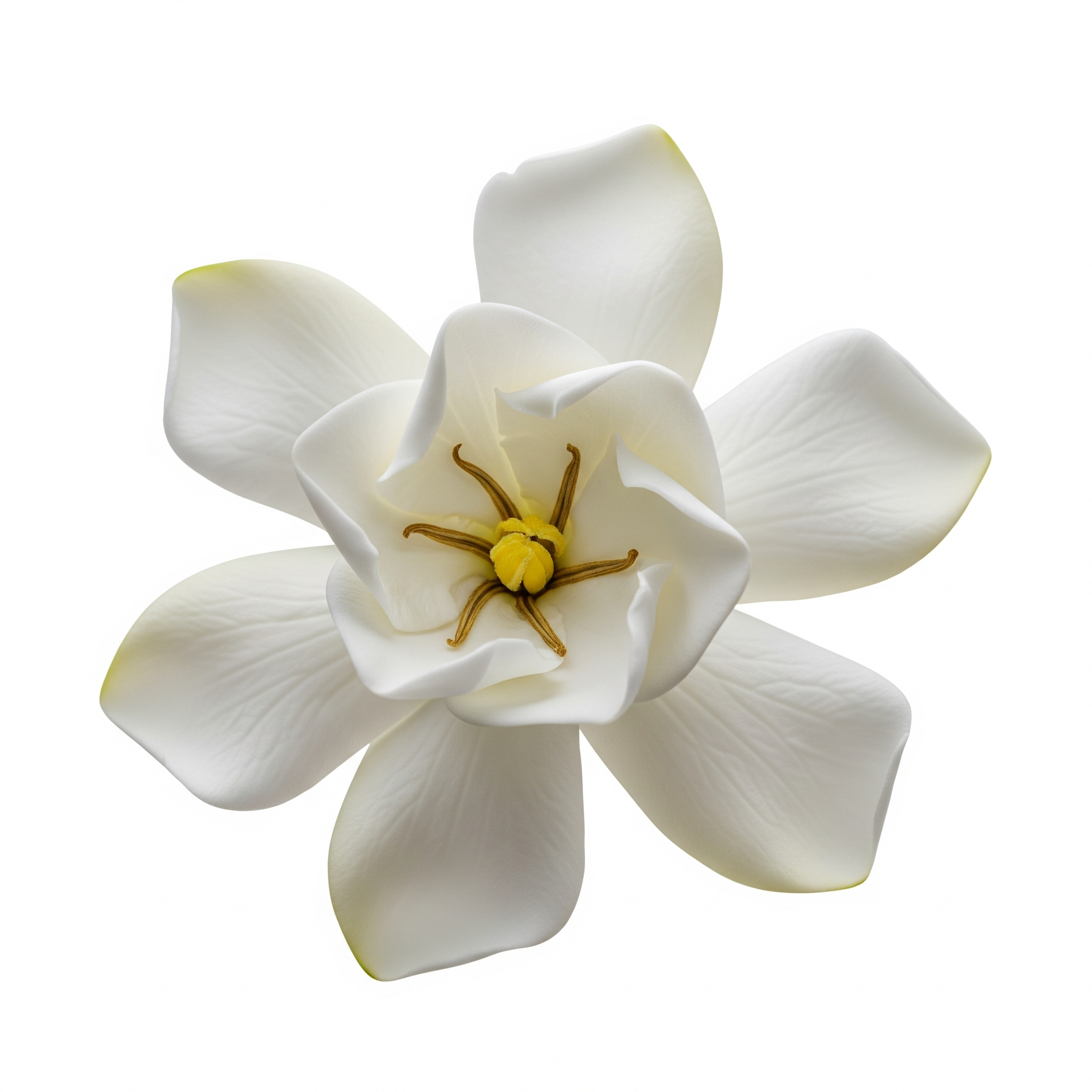
Archival print, museum-grade paper
Buy Poster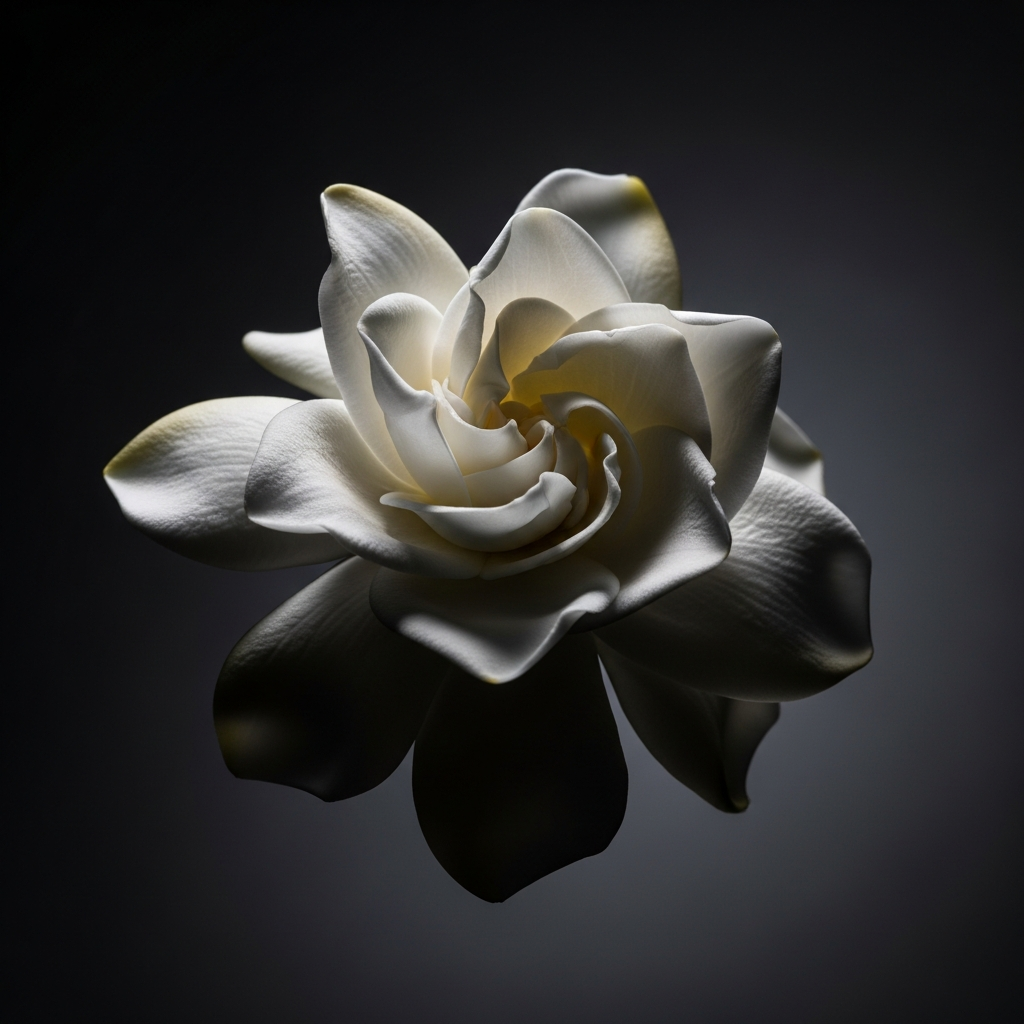
Stoneware mug, dishwasher safe
Buy Mug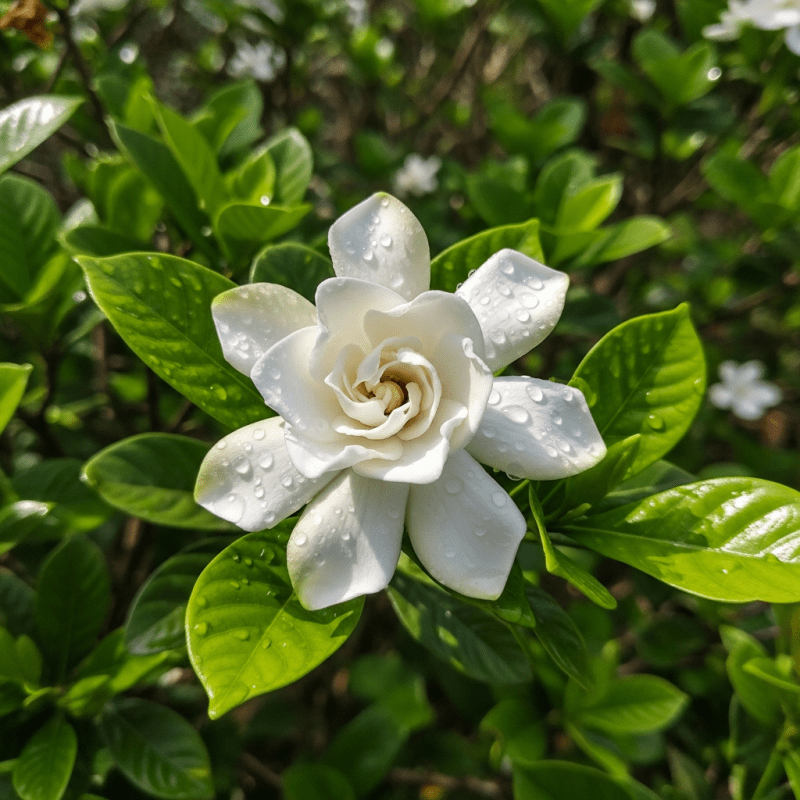
Soft cotton tee, unisex sizes
Buy ShirtGardenia holds a prominent place in cultural symbolism and tradition. In many cultures, it represents purity, love, and refinement, making it a popular choice for wedding bouquets and corsages. Its presence in art and literature often evokes themes of elegance and longing. In East Asian societies, gardenia fruit is valued for medicinal and dyeing purposes, further embedding the flower in daily life and ritual.
Gardenia flowers are celebrated for their strong, sweet fragrance reminiscent of jasmine, which can fill a garden or room with their scent. The color palette is predominantly creamy white to pale yellow, with waxy petals that enhance their luminous beauty.
To thrive, gardenias need acidic, well-drained soil, high humidity, and protection from cold and frost. They prefer partial shade to full sun in suitable climates. Regular watering, mulching, and careful monitoring for pests are essential. Propagation is commonly done through cuttings, layering, or seeds. Due to their sensitivity, gardenias benefit from consistent care and attention to soil pH.
Gardenias symbolize purity, love, and refinement across cultures. Their pristine white blooms are associated with innocence and grace, making them a favorite in wedding arrangements and romantic gestures. In the language of flowers, gardenias often convey secret love or admiration.
Gardenia breeding has focused on enhancing flower size, form, and cold tolerance. While specific breeder details are often undocumented, cultivars such as ‘Veitchii’, ‘Radicans’, and ‘August Beauty’ have become horticultural standards. Hybridization is common, though lineage is frequently proprietary or not publicly recorded, resulting in a rich diversity of gardenia forms adapted to various climates and garden uses.
Gardenias typically bloom from late spring to early summer. In regions with mild climates or with select cultivars, flowering may occur intermittently throughout the year, offering extended enjoyment of their blossoms and fragrance.
Gardenias are prized ornamentally in gardens, landscapes, and as cut flowers. Their intense fragrance is a staple in perfumery and scented products. In East Asia, the dried fruit is used in traditional medicine and as a natural yellow dye for food and textiles. The flower’s symbolic associations make it popular in weddings and ceremonial arrangements.